


Antique Asian Miniature
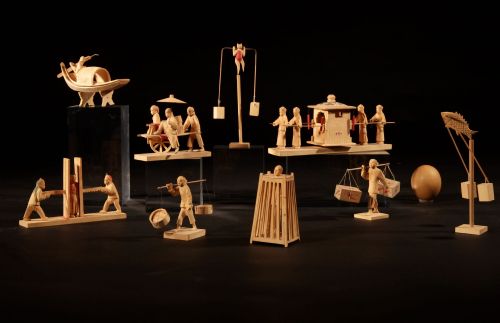
These antique asian miniature works bring remarkable detail and craftsmanship into a small scale, offering collectors an intimate glimpse into traditional Far Eastern and South Asian artistry.
Antique Asian Miniature
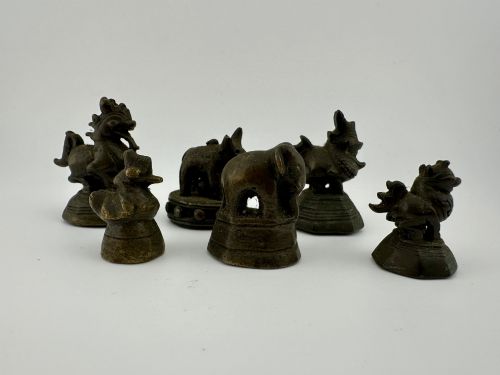
When you search for antique asian miniature objects, you encounter a diverse selection of small-scale decorative and functional pieces spanning several centuries. The items available include delicate bronze animal trade weights, intricately carved boxwood netsuke, and diminutive Japanese satsuma vases from the Meiji period.
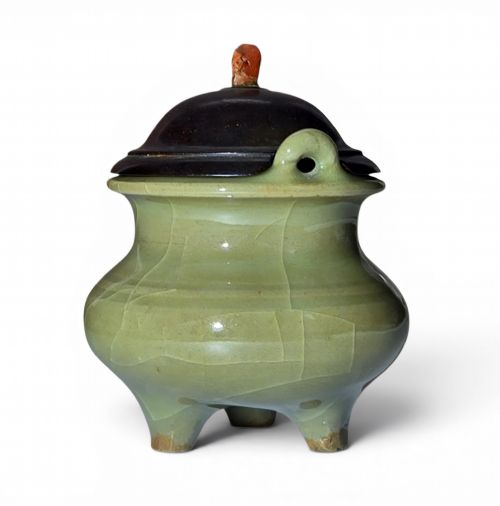
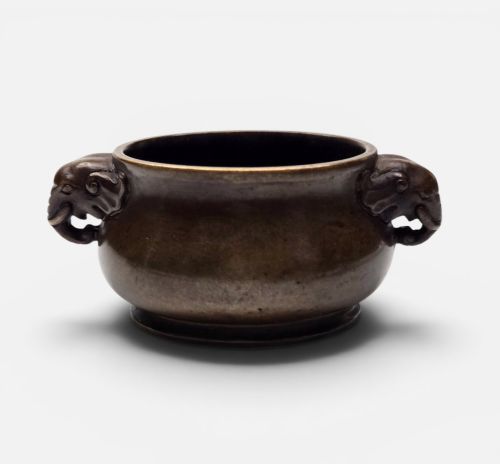
Buyers are most likely to encounter nineteenth-century Japanese Satsuma ceramics, wooden netsuke carved into animal or human forms, and small bronze censers or vases. These varied objects demonstrate how makers across Asia concentrated high levels of artistic skill into remarkably compact formats.
How they were made
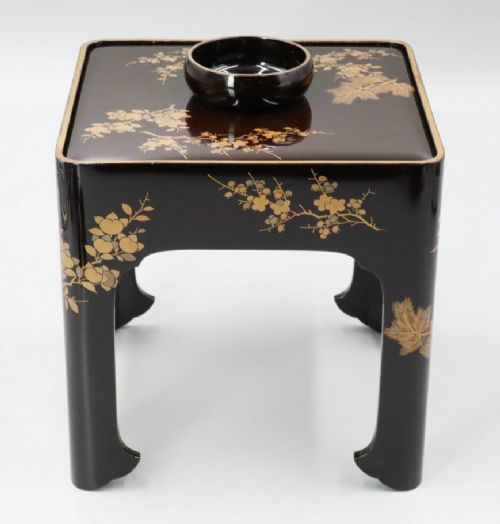
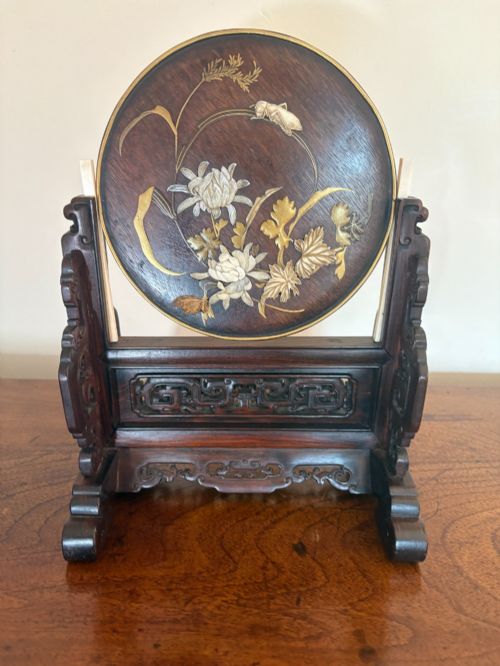
Makers utilised a wide array of traditional materials, combining metals like bronze and brass with organic substances such as boxwood, cherry amber, bamboo, and hard stone. Artisans applied gold leaf, enamel, and lacquer to surfaces to create rich colour and texture on a tiny scale.
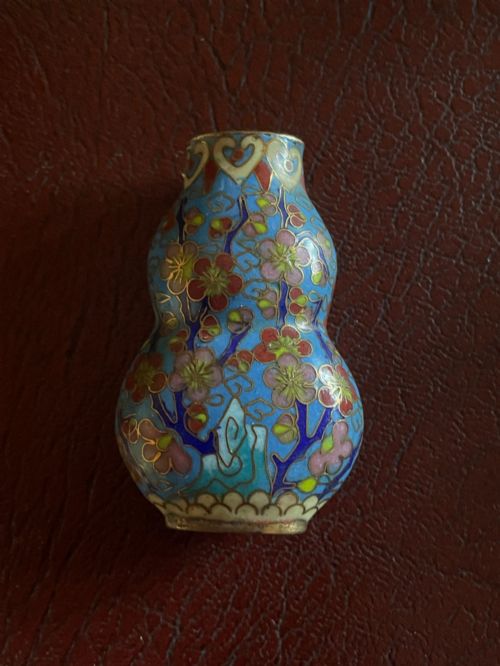
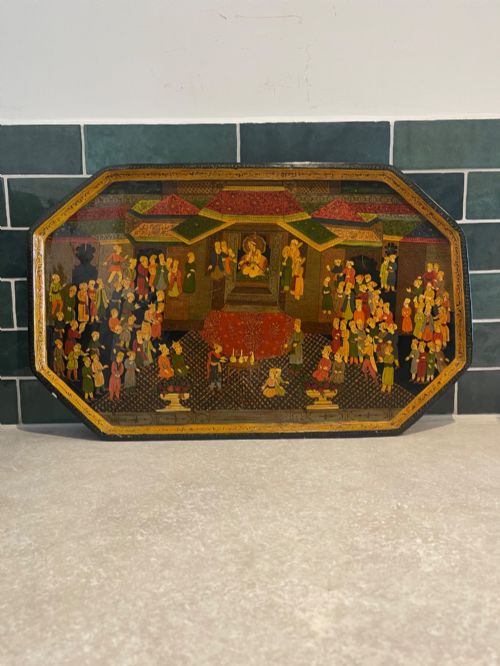
Techniques varied significantly by medium, ranging from the intricate metalwork of cloisonné and lost-wax bronze casting to the meticulous carving of miniature okimono and netsuke. Painters worked on paper and silk using gouache and natural pigments to produce detailed portraits and landscape scenes.
The listings on this page span the 17th century through to the 20th century, encompassing materials like lacquer, jade, bronze, and wood.
What varies in quality
The standard of carving and painting distinguishes finer examples from simpler work, particularly in the precision of facial expressions on netsuke and figures on Satsuma porcelain. Artists who signed their work, such as Chosei or Tomochika, often maintained a higher level of detail in their figural processions and subject matter.
The preservation of delicate surface treatments, including intact gold leaf, smooth lacquer finishes, and unblemished cloisonné enamel, marks the upper tier of the range. Material selection also plays a part, with dense hardwoods, fine-grained boxwood, and high-grade jade commanding greater attention for their material integrity.
The Antique Asian Miniature Glossary
- Netsuke
- A small carved toggle used to fasten a small pouch or container to a traditional Japanese kimono sash. They were carved from boxwood, cherry amber, and other materials into figures of animals, humans, and natural objects.
- Satsuma
- A type of Japanese earthenware featuring a pale, ivory-coloured crackle glaze decorated with polychrome enamels and gilding. These ceramics often depict detailed figural scenes and processions.
- Cloisonné
- An ancient metalworking technique where thin wire partitions are soldered to a metal base to form cells, which are then filled with enamel paste and fired. Miniature vases frequently display this intricate decorative method.
- Snuff Bottle
- A small container used to hold powdered tobacco, highly developed in China using materials such as jade, hard stone, and mother of pearl. They typically feature a fitted spoon attached to the stopper.
Antique Asian Miniature: Frequently Asked Questions
What is an antique netsuke?
A netsuke is a small carved toggle historically used in Japan to anchor small containers or pouches suspended from kimono sashes. Artisans carved these miniature items from wood, ivory, or amber into intricate shapes representing animals, deities, and daily scenes.
Collectors prize them for their sculptural ingenuity and the skill required to carve functional art on such a tiny scale. Many feature signature marks from notable carvers and schools of the Meiji period.
How do I identify Satsuma ware?
Satsuma ware is recognised by its distinctive cream-coloured earthenware body covered in a fine network of crackled glaze. The surfaces are typically embellished with detailed enamel paintings and generous amounts of gold leaf.
These pieces often depict court scenes, floral motifs, and figural processions created by specialised Japanese studios. Maker marks on the base frequently indicate the workshop or artist responsible for the decoration.
How should I display miniature antiques?
Miniature antiques are best displayed in well-lit cabinets or enclosed shelving where their fine details can be examined closely. Keeping them away from direct sunlight protects sensitive materials like lacquer, paper paintings, and polychrome enamel.
Arranging items of varying heights, such as pairing small Imari vases with a low table cabinet, creates a balanced display. Handling should be kept to a minimum to preserve delicate surfaces like gold leaf and carved wood.