


Carved Wood Candle Holders
These carved wood candle holders range from rustic folk art to gilded Italian altar pieces, bringing warmth and character to any room.
Carved Wood Candle Holders
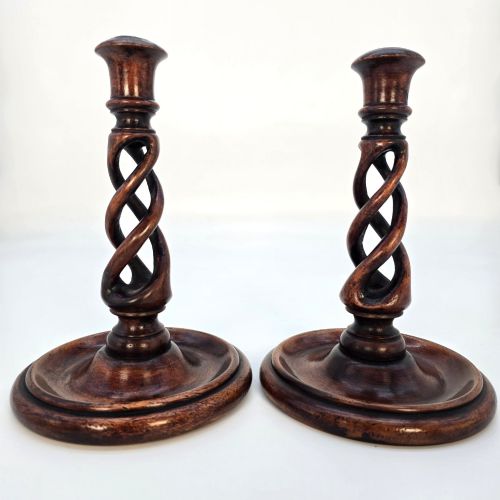
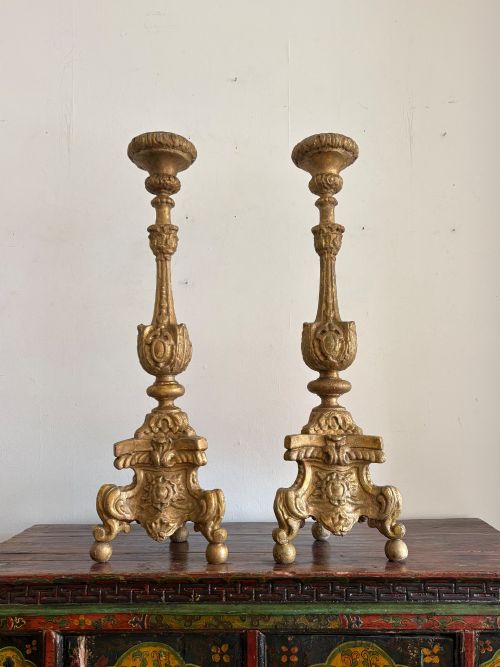
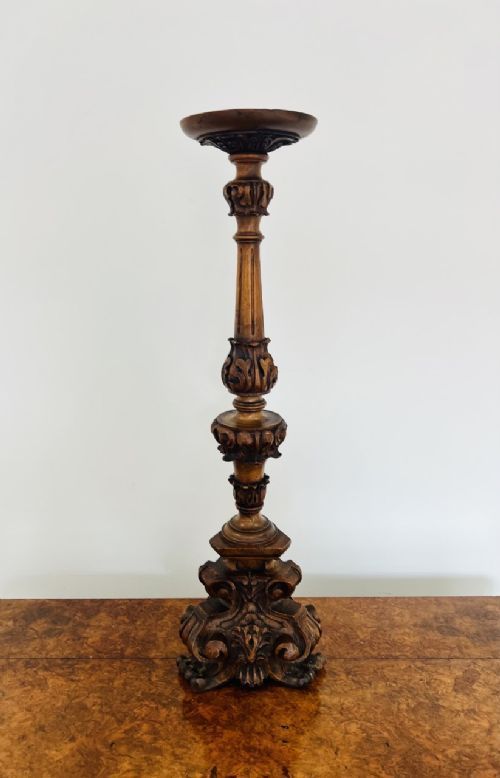
The selection on this page relies heavily on 18th-century and 19th-century examples, alongside early 20th-century revivals. You will frequently find matched pairs utilising traditional forms such as barley twists, open columns, and figural carvings.
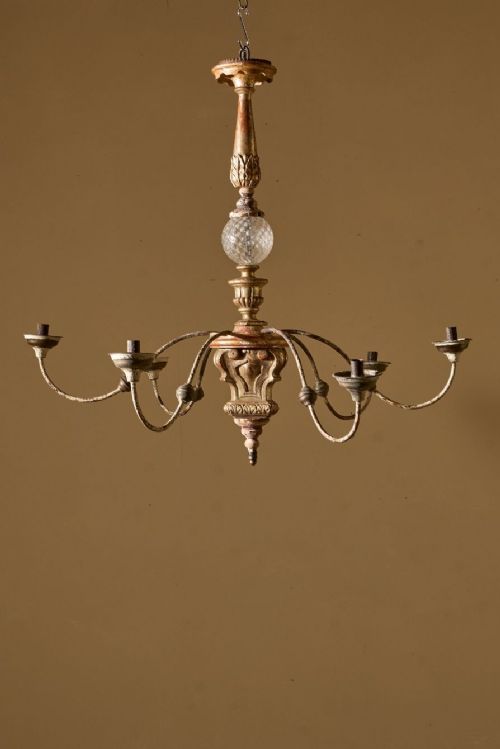
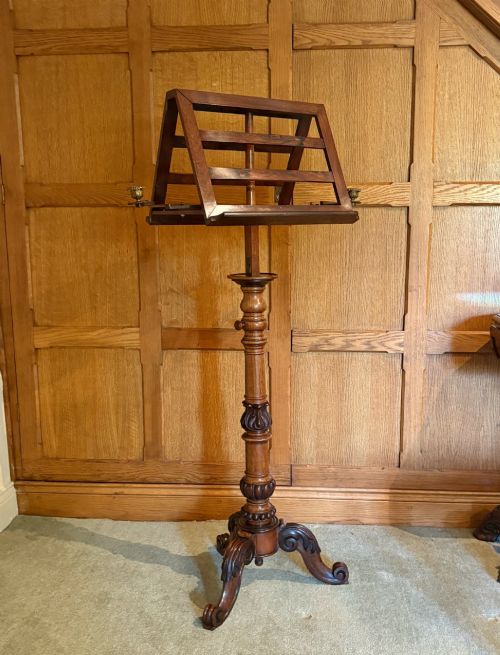
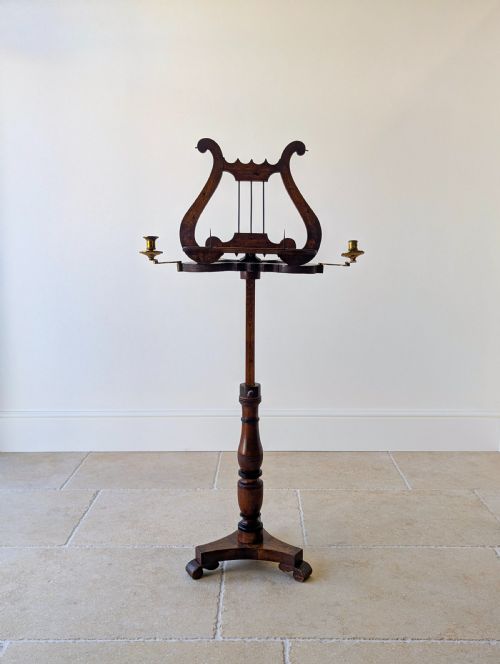
Beyond standard candlesticks, the evidence includes specialised lighting stands, girandoles, and chandeliers made from various timbers. Each piece reflects the interior lighting needs of its period, transitioning from functional church and home illumination to decorative display.
How they were made
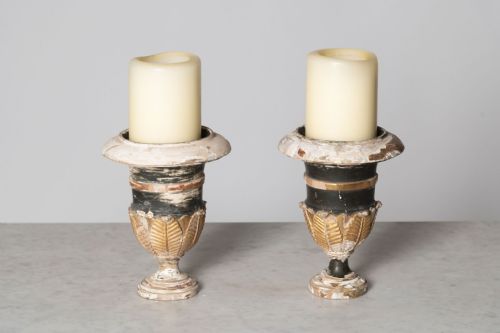
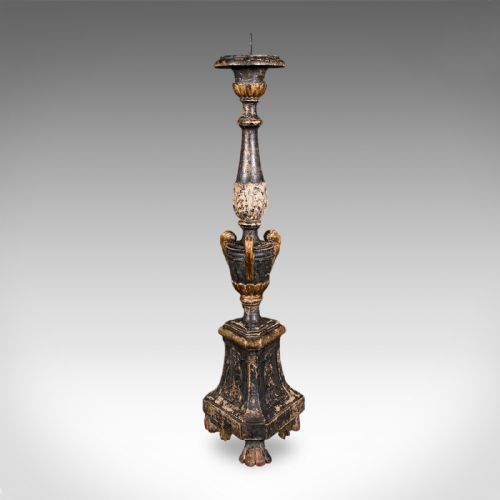
Woodcarving forms the primary construction method, utilising dense hardwoods like oak, mahogany, fruitwood, and walnut, alongside softer pines. Artisans shaped these timbers by hand, sometimes applying gesso layers to create smooth surfaces for subsequent gilding.
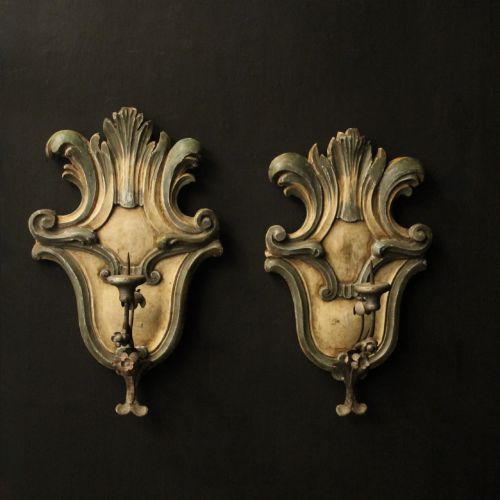
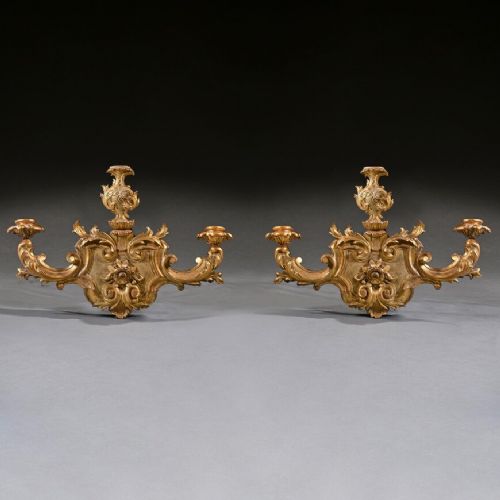
Many items incorporate contrasting materials such as brass sconce pans, iron prickets, or mirrored glass backplates to reflect candlelight effectively. Giltwood and silvered finishes often employ gold or silver leaf applied over gessoed wooden bases.
Turning on a lathe produced symmetrical elements like barley twist columns and rounded socle bases, while sculptural pieces demanded meticulous hand chiselling. Folk art examples demonstrate simpler, direct carving techniques executed with basic workshop tools.
A charming pair of folk art sticks depicts poachers carrying game, proving that antique illumination could possess a distinct sense of humour.
What varies in quality
The depth and crispness of the carving distinguish finer examples from mass-produced or later reproduction items. Skilled hand-chiseled detailing in drapery, foliage, or figural elements reveals the hand of a proficient artisan.
Choice of timber and surface finish dictate overall integrity, with dense fruitwoods and properly applied gold leaf retaining their character far better over time. Original patination on untreated oak or mahogany demonstrates genuine age and handling.
Proportion and structural balance affect desirability, particularly in taller torcheres and altar sticks where weight distribution matters. Well-balanced forms with original brass hardware command greater appreciation among collectors.
Gillows
The Carved Wood Candle Holders Glossary
- Pricket
- A sharp metal spike on a candlestick designed to impale a candle base. This form is common in ecclesiastical and altar lighting.
- Torchere
- A tall ornamental stand or candlestick designed to hold a light source high above the floor. These pieces often feature elaborate carved columns.
- Giltwood
- Wood that has been coated with gold leaf or gold paint over a prepared gesso surface. This finish appears frequently on Baroque and revival wall sconces.
- Barley Twist
- A helical or spiral carving resembling a twist of barley sugar. This decorative turning style is popular on oak and walnut candlesticks.
- Treen
- Small domestic wooden objects made by turning or carving. These items display the natural grain and age of the timber.
Carved Wood Candle Holders: Frequently Asked Questions
How do I date an antique wooden candlestick?
Dating relies on examining tool marks, timber species, and stylistic indicators such as turning patterns and base construction. Hand-cut joinery and period-specific finishes like early gesso or period waxes help determine the era.
Secondary clues include the presence of original brass bobeches or iron prickets. Comparing the wear patterns to documented examples from the same century confirms authenticity.
Are these antique candle holders safe to use with real candles?
Most antique holders accommodate standard taper candles, though timber and gesso require careful protection from dripping hot wax. Using snug-fitting candles prevents tilting and protects original wooden sockets from heat damage.
Extinguishing candles before they burn down to the wood preserves the antique material. Many collectors prefer LED alternatives for display purposes.
Where were wooden wall sconces typically placed in historic homes?
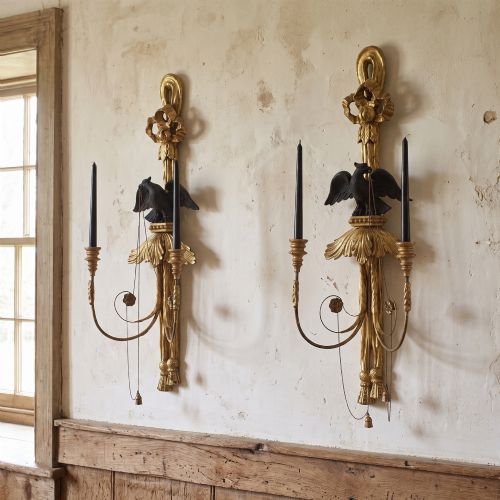
Wall sconces hung in principal rooms such as dining parlours and hallways to maximise the reflection of candlelight. Placing them near mirrors or polished wood surfaces helped amplify the ambient glow.
Pairs often flanked doorways, fireplaces, or important portraits. This symmetrical placement created balanced lighting schemes in grand interiors.