
Turned Wooden Candle Stands
Turned wooden candle stands are traditional supports crafted to elevate a single light source, bringing warmth and practicality to period interiors.
Turned Wooden Candle Stands
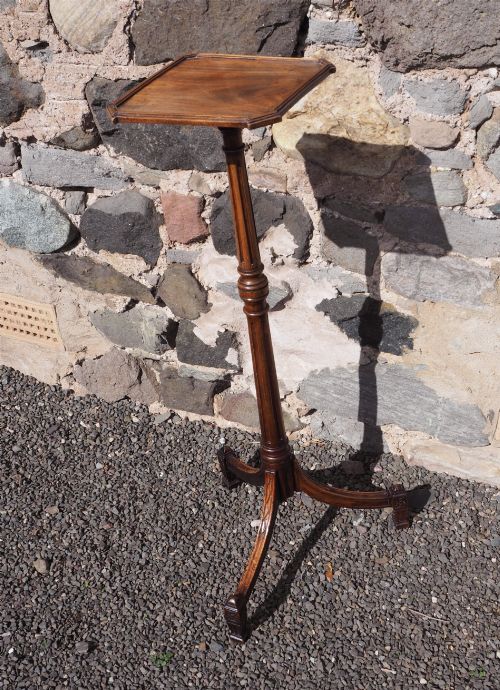
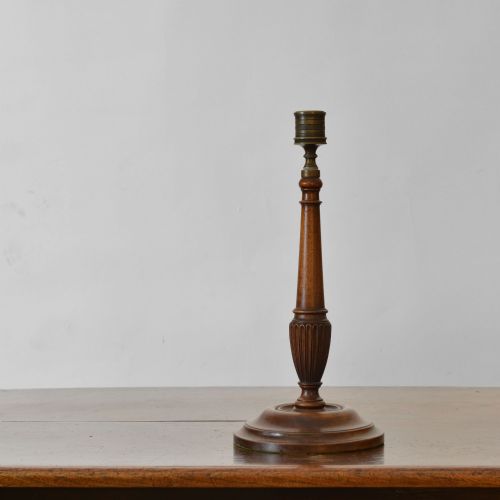
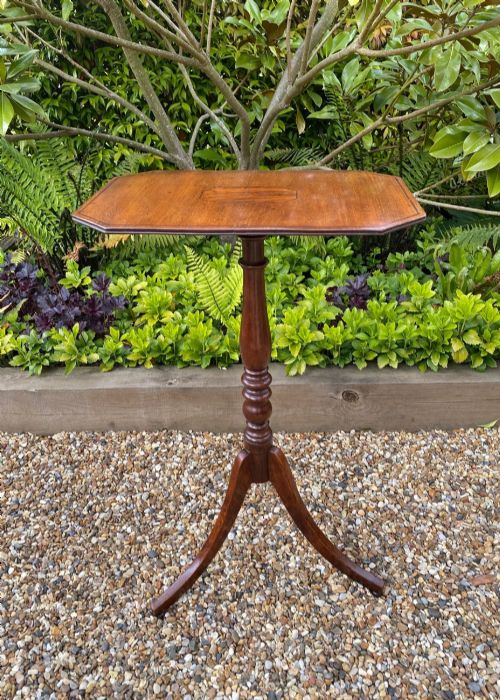
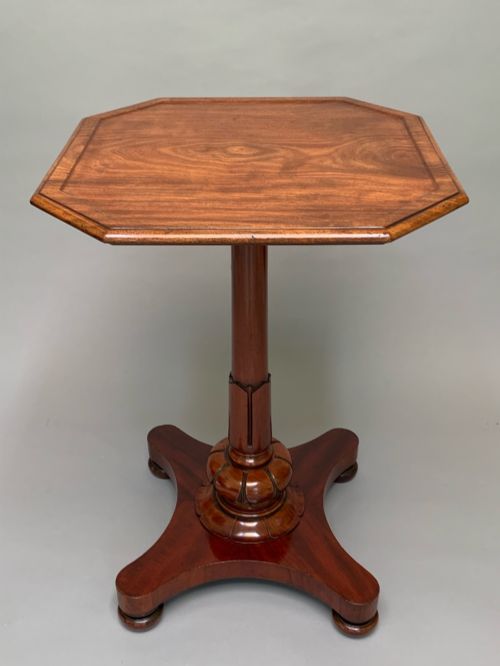
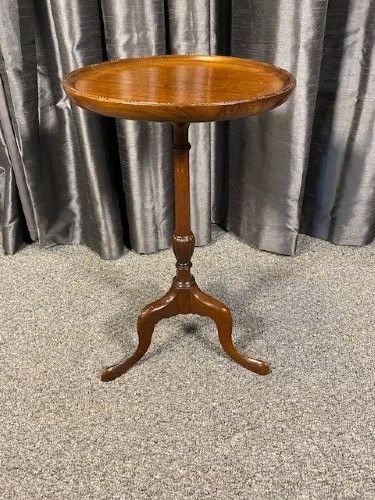
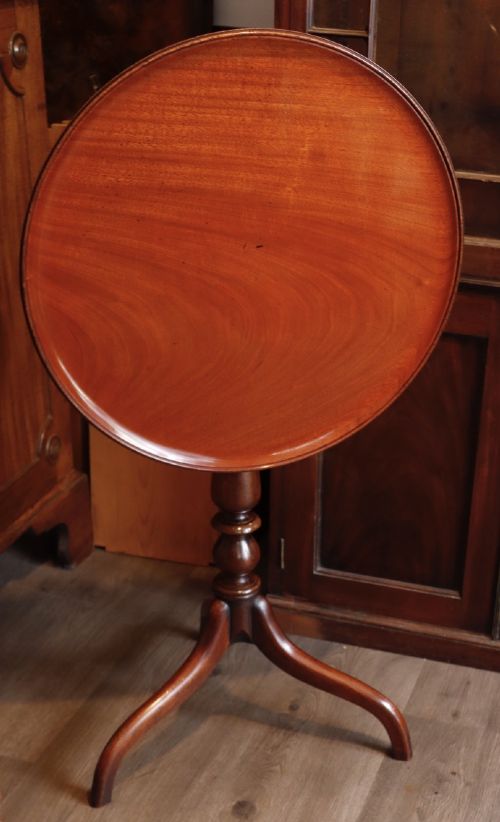
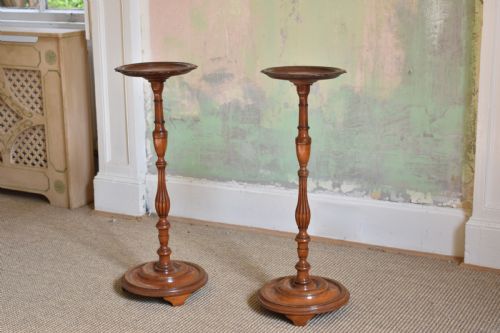
Turned wooden candle stands encompass both small table-height supports and slender floor-standing torcheres designed for domestic illumination. When searching for turned wooden candle stands, buyers encounter items dating from the eighteenth century through to the Edwardian era, spanning Georgian, Regency and Victorian stylistic periods.
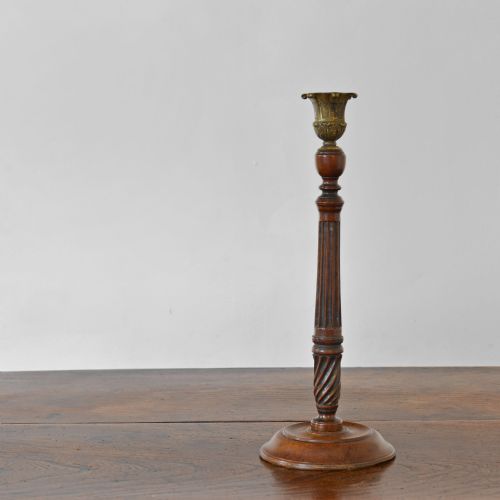
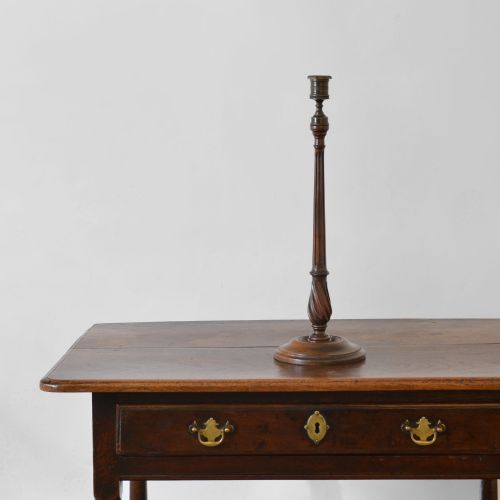
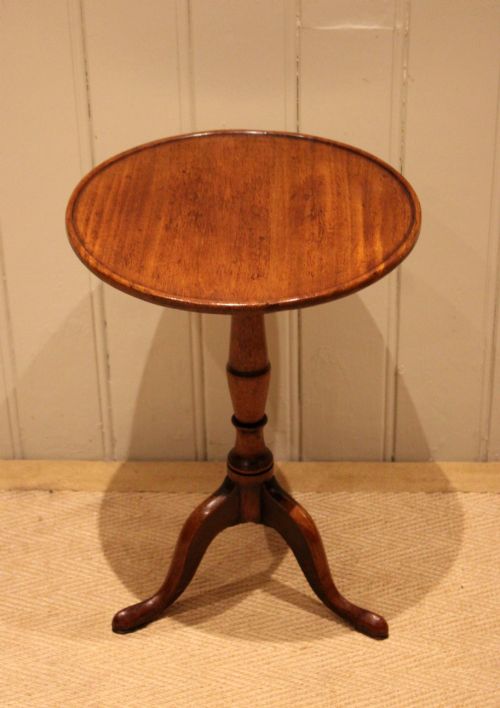
The surviving examples range from compact table-top treen candlesticks and open twist designs to taller tripod wine tables and plant stands adapted for lighting. Mahogany and oak dominate the offerings, frequently joined by walnut, cherry wood, fruitwood, beech and rosewood across various regional workshops.
How They Were Made
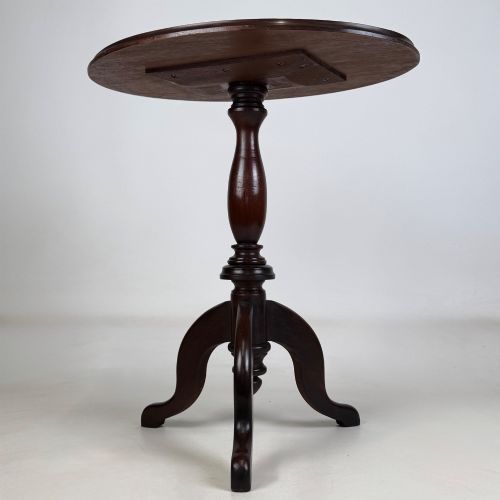
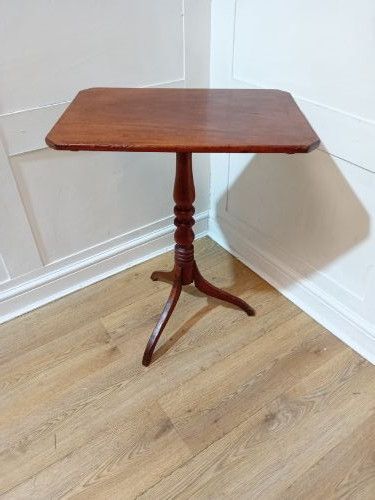
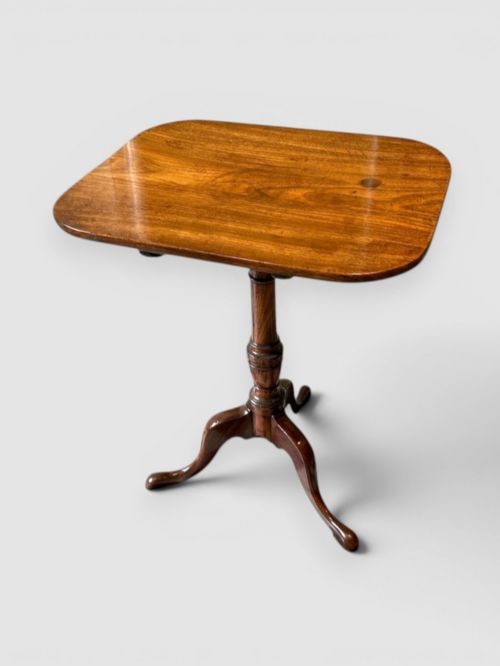
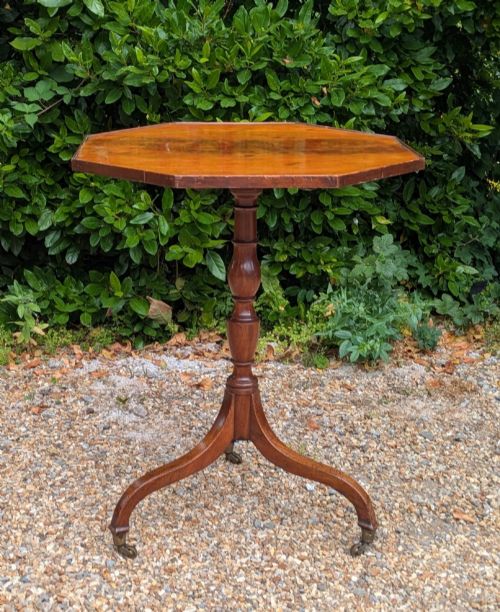
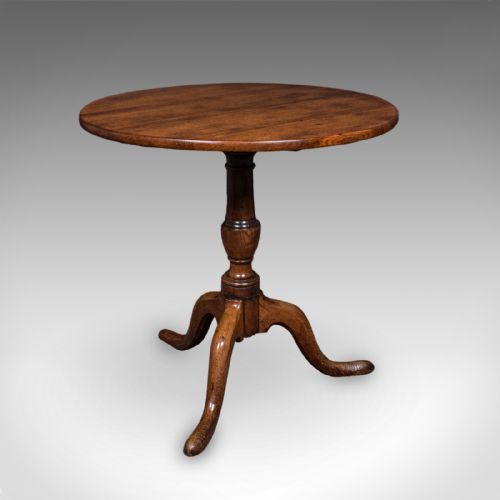
Cabinet makers utilised a lathe to turn solid hardwoods such as mahogany, oak and walnut into symmetrical shafts, stems and pedestals. Many taller examples incorporate tilting top mechanisms, tripod bases and brass fittings to secure the central column.
Surface decoration relies on natural timber grain, occasional wood inlay, and carved details like barley twist or open twist turning. Timber selection dictated the weight and balance of each stand, particularly on slender three-legged tripod bases.
Some tiny treen taper sticks stand barely taller than a teacup, proving that Georgian lighting could be delightfully miniature.
What Varies in Quality
Quality rests in the precision of the turning and the choice of timber, where tightly figured mahogany or richly patinated oak denote superior workshop output. The stability of the tripod base and the seamless integration of tilt-top mechanisms distinguish finer pieces from simpler utility items.
Proportion and execution of detail, such as crisp twist carvings or well-fitted joints, separate standard domestic furnishings from exceptional decorative examples produced by skilled cabinet makers.
The Turned Wooden Candle Stands Glossary
- Torchere
- A tall, slender stand designed to elevate a lamp or candle above floor level. These pieces often feature carved or turned wooden columns supported by tripod feet.
- Tilt top
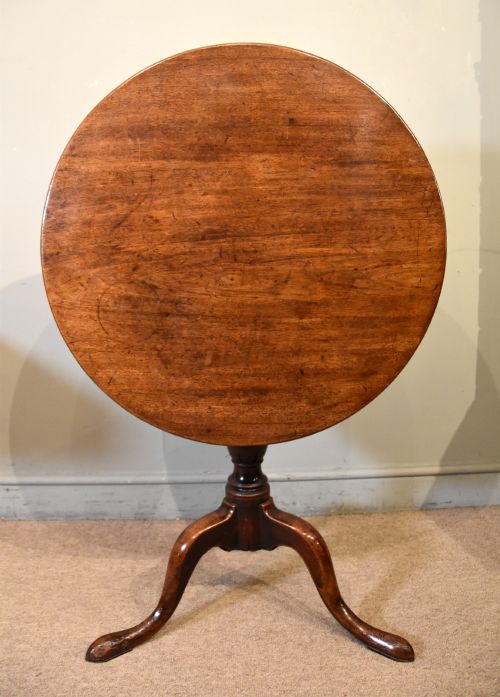
- A tabletop mechanism allowing the surface to pivot to a vertical position when not in use. This clever design saved valuable floor space in period rooms.
- Treen
- Small handmade wooden objects for the home, ranging from kitchenware to decorative candlesticks. These items display the natural grain and traditional turning techniques of early woodworkers.
- Tripod base
- A three-legged support structure commonly found on occasional tables and candle stands. This configuration ensured stability on uneven historical floors.
Turned Wooden Candle Stands: Frequently Asked Questions
What is a torchere stand?
A torchere is a tall, elevated stand originally designed to hold a light source or candle high in a room. These slender structures bring height and vertical interest to corners and empty wall spaces.
Today, they function equally well supporting small plants or sculptural objects while retaining their traditional silhouette.
How do I style a candle stand?
These compact stands work effectively beside armchairs, in narrow hallways, or as freestanding accents in living spaces. Their modest footprint allows them to fit easily into tight architectural spaces.
Pairing a period wooden stand with traditional brass accessories highlights the natural warmth and grain of the timber.
What woods were used for stands?
Cabinet makers predominantly utilised dense hardwoods including mahogany, oak, walnut and fruitwood. These timbers provided the structural strength required for slender turned stems and supporting tripod legs.
Alternative materials like rosewood, satinwood and beech appear alongside brass mounts and inlay work on specific pieces.
Why do some stands tilt?
Tilt-top mechanisms allowed homeowners to pivot the tabletop flat against the central column when the furniture was not actively in use. This practical feature conserved valuable floor space in period domestic settings.
The hinged mechanism relies on a delicate balance between the tabletop and the underlying wooden catch.