
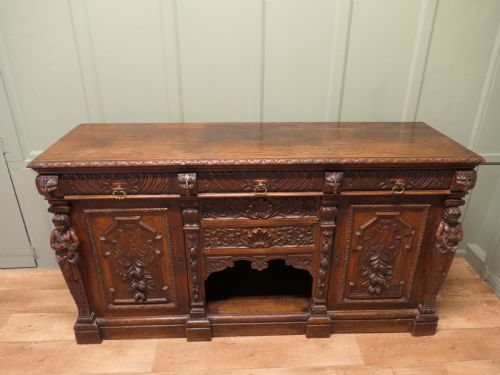
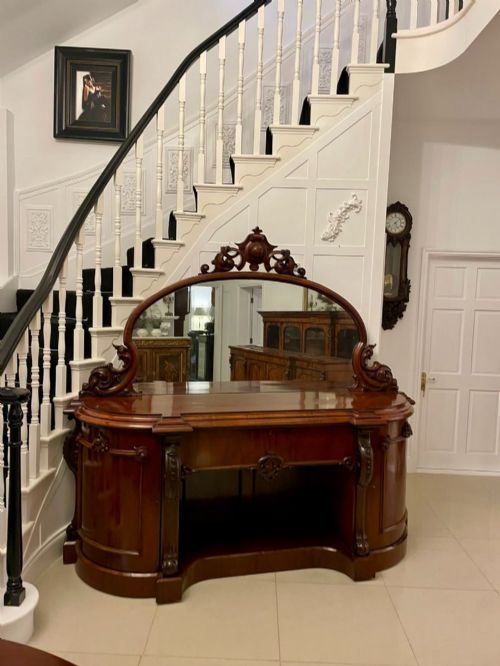
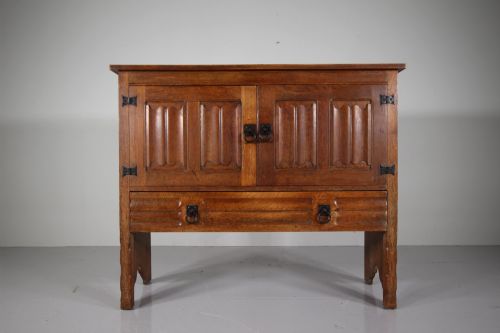
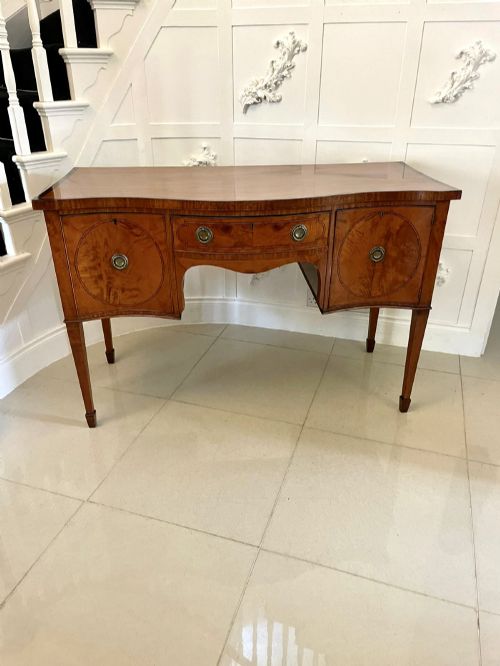
Carved Victorian Credenza Buffet
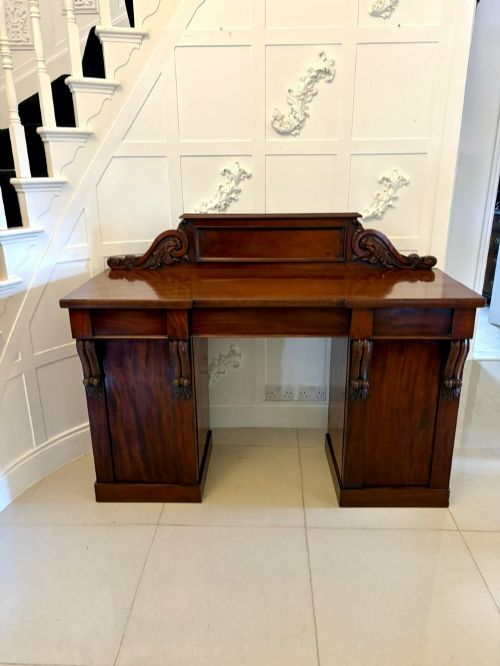
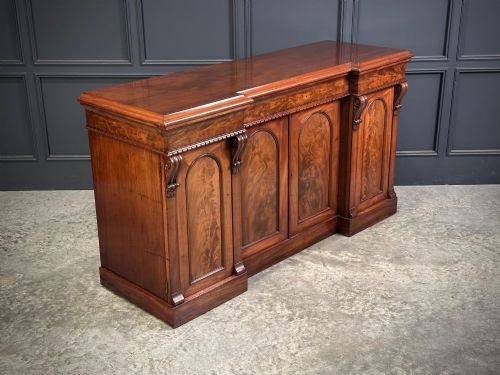
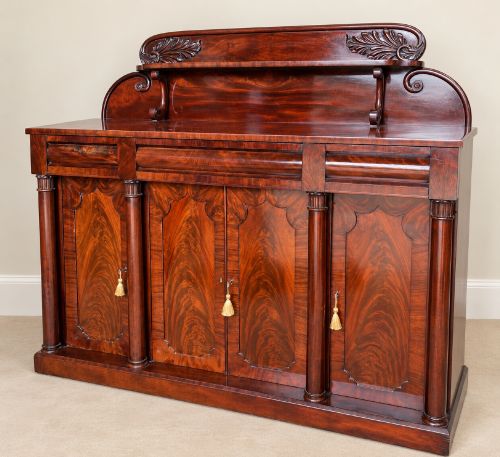
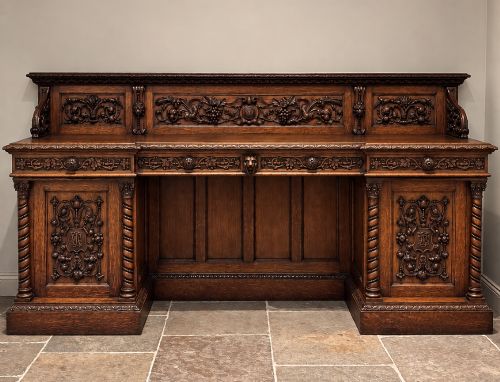
When you seek a carved victorian credenza buffet, you find substantial timber furniture designed to anchor a formal dining room or hall.
Carved Victorian Credenza Buffet
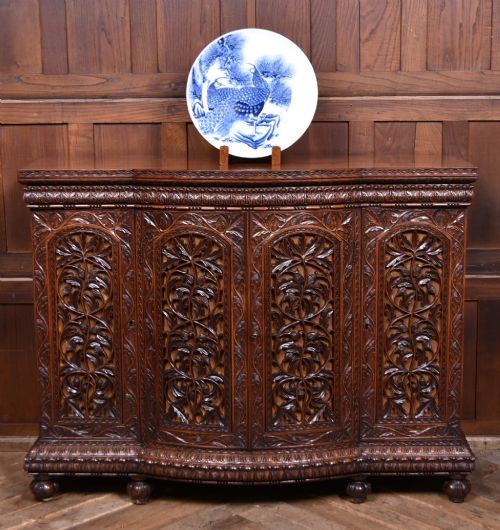
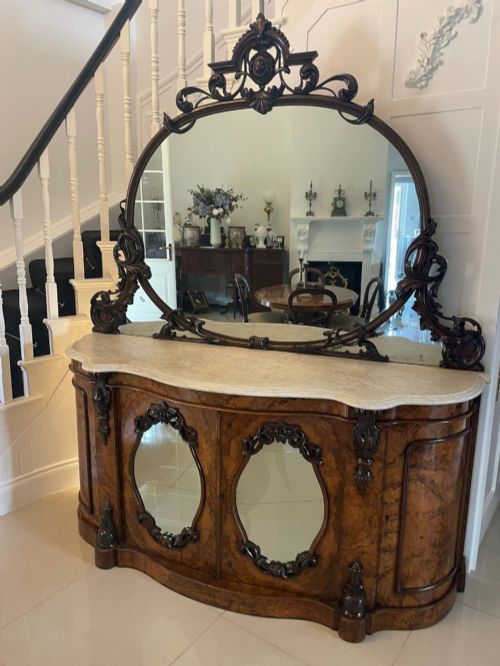
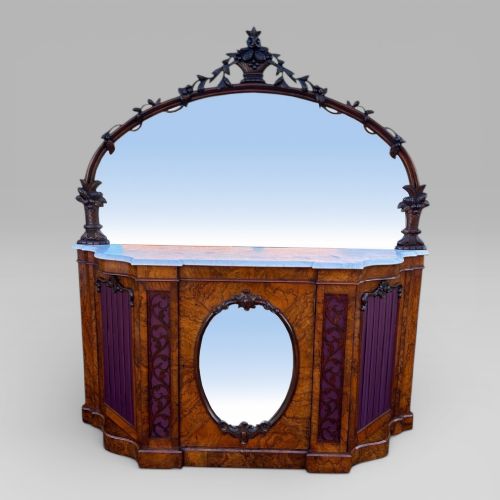
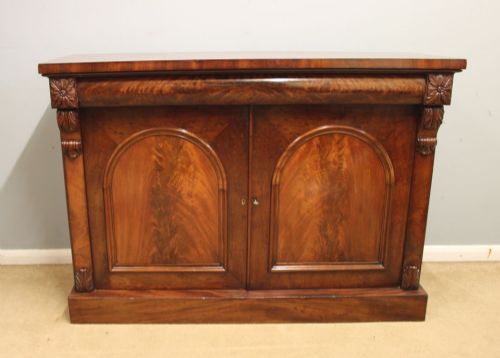
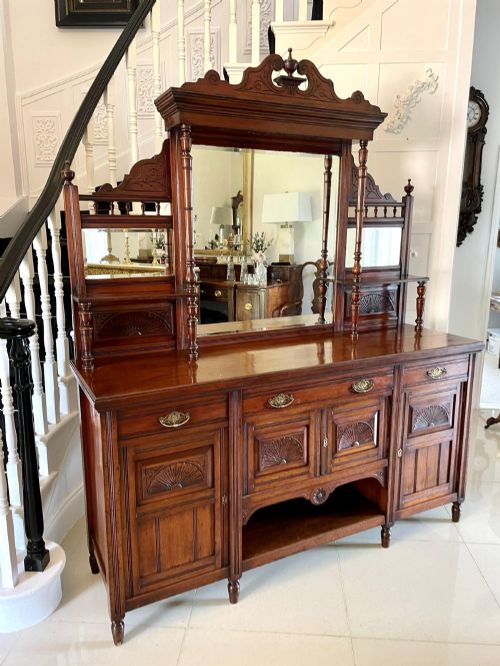
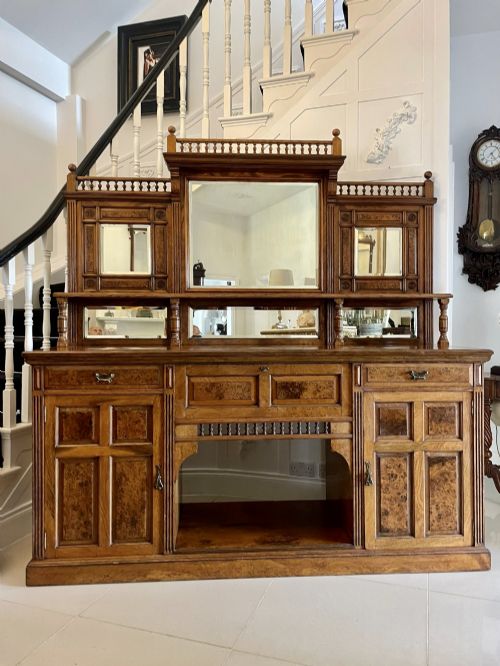
A carved victorian credenza buffet brings together the functions of storage and display, appearing across the 19th century in varied formats from mirror-backed sideboards to compact chiffoniers and open-topped dressers. These large domestic items served dining rooms and halls during the Victorian period, providing space for glassware, crockery and serving dishes within fitted cupboards and drawers.
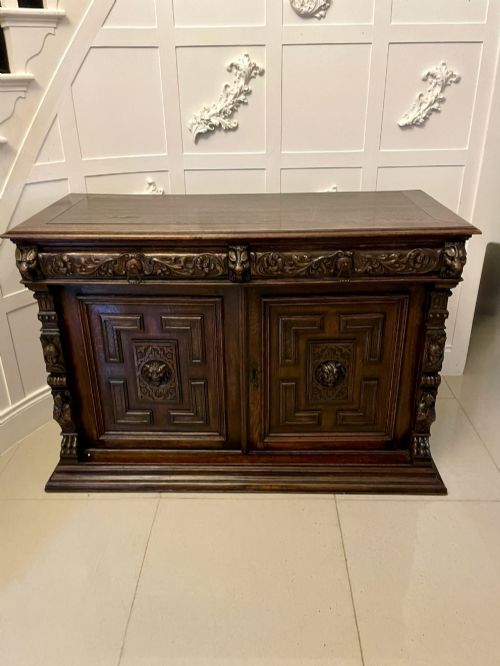
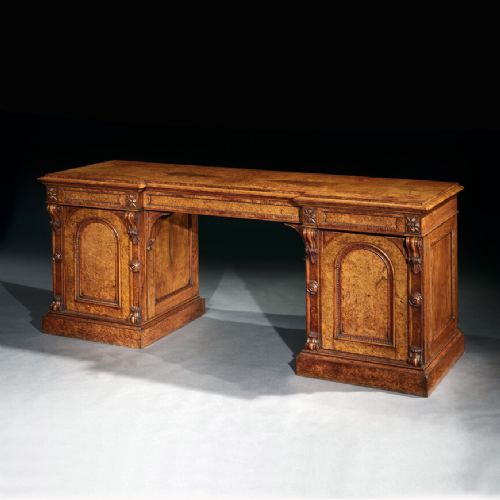
The selections available run from heavy, richly decorated Gothic Revival and Renaissance Revival oak pieces to smoother mahogany, walnut and burr walnut designs with serpentine fronts. Many incorporate mirrored backs, marble tops, or raised shelves, reflecting the diverse revivalist tastes and skilled cabinet-making of the Victorian era.
How they were made
Cabinet-makers constructed these pieces using dense hardwoods including oak, mahogany, walnut, pollard oak and rosewood, often pairing solid frames with figured veneers like burr walnut and flame mahogany. Glass, brass hardware and marble tops appear frequently, adding weight and reflective surface contrast to the timber structures.
Decoration relies heavily on hand carving, seen in geometric mouldings, strapwork, and revivalist motifs, alongside shaped door panels, serpentine fronts and integrated mirror backs. Joinery techniques from the period ensured stability across large forms such as four-door sideboards and tall mirror-backed credenzas.
Several heavy oak sideboards include concealed cellaret drawers designed specifically to keep Victorian wine bottles cool near the dining table.
What varies in quality
The standard of a piece depends on the depth and crispness of the hand carving, the choice of timber figurations such as burr walnut or flame mahogany, and the harmony of the overall proportions. Finer examples display carefully matched veneers and robust structural joinery that maintains integrity across heavy timber bodies.
Secondary elements also signal grade, including the quality of integrated glass plates in mirror backs, the thickness of inset marble tops, and the precision of brass handles and hinges. Pieces created for exhibition or by notable makers demonstrate superior attention to detail in their secondary timbers and internal fittings.
The Carved Victorian Credenza Buffet Glossary
- Credenza
- A low cabinet or sideboard designed for storage and display, frequently incorporating mirrored superstructures or marble tops in Victorian iterations.
- Chiffonier
- A compact sideboard or low cupboard originating in the 19th century, often fitted with a raised shelf or small mirror at the back.
- Burr walnut
- A highly figured timber taken from the gnarled growth of a walnut tree, prized for its complex swirling grain patterns on cabinet fronts.
- Renaissance Revival
- A 19th-century design movement drawing inspiration from classical architecture and 16th-century Italian and French motifs, expressed through heavy carved ornamentation.
- Serpentine
- A furniture front characterised by a gentle convex centre flanked by concave curves, creating a flowing wave-like shape.
Carved Victorian Credenza Buffet: Frequently Asked Questions
How were these sideboards used?
These pieces functioned primarily in Victorian dining rooms as service stations for meals and secure storage for heavy silver, linen and glassware. The top surface held serving dishes during dinner parties while cupboards and drawers kept tableware close to hand.
In grander interiors, the mirror-backed versions additionally served to reflect candlelight and brighten dark panelled rooms, doubling as display surfaces for decorative ceramics and ornaments.
Where should I place a credenza buffet?
A credenza buffet suits large living spaces, open-plan dining areas, or wide hallways where its substantial depth and length can be accommodated properly. Because many examples feature tall mirror backs or raised shelves, measuring ceiling clearance is essential before positioning one against a wall.
Positioning them away from direct heat sources and strong sunlight protects the antique timber and sensitive wood veneers from drying out or splitting over time.
How do I identify Gothic Revival pieces?
Gothic Revival items display architectural motifs drawn from medieval buildings, including pointed arches, trefoils, heavy linenfold panelling, and deep, geometric mouldings. The timber used is almost exclusively dark oak, lending the furniture a solemn and imposing character.
These designs often feature narrow proportions and sturdy upright forms that distinguish them from the softer curves and lighter timbers of the Rococo or Renaissance styles.
What is pollard oak?
Pollard oak is timber harvested from trees that were cut back near the main trunk to encourage a dense network of branches, producing a distinctive, tightly swirled grain pattern. Cabinet-makers utilised these unique burrs and clusters of knots as decorative veneers on principal surfaces.
Furniture featuring pollard oak dates largely to the 19th century and carries a speckled, highly textured appearance that sets it apart from straight-grained oak.