


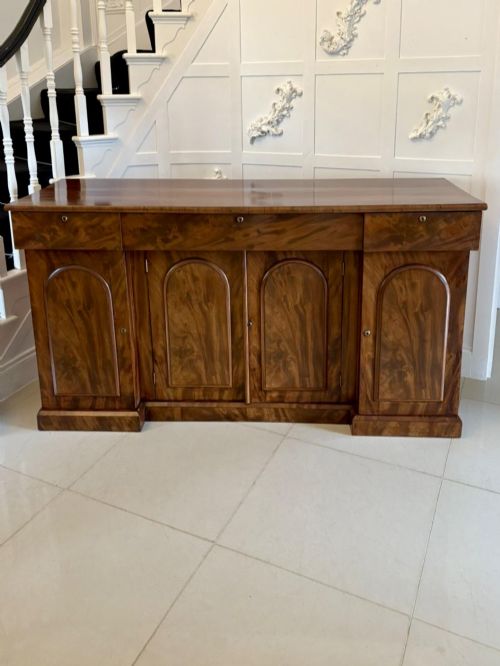
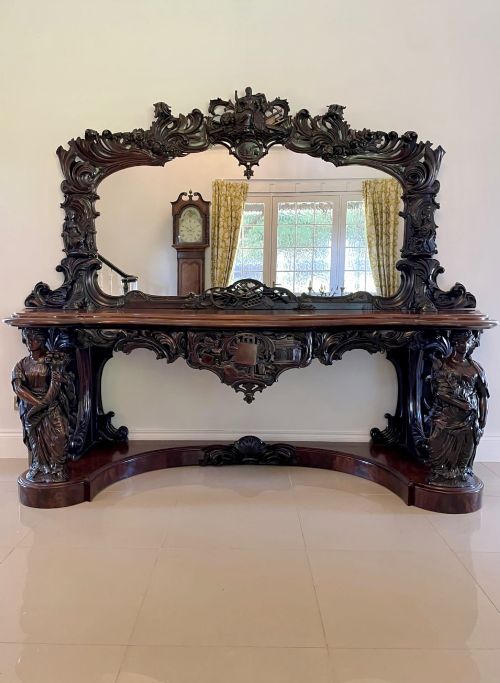
Victorian Wooden Credenza
A victorian wooden credenza brings substantial architectural presence and rich timber grain to a room, offering both display space and deep storage.
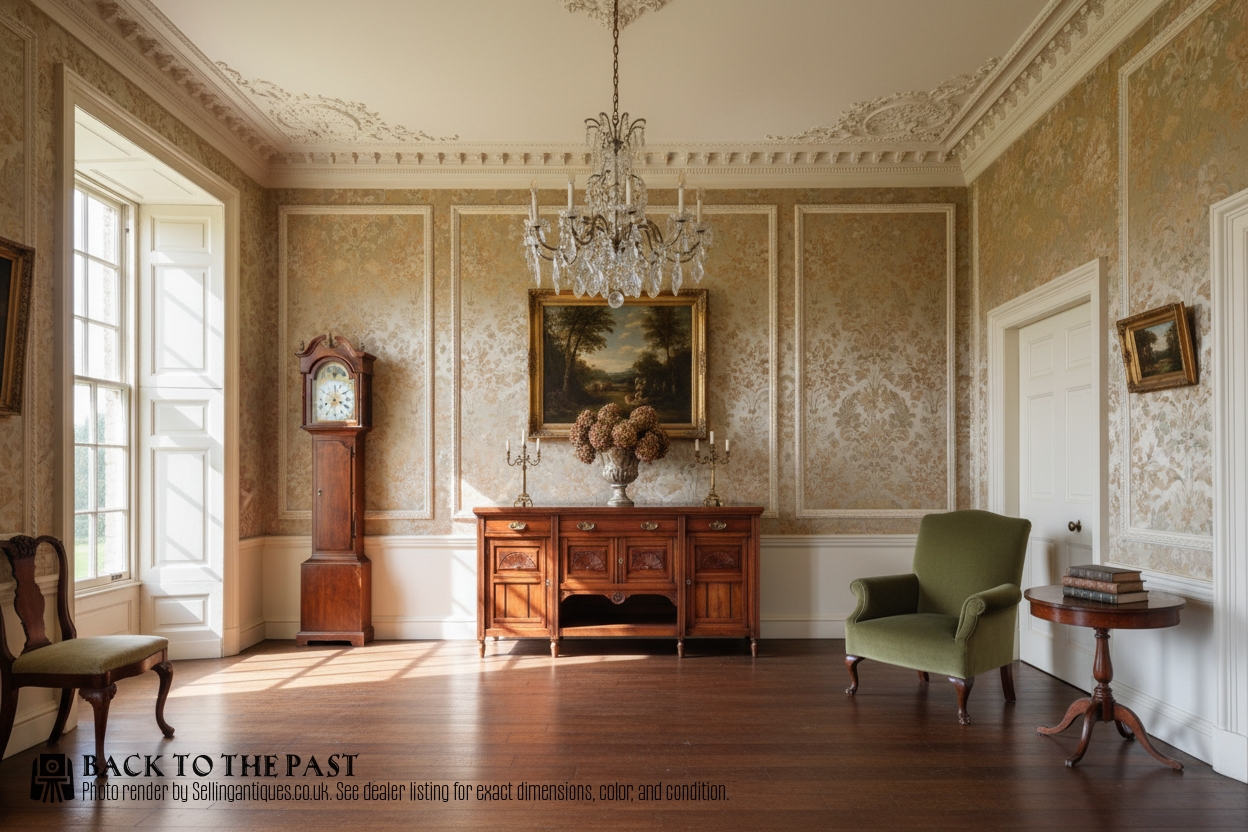
Victorian Wooden Credenza
A victorian wooden credenza sits within a broad family of nineteenth-century low storage furniture that includes sideboards, chiffoniers, and cabinets. The pieces catalogued here span from the early decades of the Victorian era through to the close of the nineteenth century, encompassing regional workshop output alongside grander salon pieces.
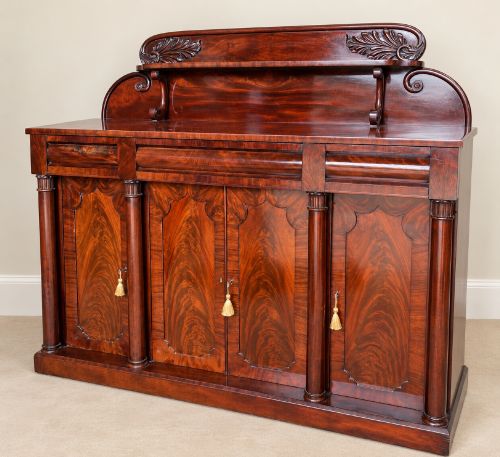
Buyers encountering this search phrase find themselves looking at low-profile cabinetry designed for formal reception rooms and dining spaces, frequently featuring central cupboard doors flanked by curved or straight side compartments. While the term credenza specifically denotes a low cabinet with or without glass doors, the category intersects closely with sideboards and chiffoniers sharing similar dimensions and proportions.
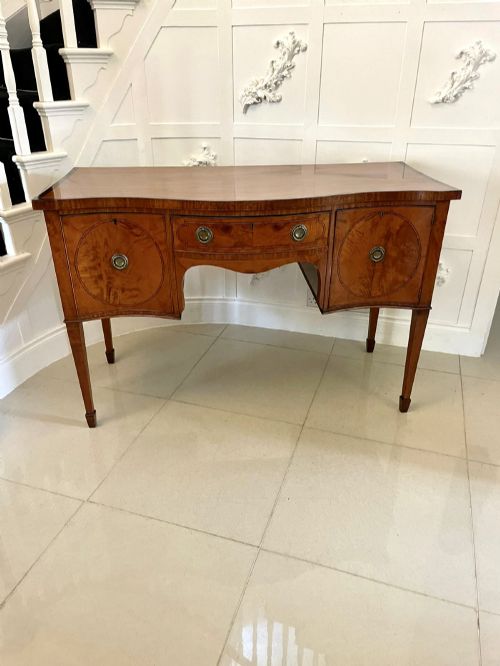
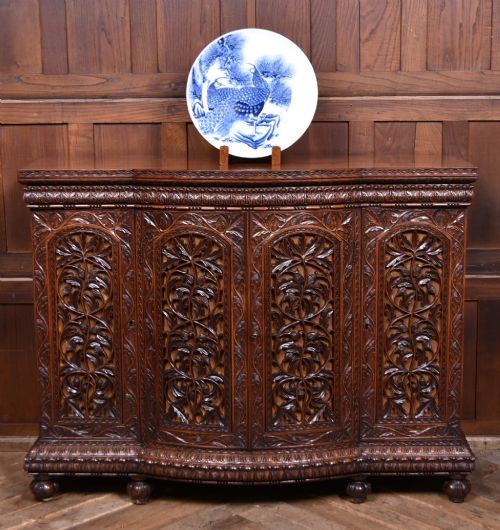
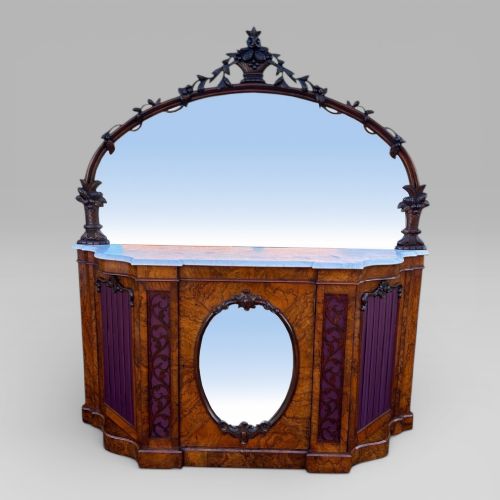
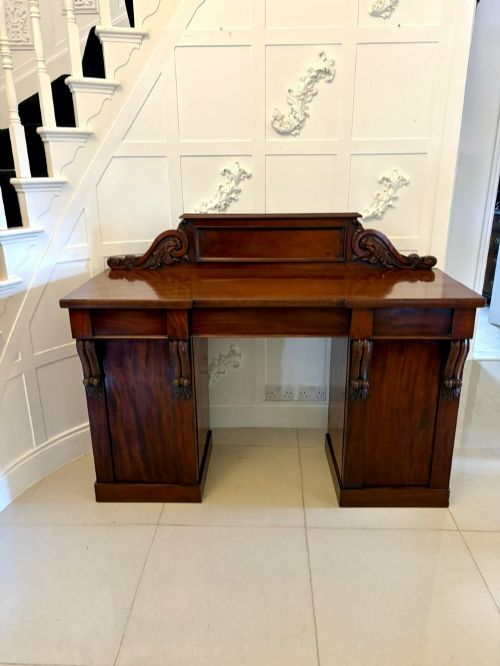
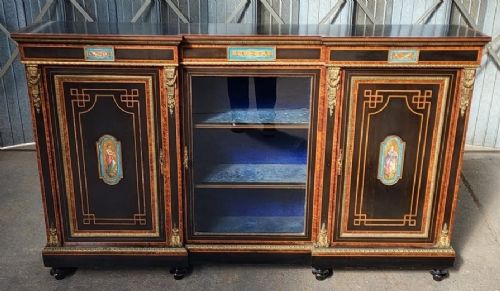
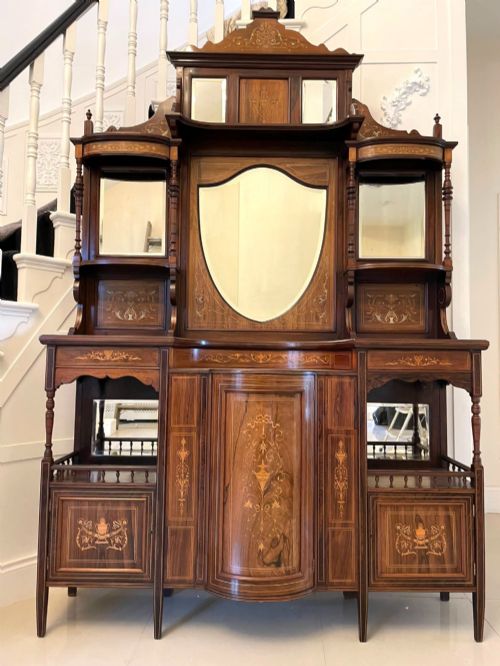
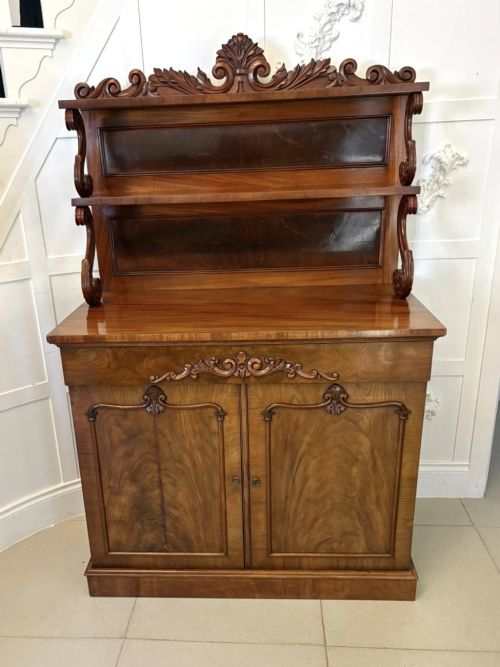
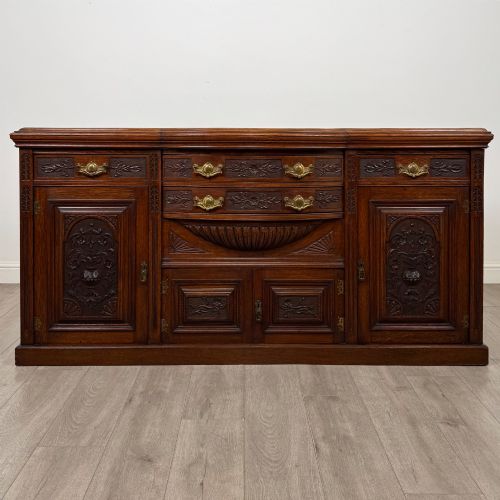
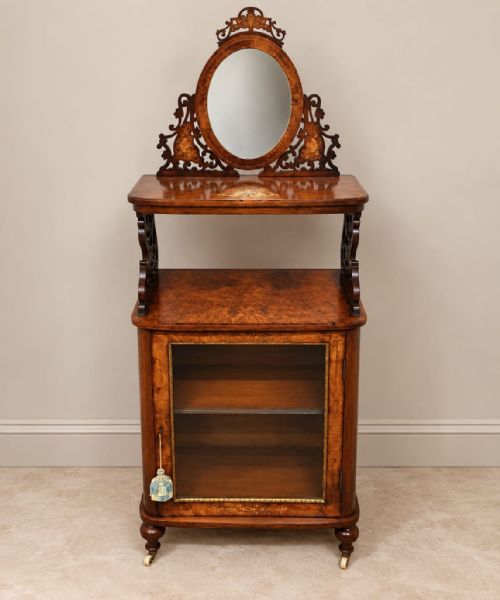
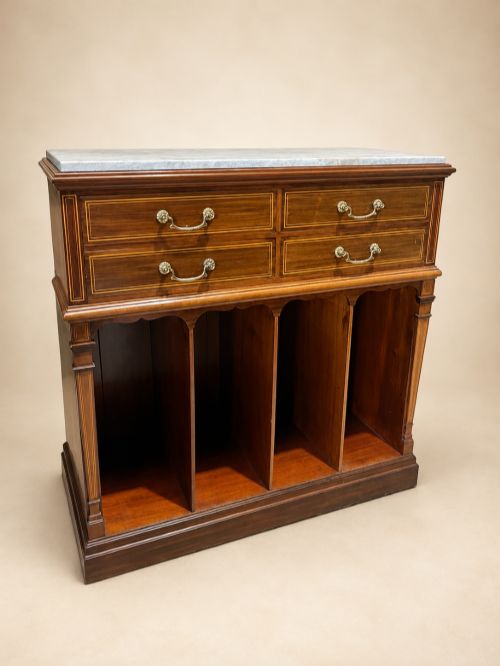
The physical evidence on this page demonstrates that walnut, mahogany, and burr walnut dominate the construction, often enhanced by marquetry inlay, marble tops, or mirror backs. Pieces range from straightforward pine kitchen dresser bases to highly decorative ebonised and ormolu-mounted cabinets intended for formal display.
Materials and construction methods
Cabinet makers of the period utilised dense tropical hardwoods such as mahogany, rosewood, and padouk, alongside native timbers including oak, walnut, and pine. Veneers of burr walnut, satinwood, and gonçalo Alves were carefully applied to primary structural carcasses to create striking figured grain patterns across large flat surfaces.
Structural embellishments relied heavily on manual dexterity, incorporating hand-carved scrolling foliage, applied brass ormolu mounts, and intricate marquetry in contrasting woods. Interiors typically employed secondary timbers such as deal or pine for drawer linings and shelving, joined with traditional dovetailing and pegged framing techniques.
Victorian Wooden Credenza Retail Price Guide 2026
Typical asking prices for victorian wooden credenza among the pieces listed under this phrase on Sellingantiques today, from the lower quarter to the upper quarter. They describe what is for sale here now, not the wider market.
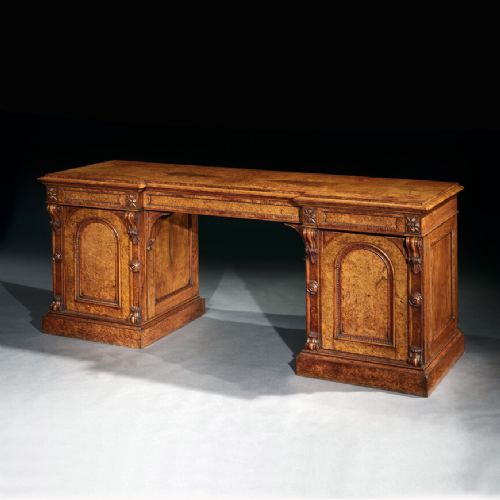
Object forms include dog kennel dressers, chiffoniers, console tables, and multi-door salon cabinets alongside standard credenzas.
Measures of quality and execution
The distinction between standard commercial output and exhibition quality lies in the selection of the timber veneers and the depth of the carving. Superior examples display symmetrical figuring across the entire frontage, whereas lesser pieces utilise plainer timber or rely on painted decoration to conceal inconsistent grain.
Joinery execution dictates longevity and structural integrity, visible in the tightness of the drawer dovetails and the alignment of heavy doors over time. Finer pieces incorporate secondary decorative elements such as original bevelled mirror glass, intact marble slabs, and fire-gilded ormolu mounts rather than later cast metal replacements.
Edward Holmes Baldock
The Victorian Wooden Credenza Glossary
- Credenza
- A low dining or drawing room cabinet, typically enclosed by doors and lacking the high superstructure of a traditional sideboard. It evolved during the nineteenth century into a primary piece for displaying porcelain and silver.
- Chiffonier
- A compact sideboard featuring a low set of shelves or a small mirrored back above a two-door cabinet base. These pieces gained widespread popularity in nineteenth-century parlours for holding books and decorative objects.
- Marquetry
- The art of forming decorative patterns by fitting together thin slices of various coloured woods and other materials onto a structural surface. It appears frequently on high-status Victorian salon cabinets.
- Ormolu
- Gilded bronze mounts applied to furniture cabinetry for decorative accent during the nineteenth century. The technique involves treating metal with a mercury and gold amalgam before firing.
- Gonçalo Alves
- A dense, highly figured exotic timber native to South America, utilised by nineteenth-century cabinet makers for contrasting veneers and luxury furniture production.
Victorian Wooden Credenza: Frequently Asked Questions
What is a victorian wooden credenza used for?
These low cabinets served primarily in Victorian dining rooms and drawing rooms to store table linen, silver, and glassware while providing a surface for serving food or displaying decorative objects.
Today, they function effectively in modern interiors as media consoles, hallway storage units, or dining room credenzas that combine practical cupboard space with strong aesthetic character.
How do I distinguish a credenza from a sideboard?
A credenza typically lacks the raised back panel and tall superstructure commonly found on traditional Victorian sideboards. It maintains a low, unified profile designed specifically for formal reception rooms rather than dining halls.
Sideboards often incorporate cutlery drawers and bottle compartments intended for heavy dining service, whereas credenzas focus on general display and enclosed shelving.
Which woods are most common?
Mahogany and walnut form the vast majority of surviving pieces, with burr walnut and rosewood reserved for more decorative or high-status drawing-room furniture. Oak and pine appear frequently in regional furniture and kitchen pieces.
Exotic timbers like padouk, satinwood, and gonçalo Alves also occur in specialised exhibition pieces and imported Anglo-Indian workshop items.
Can I place a marble top piece in a dining room?
Marble-topped cabinets offer a durable, heat-resistant surface that originally suited the practical demands of serving food and displaying heavy ceramic dishes. They provide an easy-to-clean working surface for contemporary daily use.
Care should be taken to avoid exposing antique marble surfaces to acidic liquids or harsh chemical cleaners which can etch the polished stone.