
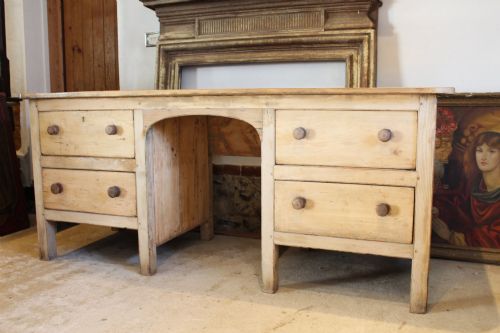


Antique Pedestal Dresser Base
These antique pedestal dresser base items are robust timber sideboards and desks offering generous storage, prized for anchoring a traditional room.
Antique Pedestal Dresser Base
An antique pedestal dresser base provides substantial timber storage beneath a long surface, serving various functional roles in a traditional home. These items appear primarily across Victorian and Edwardian periods, alongside a single piece from around eighteen hundred. Forms span sideboards, pedestal sideboards, desks, and kitchen islands, drawing from English country and Victorian Renaissance revival traditions.
The layout typically involves flanking cupboards or pedestals beneath a wide top, occasionally incorporating a dog kennel recess or side writing arrangements. Mahogany, oak, and pine dominate the construction, sometimes enriched with flame mahogany veneer or sycamore details. Such furniture suits dining rooms, hallways, and large kitchens where sturdy storage and surface space matter most.
How they were made
Joiners built these frames from solid timbers such as oak, mahogany, and pitch pine, applying flame mahogany veneer for decorative surface grain. Carved geometric elements and painted finishes appear on select examples, alongside contrasting sycamore details.
Hardware and functional additions include brass fittings and glass elements, while structural support relies on substantial pedestals. Carving and inlay work decorate the exterior surfaces of Victorian and Edwardian iterations.
Listings span the Victorian, Edwardian, and Georgian periods, utilising mahogany, pine, oak, brass, glass, and sycamore.
What varies in quality
Quality rests in the selection of primary timbers, such as figured flame mahogany veneer or well-figured oak, paired with secondary woods like pine. The execution of carved geometric details and inlaid elements determines the refinement of the piece.
Proportion and structural integrity distinguish utilitarian work from finer parlour pieces. The integration of pedestals and the crispness of applied mouldings separate standard production from superior examples.
The Antique Pedestal Dresser Base Glossary
- Pedestal
- A structural base support typically housing a cupboard or drawers beneath the main surface. This configuration defines the core layout of these sideboards.
- Veneer
- A thin layer of figured timber, such as flame mahogany, applied to a stable secondary wood surface. This technique creates decorative patterns across broad panels.
- Dog Kennel
- A central recessed opening positioned between flanking pedestals or cupboards in specific dresser designs. This distinctive layout originates in country house furniture.
- Inlay
- Contrasting timber or material fitted flush into the primary wood surface to create geometric or linear decoration. Edwardian examples often utilise this technique.
Antique Pedestal Dresser Base: Frequently Asked Questions
Where do people place a pedestal dresser base?
These large timber items suit dining rooms, grand hallways, and spacious country kitchens. They provide a wide surface for serving food or displaying objects alongside enclosed storage.
The substantial footprint requires adequate floor space to let the proportions breathe. Positioning them against a main wall allows the pedestals and top surface to function properly.
How do I care for mahogany and oak surfaces?
Regular dusting with a dry, soft cloth preserves the polished finish of mahogany and oak timber. Avoid placing them near direct heat sources or strong sunlight to protect the wood and veneer.
Applying traditional wax polish periodically nourishes the grain without building up heavy residue. Keep the surface dry to prevent water rings on the polish.
What is the difference between a sideboard and a dresser base?
A sideboard focuses on serving and storage within a dining or living space, featuring cupboards and drawers beneath a long top. A dresser base often incorporates similar pedestal cupboards but may connect to kitchen or utility uses.
Pedestal versions specifically divide the under-storage into two distinct side columns. This creates a balanced architectural facade across the front of the furniture.
How can I tell a Victorian piece from an Edwardian one?
Victorian examples frequently display heavier proportions, rich mahogany, carved geometric decoration, and robust pedestal cupboards. They lean towards formal presence and darker timber tones.
Edwardian pieces often feature lighter inlaid decoration on mahogany, showing a shift towards more refined domestic styling. Construction details and timber selection generally reflect the aesthetic preferences of each reign.