


Mahogany Pedestal Sideboard Cupboard
A mahogany pedestal sideboard cupboard offers substantial storage and formal presence, combining classical timber with robust cabinetry for dining rooms.
Mahogany Pedestal Sideboard Cupboard
When you search for a mahogany pedestal sideboard cupboard, you are looking at substantial case furniture designed for dining rooms, combining flanking pedestals or cabinets with a central serving surface.
The pieces listed here span the Georgian, Regency, George IV, and Victorian periods, with many examples originating from the nineteenth century alongside items dated around eighteen hundred.
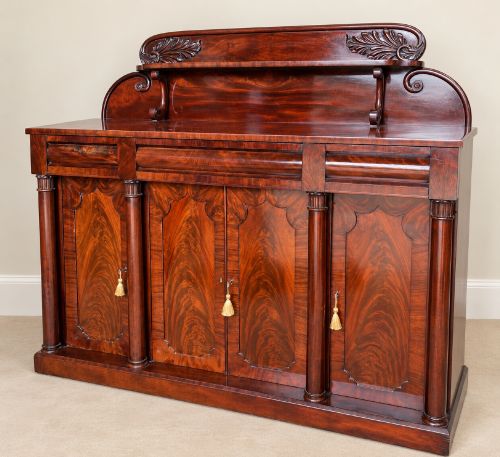
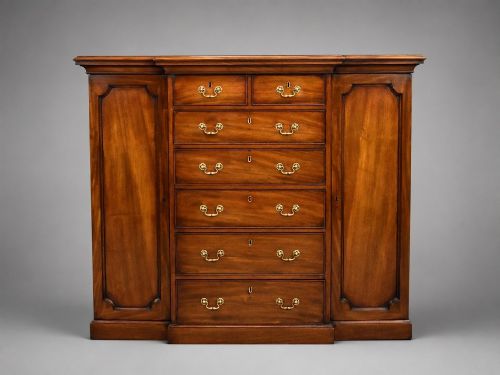
You are most likely to encounter Victorian and nineteenth-century variations featuring single or multiple doors, mirror backs, and distinctive pedestal cabinet arrangements alongside related chiffoniers and side cabinets.
Materials and construction methods
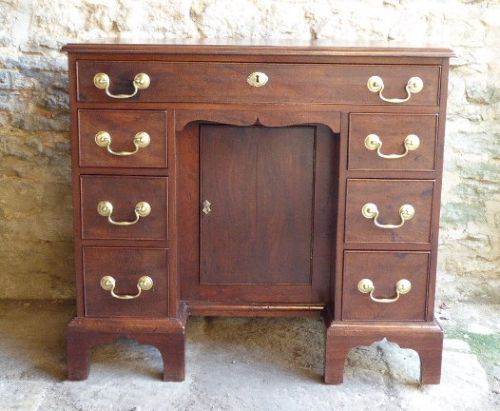
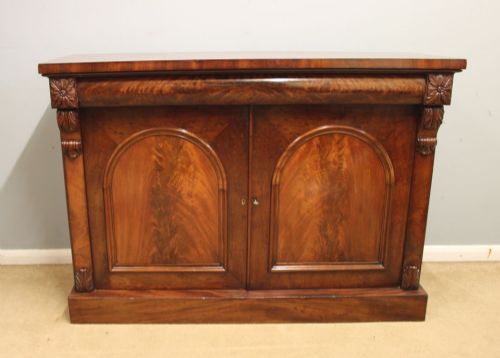
Cabinetmakers constructed these pieces primarily using solid mahogany and mahogany veneer, often enhanced by striking flame mahogany veneer on door panels and drawer fronts.
Internal framing and secondary timbers frequently incorporate oak, while structural hardware relies on brass fittings, and certain examples integrate glass or mirror elements within upper sections.
Listings span the Georgian, Regency, and Victorian periods, utilising solid mahogany, flame mahogany veneer, oak, brass, and mirror glass.
Judging the quality of construction
Superior examples separate themselves through the careful selection of timber figures, where rich flame veneer or dense solid mahogany is matched symmetrically across doors and drawers.
Refinement in proportion and detailing dictates the upper tier of pieces, distinguishing standard utility items from grander cabinetwork with architectural mouldings and high-grade brass hardware.
S Jamar
The Mahogany Pedestal Sideboard Cupboard Glossary
- Pedestal
- A structural pillar or column base supporting a cabinet or forming the end section of a larger sideboard assembly. These units often contain internal shelving or cupboard space.
- Chiffonier
- A low sideboard or cabinet featuring shelves or a mirror back, developed during the nineteenth century for display and storage. It shares many forms with related pedestal sideboards.
- Breakfront
- A piece of furniture where the central section projects forward from the flanking pedestals or cabinets. This architectural arrangement creates depth and shadow across the front elevation.
- Flame mahogany
- A veneer cut from the fork of the mahogany tree where branches meet the trunk, producing a distinctive flickering flame pattern. Cabinetmakers reserved this decorative timber for primary visual surfaces.
- George IV
- A design period spanning the early nineteenth century characterised by robust classical proportions and refined cabinet techniques. Pieces from this era often display heavy grain and restrained ornamentation.
Mahogany Pedestal Sideboard Cupboard: Frequently Asked Questions
What is a pedestal sideboard?
A pedestal sideboard is a large dining room cabinet featuring flanking end pillars or cupboards joined by a central serving counter. These pieces provide heavy storage capacity while anchoring the formal architecture of a room.
They evolved through the Georgian and Victorian eras to meet the demands of grand dining, housing plate, linen, and glassware behind heavy timber doors.
How do I date a mahogany cabinet?
Dating relies on examining construction methods, timber selection, and hardware styles across the piece. Georgian and Regency examples often show lighter proportions and linear brass inlays, whereas Victorian items frequently incorporate heavier mouldings and mirror backs.
Secondary woods like oak and the choice of solid mahogany versus veneer also guide the chronological placement of nineteenth-century furniture.
Where were sideboards placed?
These cabinets stood against the main dining room wall, serving as a staging surface for carving meat and pouring wine during formal meals. Their substantial footprint required dedicated space away from heavy foot traffic.
In modern interiors, they continue to function as statement storage pieces in dining rooms, large hallways, or spacious living areas.
What is flame mahogany?
Flame mahogany is a decorative wood veneer harvested from the junction where branches meet the main trunk of the tree. This specific cut creates a rolling, patterned grain that resembles flickering fire.
Cabinetmakers applied this prized veneer to prominent surfaces like drawer fronts and cabinet doors to catch the light and display visual depth.
Are these pieces solid wood?
Many listings combine solid mahogany framing with mahogany veneer applied over stable secondary timbers. Oak often appears in drawer linings and internal structural components.
This method of construction prevented warping in large panels while allowing craftsmen to showcase high-figured veneers on the exterior surfaces.