


Carved Storage Box
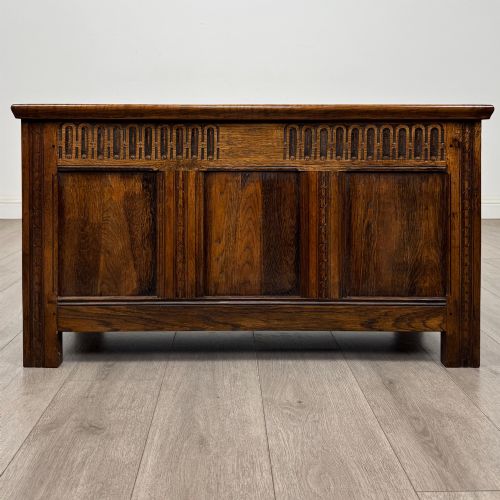
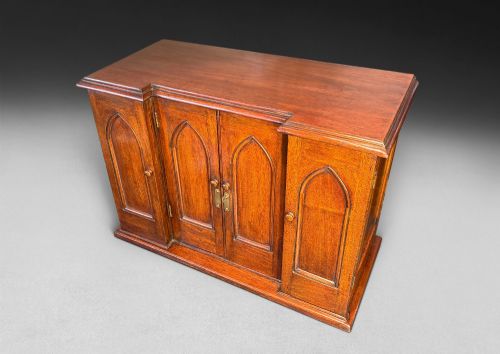
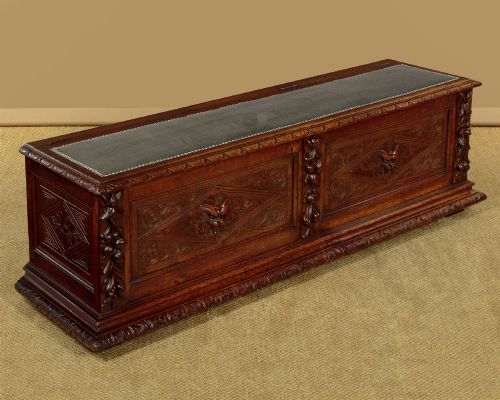
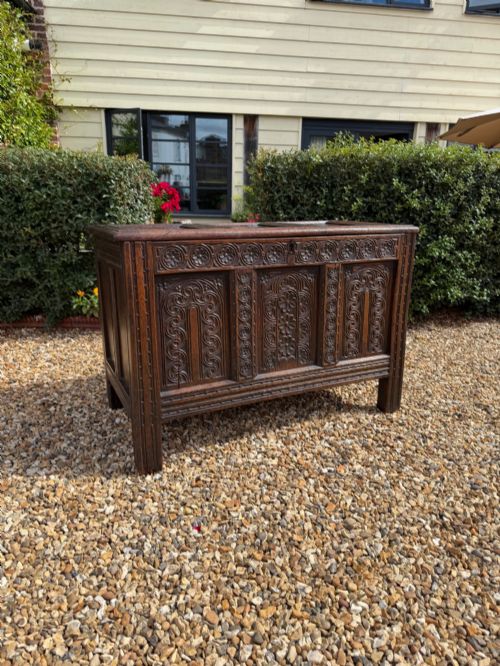
A carved storage box holds centuries of domestic history, offering robust utility through hinged lids and deeply carved timber.
Carved Storage Box
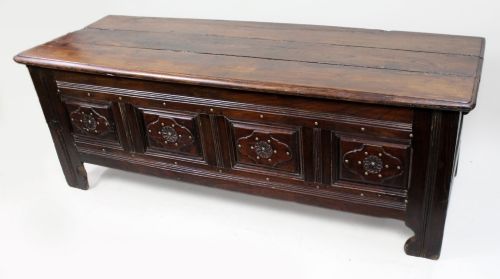
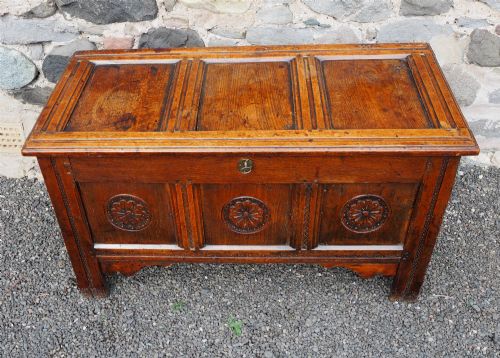
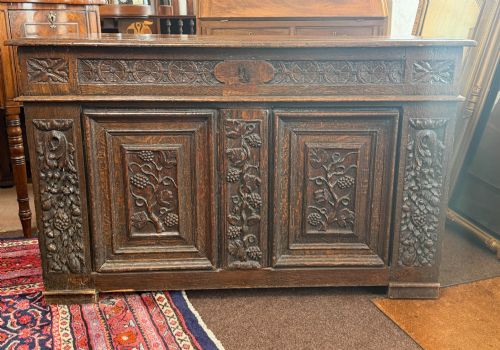
A carved storage box spans utilitarian forms designed to secure household valuables, linens, and documents across generations. Buyers encountering this selection frequently meet substantial oak coffers and blanket chests originating from the seventeenth and eighteenth centuries.
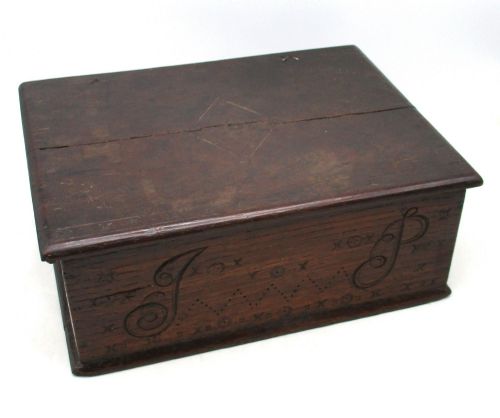
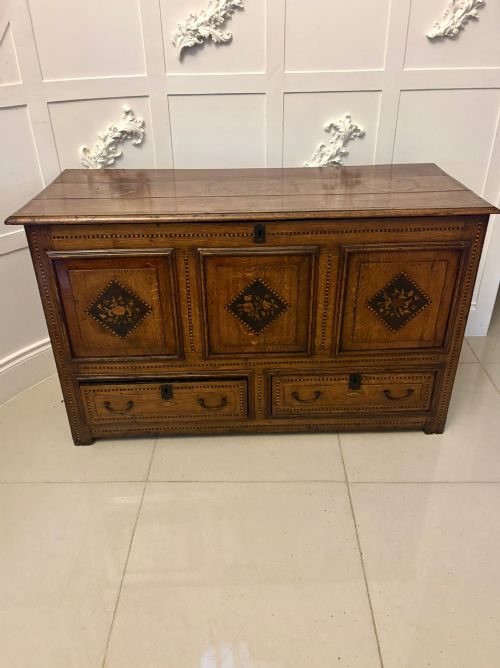
The inventory extends beyond standard chests to include specialised forms such as mule chests fitted with lower drawers, solid oak document boxes, and high-backed box settles. These pieces served central functional roles in domestic interiors long before fitted wardrobes and chests of drawers became common.
How They Were Made
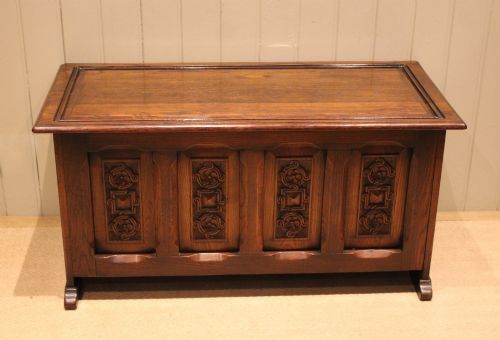
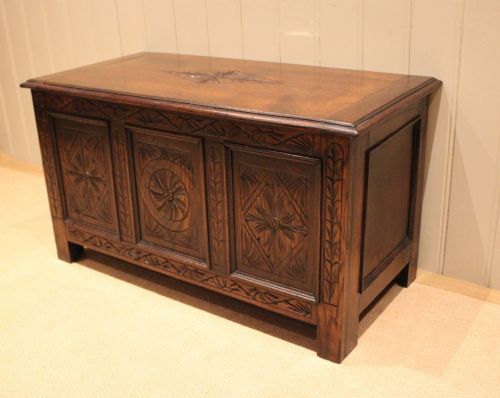
Constructed primarily from solid oak, walnut, and camphor wood, these pieces rely on traditional joinery methods including panel and frame construction. Craftsmen utilised hand-carving techniques to decorate surfaces with geometric patterns, scrolling foliage, and architectural motifs.
Iron and brass hardware such as hinges, lockplates, and carrying handles were hand-forged or cast to secure the heavy timber lids. Marquetry inlay occasionally supplements the carved decoration, introducing contrasting woods into the panel designs.
Several seventeenth-century chests carry the lingering scent of Welsh oak and centuries of stored wool.
What Varies in Quality
Quality rests upon the crispness of the hand-carved detail and the integrity of the original timber construction. Pieces retaining their primary board lids, original ironwork, and undisturbed surface patination stand apart from those altered by later restorations.
Proportion and scale heavily influence desirability, with smaller document boxes and diminutive panelled coffers achieving greater scarcity than standard domestic storage chests. The depth of the relief carving and the complexity of integrated marquetry inlay further distinguish finer examples.
The Carved Storage Box Glossary
- Coffer
- A heavy wooden chest traditionally used for storing valuables, linens, or documents. These sturdy containers often feature hinged lids and raised feet.
- Mule chest
- A storage chest fitted with one or more drawers beneath the main compartment. This hybrid form bridges the traditional coffer and the modern chest of drawers.
- Marquetry inlay
- Decorative veneer work created by fitting contrasting pieces of wood into a prepared surface to form geometric or pictorial patterns. This technique enhances the visual richness of panelled furniture.
- Cellarette
- A lockable container designed to hold bottles of wine or spirits securely. These fitted boxes frequently appear in mahogany from the Georgian period.
- Panelling
- Framework constructed with stiles and rails enclosing fitted thin panels to prevent timber warping. This method forms the structural body of many early storage boxes.
Carved Storage Box: Frequently Asked Questions
What were carved storage boxes originally used for?
These boxes secured valuable household goods, church plate, winter blankets, and important legal documents before banks and built-in closets existed.
Their heavy timber construction and iron locks protected contents from dampness, theft, and pests in early homes.
How do I tell a seventeenth-century coffer from a later revival piece?
Early pieces display hand-split timber, pegged tenon joints, and tool marks consistent with period craftsmanship rather than mechanized production.
Secondary woods, machine-cut screws, and symmetry achieved through modern abrasives typically indicate nineteenth or twentieth-century revival work.
Where should I place a storage box in a modern home?
A sturdy wooden chest functions effectively as a coffee table in a living room while concealing extra cushions or books inside.
They also serve at the foot of a bed for linens or function as hallway seating with integrated storage.
How should I care for antique oak storage boxes?
Maintain a stable indoor humidity level and keep wooden pieces away from direct heat sources to prevent the timber from splitting.
Apply a traditional beeswax polish occasionally to nourish the dry grain and preserve the historic surface patination.