



Elm Wood Coffer
An elm wood coffer is a robust storage chest made from durable timber, offering practical history and enduring character for the home.
Elm Wood Coffer
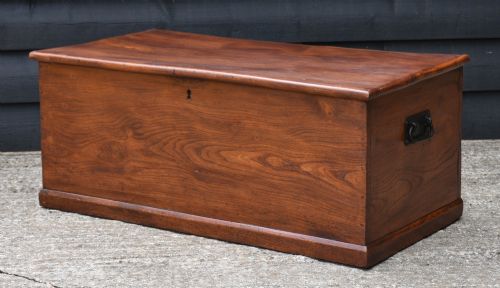
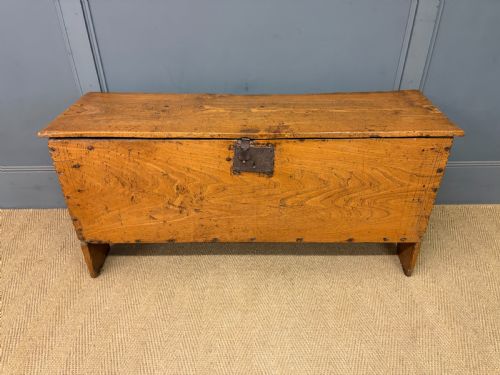
An elm wood coffer is a sturdy storage chest designed for domestic utility, appearing in forms such as six-plank construction, blanket boxes, and bedding chests. These pieces span centuries of regional craftsmanship, rooted in domestic vernacular traditions.
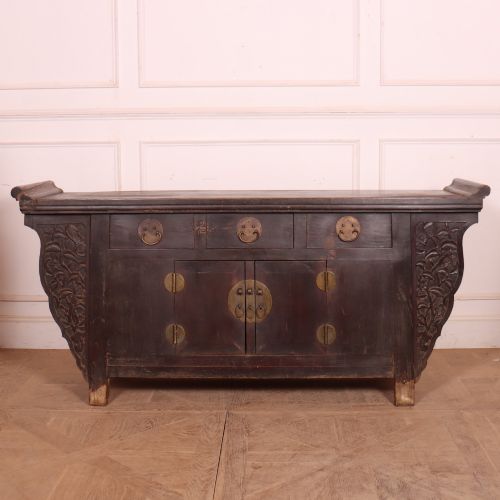
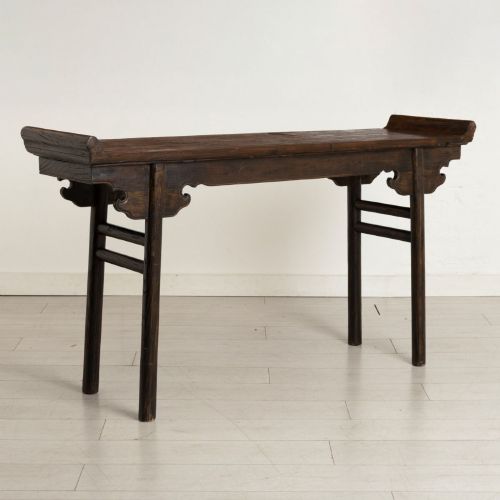
The most frequent examples on this page hail from the eighteenth and nineteenth centuries, merging utilitarian purpose with regional woodworking styles. Buyers encounter both British country vernacular pieces and Chinese Qing dynasty furniture.
Beyond traditional blanket boxes, the category encompasses related storage forms like trunks and storage chests. Each piece demonstrates the heavy grain and rugged utility inherent to elm timber.
How they were made
These coffers are constructed primarily from solid elm and burr elm timber, sometimes combined with fruit wood or other hardwoods. The material is chosen for its tough, interlocked grain that resists splitting under heavy use.
Makers reinforced the heavy wooden planks using iron and brass hardware for hinges, locks, and corner brackets. Surface finishes range from natural timber patination to traditional lacquer.
Listings feature elm, burr elm, brass, and iron across eighteenth and nineteenth-century forms.
What varies in quality
Quality in an elm wood coffer rests upon the selection of the timber and the integrity of the original construction. Finer examples display striking grain patterns, such as burr elm, paired with robust dovetail or six-plank joinery.
The proportion of original metalwork, including brass and iron mounts, elevates a piece significantly. Pieces retaining their early surface patination and uncompromised structural frames stand apart from later replacements.
The Elm Wood Coffer Glossary
- Six-plank coffer
- A primitive box construction made from six individual boards joined directly at the edges. This represents one of the oldest and simplest forms of chest making.
- Burr elm
- A specialised growth on an elm tree that produces highly figured, swirled wood grain. It is prized by makers for decorative veneer and solid panels.
- Vernacular
- Everyday furniture made by local craftsmen using regional materials for practical use rather than high-style court fashion. These pieces reflect local traditions rather than academic design rules.
Elm Wood Coffer: Frequently Asked Questions
What was an elm wood coffer used for?
These chests served as secure storage for household valuables, blankets, and clothing before fitted wardrobes became common.
Their sturdy flat lids also allowed them to double as tables or benches in domestic interiors.
How do I date an elm wood coffer?
Dating relies on observing construction marks, joint types, and the wear patterns on the timber.
Hand-forged iron or brass hardware and early tool marks help distinguish eighteenth-century pieces from later nineteenth-century work.
Where were these coffers made?
The pieces available originate from both British country workshops and Chinese regional traditions, particularly Shanxi province.
Each region utilised local elm timber suited to vernacular furniture production.
How do I care for elm furniture?
Keep the timber away from direct heat sources and sudden humidity changes to prevent the wood from splitting.
Apply a microcrystalline wax occasionally to nourish the grain and maintain the natural surface sheen.