
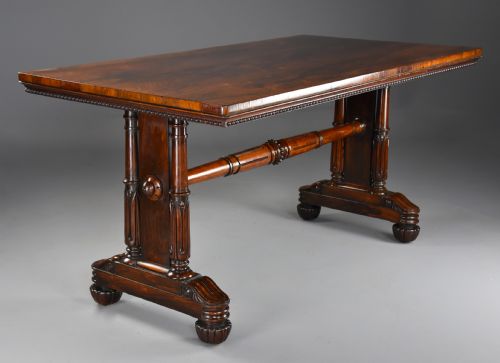


Carved Rosewood Writing Desk
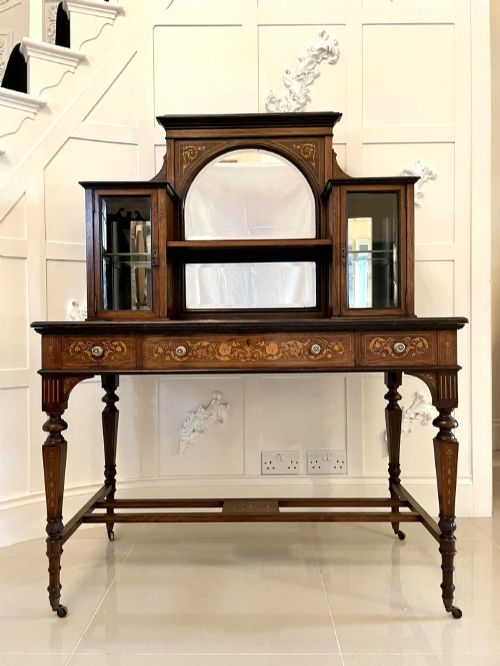
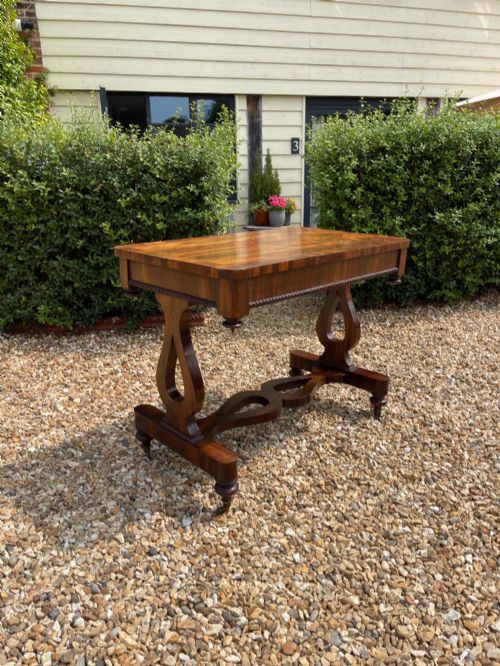
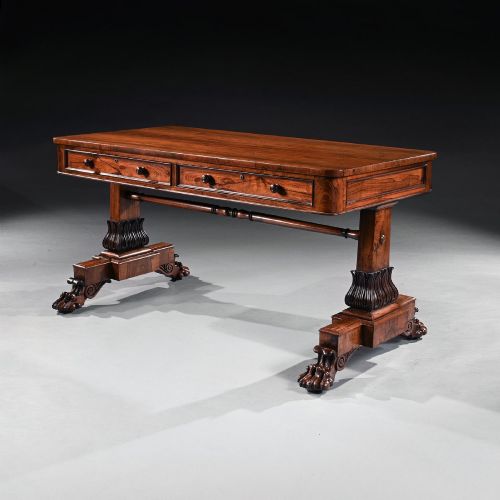
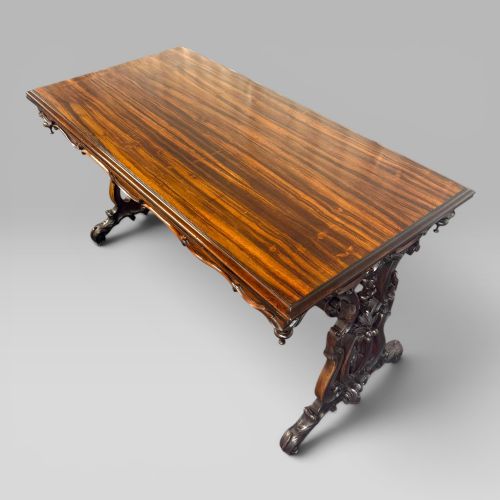
A carved rosewood writing desk offers rich grain and solid proportions, bringing tactile depth and distinct period presence into a room.
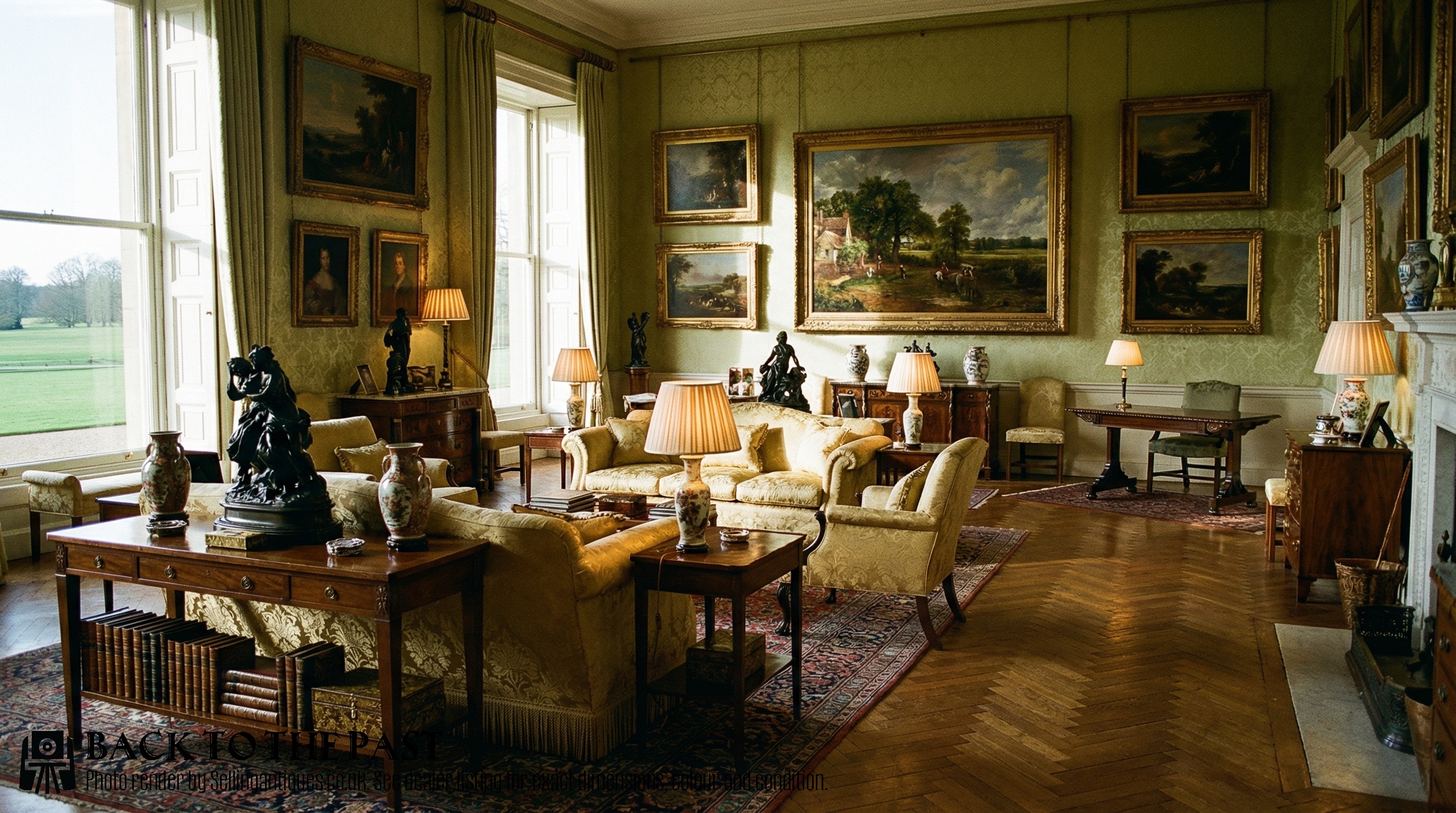
Carved Rosewood Writing Desk
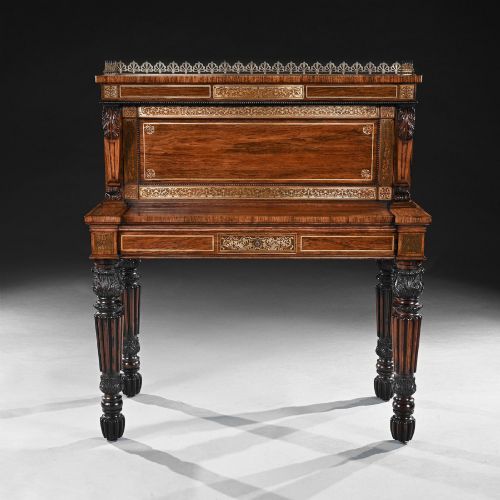
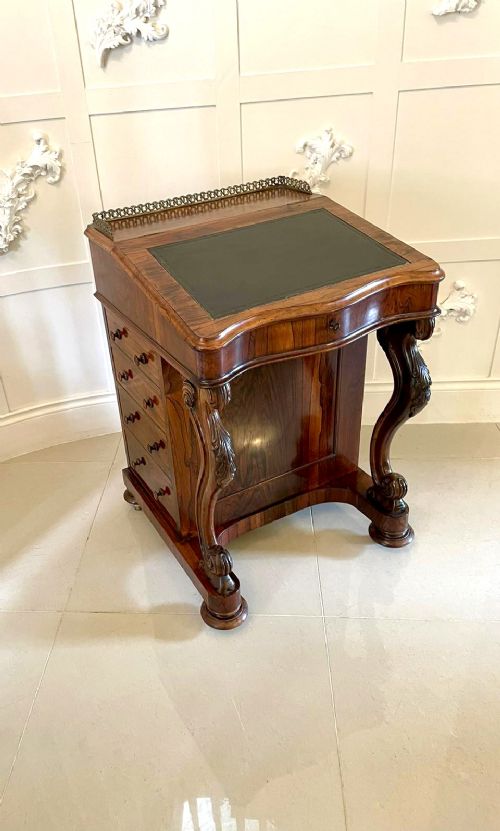
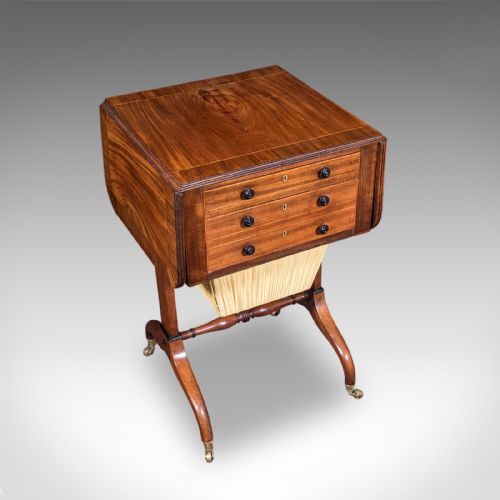
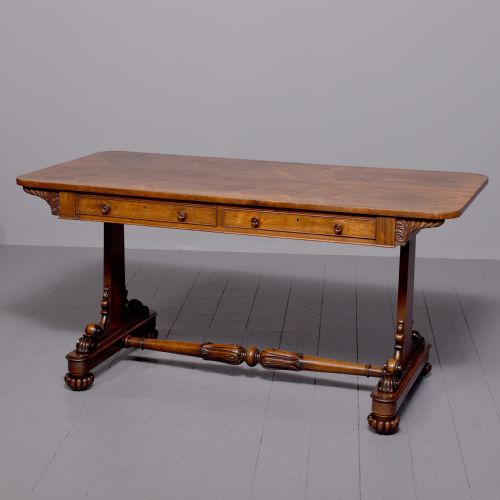
When you search for a carved rosewood writing desk, you are looking at substantial writing furniture produced primarily across the nineteenth century, encompassing Georgian, Regency, William IV, and Victorian periods. These pieces range from compact davenports and drop-leaf ladies work tables to grand library tables and pedestal desks.
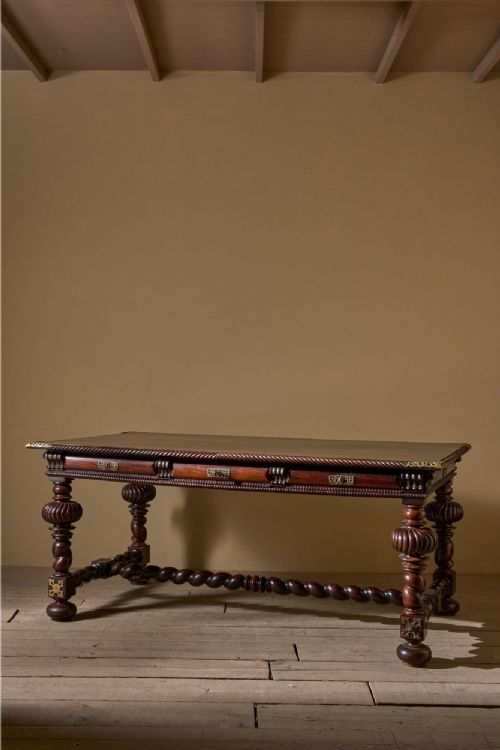
The version you are most likely to meet on this page is a nineteenth-century freestanding table or davenport that integrates brass inlay, marquetry, or carved wooden details. Many examples reflect specific regional variations, including Portuguese colonial and Anglo-Indian designs alongside traditional British workshop production.
These items served distinct domestic and study roles, functioning as centre tables, library desks, or specialised writing cabinets. The structural forms rely heavily on dense hardwoods, often featuring raised writing surfaces, leather inserts, and concealed storage compartments.
Distinctions in quality and execution
The distinction between standard production and exhibition quality rests on the depth of the carving and the precision of the timber matching. Superior pieces demonstrate continuous grain alignment across large surfaces and meticulous execution of brass inlay or marquetry.
Structural integrity and the retention of original mechanisms set finer examples apart from altered pieces. Desks that maintain their original leather writing surfaces, fitted interior compartments, and stable freestanding frames command greater appreciation among collectors.
The listings on this site span the Georgian, Regency, and Victorian periods, featuring materials such as rosewood, mahogany, brass, and leather across various table and desk forms.
Gillows Oxford Street Workshop·Edwards and Roberts
The Carved Rosewood Writing Desk Glossary
- Rosewood
- A dense, heavily figured timber known for its deep colour and distinct dark grain patterns. It served as the primary exterior material for high-status nineteenth-century writing furniture.
- Davenport
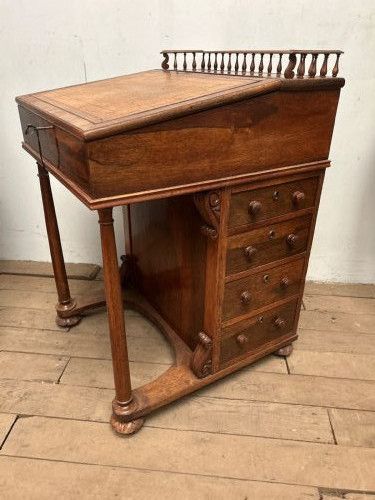
- A compact form of small desk featuring a sloping, hinged writing surface above a pedestal of drawers. It typically includes side compartments and stationary storage.
- Marquetry
- The art of applying decorative veneer pieces to a structure to form intricate pictorial designs or geometric patterns. It appears on the writing surfaces and drawers of finer Victorian desks.
- Library Table
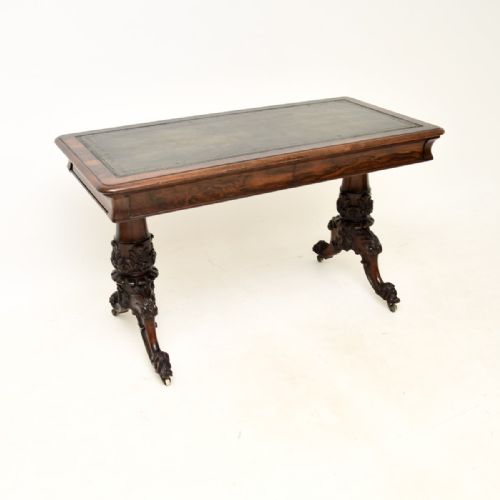
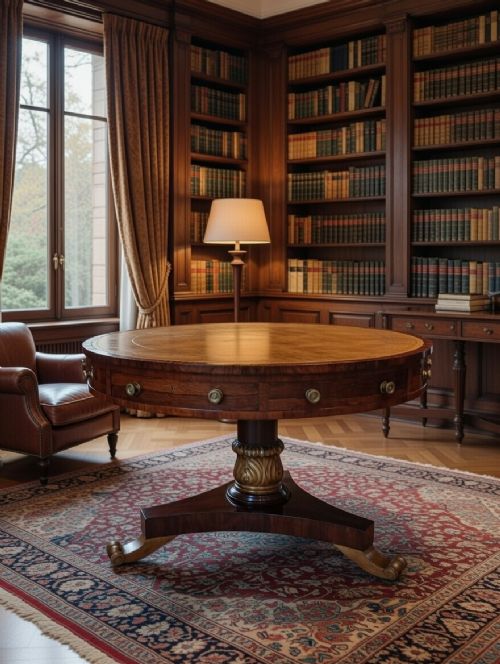
- A large freestanding table designed to sit in the centre of a room rather than against a wall. These pieces often feature drawers on both sides and substantial carved supports.
- Gonçalo Alves
- A dense exotic hardwood with striking contrasting dark brown and golden-yellow figuring. It occasionally substitutes for standard rosewood on select nineteenth-century tables.
Carved Rosewood Writing Desk: Frequently Asked Questions
What is a davenport desk?
A davenport is a compact, box-like writing desk featuring a sloped, hinged writing lid positioned above a pedestal of side drawers. It was originally designed as a space-saving writing cabinet for domestic use.
The form typically includes small internal compartments for stationery and inkwells, combining a small footprint with functional storage capacity.
How do I identify a library table?
Library tables are large, freestanding tables constructed to be viewed from all sides, frequently placed in the middle of a room. They usually incorporate frieze drawers and heavy pedestal or leg supports.
Unlike standard side tables, library tables often feature finished backs and robust proportions suited to holding heavy volumes and writing materials.
Are these desks freestanding?
Many of these writing desks and library tables are specifically constructed to be freestanding, featuring finished backs and polished surfaces on all four sides. This allowed them to occupy central positions in studies and drawing rooms.
Buyers should verify whether a particular desk is designed for central placement or intended to sit flush against a wall.