

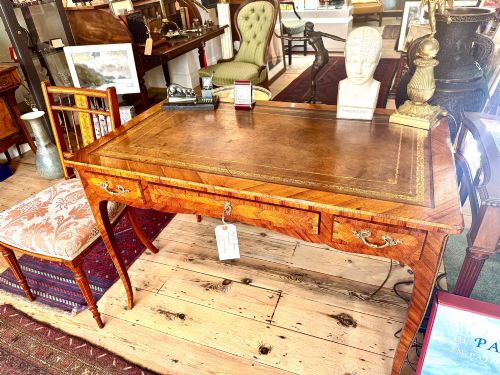


Antique Flat Top Desk
An antique flat top desk brings working history into a room, offering generous writing surfaces shaped by nineteenth-century French and English cabinet-makers.
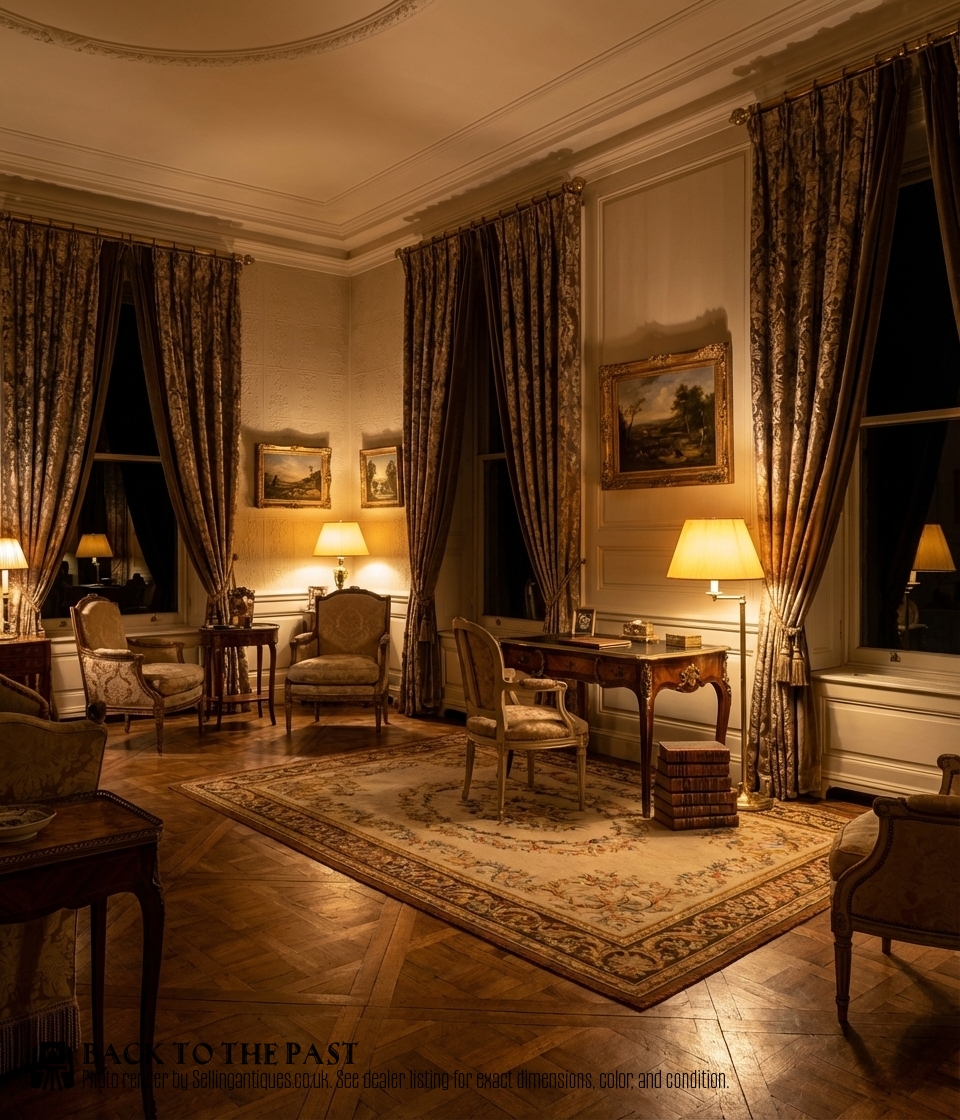
Antique Flat Top Desk
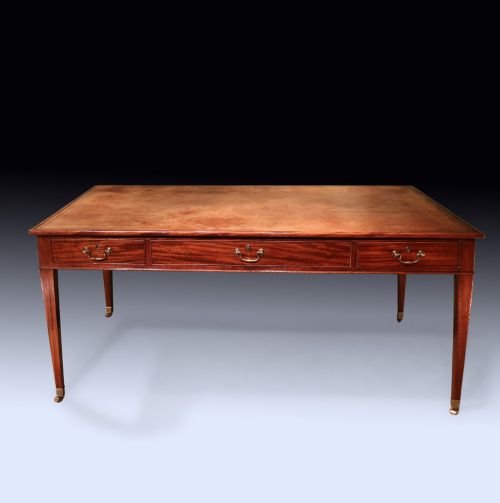
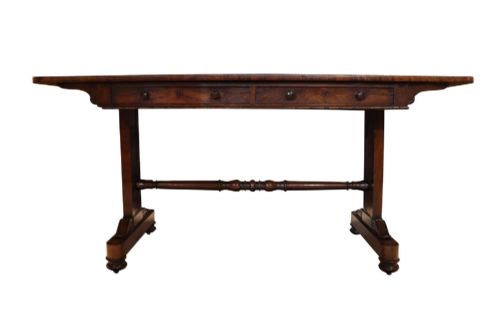
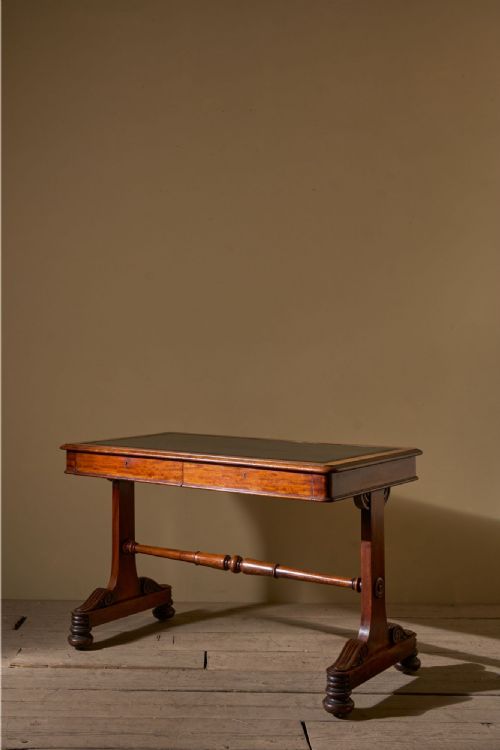
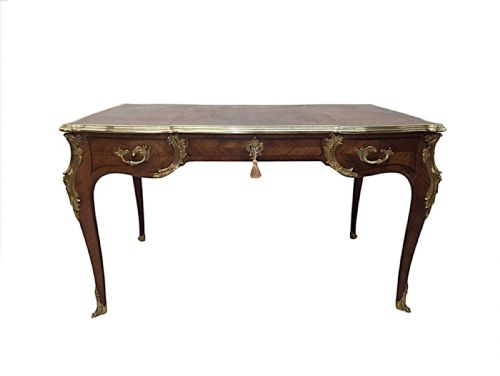
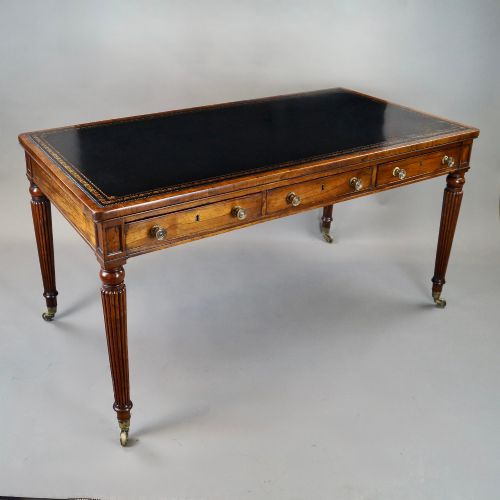
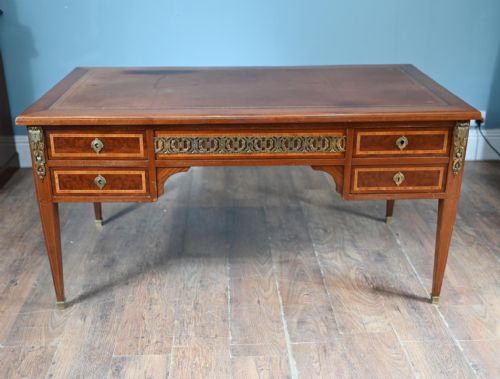
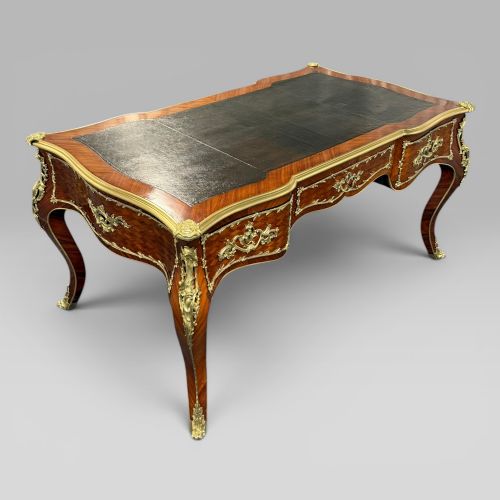
An antique flat top desk encompasses writing tables, library tables, and bureau plat forms designed for domestic studies and grand libraries. The pieces listed here span the eighteenth, nineteenth, and early twentieth centuries, drawing heavily on Regency, Victorian, and French Louis XV styles.
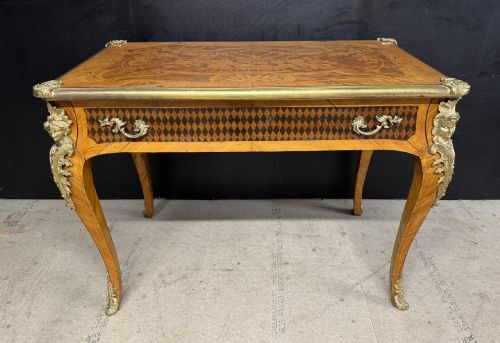
Bureau plat forms dominate the selection, offering freestanding tables finished on all sides with drawers integrated into the frieze. English library tables and writing tables in mahogany, rosewood, and oak sit alongside French marquetry and parquetry creations.
Buyers encounter diverse stylistic expressions, from restrained Early Victorian mahogany to ornate French Rococo Revival and Directoire designs. These tables served as writing surfaces, centre tables, and diplomatic desks in formal interiors.

Materials and construction methods
Cabinet-makers built these desks using solid timbers and veneers of mahogany, rosewood, kingwood, and oak, often applying intricate marquetry and parquetry patterns. Surfaces were frequently inset with black or coloured leather writing panels, sometimes tooled with gilt borders.
Mounts and hardware of cast brass, ormolu, and gilt bronze decorated the corners, drawer fronts, and legs of French pieces, adding weight and structural definition. Timber frames relied on traditional joinery, securing robust legs to friezes that housed one or more lockable drawers.
Antique Flat Top Desk Retail Price Guide 2026
Typical asking prices for flat top desk among the pieces listed under this phrase on Sellingantiques today, from the lower quarter to the upper quarter. They describe what is for sale here now, not the wider market.
Several desks manage to look stately while secretly housing your modern laptop inside a nineteenth-century frieze drawer.
Distinguishing quality in design and execution
Quality rests upon the selection of timbers, the precision of the parquetry or veneer matching, and the crispness of any gilt bronze or ormolu mounts. Finer pieces demonstrate superior hand-cut dovetails within the drawer construction and well-figured grain across expansive top surfaces.
The integrity of the original leather writing insert and the presence of signed maker stamps or attributed craftsmanship elevate a desk's standing. Proportion and balance between the underframe and the flat top define the most successful examples.
Johnstone & Jeanes·Gillows·Gillow & Co·William Trotter·Henry Dasson
The Antique Flat Top Desk Glossary
- Bureau plat
- A freestanding French writing table featuring a rectangular top and drawers in the frieze. These tables are finished on all sides so they can stand in the middle of a room.
- Ormolu
- Gilt bronze mounted onto furniture as decorative hardware. This technique involves applying a mercury-gilding process to cast bronze.
- Marquetry
- Patterns formed by inlaid pieces of wood veneer on a structural background. Cabinet-makers used contrasting timbers to create floral or geometric designs.
- Frieze
- The horizontal band situated directly beneath the top surface of the desk. This section frequently houses one or more drawers.
- Parquetry
- Geometric wood mosaic work used for surface decoration on tabletops. Triangular or square veneers fit together to form repeating patterns.
Antique Flat Top Desk: Frequently Asked Questions
How do I maintain leather desk tops?
Leather writing surfaces require gentle care to prevent drying and cracking over time. Regular dusting with a soft cloth keeps the surface clean without damaging the material.
Applying specialised leather balms periodically helps preserve the suppleness and colour of the hide, particularly around areas subjected to frequent daily use.
Where should I place a library table?
Library tables and bureau plat desks are designed as freestanding pieces that look finished from every angle. Placing them in the centre of a study or living space allows the detailed timber grain and mounts to be fully appreciated.
Ensure the room maintains stable humidity levels to protect nineteenth-century veneers and solid wood frames from warping.
How do I identify Regency styling?
Regency furniture draws inspiration from classical Greek, Roman, and Egyptian motifs, favouring dark timbers like rosewood and mahogany. Brass inlay, reeded legs, and sabre legs frequently appear on tables from this era.
Silhouettes tend to be clean and architectural, relying on the natural beauty of the wood rather than heavy carving or elaborate surface mounts.