


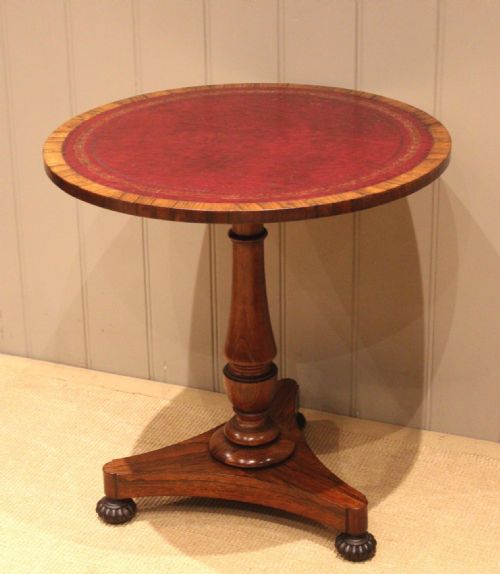
Carved Rosewood Wine Table
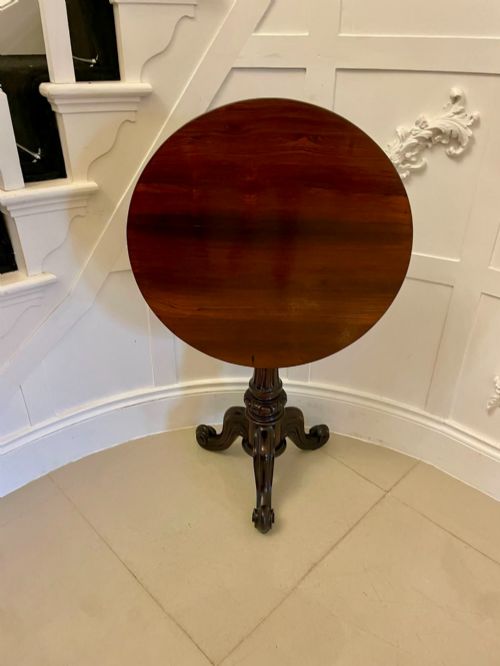
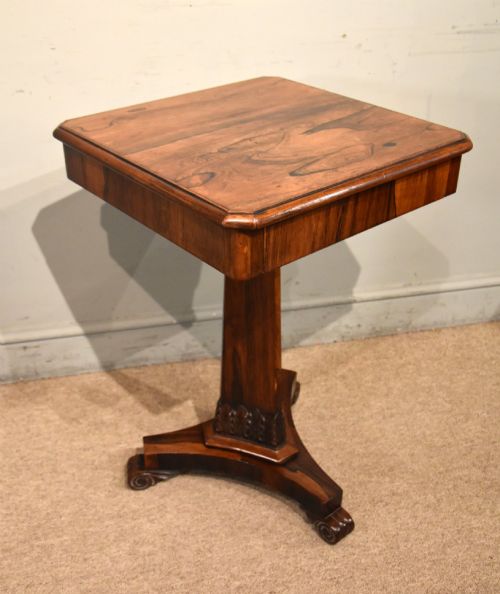
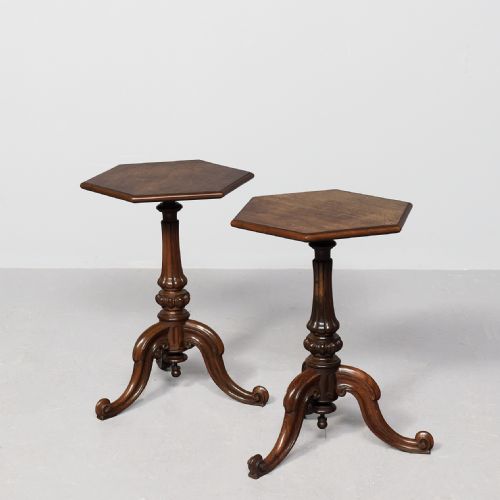
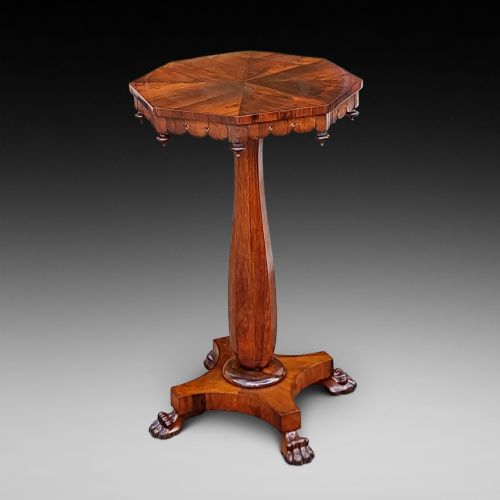
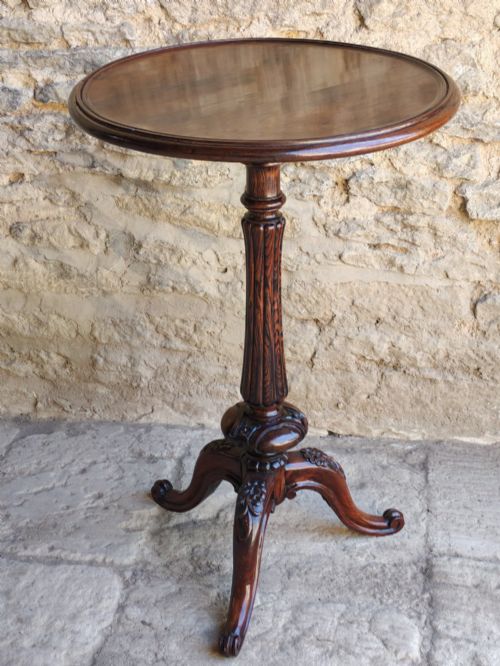
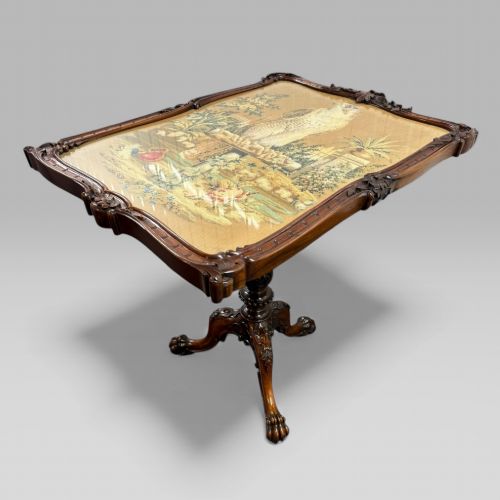
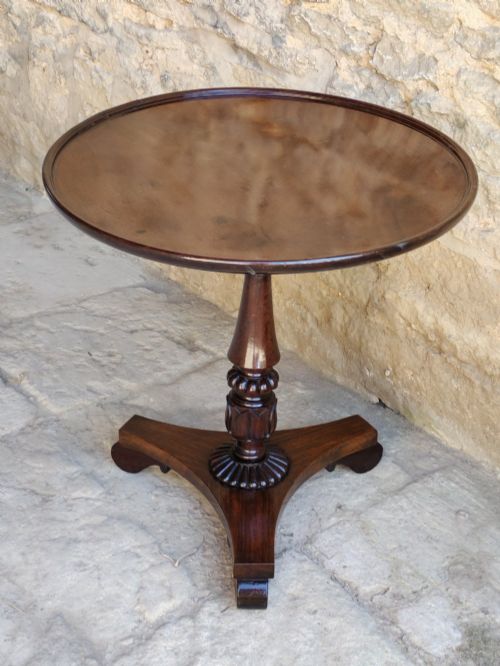
These carved rosewood wine table pieces offer compact surfaces with deeply figured timbers, originating from Regency, Georgian, and Victorian workshops.
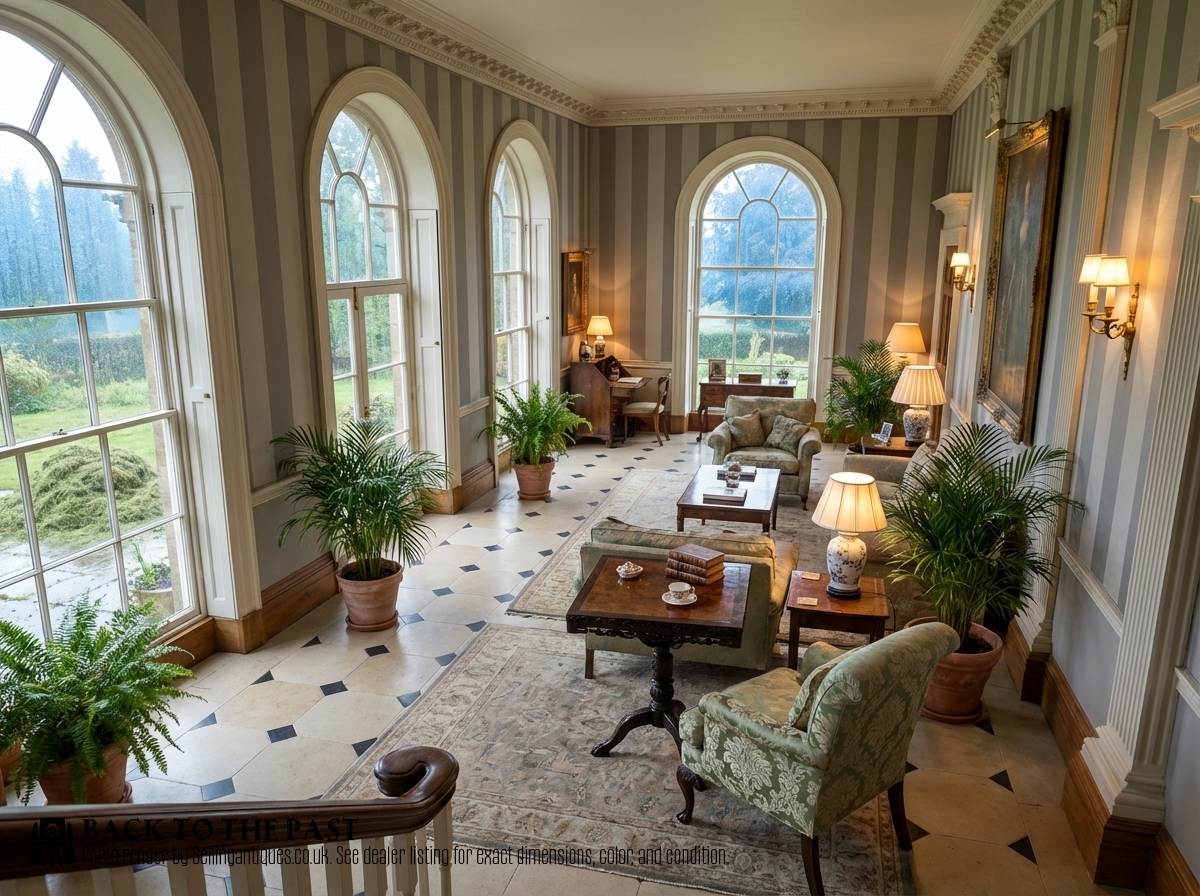
Carved Rosewood Wine Table
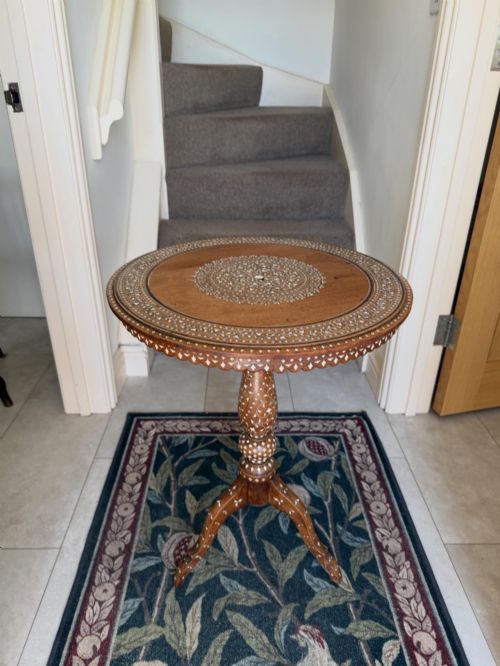
A carved rosewood wine table functions as a small, portable surface designed for serving drinks or displaying lamps, appearing frequently as circular or square occasional tables from the nineteenth century. The selection spans distinct regional expressions, ranging from English Gillows productions to Anglo-Indian and Chinese export pieces.
Buyers will encounter various forms, including tilt-top tripod designs, decanter tables, and jardiniere stands, alongside side tables and lamp tables. These pieces date across the Georgian, Regency, William IV, and Victorian periods, often featuring compact proportions suited for smaller spaces.
How they were made
Cabinetmakers utilised dense rosewood and Brazilian rosewood, frequently pairing the timber with brass mounts, marble inserts, or bone inlay. Construction methods relied on turned pedestals supported by tripod bases with carved foliage or dragon motifs.
Surfaces display intricate parquetry or tilt-top mechanisms, while Far Eastern and Anglo-Indian variants incorporate deep relief carving directly into the hardwood structure.
One unexpected table depicts a carved dragon ready to guard your evening glass of wine.
What varies in quality
The standard of carving on the tripod base and pedestal separates basic utilitarian tables from exceptional examples produced by prominent makers. Figuration in the rosewood grain and the precision of parquetry work determine the visual presence of the piece.
Structural integrity of the tilt-top mechanism and the crispness of the original foliage or figural carvings dictate the desirability within the historical range.
Gillows
The Carved Rosewood Wine Table Glossary
- Tilt-top
- A tabletop designed on a pivot mechanism to fold vertically when not in use, saving space in period interiors. This format allowed the table to stand against a wall.
- Tripod base
- A three-legged support structure commonly utilised on nineteenth-century occasional and wine tables for stability on uneven floors. These bases often feature carved scroll or foliage details.
- Parquetry
- Geometric wood-mosaic work used for decorative surfaces on table tops. It involves arranging small pieces of contrasting timber to form patterns.
- Jardiniere stand
- A tall, small-surface stand originally intended to hold plants or flower pots. Many examples incorporate marble inserts to handle moisture.
Carved Rosewood Wine Table: Frequently Asked Questions
What is a wine table used for?
These compact tables were historically moved around a room to hold glasses, decanters, or small lamps beside seating areas. Their portability made them versatile additions to nineteenth-century drawing rooms.
Today, they function effectively as lamp tables or occasional display surfaces in living spaces where floor space is limited.
What is an Anglo-Indian table?
Anglo-Indian pieces combine traditional British furniture forms with intricate local carving traditions executed by craftsmen in India during the nineteenth century. They frequently feature dense floral or figural relief work across the entire wooden surface.
These tables utilise dense regional hardwoods and showcase distinct stylistic exchanges between Britain and the subcontinent.
Why does a tilt-top matter?
Tilt-top mechanisms allowed tables to be tucked away against walls when the room needed to be cleared for other activities. This practical feature was standard on tripod wine tables from the Georgian and Regency eras.
Examining the original brass catch or wooden block beneath the top helps confirm the piece retains its original pivoting function.