


Victorian Oriental Side Table
When you search for a victorian oriental side table, you are looking at eclectic nineteenth-century furnishings that blend British domestic comfort with imported craftsmanship.
Victorian Oriental Side Table
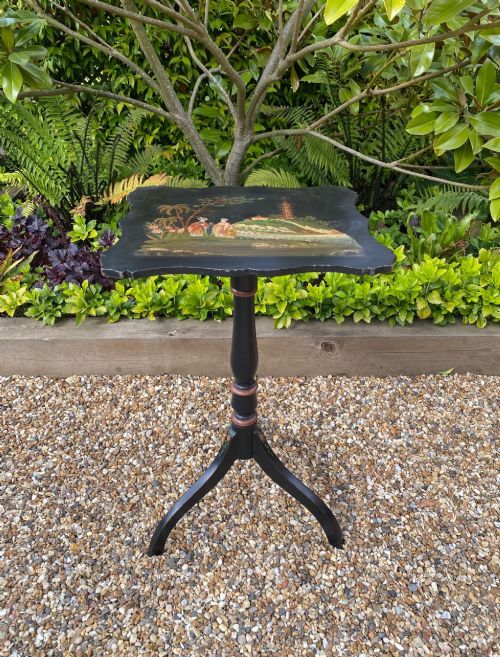
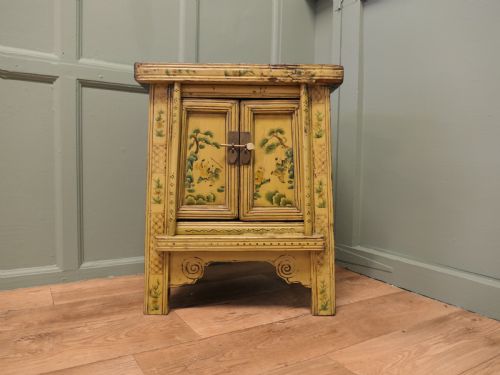
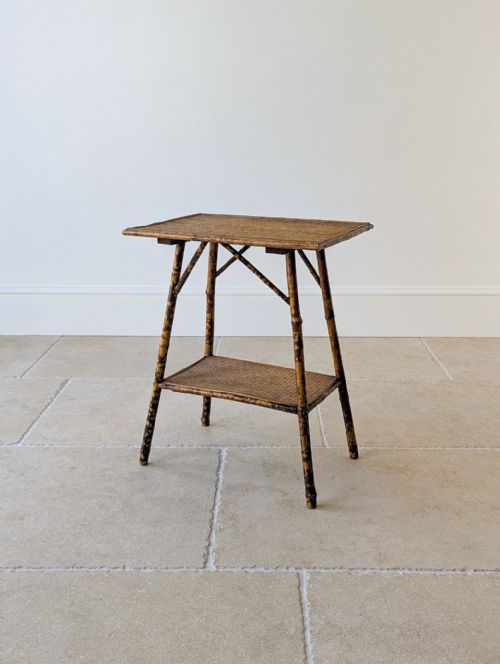
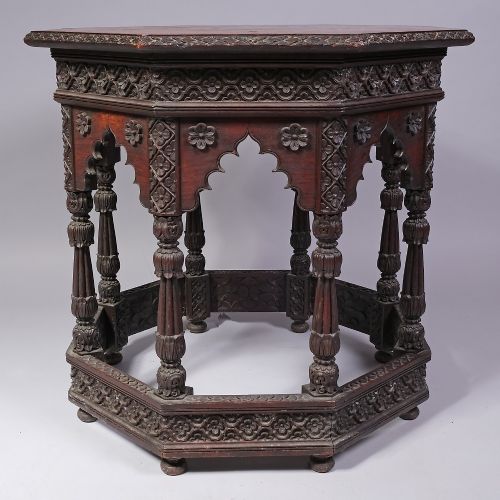
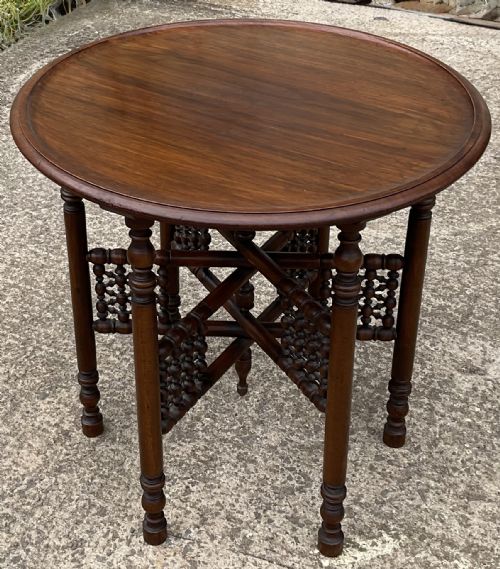
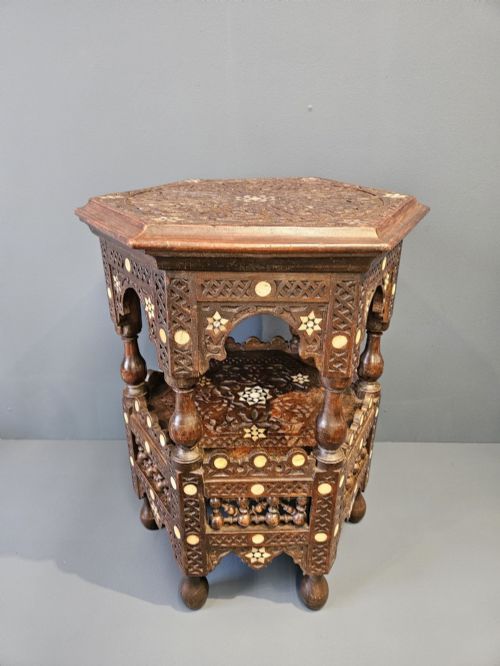
A victorian oriental side table encompasses a diverse group of nineteenth-century occasional furniture, plant stands, and low tables drawing inspiration from Eastern design. You will frequently encounter bamboo frames, lacquered surfaces, and intricate carvings originating from China, Japan, and India during the Victorian period.
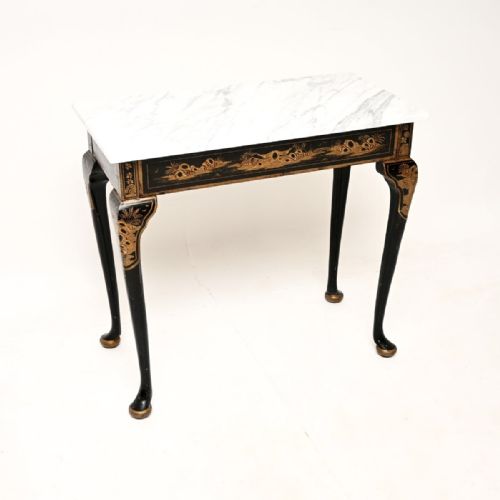
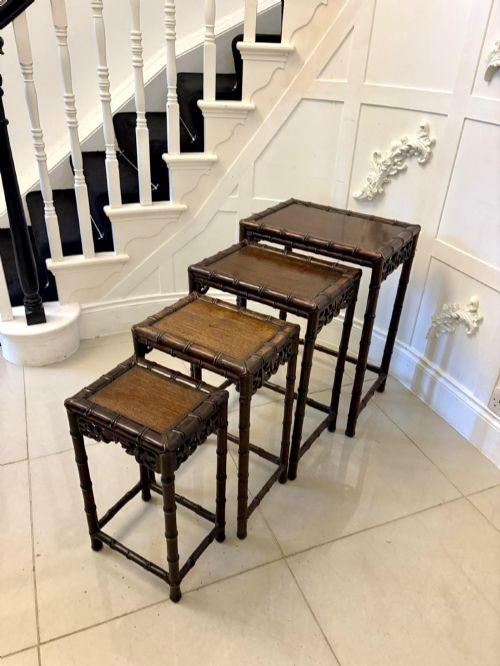
The selections span from lightweight bamboo occasional tables with multiple tiers to heavy hardwood plant stands inset with marble tops. These pieces often reflect late nineteenth-century movements such as Aestheticism and Japonisme, which valued exotic decorative arts in domestic interiors.
How They Were Made
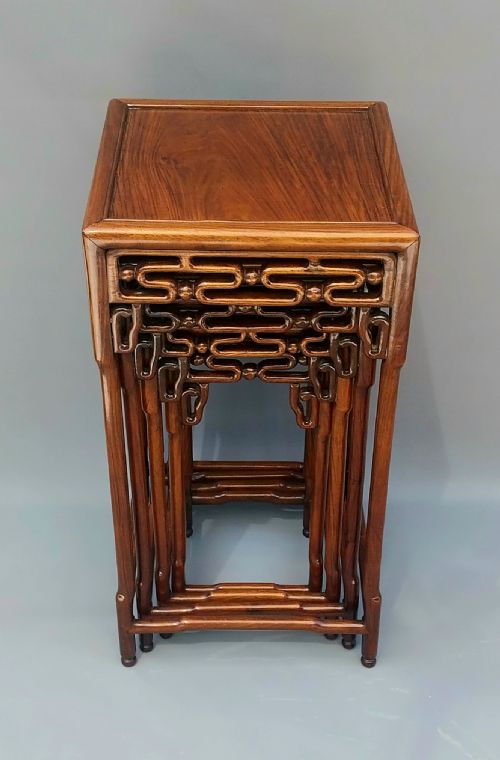
Cabinetmakers utilised both native and imported timbers, pairing sturdy British frames with exotic woods like teak, rosewood, padouk, and hongmu. Bamboo and tiger bamboo formed lightweight, flexible structures for small occasional tables and multi-tiered stands.
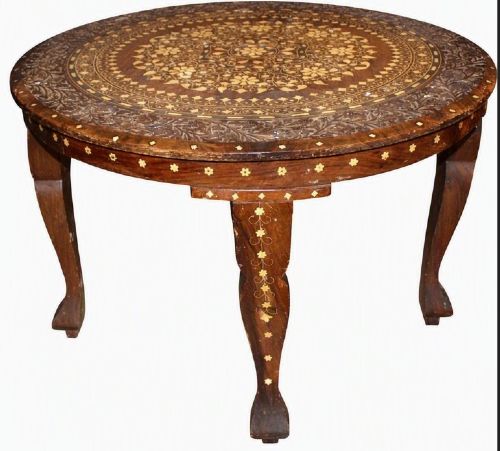
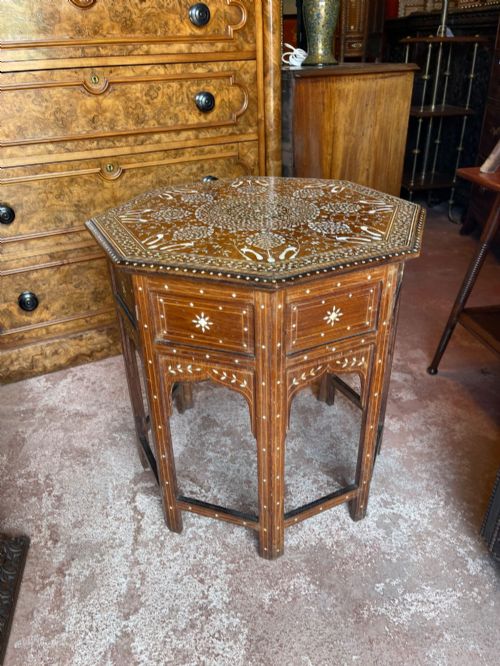
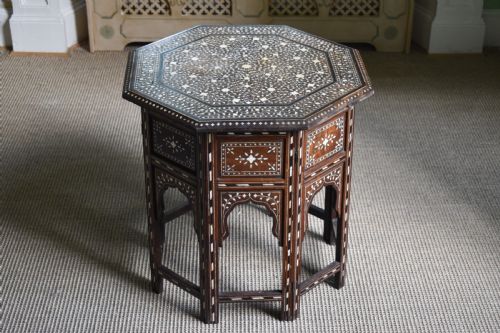
Surface ornamentation involved complex techniques including hand-applied lacquer, bone and brass inlay work, and deep relief carving. Marble inserts were frequently fitted into table tops to provide a cool, durable surface for plants and lamps.
Listings feature bamboo, hardwood, and lacquer materials across periods spanning from 1860 through the 1930s.
What Varies in Quality
The standard of carving and inlay distinguishes the finer examples from mass-produced items, particularly in pieces originating from Hoshiarpur or workshops in the Bombay presidency. Crisp, deep relief work in hardwood and precise geometric bone inlay indicate superior artisan skill.
Material selection heavily influences the overall calibre of the piece, with dense rosewoods and solid marble inserts representing the higher end of production compared to painted softwoods or simple bamboo frameworks.
Liberty & Co·Gabriel Viardot
The Victorian Oriental Side Table Glossary
- Chinoiserie
- European artistic interpretation and imitation of Chinese artistic traditions and motifs, popular in furniture and decorative arts.
- Hoshiarpur
- A region in India renowned for distinctive wooden tables and furniture featuring intricate micro-mosaic bone or brass inlay.
- Jardiniere Stand
- A tall table or pedestal specifically designed to support a plant container or flower pot.
- Hongmu
- A category of dense, dark Chinese hardwood translated literally as red wood, often used for fine export furniture.
- Japonisme
- The influence of Japanese art, fashion, and aesthetics on Western works during the late nineteenth century.
Victorian Oriental Side Table: Frequently Asked Questions
How were these tables used originally?
These tables served various practical functions in Victorian reception rooms, functioning as plant stands, lamp tables, or surfaces for serving tea. Many featured multiple tiers to display decorative ceramics or books.
Lighter bamboo versions could be easily moved around the room to suit the needs of the household, while heavier marble-topped stands remained stationary to support heavy planters.
Where did these styles originate?
The designs originated from a broad geographic area encompassing China, Japan, and various regions of India, often filtered through British taste. Export workshops produced these items specifically for the European market during the nineteenth century.
British designers also incorporated these Eastern motifs into domestic production during the Aesthetic Movement and the craze for Japonisme.
How do I care for lacquered and inlaid surfaces?
Maintain these delicate surfaces by dusting gently with a dry, soft cloth and avoiding chemical polishes or excessive moisture. Lacquer and bone inlay are sensitive to rapid humidity and temperature changes.
Keep the tables away from direct sunlight and heat sources to prevent the wood from warping and the delicate inlay work from loosening.
How can I tell the period?
Dating relies on identifying material combinations, construction methods, and stylistic movements characteristic of the nineteenth century. The presence of Aesthetic Movement bamboo or specific Japanese Meiji influences often points towards the later decades of the era.
Archival clues like maker stamps or retailer marks also help narrow down the production decade within the broader Victorian period.