


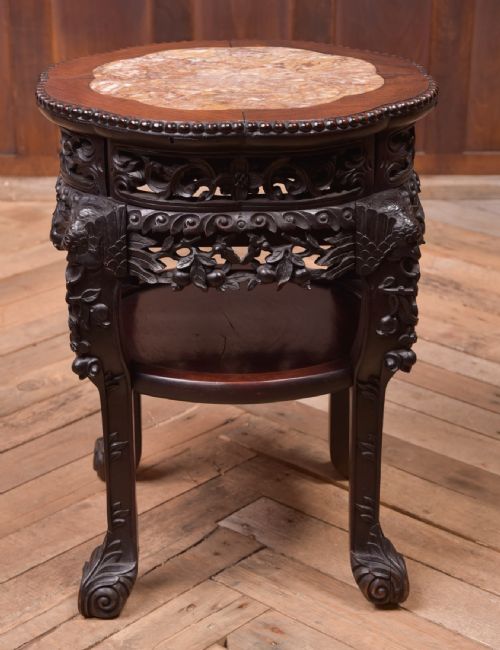
Antique Chinese Pot Stand
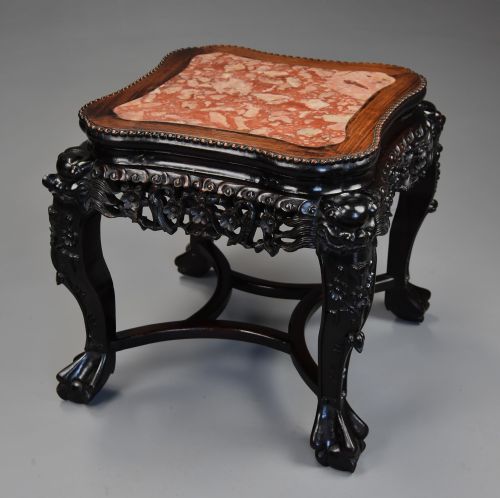
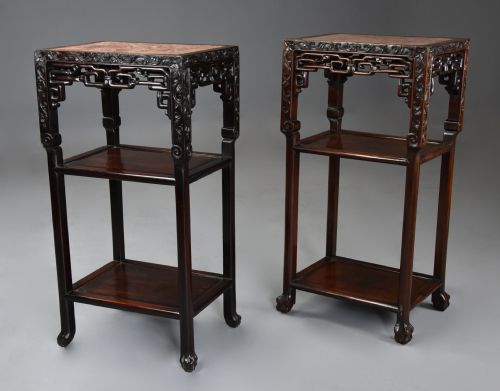
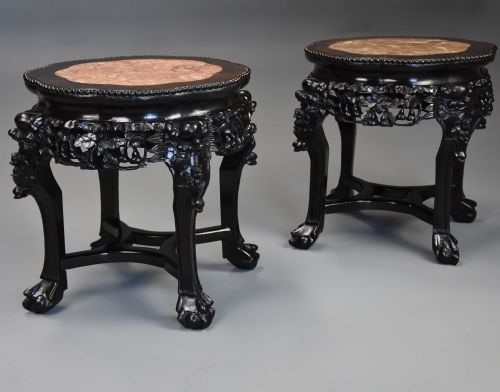
These antique Chinese pot stands are solid hardwood and marble furnishings built to elevate plants, vases, and scholars' objects.
Antique Chinese Pot Stand
An antique Chinese pot stand provides a sturdy and decorative base for elevated display within the home. Buyers seeking an antique Chinese pot stand encounter various forms, ranging from low tables and freestanding plant holders to specialised vase supports and jardiniere stands.
The material selection leans heavily towards dense hardwoods, often complemented by inset marble tops that offer a cool, smooth surface for heavy vessels. Pieces span multiple eras, with late nineteenth-century Qing Dynasty examples appearing alongside earlier sixteenth-century configurations associated with scholarly studios.
Makers utilised distinct regional designs, producing rectangular, circular, and shaped formats suited to both domestic display and scholar's chambers. These objects function equally well today as small side tables, lamp tables, or dedicated pedestals for botanical arrangements.
How they were made
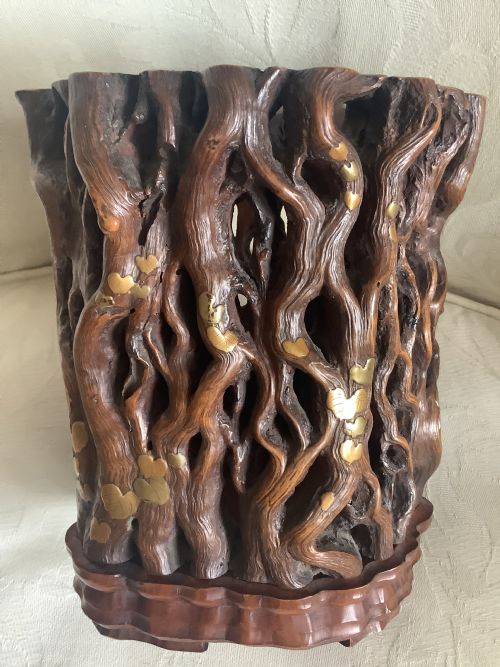
Construction relies upon dense timbers such as hardwood, cherrywood, and zitan wood, chosen for structural stability and fine grain. Skilled artisans shaped these materials into intricate frames, occasionally employing ebonised finishes, lacquer, or giltwood detailing to enhance the visual depth.
Many items incorporate inset marble or ceramic panels, fitted precisely into the wooden framework to support heavy bronze censers or ceramic jardinieres. Joinery techniques allowed complex curves and shaped aprons without relying on modern fasteners, maintaining integrity across centuries of use.
Listings feature hardwood, marble, bronze, and ceramic materials spanning the nineteenth century alongside earlier Ming Dynasty items.
What varies in quality
The distinction between standard and superior pieces rests on the choice of timber and the depth of the carving. Dense woods like zitan and heavy hardwoods display sharper definition in pierced aprons and retain a better surface finish over generations.
Integration of the inset marble top dictates overall refinement, where tight joints and well-figured stone indicate careful workshop assembly. Matched pairs and items retaining contemporary stands demonstrate higher original commissioning standards compared to solitary or heavily altered examples.
The Antique Chinese Pot Stand Glossary
- Hardwood
- Dense, durable timber utilised for its strength and fine grain structure in traditional furniture making. It resists heavy loads and takes intricate carving exceptionally well.
- Jardiniere
- A large ornamental pot or container designed to hold plants or floral arrangements. They frequently require dedicated low tables or stands for proper display.
- Qing Dynasty
- The final imperial dynasty of China, spanning from the seventeenth to the early twentieth century. Pieces from this era often feature elaborate carved decoration and hardwood frames.
- Marble
- Metamorphic rock cut into thin slabs for inset table tops. It provides a stable, heat-resistant surface that contrasts with dark timber frames.
Antique Chinese Pot Stand: Frequently Asked Questions
What is a Chinese pot stand used for?
These pieces function primarily to elevate heavy vessels, jardiniere bowls, and botanical displays above floor level. They also serve as compact side tables or lamp stands within a room.
Historically, scholars utilised similar stands within their studios to display prized bronzes, brush pots, and incense burners. Their sturdy construction accommodates considerable weight while adding decorative presence to an interior.
How do I identify a Qing Dynasty stand?
Identification relies upon observing the carved motifs, timber density, and construction methods characteristic of the period. Late nineteenth-century examples often display shaped aprons and ebonised or hardwood frames.
The inclusion of marble inset tops and specific regional joinery further distinguishes these pieces from later reproductions. Comparing the patination of the wood helps confirm age.
Can these stands support heavy plants?
Solid hardwood construction and thick timber frames provide the structural capacity necessary for heavy ceramic pots and damp soil. The inclusion of inset marble tops further ensures a stable base that resists moisture damage.
While originally built to carry substantial bronze censers and large jardinieres, modern placement should still account for the overall footprint and weight distribution of the container.
Are marble tops original to the stands?
Many nineteenth-century examples feature fitted marble or ceramic panels integrated directly into the wooden frame during initial construction. The stone provides a cooling, durable surface designed to withstand moisture from plants.
Close inspection of the rebate and surrounding timber reveals whether the insert sits within the original joinery or represents a later replacement.