




Carved Rope Twist Mirror
A carved rope twist mirror brings texture and classical rhythm to a room through its spiralling wooden or gesso frame.
Carved Rope Twist Mirror
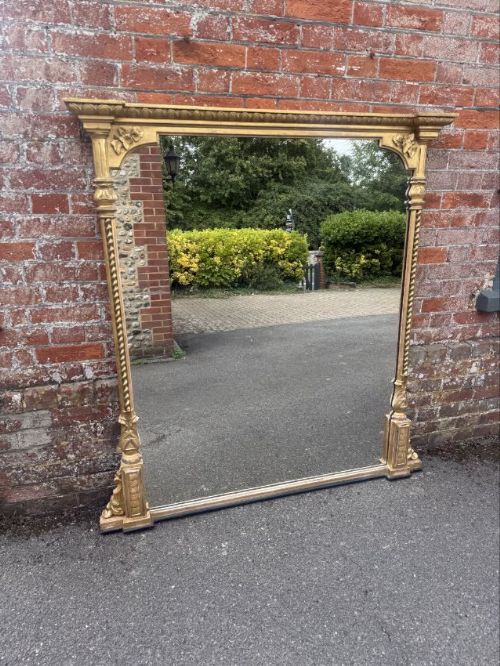
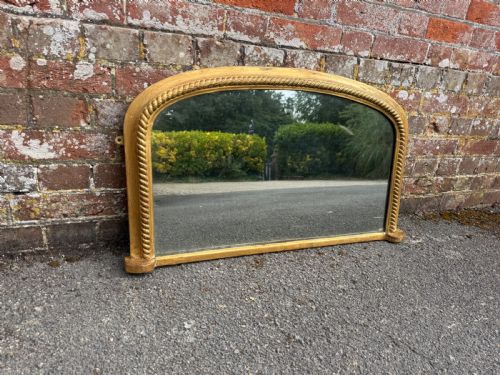
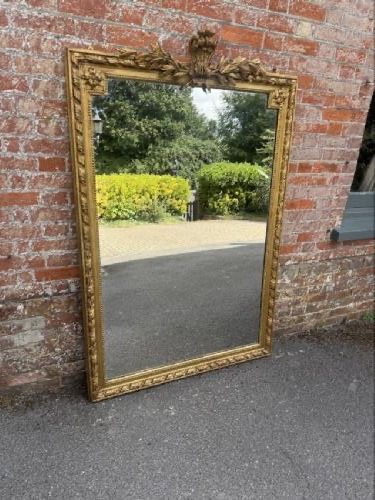
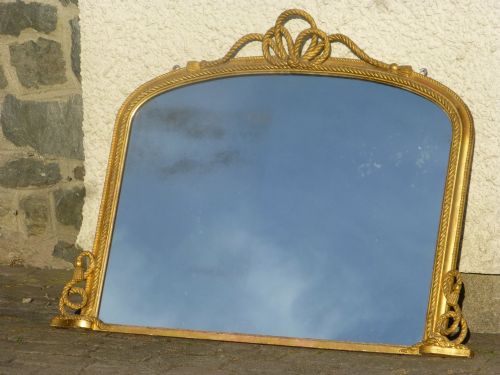
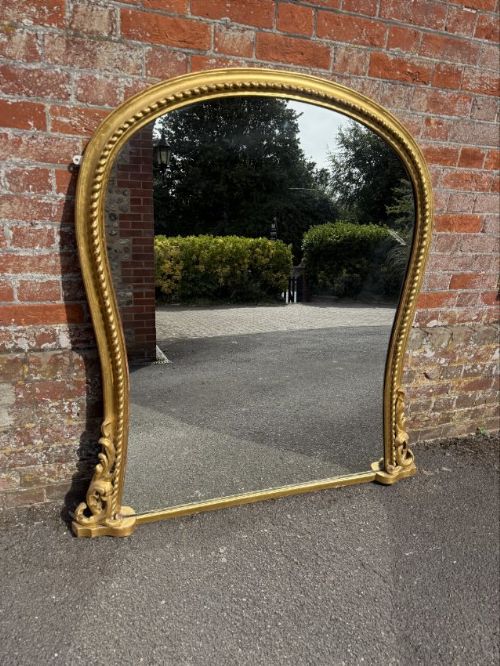
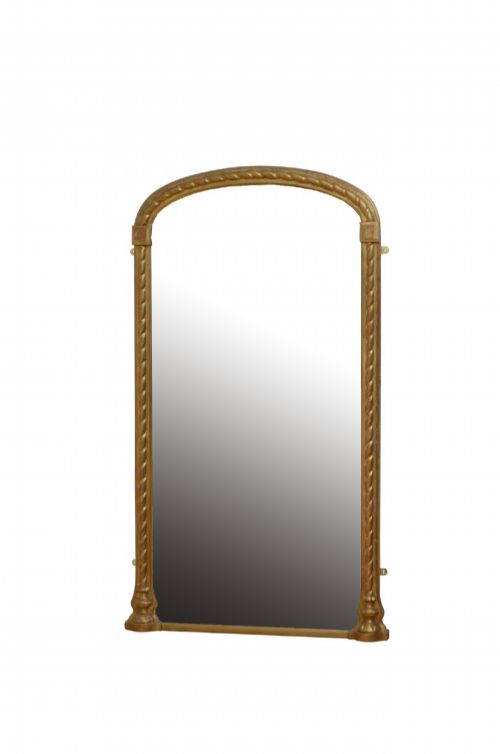
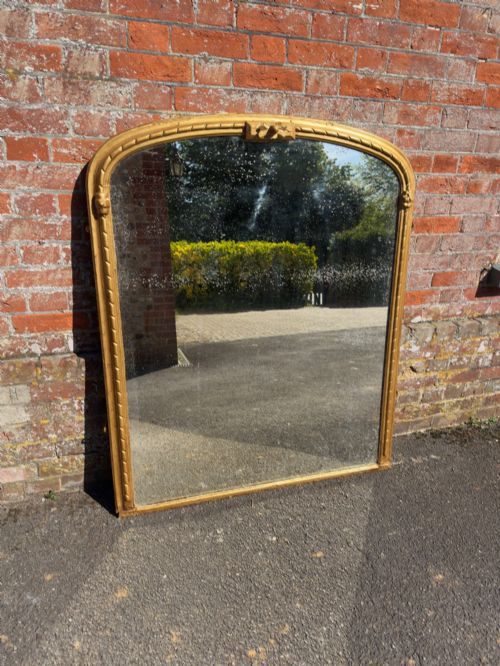
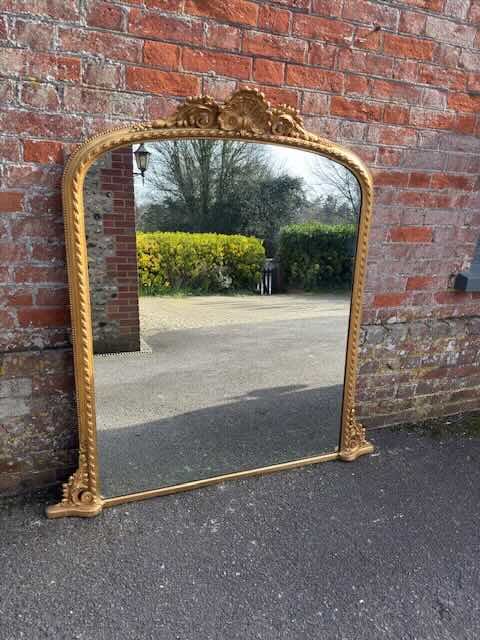
A carved rope twist mirror is typically found in large formats such as overmantels, pier mirrors, and wall hanging pieces dating from the nineteenth century. These objects combine functional glass with ornate framing that mimics twisted cord, often executed with an arched or shaped top.
The pieces appearing in these records originate primarily from English and French workshops of the eighteen-fifties through the eighteen-seventies, alongside occasional Regency and later examples. Overmantel versions dominate the selection, designed originally to sit above a fireplace opening and reflect light across a principal room.
How They Were Made
The frames are constructed from carved wood, commonly pine or general timber substrates, built up with layers of gesso to create crisp relief. Craftsmen then applied gold leaf, water gilding, or paint over the prepared surface to finish the spiral motif.
Mirror glass of the period is set within these heavy frames, occasionally taking the form of cushion plates or triptych arrangements. The rope pattern itself is either carved directly into the wooden moulding or shaped within the gesso build-up.
Some maritime-themed variants bring a subtle nautical rope twist indoors, allowing landlocked rooms to channel the high seas.
What Varies in Quality
Quality rests in the depth and sharpness of the twist carving, where skilled hands produce distinct, undercut strands rather than a shallow impression. The integrity of the underlying gesso determines how well the moulded details survive centuries of handling and atmospheric change.
The application of the original gilding or paint finish creates distinction between standard commercial pieces and finer workshop output. Surfaces that retain their early gold leaf without heavy overpainting hold greater visual clarity.
The Carved Rope Twist Mirror Glossary
- Gesso
- A plaster-like mixture applied to wood frames to provide a smooth surface for gilding or painting. This material accepts deep modelling for decorative elements like rope twists.
- Overmantel Mirror
- A large horizontal or arched mirror designed to hang specifically above a fireplace mantelpiece. These pieces often span a significant portion of the chimney breast.
- Giltwood
- Wood that has been coated with gold leaf or gold paint. It provides a reflective, warm metallic surface popular in nineteenth-century interiors.
- Pier Mirror
- A tall vertical mirror designed to hang on the wall space between two windows. They frequently match console tables or architectural proportions.
- Girandole
- A decorative wall mirror that incorporates attached candle sconces. The candle arms multiply the reflected light within the room.
Carved Rope Twist Mirror: Frequently Asked Questions
Where should a large overmantel mirror be hung?
These mirrors anchor a room when positioned centrally above a fireplace mantelpiece at a height that balances the ceiling proportions. They also function on large expanses of wall where they can draw natural light deeper into the interior space.
Ensure the wall fixings are secured directly into structural studs or masonry due to the substantial weight of the timber and gesso frames.
How do I clean an antique giltwood frame?
Dust the carved rope twist surface gently with a soft, dry brush to remove particles without disturbing fragile gesso or gold leaf. Avoid liquid cleaners, chemical sprays, or moisture entirely, as water strips historical finishes from nineteenth-century frames.
Professional conservators should handle any repairs to flaking gesso or damaged gilding to preserve the original surface integrity.
What is the difference between a pier mirror and an overmantel mirror?
Pier mirrors are built tall and narrow to occupy the wall space between windows or architectural openings. Overmantel mirrors are wider and frequently feature arched or shaped tops suited for horizontal fireplace placements.
Both forms utilise the carved rope twist motif, but their original domestic functions determined their distinct proportions.
Are nineteenth-century mirror plates original?
Many antique mirrors retain their original mercury or silvered glass plates, which often display characteristic foxing, light oxidation, and minor speckling. These age marks confirm the period authenticity of the piece.
Replacements occur when damaged glass was swapped out during the working life of the mirror, though surviving original plates remain preferred by collectors.