

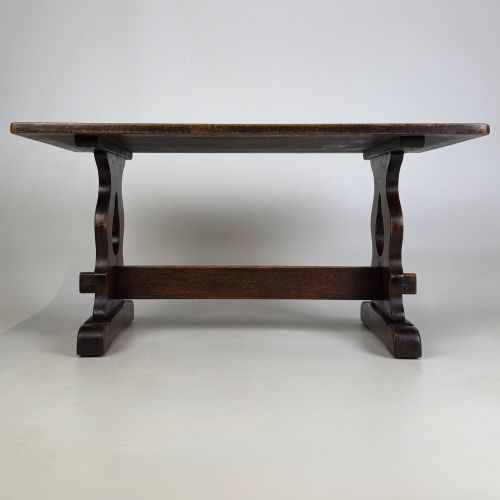
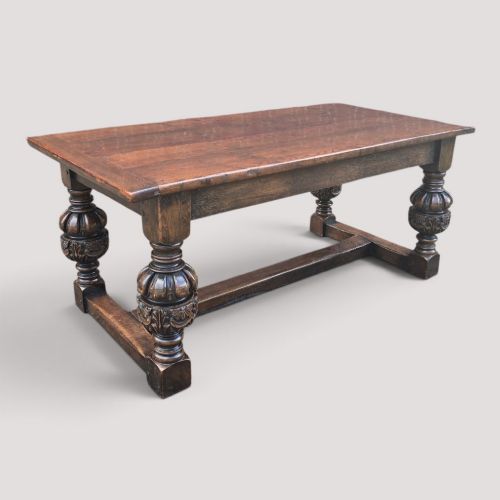
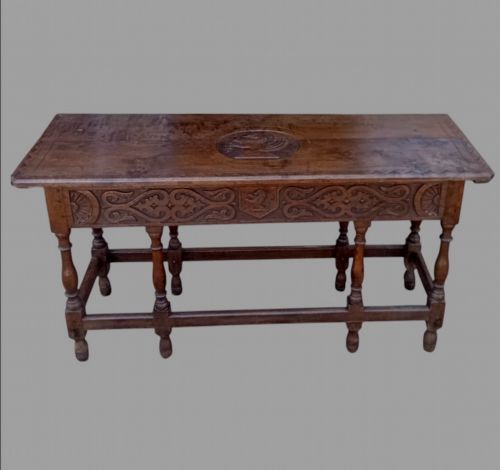
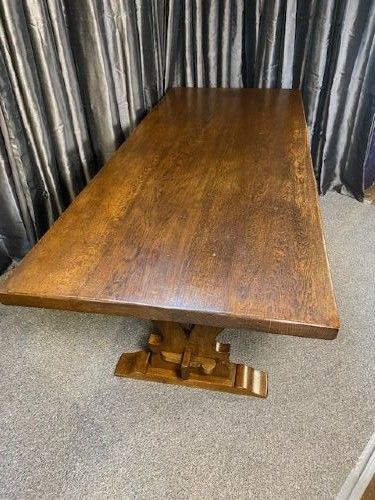


Carved Oak Stretcher Table
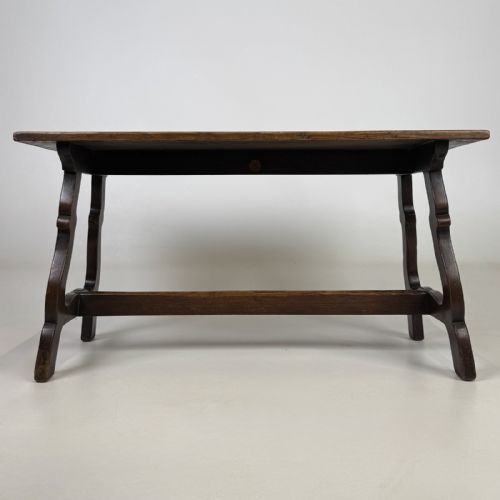
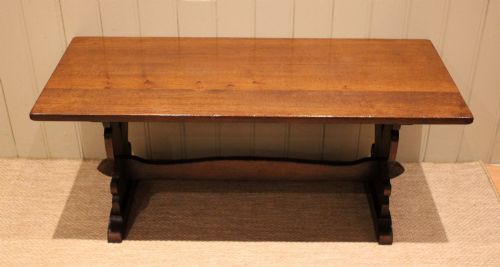
A carved oak stretcher table brings robust timber and sturdy underframing into a room, offering both practical surface space and historic character.
Carved Oak Stretcher Table
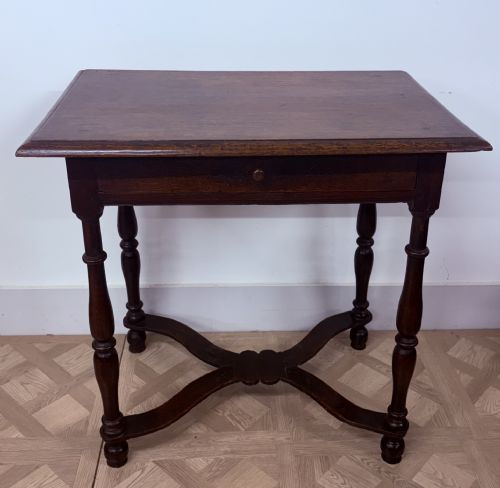
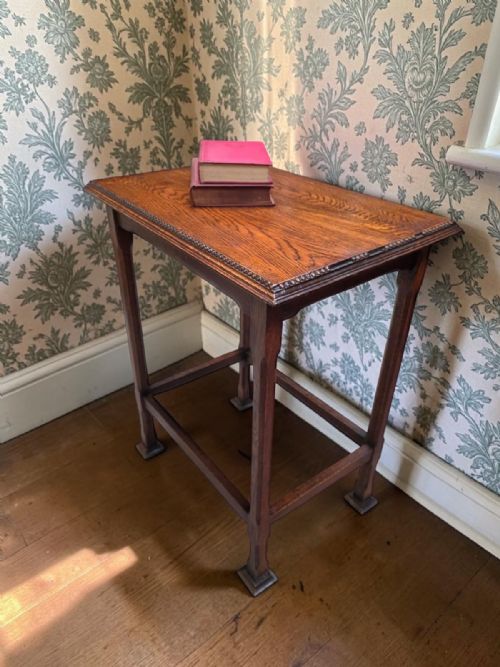
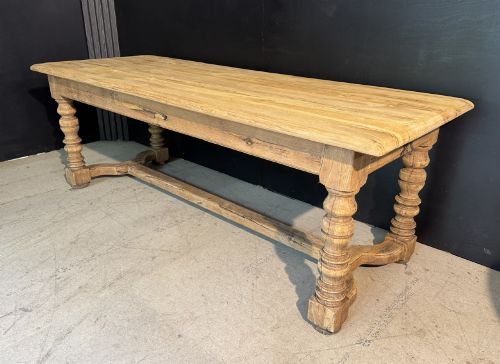
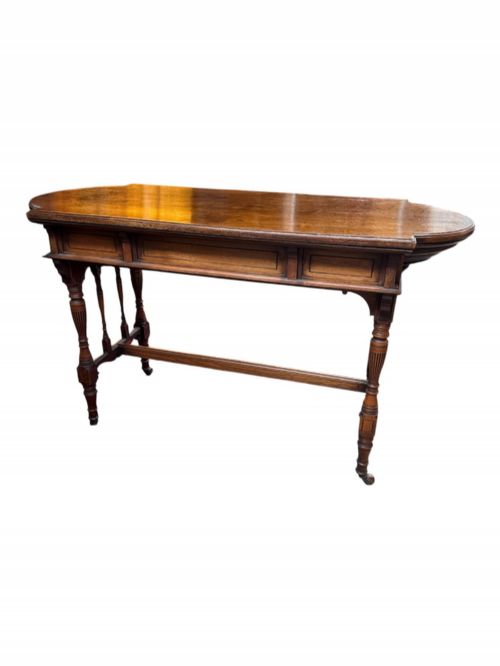
When you search for a carved oak stretcher table, you encounter diverse forms ranging from dining and refectory formats to compact side, hall, and centre tables. These pieces span centuries of production, appearing in authentic 17th-century examples alongside later Victorian, Edwardian, and 20th-century revivals.
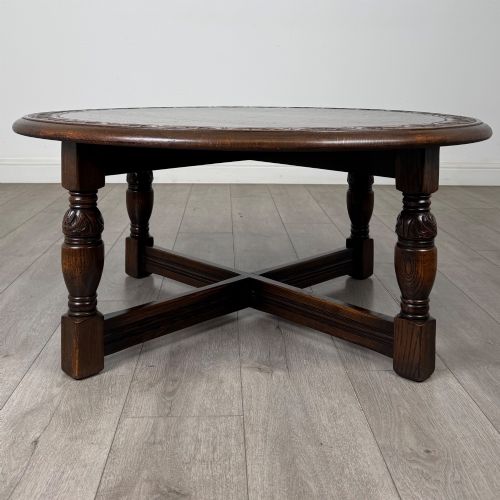
The inventory on this page demonstrates how these tables serve multiple domestic functions, functioning as large farmhouse dining surfaces, smaller coffee tables, writing desks, and console tables. Oak remains the predominant timber, frequently augmented by burr oak variations and supported by lower stretchers in various configurations.
Materials and construction
Makers built these tables primarily using solid oak, occasionally selecting burr oak for distinct grain patterns, alongside secondary timbers such as pine or leather inserts for writing surfaces. Metal components like brass and iron appear in structural or decorative hardware, while stretcher bases provide fundamental rigidity to the frame.
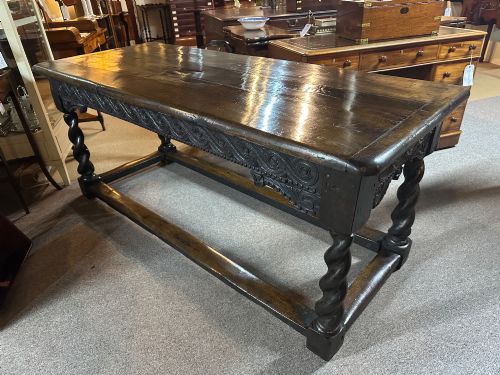
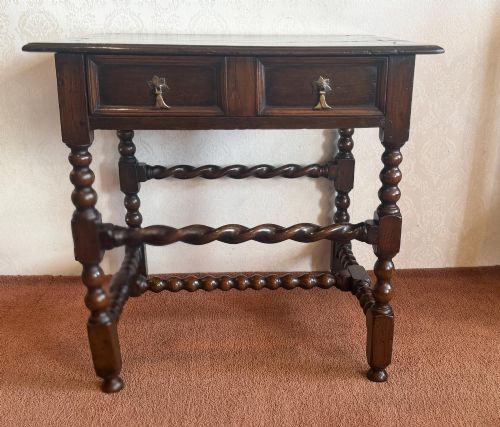
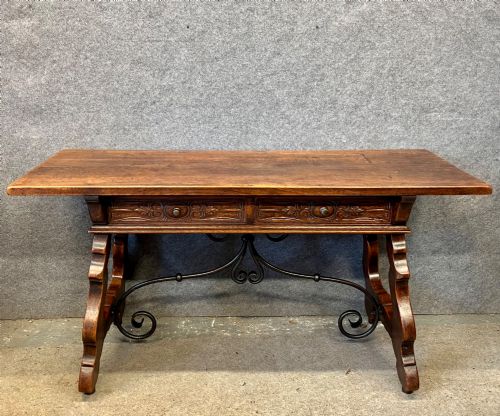
Joinery techniques relied heavily on traditional framing methods, matched with hand-carved ornamentation on aprons, legs, and stretchers. Bobbin-turned and barley twist legs frequently appear alongside straight supports, connecting downward to sturdy foot styles including paw feet.
Carved Oak Stretcher Table Retail Price Guide 2026
Typical asking prices for carved oak stretcher table among the pieces listed under this phrase on Sellingantiques today, from the lower quarter to the upper quarter. They describe what is for sale here now, not the wider market.
Some tables feature carved lion masks and paw feet, proving that historic furniture makers enjoyed adding fierce little beasts to domestic dining rooms.
Assessing quality in construction and finish
The distinction between ordinary and superior examples rests on the crispness of the hand-carving and the integrity of the timber selection. Tables featuring rich grain variation, such as burr oak, and deeply defined relief carving on the friezes and stretchers display a higher grade of craftsmanship.
Structural cohesion dictates overall merit, where stretchers fit securely into the leg architecture without excessive modern intervention. The balance between the top boards and the underframe indicates the original maker's skill in handling heavy timber.
Gillows
The Carved Oak Stretcher Table Glossary
- Stretcher
- A horizontal timber connecting the legs of a table near the base to provide structural stability. These are often arranged in an H-shape.
- Refectory table
- A long, narrow dining table traditionally used in monastic refectories and domestic great halls. They typically feature strong underframes and heavy timber construction.
- Draw leaf table
- A table equipped with pull-out leaves stored beneath the main top that extend to increase the surface area. This mechanism allows flexibility in seating capacity.
- Barley twist
- A decorative turning style resembling a spiral rope, frequently seen on table legs and supports. It became particularly popular during the 17th century and later revival periods.
- Bobbin turning
- A form of woodturning consisting of spherical or cylindrical shapes resembling spools of thread aligned in a row along a leg or stretcher.
Carved Oak Stretcher Table: Frequently Asked Questions
How do I date an oak table?
Dating relies on examining the joinery methods, tool marks, and overall styling of the piece. Earlier examples from the 17th century often show pegged mortise and tenon joints and distinct hand-planed surfaces.
Revival pieces from the Victorian and Edwardian eras typically combine historical motifs with 19th-century or 20th-century manufacturing techniques and hardware.
Where should I place a centre table?
A centre table works well positioned in the middle of a large hallway, library, or living room where it can be viewed from all sides. Because these pieces are finished around the entire perimeter, they suit open spaces rather than sitting flat against a wall.
Ensure you leave enough clearance around the table for comfortable movement and seating access.
How do I care for antique oak?
Maintain antique oak by dusting regularly with a soft, dry cloth and avoiding silicone-based polishes that build up over time. Natural beeswax applied occasionally helps nourish the timber and protects the finish.
Keep the table away from direct heat sources and strong sunlight to prevent the oak from drying out or splitting.