
Carved Giltwood Seat
A carved giltwood seat brings gilded presence to a room, offering the sculptural weight of carved timber paired with historic French and Italian forms.
Carved Giltwood Seat
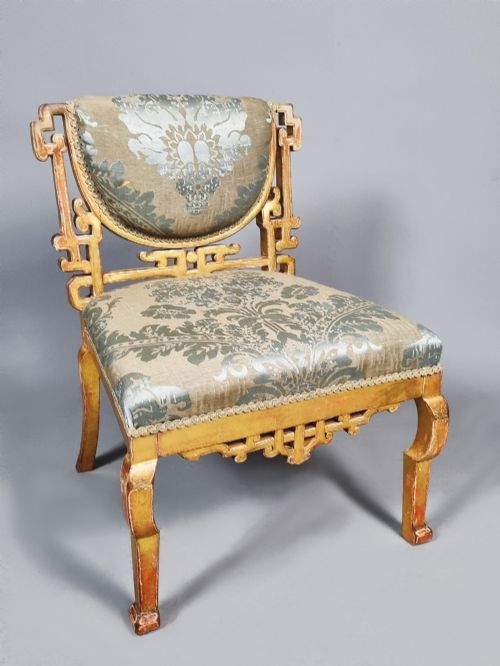
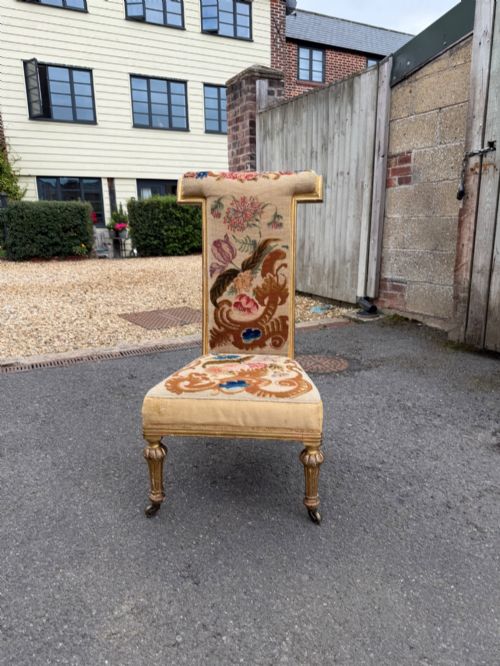
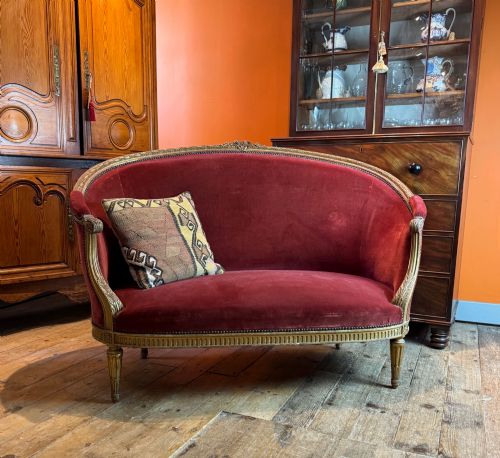
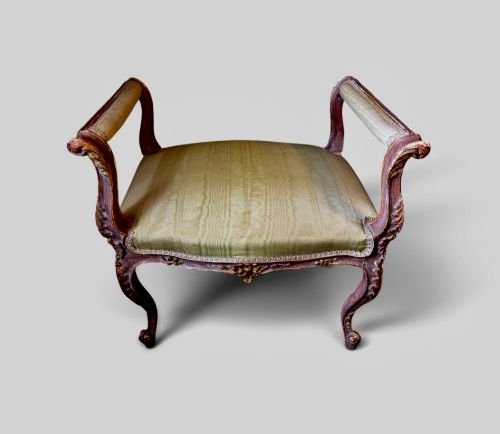
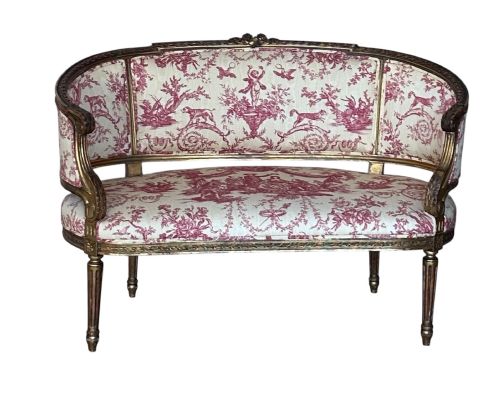
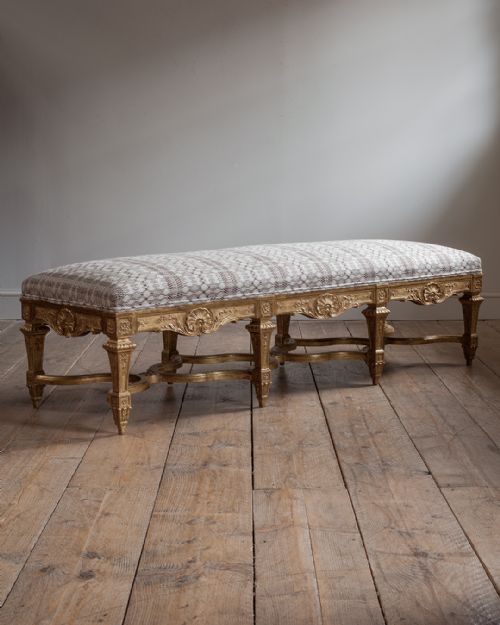
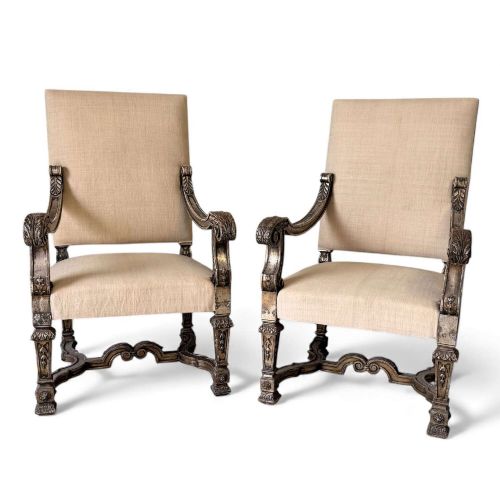
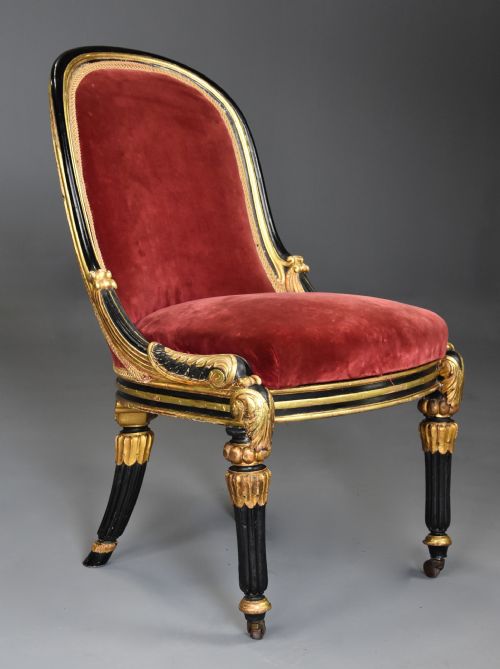
A carved giltwood seat encompasses a wide range of gilded timber furniture designed for formal interiors, including open armchairs, settees, window seats, and stools. The selection spans the eighteenth, nineteenth, and early twentieth centuries, drawing heavily on French and Italian design vocabularies.
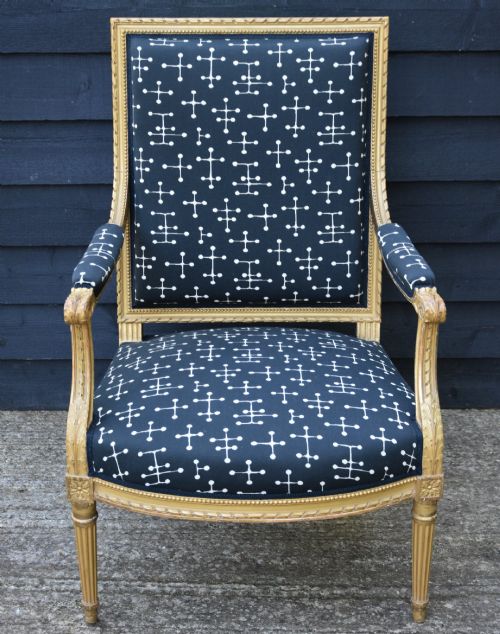
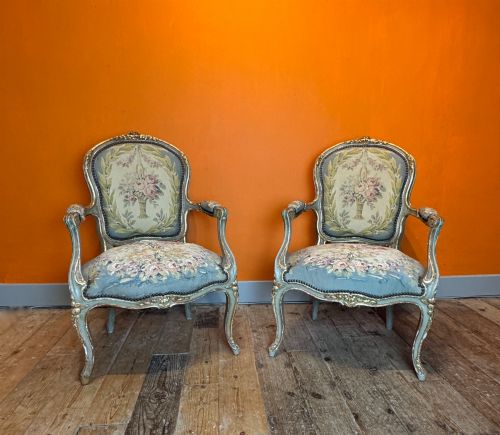
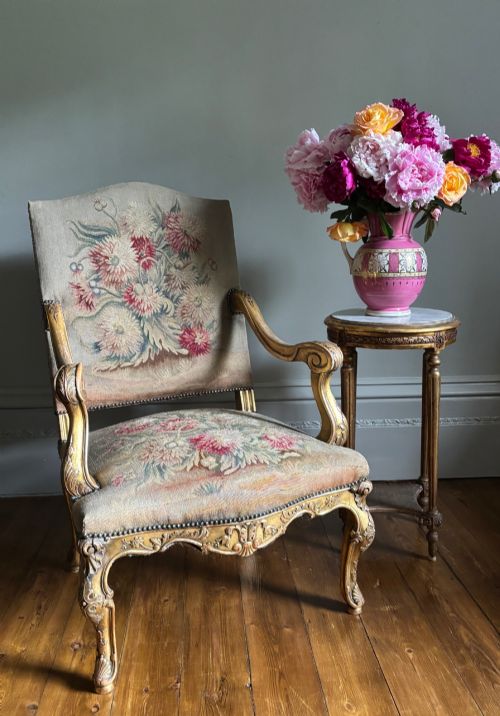
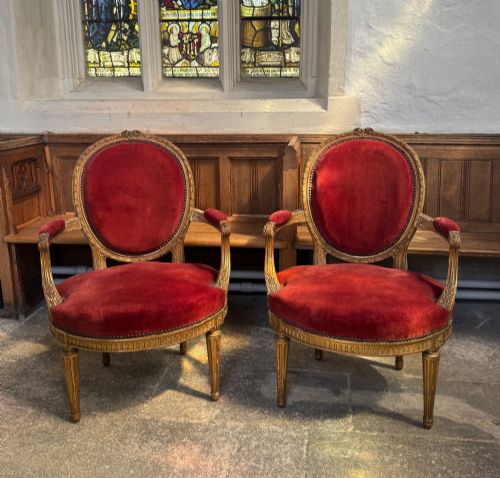
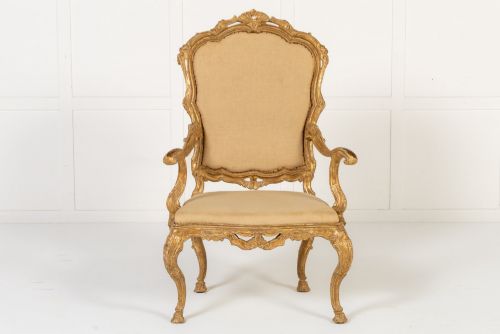
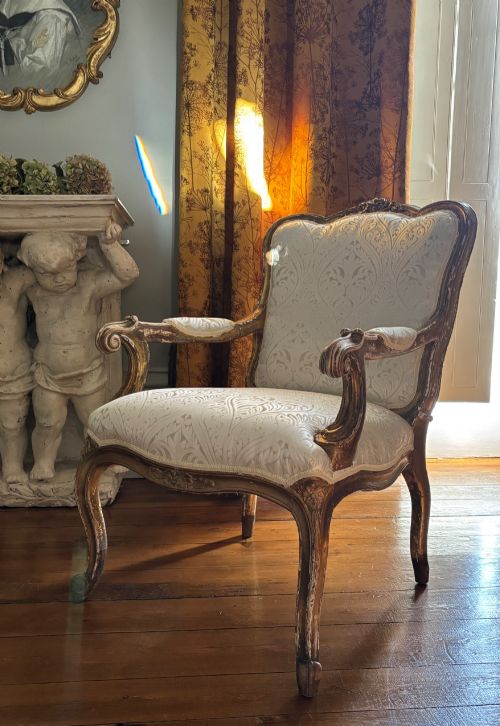
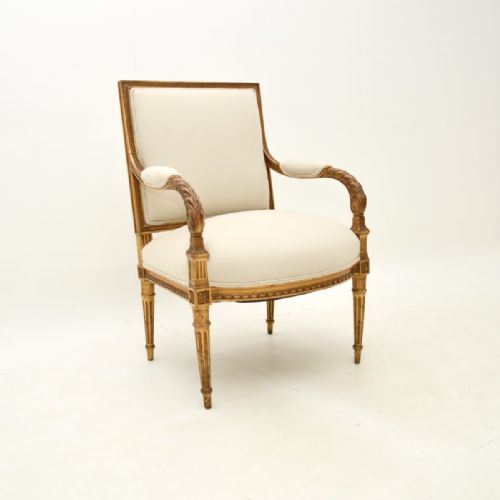
Armchairs and fauteuils dominate the selection, often rendered in Louis XVI, Louis XV, or Rococo revival styles with exposed carved frames and upholstered backs. Alongside these, buyers encounter window seats, long benches, and low stools that reflect nineteenth-century interpretations of classical antiquity.
Many of these pieces originate from French salons or Italian palazzos, bringing considerable decorative presence through elaborate gilding and carved detail. They serve as statement items in drawing rooms and boudoirs, functioning both as usable seating and as historic sculptural objects.
How they were made
Makers shaped structural frames from hardwoods like beech and general timber, carving intricate floral, scroll, and classical motifs directly into the wood before finishing. Gesso was applied to smooth the surface and sharpen the carved details prior to gilding.
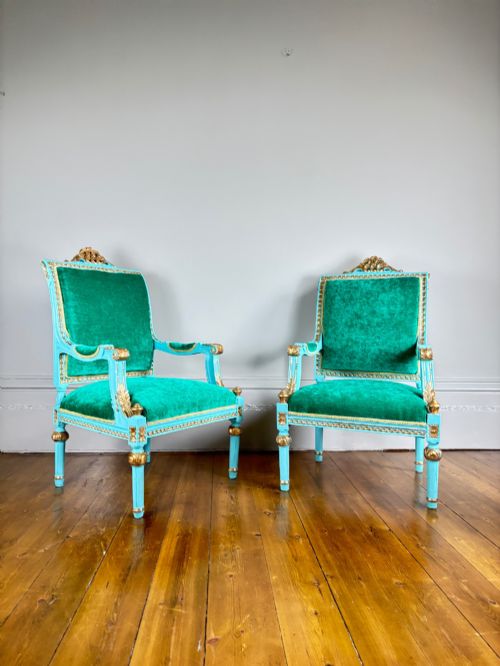
Gilding involved laying ultra-thin sheets of gold leaf over a prepared bole layer, which technicians then burnished to achieve a brilliant reflective sheen or left with a softer matte appearance. Parcel gilt examples combine this gold leaf finish with painted surfaces, particularly in green or cream tones.
Upholstery completed the piece, utilising traditional stuffing techniques covered in contemporary textiles such as silk, velvet, tapestry, and linen. These fabrics are frequently renewed while retaining the historic wooden frame beneath.
Listings feature eighteenth and nineteenth-century forms including fauteuils, window seats, and canapés constructed in beech and timber.
What varies in quality
The depth and crispness of the hand-carved ornamentation separate exceptional frames from routine production, as master carvers achieved a three-dimensional fluidity that lesser workshops missed. The weight and stability of the underlying timber frame also dictate durability.
The quality of the gilding itself determines visual success, with layered gold leaf and skilled burnishing creating depth that outlasts inferior metallic paints or poorly applied foils. Original gilding surfaces show a complex patina of age that mechanical applications cannot replicate.
Proportion and structural harmony reveal the hand of a skilled designer, particularly in revival pieces that emulate eighteenth-century models. Well-balanced arm curves, properly angled backrests, and harmonious leg placement separate fine salon seating from heavier, less resolved interpretations.
Waugh and Son·Blaise Maucuy
The Carved Giltwood Seat Glossary
- Giltwood
- Wood that has been coated with gold leaf or powder over a prepared gesso base. This finish provides the characteristic bright, reflective surface seen on formal historic furniture.
- Fauteuil
- An open-framed upholstered armchair originating in France, distinguished by wooden arms left uncovered by fabric. They were designed for formal seating in eighteenth-century salons and later revived.
- Canapé
- A decorative sofa or settee featuring an exposed carved wooden frame and upholstered seat and back. These pieces mirror the stylistic vocabulary of contemporary armchairs.
- Gesso
- A plaster-like mixture applied to timber surfaces to create a smooth, absorbent base for gilding. It allows carvers to achieve sharp, defined details before applying gold leaf.
- Curule stool
- An ancient Roman form of seat featuring intersecting curved legs, revived during neoclassical periods. These X-framed stools often appear in giltwood and gesso configurations.
Carved Giltwood Seat: Frequently Asked Questions
What is a giltwood window seat?
A giltwood window seat is a long, backless bench designed to fit beneath a window recess, featuring a carved and gilded wooden frame. These pieces often include upholstered drop-in seats covered in silk or velvet.
Historically placed in grand nineteenth-century drawing rooms, they provided light seating without obstructing natural illumination from tall windows.
Are these seats suitable for daily use?
These antique seats are structurally sound for everyday sitting when maintained properly, though their historic frames require respectful handling. Many pieces feature modern upholstery that provides comfortable support while preserving the antique timber below.
Positioning them away from direct sunlight and heavy moisture protects both the delicate gold leaf finish and the underlying wood structure.
What does parcel gilt mean?
Parcel gilt refers to furniture where only specific carved portions of the wooden frame are highlighted with gold leaf, while the remaining surface is painted. This technique creates a contrasting interplay between painted wood, often in soft green or cream, and gilded highlights.
This finish is frequently found on nineteenth-century salon chairs and neoclassical revival pieces designed to lighten the visual weight of heavy timber.