


Neoclassical Window Bench
These neoclassical window bench pieces bring classical restraint and tailored seating to light-filled rooms.
Neoclassical Window Bench
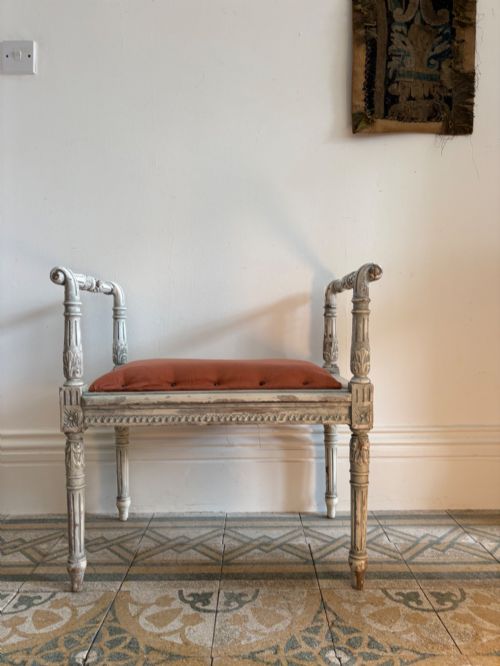
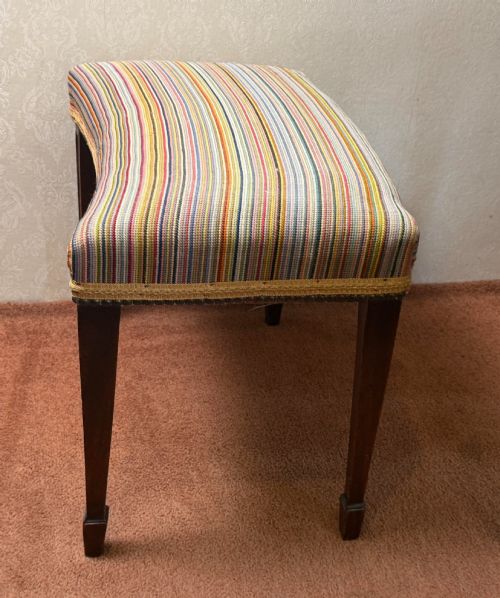
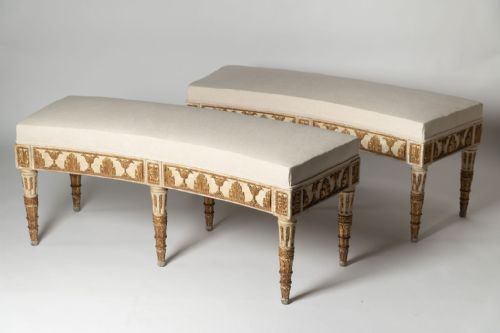
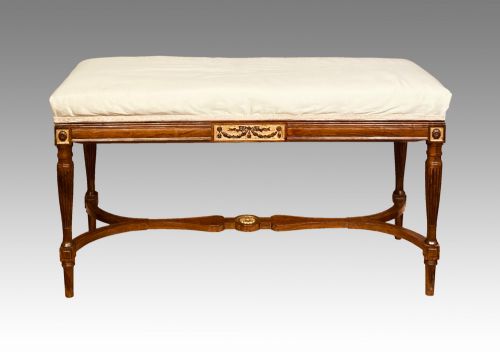
A neoclassical window bench offers long, low seating designed to sit beneath sills or in narrow hallways, drawing on antique forms from the eighteenth and nineteenth centuries. These pieces appear as simple upholstered stools, carved window seats, and small settees framed in mahogany, giltwood, or painted wood.
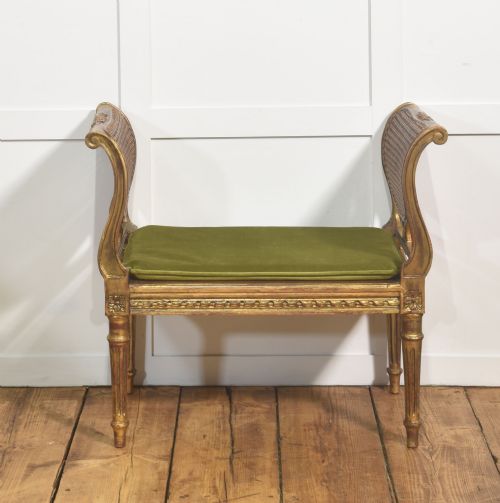
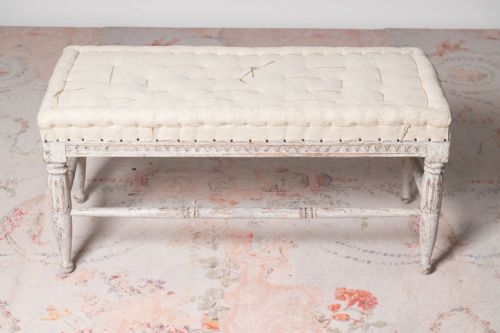
The versions most commonly found here date from the nineteenth and early twentieth centuries, spanning French, Italian, Swedish Gustavian, and English George III styles. They include rectangular frames, curule X-shapes, and oval or shield-back forms covered in silk, velvet, damask, or cane.
Makers and designers of these forms borrowed heavily from ancient Greek and Roman motifs, translating rigid architectural lines into domestic furniture. Buyers select them for bedrooms, living spaces, and landings where substantial sofas overwhelm the floor plan.
Materials and construction
Makers relied on dense hardwoods such as mahogany, birch, and satinwood for structural frames, often finishing the timber with paint, gesso, or gilding. Carved details and square tapering legs define the English and continental aesthetic of the period.
Upholstery techniques combined traditional webbing and springs with high-status textiles including silk, velvet, red damask, and woven cane panels. Frames ranged from austere painted Swedish pine to ornate Italian and French giltwood adorned with classical relief carving.
Some nineteenth-century makers secretly practiced music while pretending to upholster, leading to suspiciously melodious needlework sessions.
Judging quality and proportion
Quality rests in the crispness of the carved ornament, the elegance of the frame proportions, and the integrity of the joinery. Well-drawn pieces exhibit balanced lines and harmonious scale, avoiding clumsy timber sections.
The choice of surface finish dictates the level of refinement, from carefully layered giltwood and gesso to finely painted satinwood and birch. The retention of original upholstery textiles or appropriate traditional re-covering elevates the historic character of the piece.
Charles Nosotti
The Neoclassical Window Bench Glossary
- Curule stool
- A form based on the ancient Roman magistrate chair, featuring crossing X-frame supports. This folding style was revived during the neoclassical and Empire periods.
- Giltwood
- Timber coated with a thin layer of gold leaf over a prepared gesso ground. It provides a reflective, metallic surface seen on formal French and Italian seating.
- Gustavian
- The Swedish interpretation of French neoclassical design, characterised by pale painted finishes and restrained classical carving. These pieces offer a brighter, simpler aesthetic.
- Cane
- Woven split rattan used for seats and back panels. It provides a lightweight, textured surface favoured in warmer climates and lighter bedroom furnishings.
- Settee
- A small upholstered sofa with a backrest, designed for two or more people. They share the slim proportions and decorative vocabulary of window seats.
Neoclassical Window Bench: Frequently Asked Questions
Where should I place a window bench?
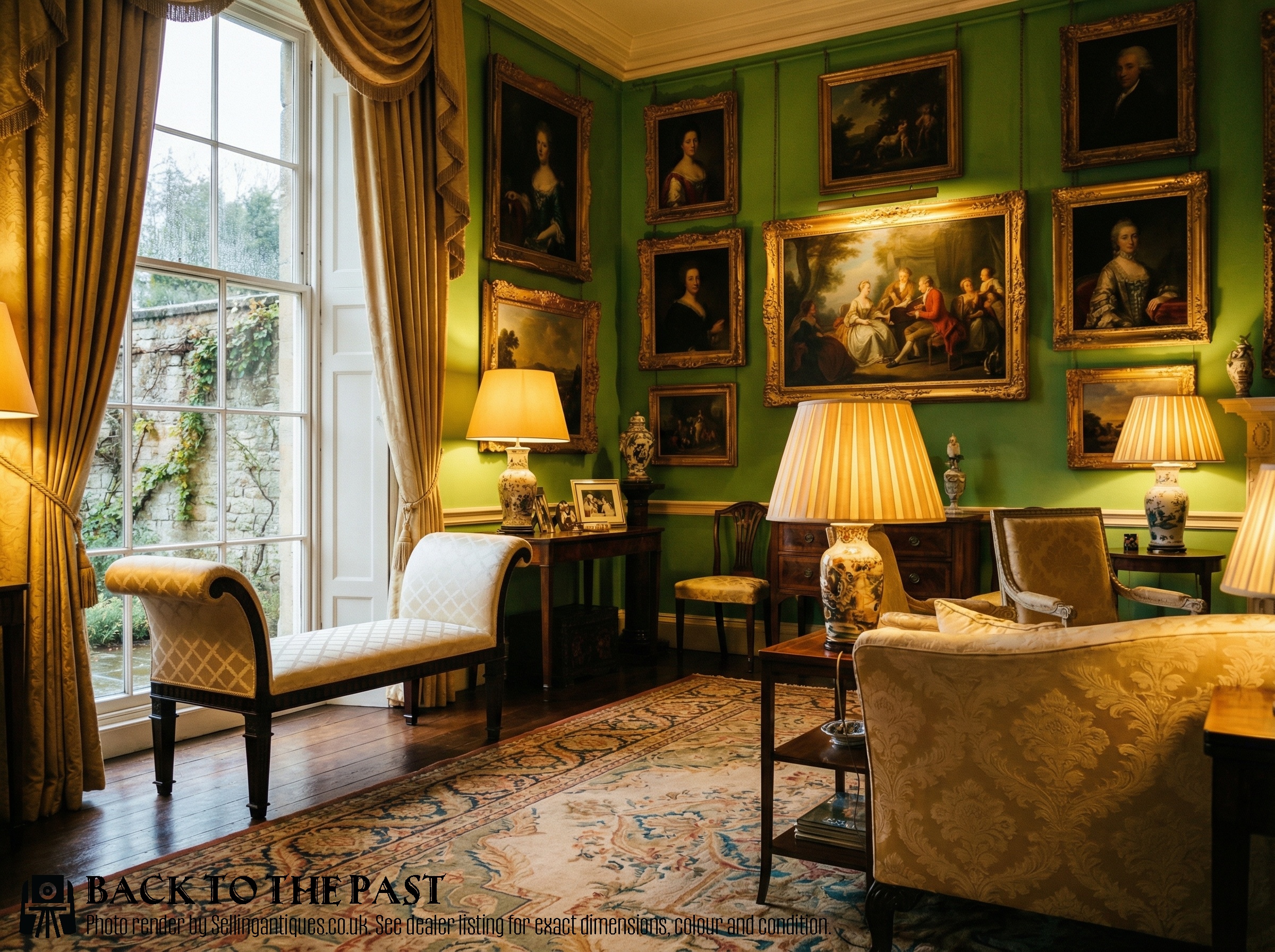
These seats suit narrow transitional spaces, bedroom ends, and beneath low sills where standard chairs obstruct the view. Their shallow depths allow them to sit flush against walls without dominating the room.
Positioning them near natural light highlights the carved woodwork and textured upholstery fabrics characteristic of the neoclassical style.
How do I identify a Gustavian piece?
Gustavian pieces originate from Sweden and typically feature pale painted wood finishes, such as white or soft grey. Their decoration is more restrained than French counterparts, favouring simple fluting and understated classical motifs.
Birch and pine are common timbers used in these Scandinavian designs, giving them a lighter visual weight.
What is the difference between a stool and a window seat?
A stool generally lacks a backrest and offers open access from all sides, functioning as a movable footrest or perching seat. Window seats often incorporate low ends, armrests, or open frames tailored for longer periods of sitting.
Both forms share similar leg structures and upholstery treatments across the eighteenth and nineteenth centuries.
Can these benches be reupholstered?
Historic frames often require new fabric to match modern interiors, provided the internal webbing and padding are renewed carefully. Traditional materials like horsehair and silk damask can be replicated to maintain historical integrity.
Consulting a specialist ensures the timber frame is not damaged during the reupholstery process.