


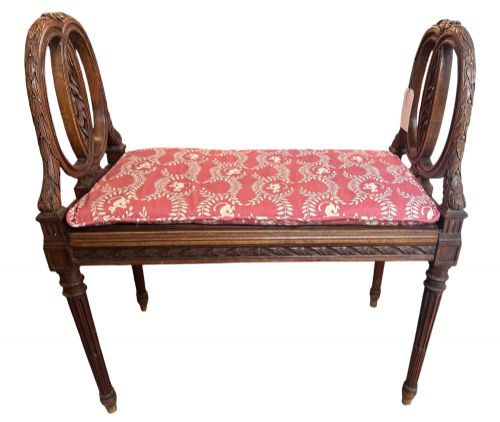


Bedroom End Bench
A bedroom end bench anchors the foot of a bed, combining practical seating with tailored upholstery across periods from the nineteenth century onward.
Bedroom End Bench
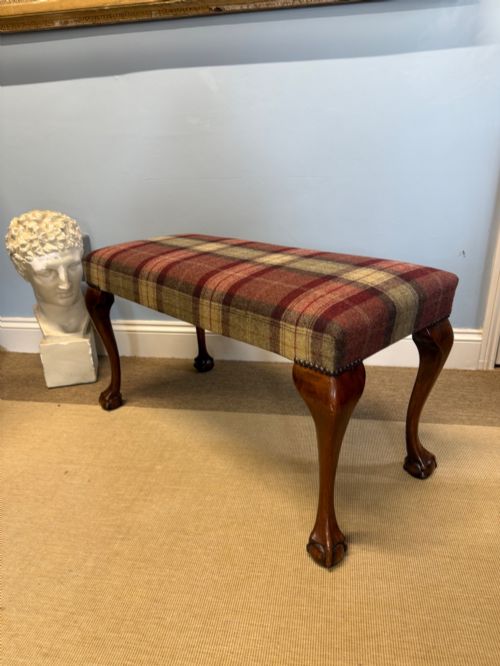
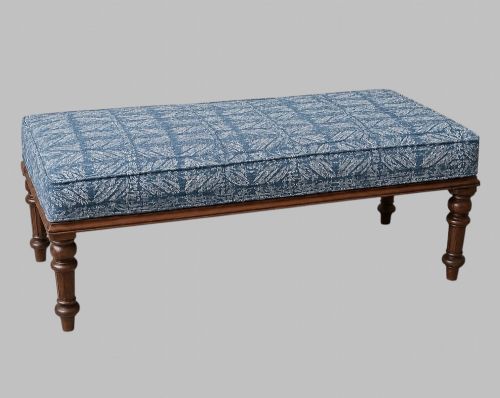
A bedroom end bench serves as a functional addition to the base of a bed, offering a convenient surface for dressing or resting. These items appear in various forms on this page, including window seats, long stools, ottomans, and luggage stands.
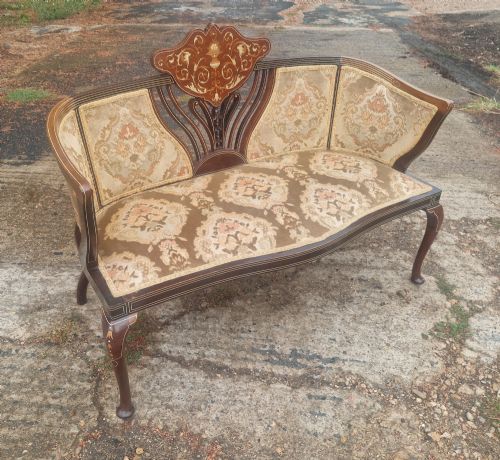
The selection ranges from Edwardian inlaid sofas and late Victorian walnut window seats to French Régence and Louis XVI style carved frames. Mahogany, walnut, and painted woods provide the structural foundations for these varied designs.
Makers and designers from past centuries, such as Gillows of Lancaster, occasionally contributed marked pieces to this category. Most examples, however, remain unsigned domestic furnishings reflecting prevailing tastes of their respective decades.
How they were made
Cabinetmakers utilised solid hardwoods such as mahogany, walnut, and oak to construct the frames, often employing traditional joinery methods to ensure stability. Carved details, inlaid satinwood, and fluted legs demonstrate the craftsmanship applied to the woodwork.
Upholstery techniques involve deep buttoning, webbing, and springs covered in textiles like wool, linen, velvet, and patterned fabrics. Later coverings often reflect professional reupholstery using traditional materials to maintain period character.
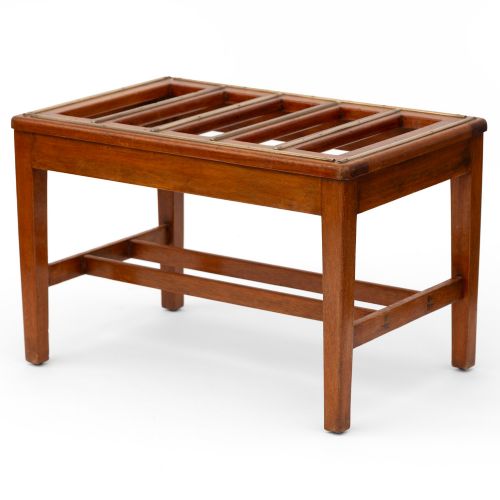
A polished oak luggage stand once stationed in a West End hotel now serves as sturdy bedroom seating.
What varies in quality
Construction rigidity and the precision of hand-carved ornamentation dictate the standard of the wooden frame. Pieces retaining original surface polishes or crisp joinery stand apart from those with compromised structural integrity.
The grade of upholstery materials and the execution of stuffing and stitching affect both comfort and longevity. Textile selection, from simple linen to high-end printed cotton, influences the overall finish of the seat.
Gillows of Lancaster
The Bedroom End Bench Glossary
- Window seat
- An elongated stool or small settee designed to fit within a window recess or at the foot of a bed. These typically feature open frames and upholstered top surfaces.
- Ottoman
- A low, upholstered seat or bench without arms or a back, frequently utilised for storage or end-of-bed placement.
- Luggage stand
- A low wooden frame designed originally for holding travel trunks, adapted in modern usage for bedroom seating or surface display.
- Cabriole leg
- A furniture leg that curves outward at the knee and tapers inward toward the foot, commonly found on eighteenth and nineteenth-century seating.
- Inlay
- A decorative technique where contrasting materials such as satinwood or bone are embedded into depressions within the primary wood surface.
Bedroom End Bench: Frequently Asked Questions
What is a bedroom end bench used for?
These pieces provide a convenient place to sit while dressing or to lay out garments at the start of the day. They also balance the proportions of a large bed by filling the empty space at its foot.
Beyond utility, they introduce texture and colour through exposed wood and upholstered surfaces. Many examples double as low tables or surface displays when paired with a tray.
How do I date a wooden window seat?
Dating relies on observing the timber species, construction joints, and stylistic motifs present on the frame. Victorian and Edwardian pieces often display heavier proportions or specific revival styles.
Secondary woods inside the frame and tool marks left by saws or chisels offer further clues regarding manufacturing periods. Upholstery methods can also indicate age, though most older pieces have been recovered.
Can I place an ottoman at the bed end?
Ottomans function well at the base of a bed, particularly designs featuring deep buttoning or lift-up lids. They offer interior storage alongside a cushioned surface for sitting.
When selecting an ottoman, measure the width of the bed frame to ensure the bench proportions align correctly. Lower profiles work best beneath standard mattress heights.
What fabrics suit a period bench?
Traditional textiles such as wool, linen, velvet, and woven cotton match the historical character of nineteenth and early twentieth-century frames. Printed linens and patterned velvets add visual weight to formal styles.
When choosing a fabric, consider the room's existing palette and the intended frequency of use. Durable weaves suit seating subjected to daily handling.