

Carved Gilded Chair
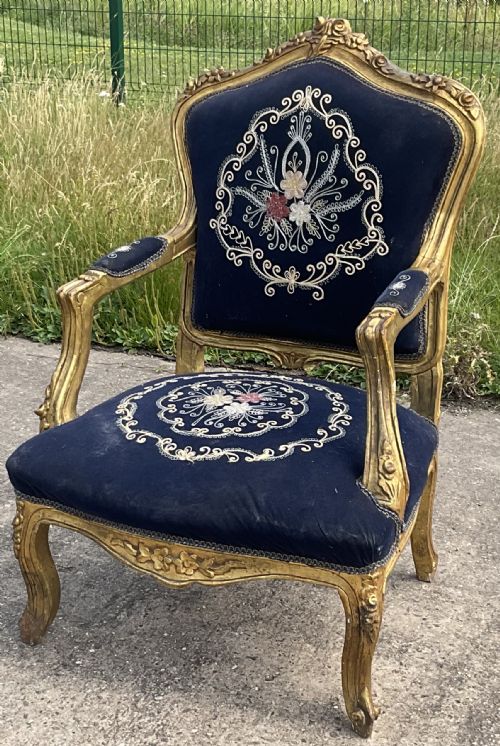
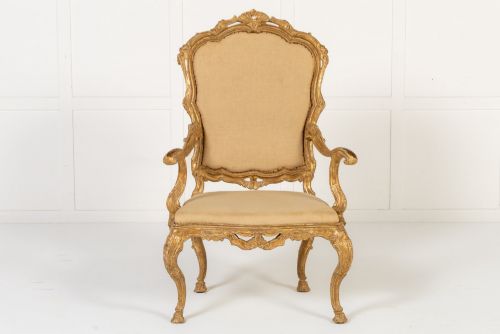
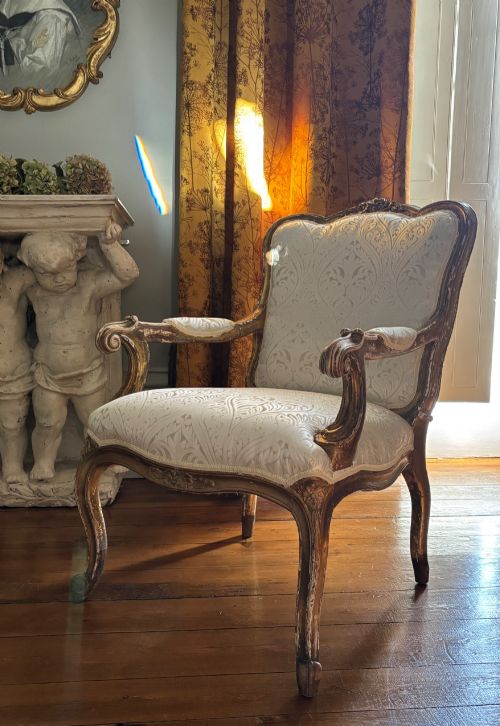
A carved gilded chair brings immediate formal presence to a room through bright metallic surface work and shaped timber framing.
Carved Gilded Chair
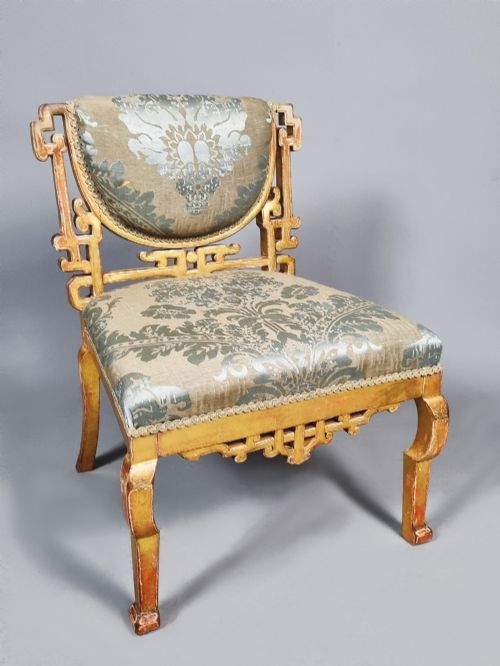
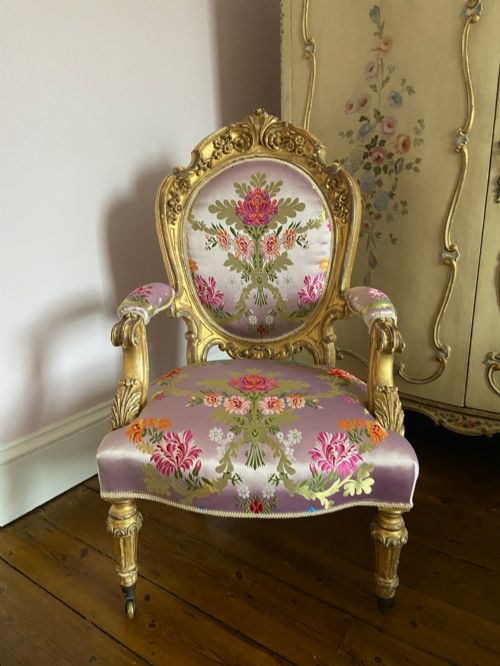
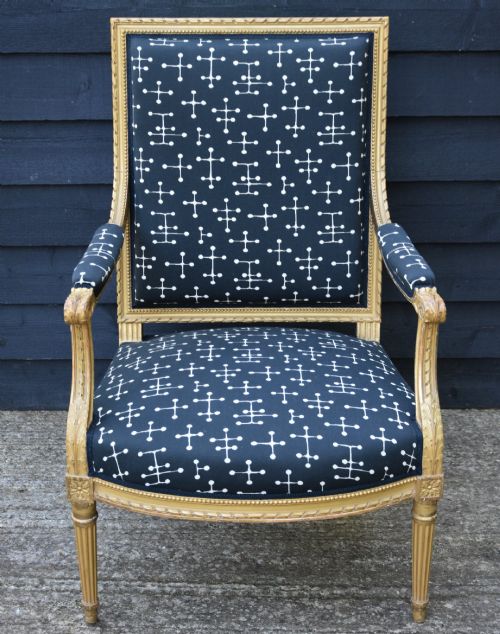
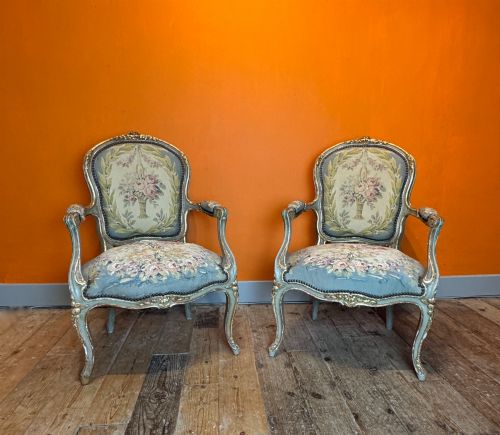
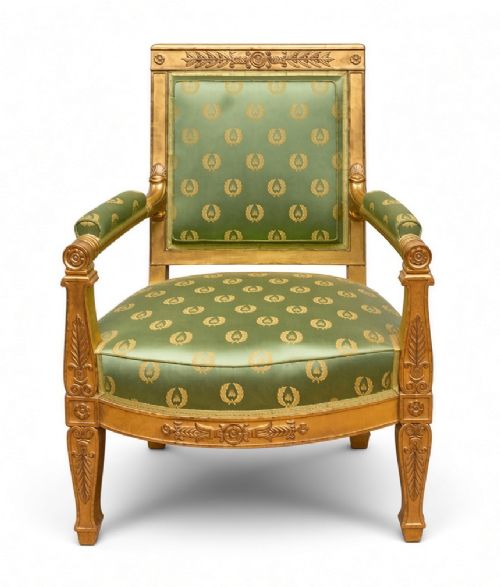
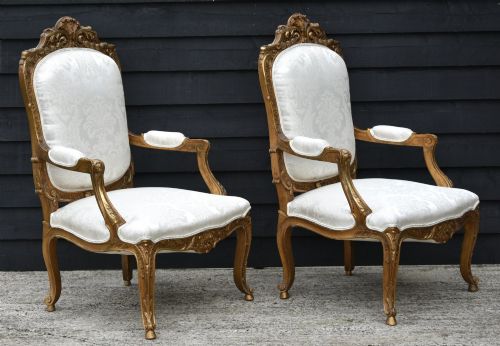
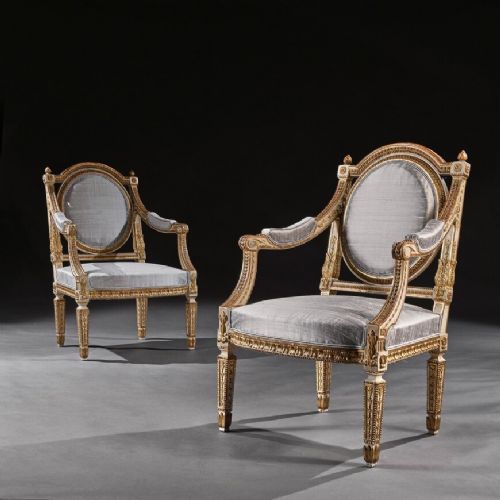
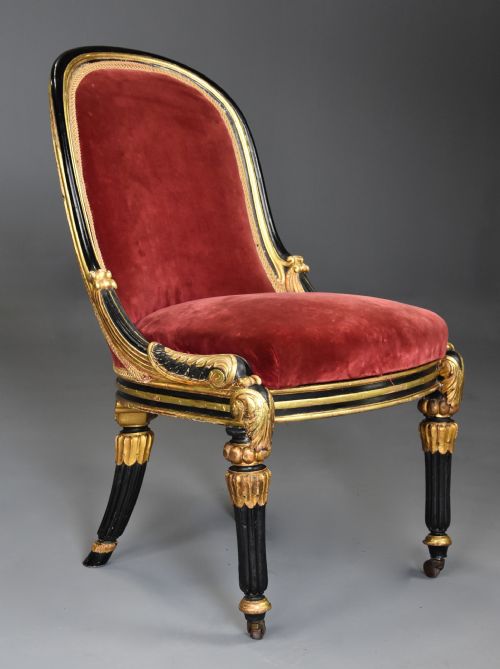
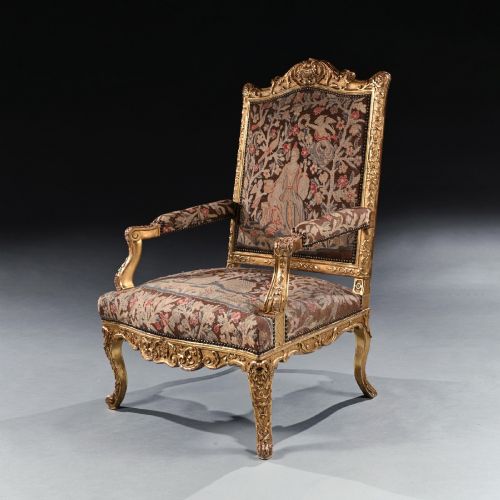
A carved gilded chair comprises various seating forms shaped from timber and finished with gold leaf, giltwood, paint, or parcel gilt treatments. Buyers exploring this category encounter numerous nineteenth-century examples alongside eighteenth-century originals, often following French Louis XVI, Regency, Rococo, or Neo-classical design idioms.
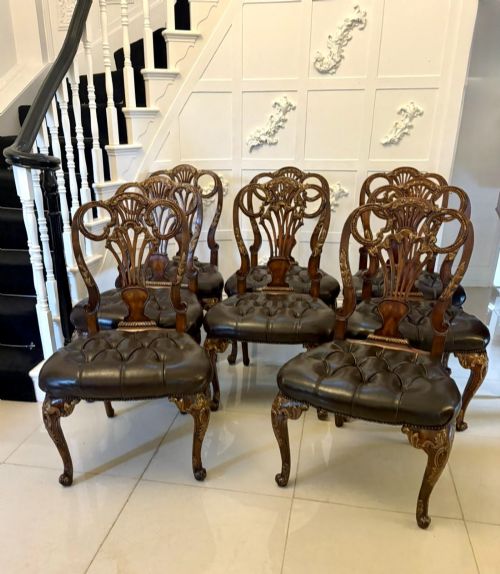
The selection ranges widely from large open armchairs, bergères, fauteuils, and throne chairs to smaller salon chairs, dining chairs, nursing chairs, side chairs, and occasional seating. Many items emerge from French and Italian workshops, while others reflect English cabinet-making traditions of the nineteenth century.
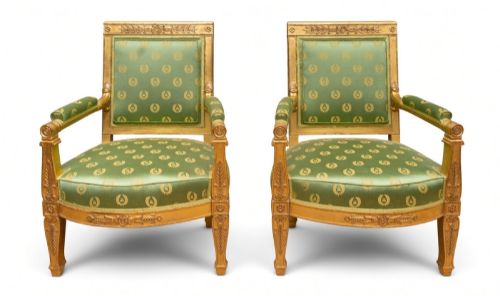
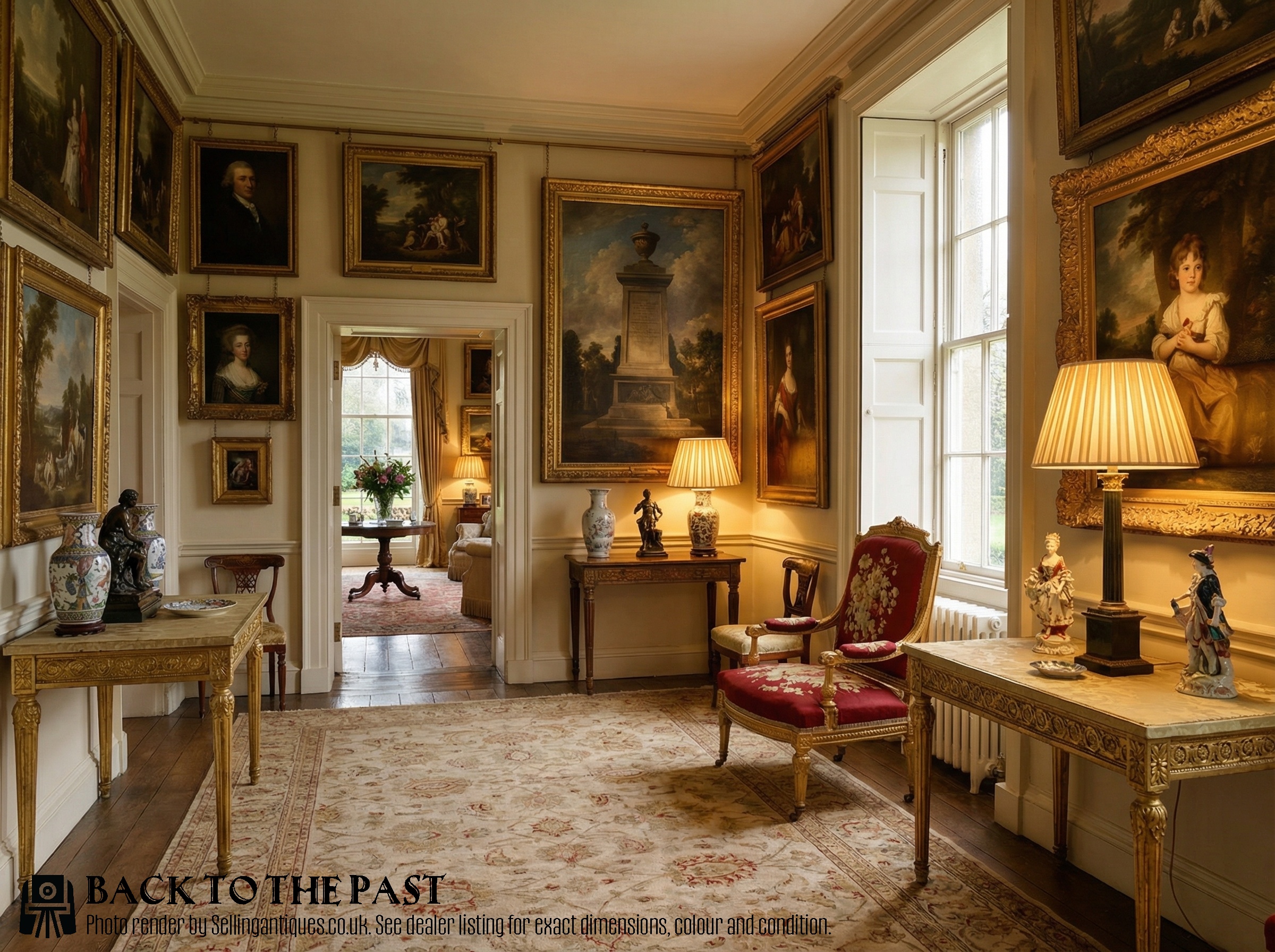
Sets appear alongside individual pieces and pairs, frequently upholstered in silk fabric, velvet, tapestry, or plain materials. These items served formal reception rooms, bedrooms, and galleries, maintaining a decorative function that continues in contemporary interiors.
How they were made
Frames are constructed from hardwoods such as beech, walnut, and general wood stock, shaped with manual carving tools to create intricate scroll arms, fluted legs, and moulded crest rails. Joinery relies on traditional techniques to support the structural weight while accommodating delicate decorative profiles.
Surface ornamentation is achieved by applying gold leaf or liquid gilding over prepared grounds on timber or gesso, sometimes combined with painted or ebonised surfaces. Upholstered variants integrate internal webbing, stuffing, and textile coverings including silk, velvet, and tapestry.
Listings feature beech and walnut frames decorated with gold leaf, velvet, silk, and tapestry upholstery across the eighteenth and nineteenth centuries.
What varies in quality
Quality rests upon the crispness of the timber carving and the integrity of the gilding application, where hand-tooled depth outperforms shallow machine work. Original surface patination and the survival of early gold leaf contribute substantially to the standing of a piece.
Structural refinement shows in the harmony of proportions, the weight of the underlying wood frame, and the retention of period upholstery methods. Sets that remain intact across multiple matching chairs command distinct interest compared to isolated survivors.
Waugh & Son·Jacob-Desmalter·Blaise Maucuy
The Carved Gilded Chair Glossary
- Giltwood
- Timber that has been coated with gold leaf over a prepared base. This finish gives the carved frame its characteristic metallic glow.
- Fauteuil
- An open-armed upholstered armchair originating in France. The wooden armrests typically feature padded elbow rests.
- Bergère
- An enclosed armchair with upholstered sides and back. It often incorporates a loose squab cushion over the seat.
- Parcel Gilt
- A decorative treatment where only specific carved highlights or details are gilded, leaving the underlying wood or paint exposed elsewhere.
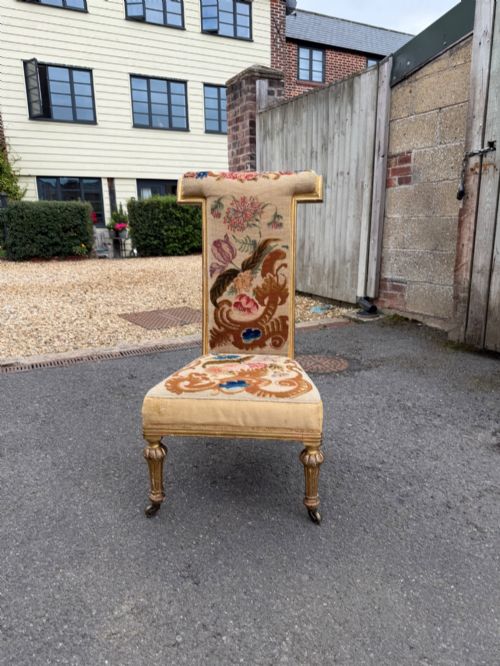
- Prie Dieu
- A devotional chair designed for kneeling, featuring an upper shelf or rest for prayer books. These pieces date across the nineteenth century.
Carved Gilded Chair: Frequently Asked Questions
How do I identify a Louis XVI style chair?
Louis XVI style seating is distinguished by straight fluted legs, symmetrical geometric proportions, and rectangular or oval backs. These design elements contrast sharply with the curving asymmetry of earlier Rococo forms.
Craftsmen often incorporated classical motifs such as acanthus leaves, ribbons, and urns into the carved wooden frames during revival periods in the nineteenth century as well as the original eighteenth-century epoch.
Can these chairs be used for everyday dining?
Dining sets in this category provide functional seating around a table, though their delicate gilded surfaces require careful handling. Many salon and side chairs were built primarily for decorative entertaining rather than heavy daily wear.
Checking the structural joints and frame stability helps determine whether a specific set suits regular domestic use or lighter occasional placement.
What is the difference between an armchair and a bergère?
Standard armchairs feature open wooden sides between the armrest and the seat rail. A bergere encloses the seated occupant with solid upholstered sides.
This enclosed construction provides a more sheltered seat, frequently paired with a down-filled cushion for added comfort.
How should I care for antique giltwood?
Giltwood surfaces require gentle dusting with a soft, dry brush or cloth to prevent moisture damage to the delicate gold leaf. Avoid liquid cleaners, polishes, and abrasive cloths entirely.
Keeping the furniture away from direct sunlight and excessive humidity protects both the underlying gesso and the metallic leaf from cracking or lifting.