
French Revival Armchair
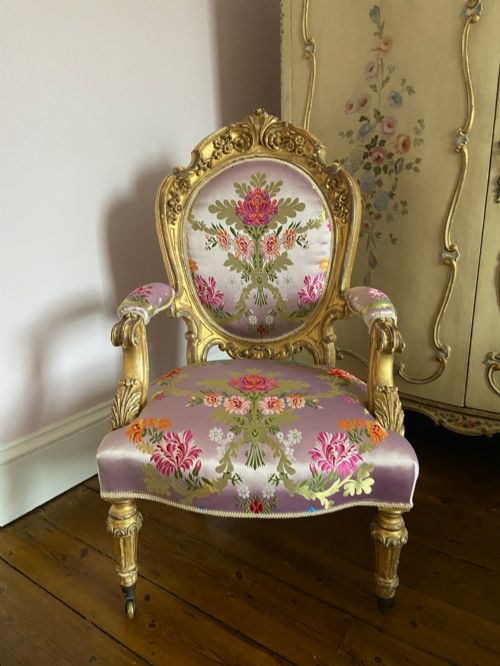
A french revival armchair brings theatrical continental grandeur into a room, offering carved wooden frames and rich upholstered comfort.
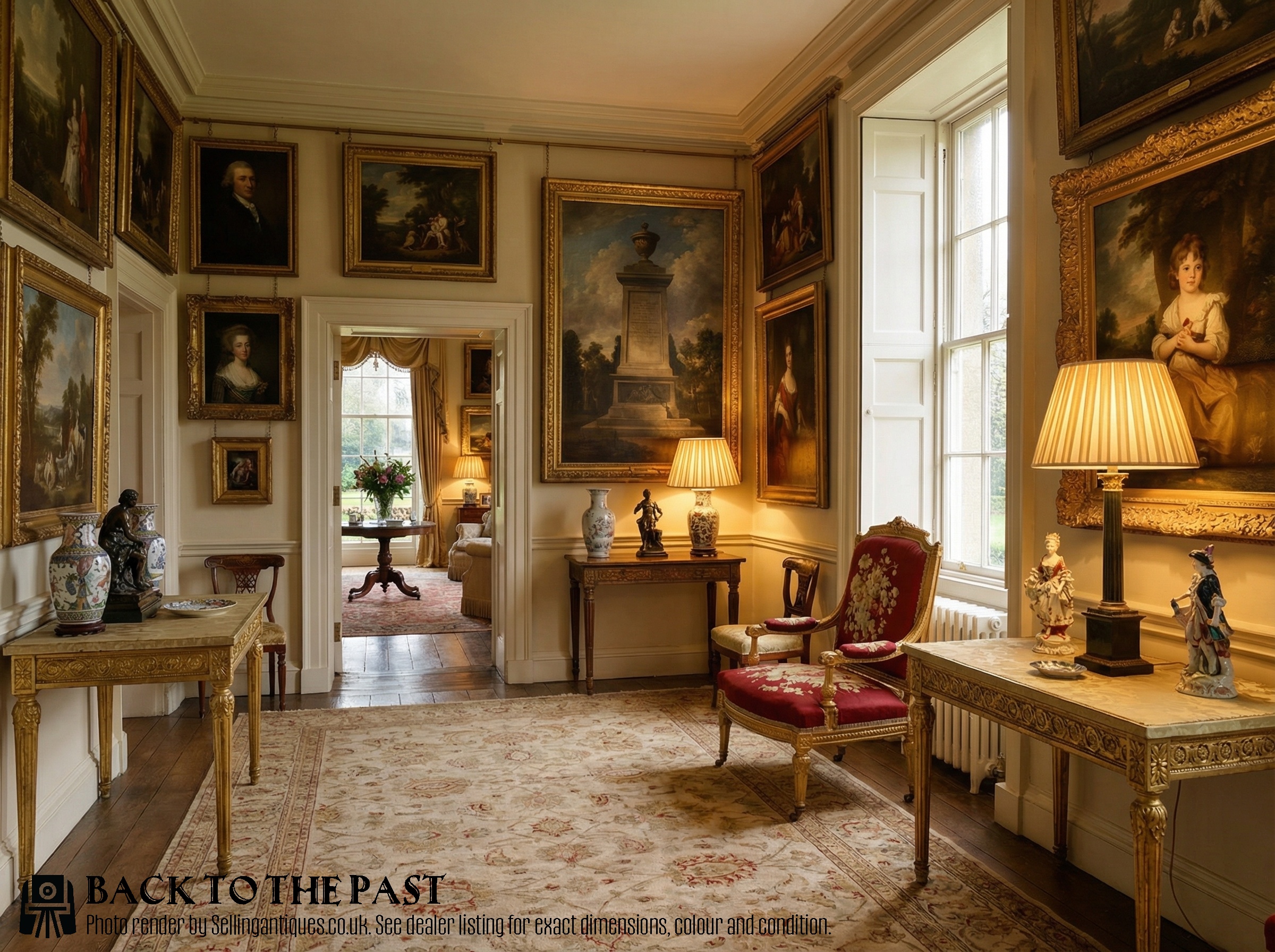
French Revival Armchair
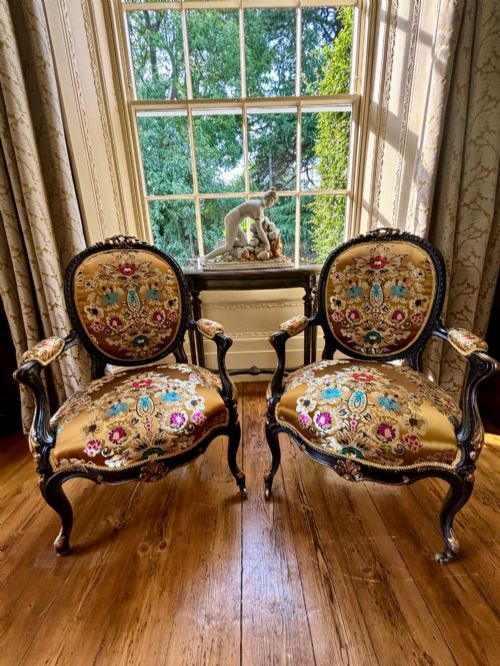
When searching for a french revival armchair, buyers encounter pieces spanning the nineteenth century through the early twentieth century, drawing inspiration from historic royal court aesthetics.
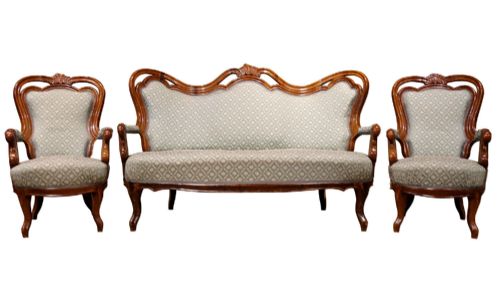
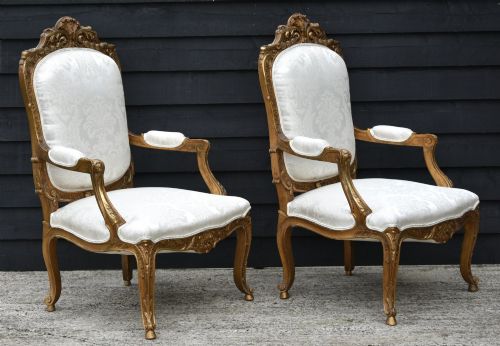
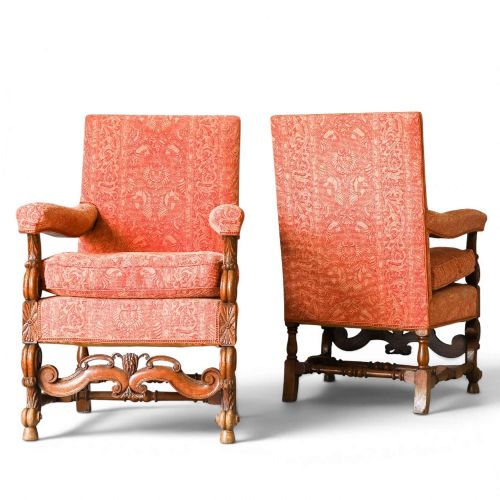
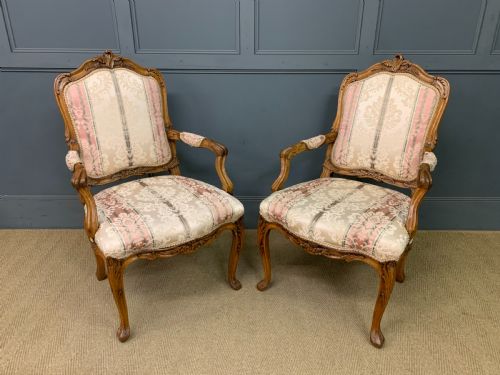
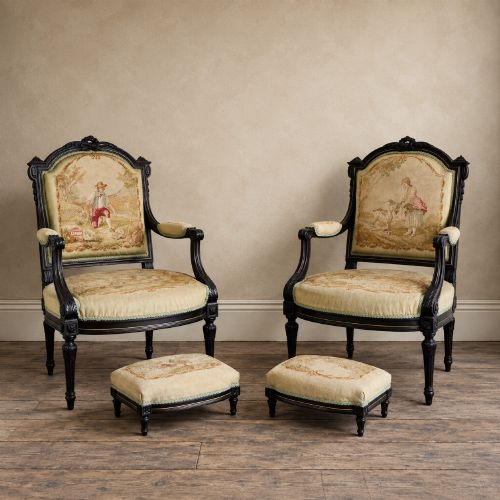
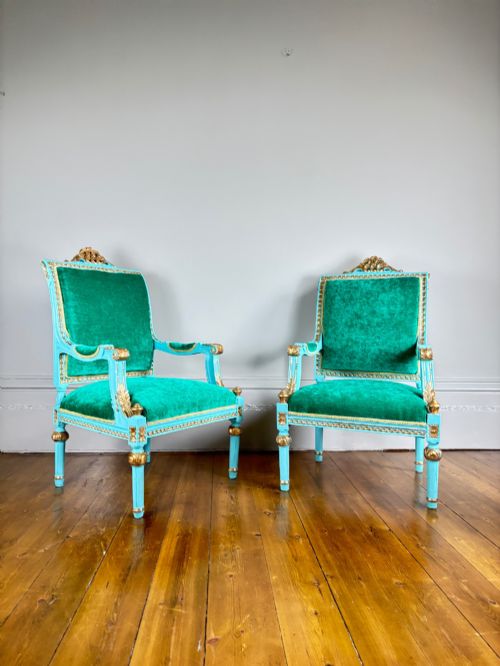
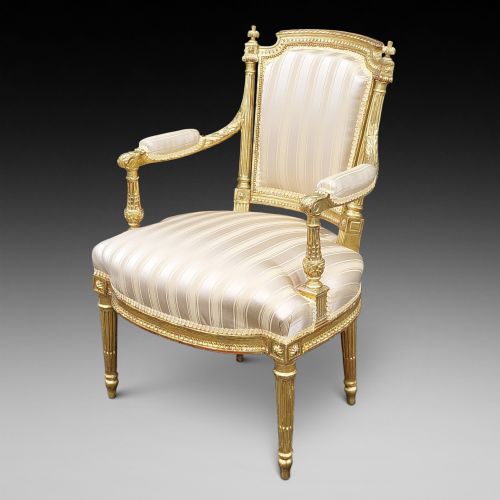
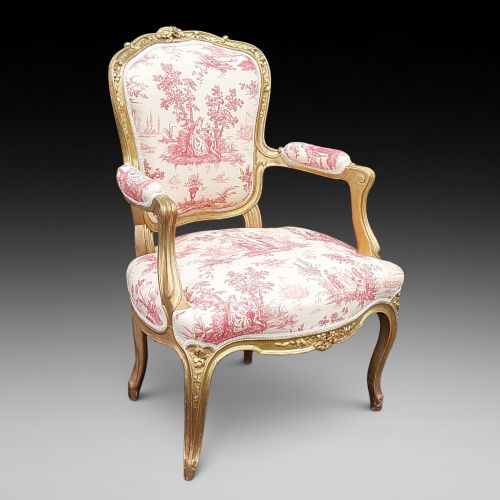
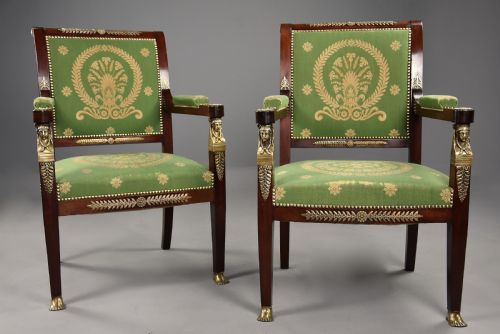
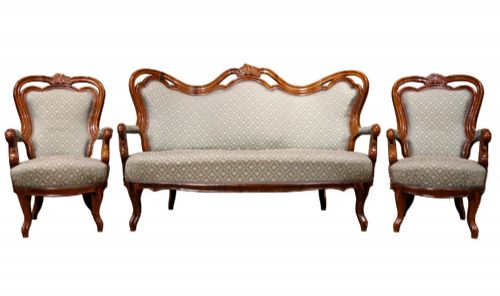
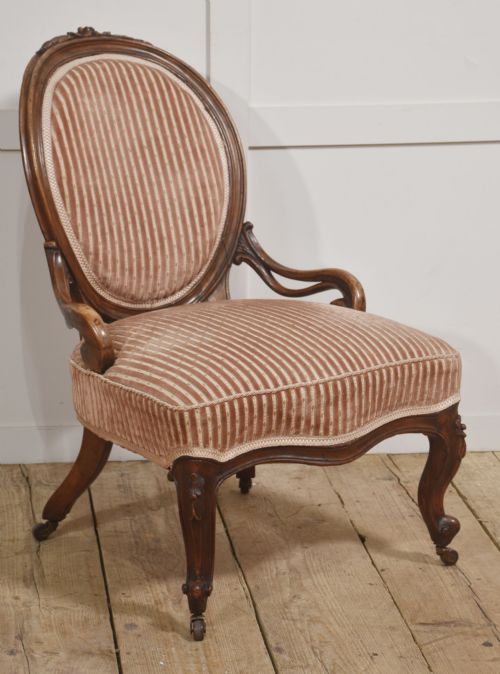
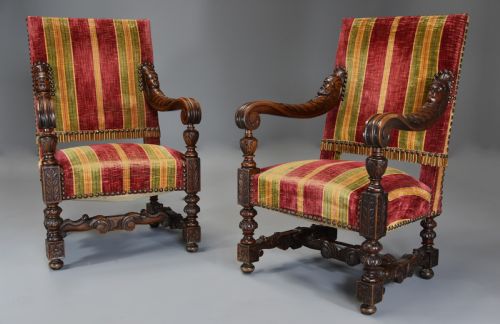
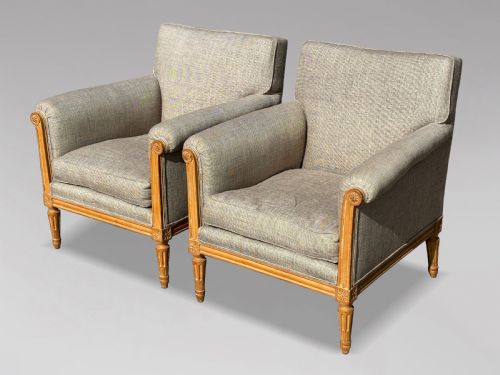
The selections on this page predominantly showcase Louis XV, Louis XVI, and Empire styles, appearing as single salon chairs, matched pairs, or larger parlour suites.
Forms range from open-arm fauteuils and tub chairs to high-backed fireside models, constructed in walnut, mahogany, and giltwood.
Materials and construction methods
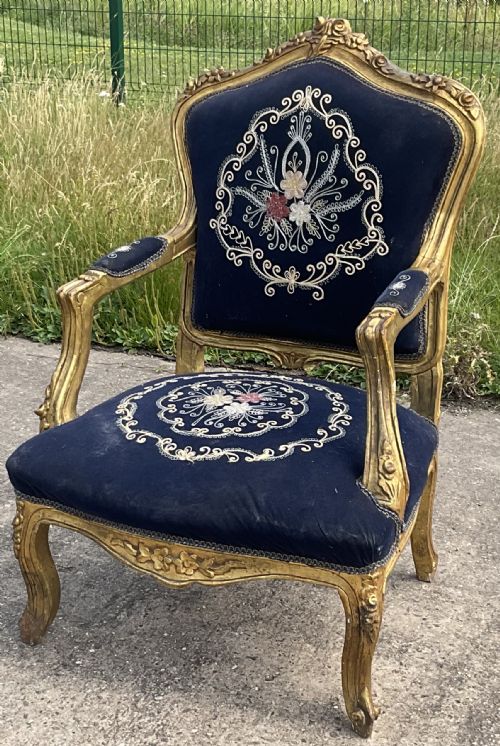
Frames rely on solid hardwoods such as walnut, mahogany, oak, and beech, often shaped with hand-carved detailing or finished with giltwood layers.
Upholstery incorporates traditional textile choices like silk, velvet, damask, and fabric panels, sometimes paired with cane work or brass ormolu mounts.
Listings feature eighteenth, nineteenth, and early twentieth-century pieces in walnut, mahogany, and giltwood across multiple revival styles.
Assessing quality in revival seating
Quality rests upon the crispness of the wood carving and the structural integrity of the joined frame rather than surface finish alone.
Superior examples display balanced proportions, authentic period mounting hardware, and upholstery materials that complement the design epoch.
The French Revival Armchair Glossary
- Fauteuil
- An open-armed upholstered armchair originating in France, typically featuring an exposed wooden frame. These chairs usually have padded armrests and a wide seat.
- Giltwood
- Wood that has been treated with a thin layer of gold leaf or gilt finish. This technique highlights carved ornamentation on formal seating.
- Ormolu
- Gilded bronze mounts applied to furniture surfaces for decorative enhancement. This metalwork appears frequently on Empire style pieces.
- Caquetoire
- A high-backed wooden armchair designed during the Renaissance period. The form allows the sitter to converse easily.
- Canework
- Woven cane material used for chair backs or seats. This technique introduces lighter textures to solid wooden frames.
French Revival Armchair: Frequently Asked Questions
Where should I place a giltwood armchair?
A giltwood armchair serves as a striking focal point in a formal drawing room, hallway, or bedroom setting. Its reflective metallic finish draws immediate attention.
Pairing the chair with neutral walls allows the carved details and textile colours to stand out. Avoid placing the piece in direct sunlight to protect delicate silk or velvet fabrics.
What is the difference between Empire and Louis XVI styles?
Empire style armchairs display heavier classical proportions, often incorporating mahogany timbers, swan neck details, and polished brass ormolu mounts. The aesthetic reflects early nineteenth-century imperial grandeur.
Louis XVI revival chairs present a lighter neoclassical geometry with straight fluted legs, rectangular backs, and symmetrical ribbon or leaf carvings. They emphasise restraint and architectural balance.
Can these armchairs be used for daily seating?
Many antique armchairs remain structurally sound for everyday use, provided the frame joints and internal webbing are secure. Periodic inspection ensures longevity.
Selecting models upholstered in durable velvet or heavy fabric helps withstand regular wear. Professional restoration can reinforce older frames without altering their historic character.