
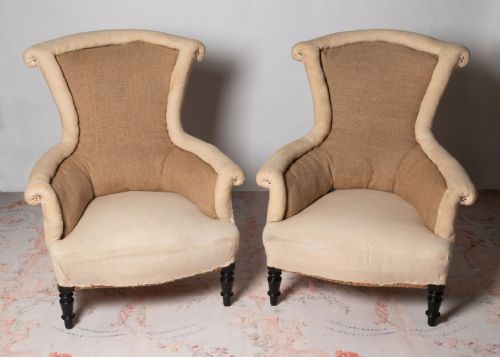


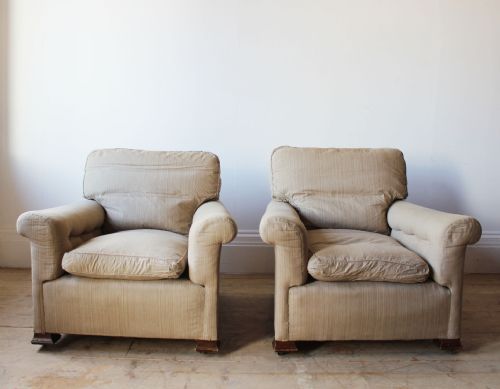


Neutral Fabric Armchair
A neutral fabric armchair offers versatile seating, bringing understated comfort and classic style to any room.
Neutral Fabric Armchair
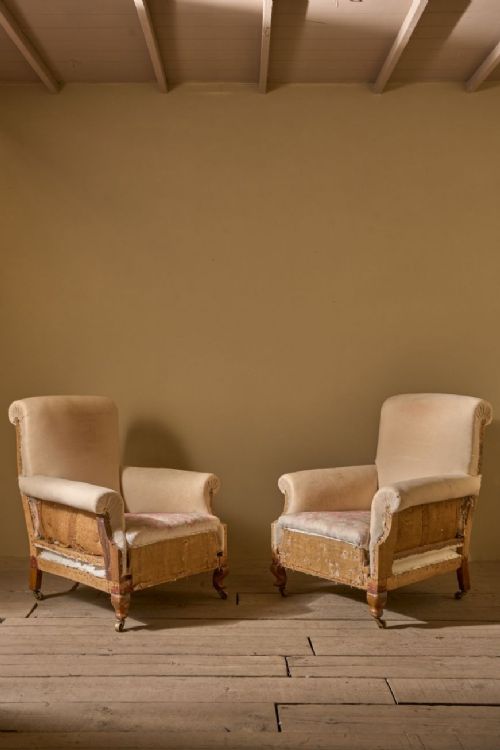
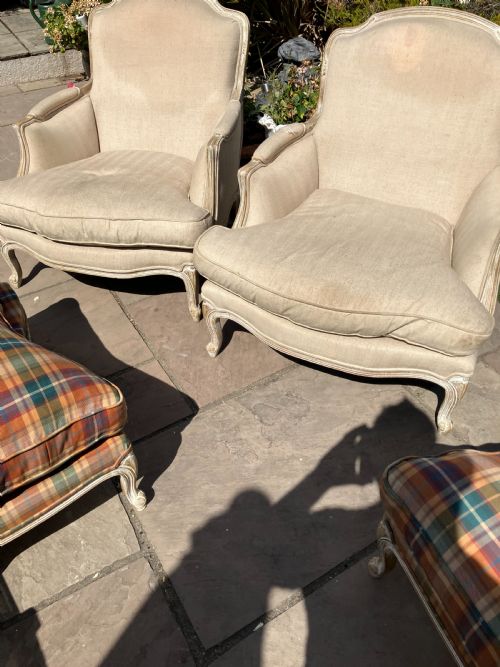
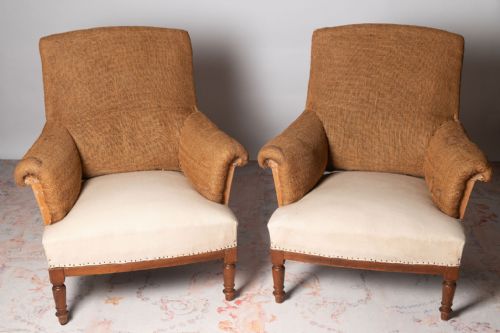
A neutral fabric armchair provides a foundational seating option that integrates easily into varied interior schemes. When searching for a neutral fabric armchair, buyers encounter pieces ranging from Victorian upholstered designs to twentieth century country house seating. Forms vary from club styles and wing armchairs to scroll back and button back variations.
The selection includes specific regional influences, with French styles and English country house pieces appearing frequently. Materials span from exposed timber frames in walnut and mahogany to upholstered surfaces in calico, linen, and neutral fabrics.
How they were made
Construction relies heavily on solid timber frames, utilising woods such as walnut and mahogany alongside structural timber. Upholstery techniques involve traditional stuffing and covering with textiles like linen, calico, and neutral fabrics.
Detailing often incorporates turned or carved wooden components, sometimes accented with brass fittings. Frames reflect specific period joinery methods, ensuring structural longevity across Victorian and later iterations.
Neutral Fabric Armchair Retail Price Guide 2026
Typical asking prices for neutral fabric armchair among the pieces listed under this phrase on Sellingantiques today, from the lower quarter to the upper quarter. They describe what is for sale here now, not the wider market.
Available forms include club styles, wing armchairs, scroll backs, and button back designs alongside dining chairs.
What varies in quality
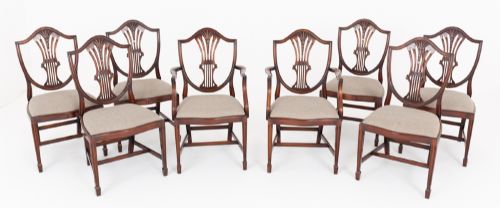
Quality rests primarily on the integrity of the underlying timber frame and the precision of its construction. Pieces exhibiting refined carving, such as Hepplewhite influence or detailed scroll backs, demonstrate higher craftsmanship.
The choice of primary frame materials, particularly substantial walnut or mahogany, elevates a piece above standard timber construction. Upholstery execution and the selection of durable covering fabrics further distinguish the better examples.
Trollope & Sons
The Neutral Fabric Armchair Glossary
- Armchair
- A comfortable seat with side supports for the arms. These forms appear in club style, wing back, and scroll back configurations.
- Calico
- A plain-woven textile, frequently used as a base layer for upholstery before applying top fabrics. It provides a stable foundation for padding.
- Walnut
- A dense, dark timber utilised for high quality furniture frames. Its grain adds visual depth to exposed woodwork on period seating.
- Shield Back
- A chair back design shaped like a heraldic shield, commonly associated with dining chairs in the Hepplewhite style. This carved wooden element showcases fine cabinetmaking.
Neutral Fabric Armchair: Frequently Asked Questions
How do I care for neutral upholstery?
Maintaining neutral fabric involves regular gentle vacuuming to remove surface dust and prevent debris from settling into the weave. Immediate spot cleaning of spills helps preserve the appearance of lighter textiles.
Professional cleaning is advisable for deeper maintenance, particularly on antique pieces with delicate underlying stuffing. Protecting the fabric from direct sunlight prevents premature fading.
Where did club style armchairs originate?
Club style armchairs developed as deep, heavily padded seats designed for maximum comfort in nineteenth century gentlemen's clubs and homes. Their generous proportions distinguish them from formal dining or parlor seating.
Makers such as Trollope and Sons produced substantial upholstered seating during this period. These chairs prioritise ergonomic support through thick cushioning and supportive backrests.
What is a wing armchair used for?
Wing armchairs were traditionally placed near firesides to trap heat and protect the occupant from draughts using their distinctive side panels. Today, they serve as prominent reading chairs or decorative statement pieces.
The high back and enclosed sides offer a sense of privacy and physical enclosure. They function well as standalone seating in living rooms and studies.