
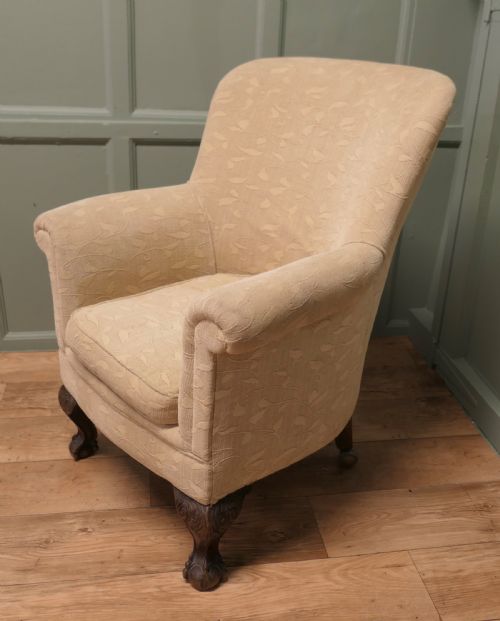
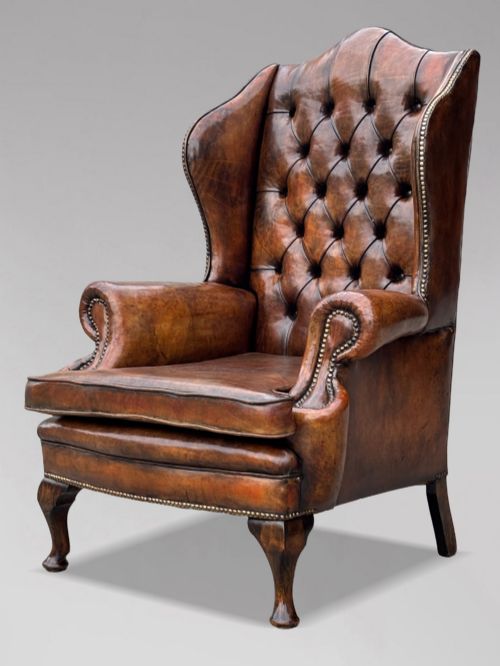
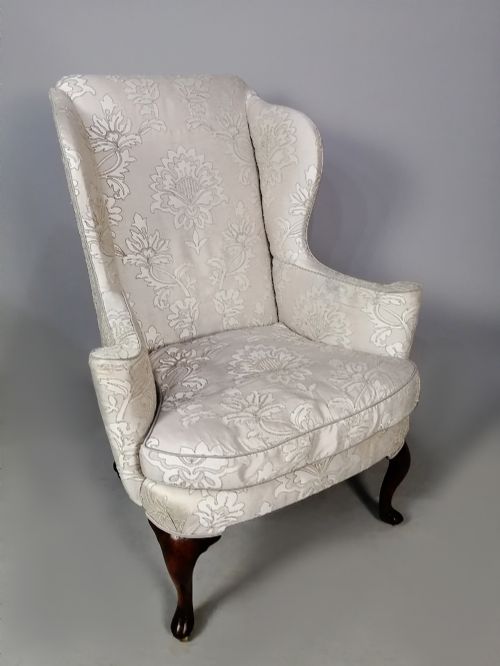
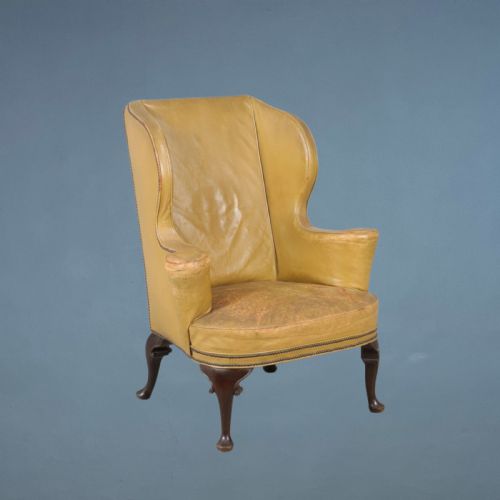
Victorian Wingback Armchair
These pieces combine deep-sprung comfort with traditional draught-excluding wings, offering the classic fireside silhouette buyers seek when they search for a victorian wingback armchair.
Victorian Wingback Armchair
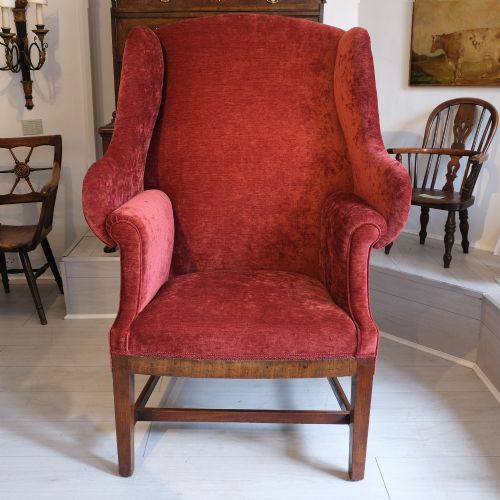
A victorian wingback armchair is typically encountered as a heavy timber-framed fireside seat featuring deep side panels designed to shield the sitter from drafts. Most examples originate from the nineteenth century, spanning periods from early Victorian decades through to late nineteenth-century revivals.
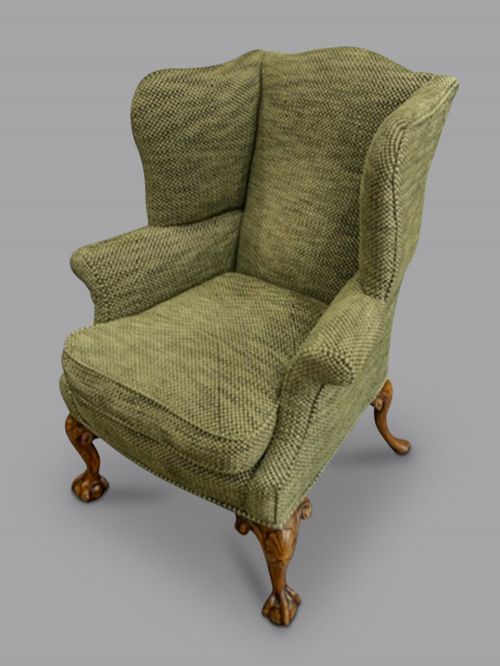
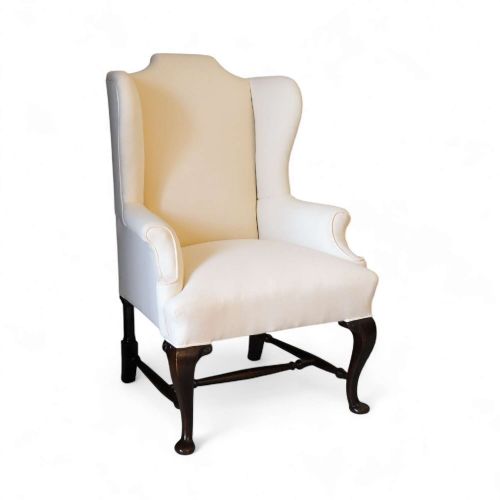
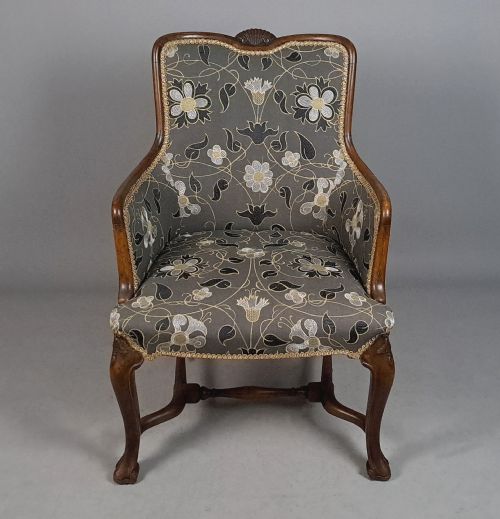
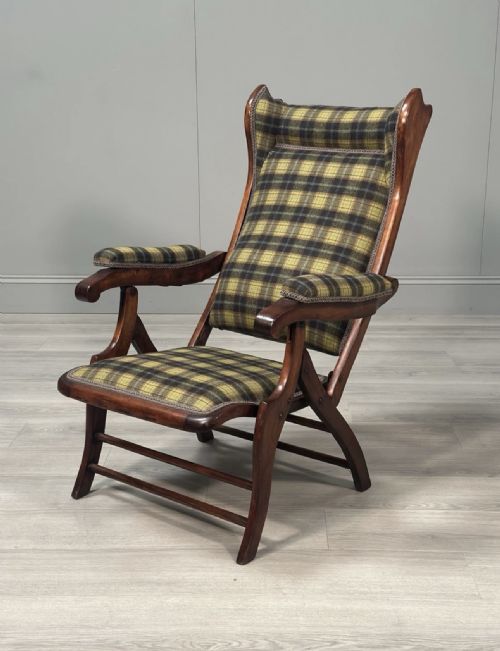
Makers drew on various historic aesthetic movements, resulting in frames influenced by Queen Anne, Chippendale, and Carolean styles alongside standard Victorian forms. Alongside traditional armchairs, the selection includes occasional variations, library chairs, and occasional sofas.
Materials and Techniques
Frame construction depended heavily on dense hardwoods such as mahogany, walnut, and oak to support the substantial weight of the upholstered body. Joinery was robustly executed to withstand the tension of deep springing and heavy padding.
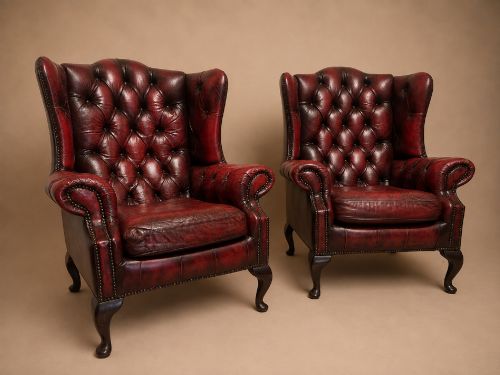
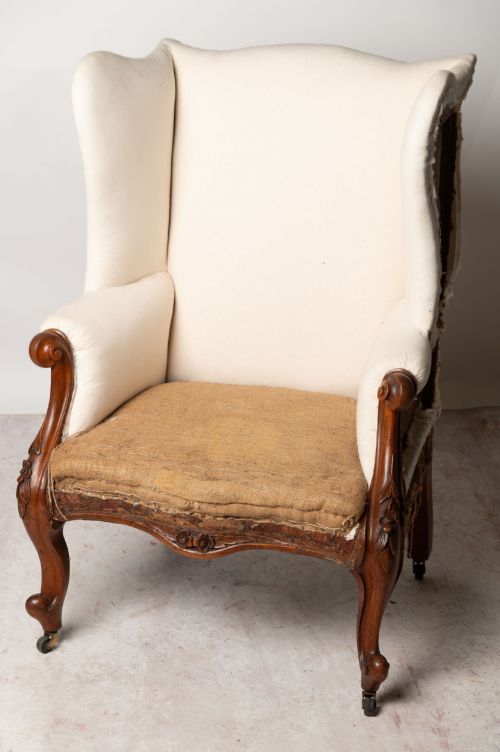
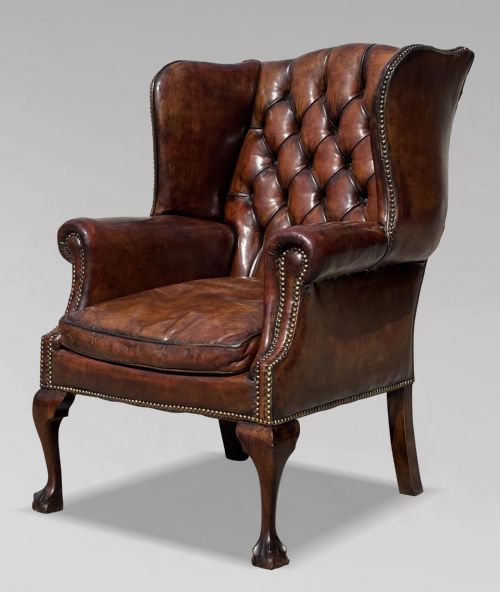
Upholstery methods utilised traditional stuffing materials held in place by hessian webbing, with leather or heavy fabric secured by careful tacking. Buttoning techniques were frequently applied to leather surfaces to distribute tension and create a tailored finish.
Victorian Wingback Armchair Retail Price Guide 2026
Typical asking prices for victorian wingback armchair among the pieces listed under this phrase on Sellingantiques today, from the lower quarter to the upper quarter. They describe what is for sale here now, not the wider market.
Listings feature timber frames in mahogany, walnut, and oak alongside upholstery in leather, velvet, hessian, and calico.
Quality and Proportion
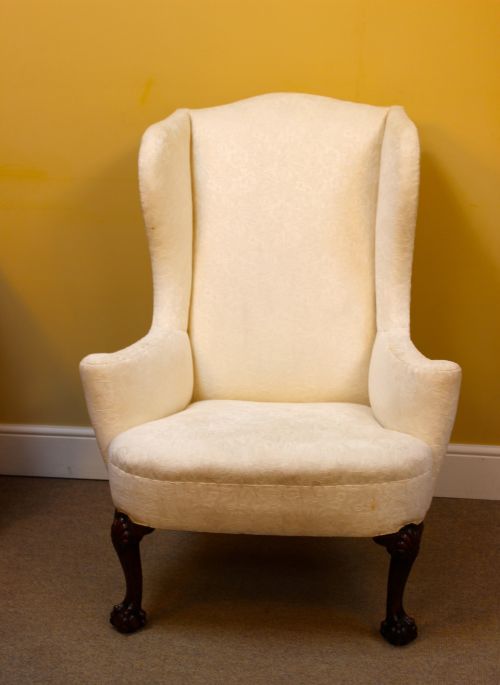
Superior examples distinguish themselves through well-balanced proportions and the elegance of their exposed woodwork, such as finely carved cabriole legs. The architectural sweep of the wings relative to the backrest dictates the visual harmony of the silhouette.
The integrity of the internal webbed and sprung foundation largely determines the seating posture and longevity of the chair. Furthermore, original leather patination or the fidelity of revival detailing marks the difference between standard production and superior craftsmanship.
Howard And Sons·John Reid And Sons·Sopwith
The Victorian Wingback Armchair Glossary
- Cabriole leg
- A furniture leg featuring a double curve, typically arching outward and then tapering downward to a pad or scroll foot. This shape was revived extensively during the nineteenth century.
- Hessian
- A coarse woven fabric typically utilised as underlying scrim or webbing support beneath final upholstery layers. It provides structural tension for the internal stuffing.
- Buttoning
- An upholstery technique where indentations are created across padded surfaces by pulling twine through to deep-set buttons. This secures the internal filling and adds a decorative geometric pattern.
- Castor
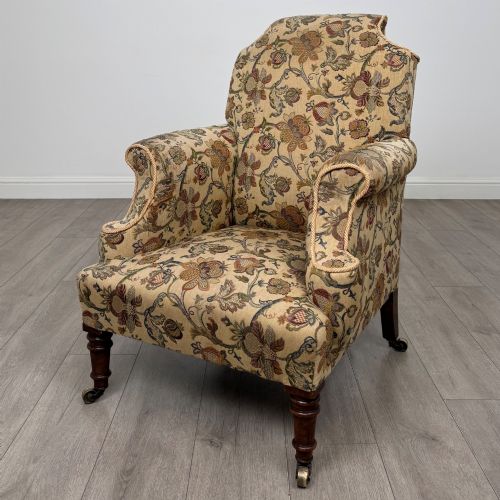
- A small wheel mounted in a swivel frame attached to the foot of a chair. It permitted easy movement of heavy nineteenth-century seating across carpets.
- Carolean style
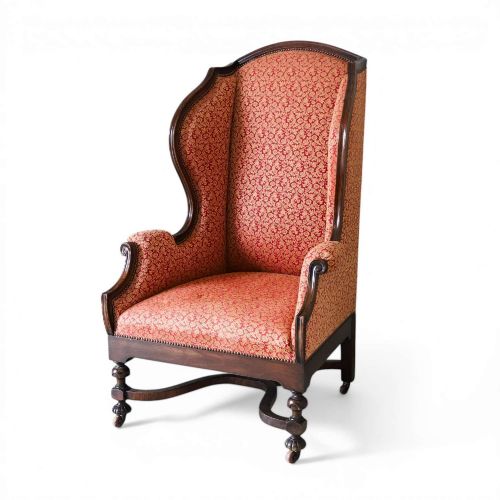
- A revival design movement emulating the ornate carved woodwork of the late seventeenth century. Pieces often exhibit spiralled turnings and rich timber grains.
Victorian Wingback Armchair: Frequently Asked Questions
How do I choose between leather and fabric?
Leather offers a durable, wipe-clean surface that develops a rich patination over decades of use, making it practical for studies and libraries. Fabric provides softer warmth and a wider spectrum of colour or pattern choices to match domestic drawing rooms.
Consider the intended room environment and daily usage levels when deciding between a hide finish or a textile upholstery such as velvet or chenille.
What is a calico stage armchair?
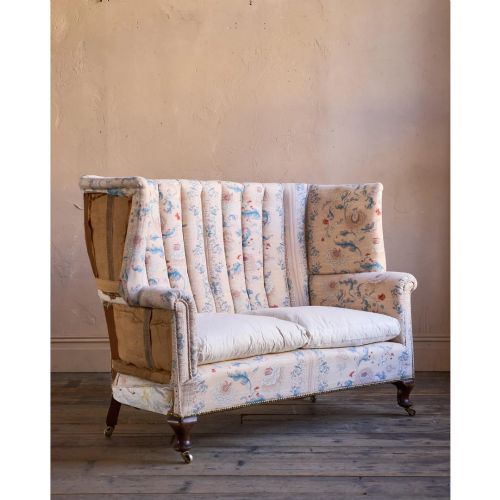
A chair offered at the calico stage has been stripped, repaired, and re-webbed with unbleached cotton calico applied as the inner lining. This leaves the final decorative textile choice entirely open to the buyer.
It allows you to select a specific upholstery fabric that coordinates with your existing interior scheme without altering the restored internal foundation.
How do I date a nineteenth-century wing chair?
Dating relies on examining timber species, leg profiles, and underlying upholstery techniques visible beneath the frame. Earlier nineteenth-century examples often display simpler mahogany frames, whilst later decades embraced revival walnut styles and castors.
Comparing construction markers against documented nineteenth-century workshop practices helps narrow down the manufacturing decade.
Where should I place a wingback chair?
These chairs excel beside fireplaces, in reading corners, or within studies where their protective side panels shield against drafts. Their substantial silhouettes require adequate surrounding floor space to avoid crowding smaller rooms.
Positioning them at an angle to light sources creates an inviting focal point for relaxation and reading.