

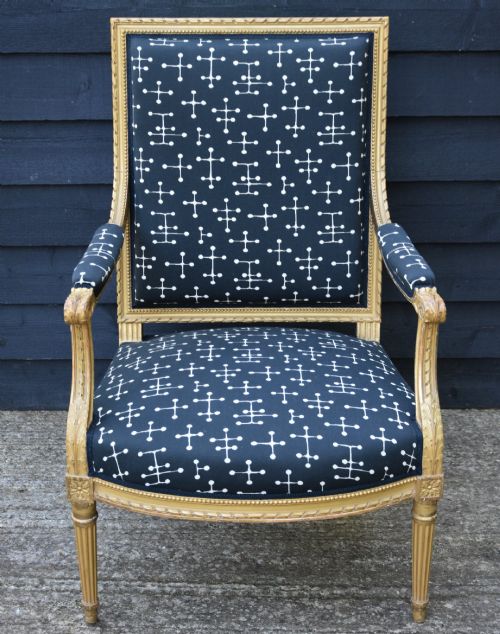
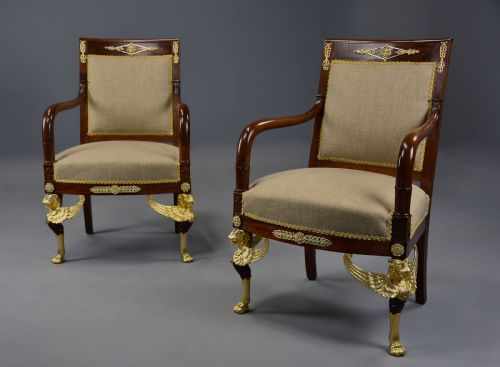
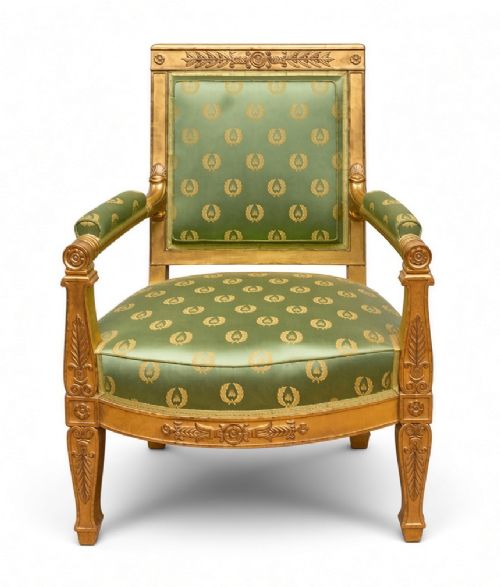
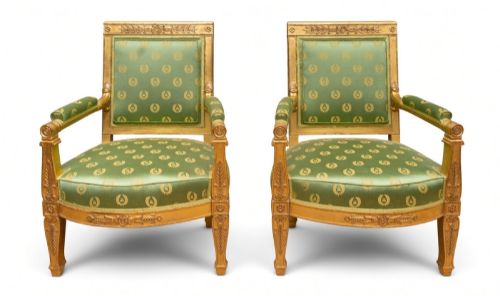
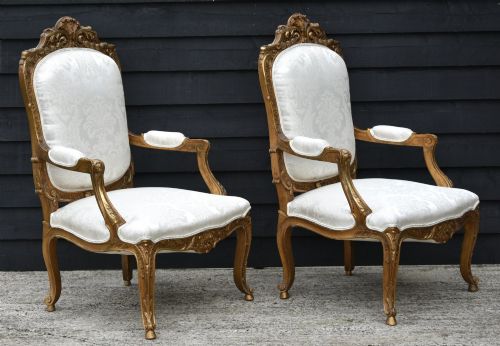
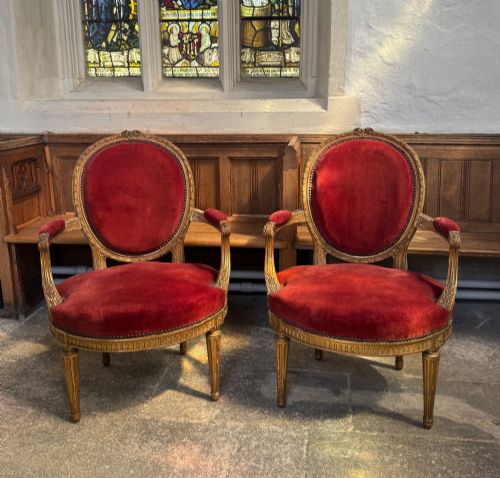
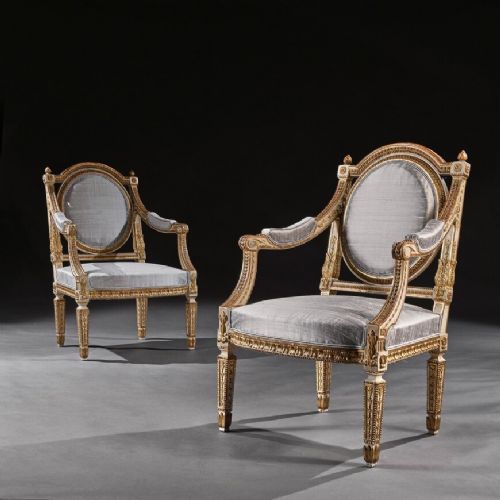
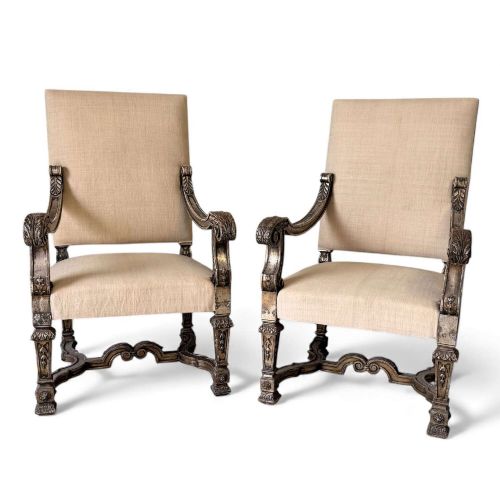
Gold Gilt Armchair
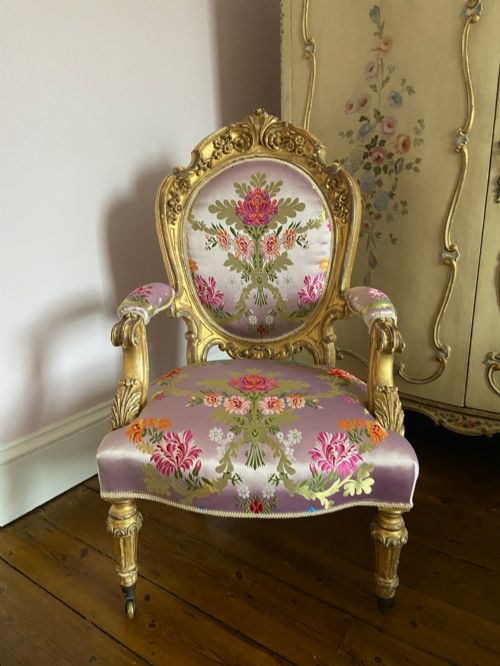
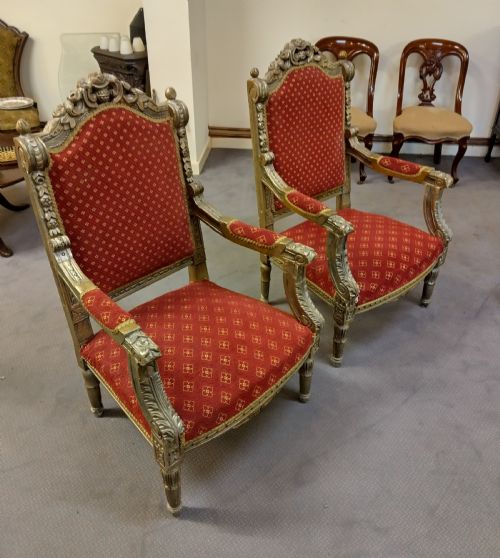
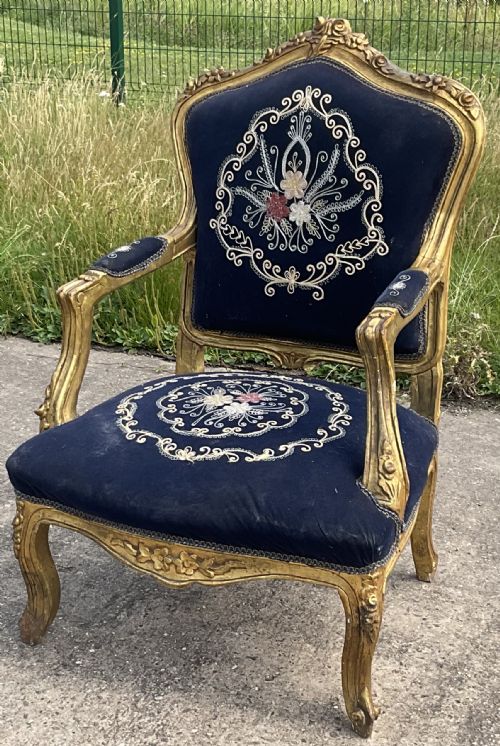
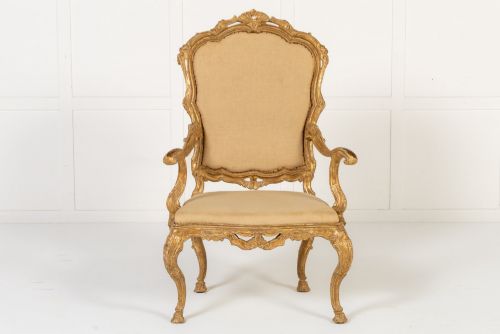
A gold gilt armchair brings rich nineteenth-century French and English revival seating into a room.
What these armchairs are
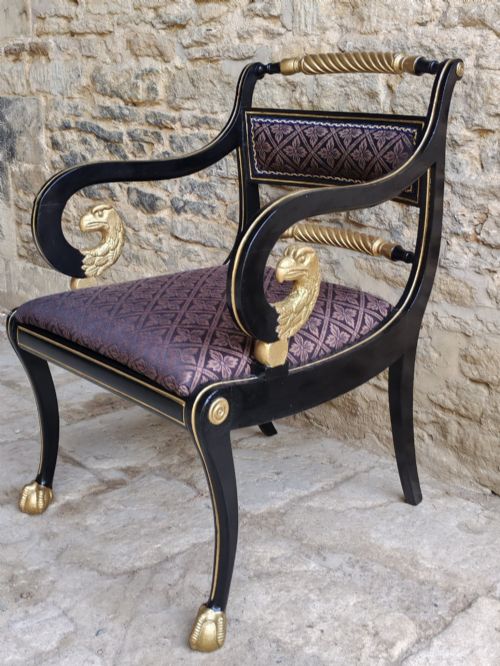
A gold gilt armchair sits among nineteenth-century seating shaped by historic revival styles. You meet pieces spanning the Regency period through to the late nineteenth century, including Napoleon III examples.
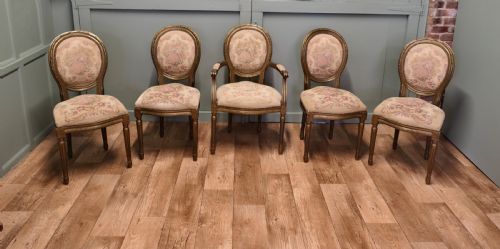
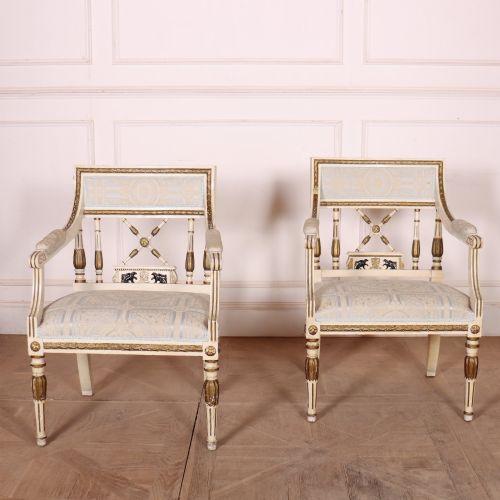
The evidence shows French and English origins, with forms encompassing open arm chairs and pairs of gilded armchairs. These items bring period presence and decorative carved timber frames into an interior.
Makers such as Holland and Sons produced pieces in this tradition, drawing on Rococo Revival, Louis XVI Revival, and French Chateau aesthetics. A buyer looking for a gold gilt armchair is selecting a statement seat defined by carved timber and gilded surfaces.
How they were made
Makers constructed these chairs from wood and timber, shaping structural frames with detailed carving. Giltwood applied to the exterior surfaces provided the characteristic bright metallic finish.
Upholstery materials recorded in the evidence include velvet, cotton, and tapestry. These textiles were fitted to the timber frames to complete the functional seating.
Retail Price Guide 2026
Typical UK retail prices for gold gilt armchair, calculated from the Sellingantiques database of over a million retail prices indexed since 2003. This retail price guide relies exclusively on Sellingantiques data; no external sources or auction records are used, so the figures do not describe the wider market.
Listings span the nineteenth century, featuring periods from Regency to eighteen ninety using giltwood, velvet, and timber.
What varies in quality
Quality rests in the precision of the carved timber and the crispness of the giltwood application. Stronger examples show deeply articulated ornamentation rather than flat surface decoration.
The choice of upholstery textile, whether tapestry, velvet, or cotton, influences the overall character and finish of the piece. Attribution to workshops like Holland and Sons elevates the standing of an armchair.
Holland and Sons
The Gold Gilt Armchair Glossary
- Giltwood
- Timber coated with gold leaf or gilt finish. This creates the shining surface characteristic of nineteenth-century revival seating.
- Regency
- An English design period spanning the early nineteenth century. Pieces from this era often incorporate classical revival influences.
- Napoleon III
- A French design period associated with the mid-to-late nineteenth century. This style embraces ornate decoration and opulent upholstery.
Frequently Asked Questions
What periods do these armchairs come from?
The pieces span the nineteenth century, including specific periods like the Regency era and the year eighteen seventy.
Design styles draw on earlier French aesthetics, captured through revival movements.
What materials make up the frames?
Frames consist of wood and timber finished as giltwood. This metallic coating creates the bright appearance.
Upholstery utilises textiles such as velvet, cotton, and tapestry.
Are these chairs French or English?
The evidence records both origins. Pieces originate from French workshops and English makers.
Styles include French Chateau, Rococo Revival, and Louis XVI Revival alongside English Regency forms.
How do I identify a Napoleon III armchair?
Napoleon III armchairs date to around eighteen seventy. They feature gilded finishes and upholstered textiles suited to ornate nineteenth-century interiors.
Pairs of these chairs appear alongside single open arm chair formats.