
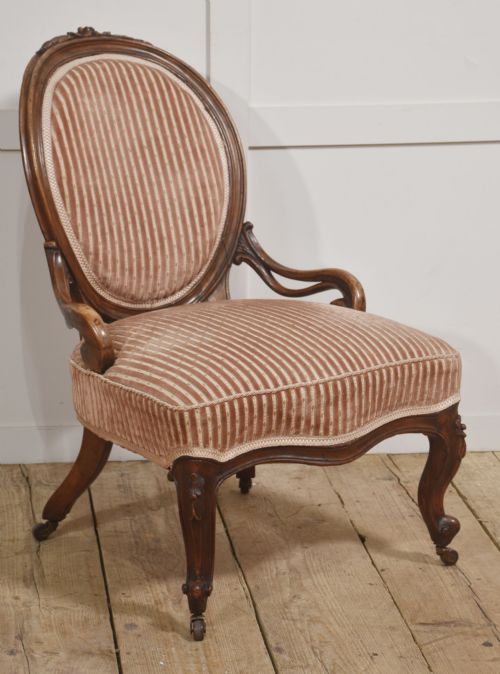

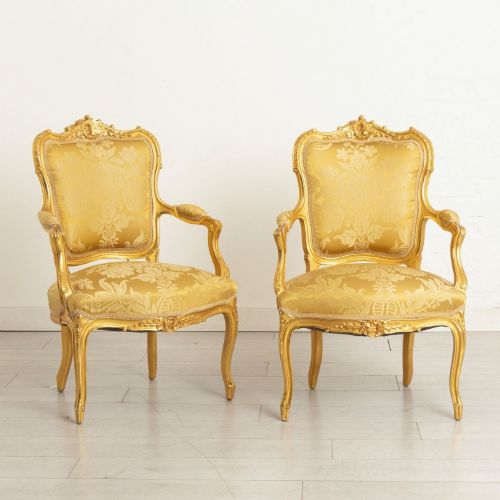

Rococo Style Armchair
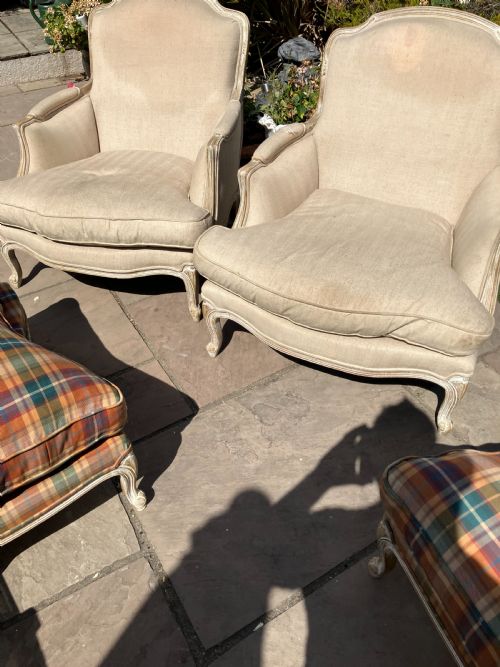
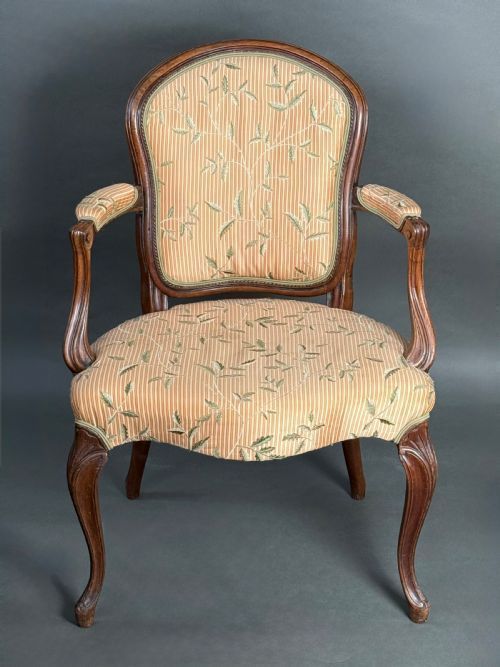
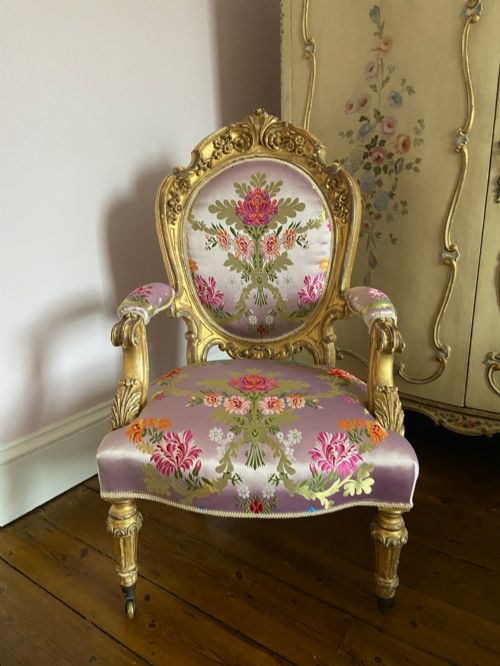
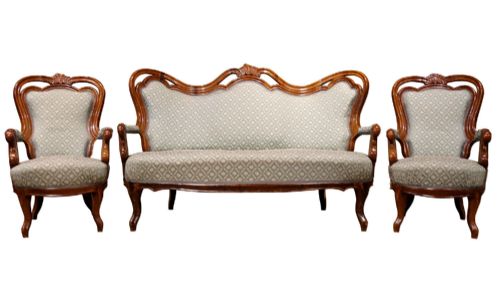
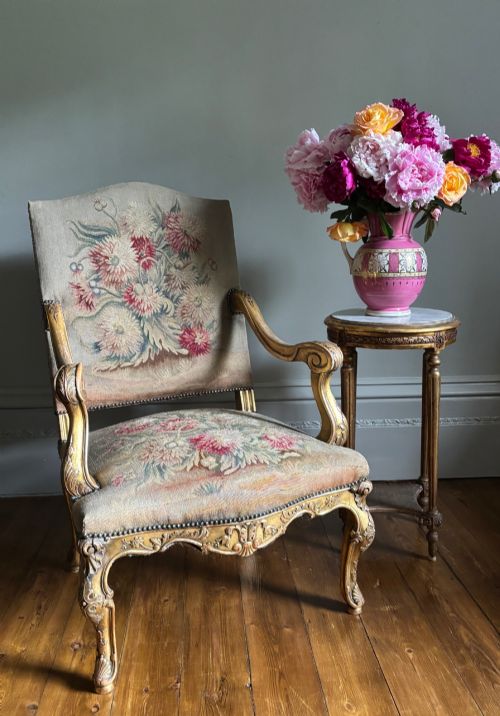
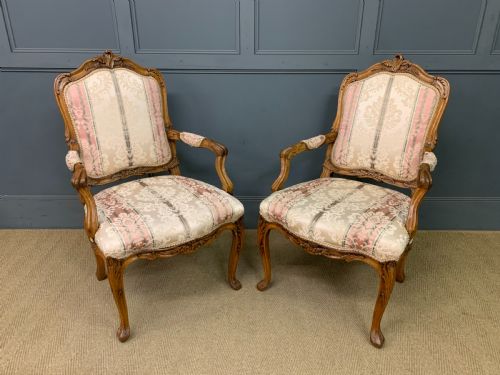
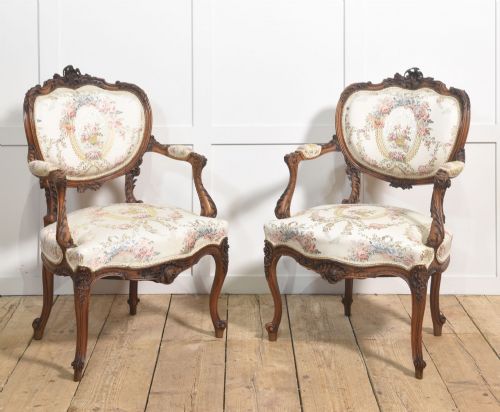
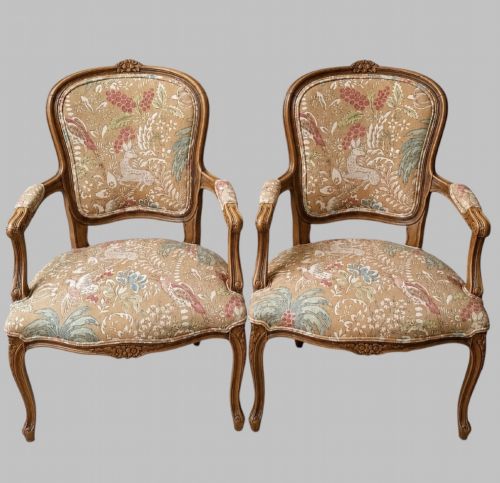
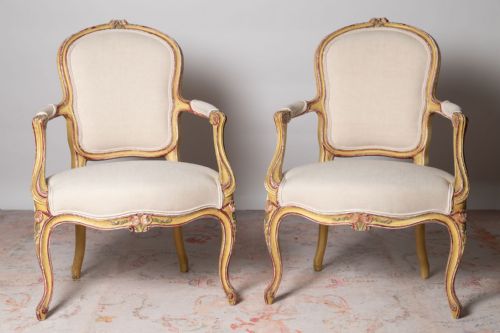
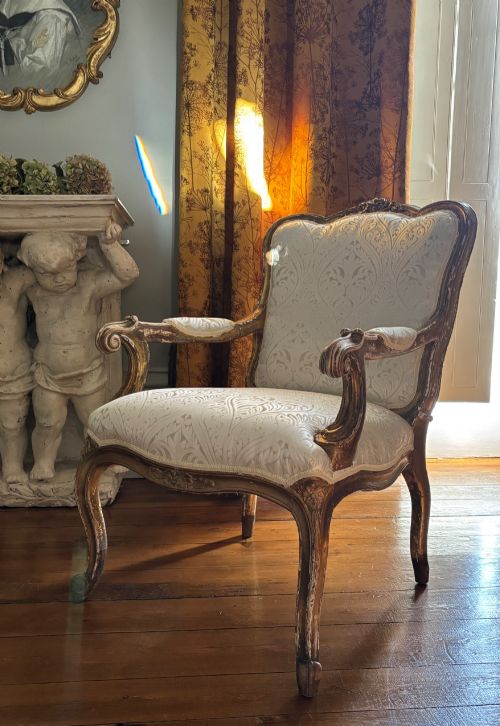
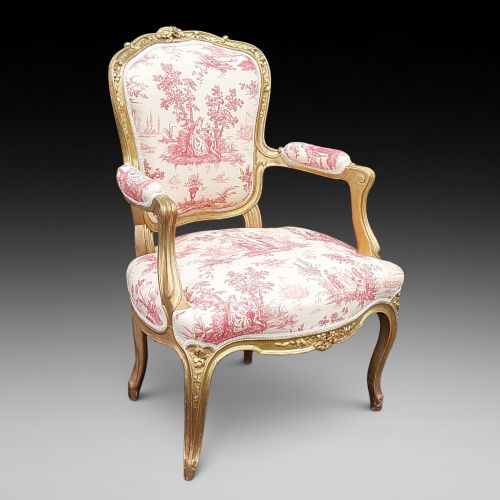
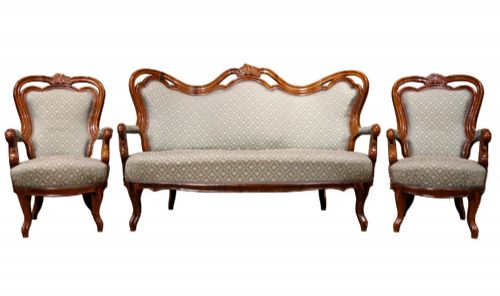
These rococo style armchair pieces offer the curving lines and ornate flourishes of eighteenth-century French design for any interior.
What a rococo style armchair is
When you search for a rococo style armchair, you encounter seating built in various periods, most notably the nineteenth century, nineteen-sixties, and nineteen-hundreds. These pieces draw heavily upon Louis XV style, French Louis XV, and French rococo revival traditions, often arriving as pairs or single salon armchairs.
The forms originate from French chateau aesthetics, adopting the sweeping frames and asymmetrical details characteristic of the style. Most examples on this page reflect the nineteenth-century revival of eighteenth-century seating designs.
Makers adapted these historic forms for Victorian and later drawing rooms, resulting in comfortable salon seating that retains the sculptural frames of the original period. Buyers generally find pieces executed in wood, beech, or rosewood, frequently paired with upholstery.
Materials and construction
The construction relies upon solid hardwoods such as beech, rosewood, and general wood framing, carved into flowing, organic contours. Giltwood surfaces appear alongside painted finishes, creating the opulent visual depth associated with French chateau interiors.
Upholstery methods involve traditional textile applications, utilising linen and tapestry upholstery to cover the seat and backrest components. Rattan cane also forms parts of specific bergere armchairs, providing woven textural contrast to the carved wooden frames.
Retail Price Guide 2026
Typical UK retail prices for rococo style armchair, calculated from the Sellingantiques database of over a million retail prices indexed since 2003. This retail price guide relies exclusively on Sellingantiques data; no external sources or auction records are used, so the figures do not describe the wider market.
Materials documented across the inventory include wood, paint, giltwood, linen, beech, rattan cane, rosewood, and tapestry upholstery.
Distinctions in quality
Superior examples demonstrate crisp, deep carving within the wooden frame, where floral motifs and C-scrolls possess sharp definition rather than flattened edges. The handling of giltwood or paint finishes contributes significantly to the visual success of the piece, with finer applications showing subtle ageing and depth.
Structural integrity of the carved joints and the quality of the timber selection elevate certain pieces above standard production. Furthermore, the choice of upholstery textiles, from heavy linen to detailed tapestry, reflects the overall ambition of the chair's design.
The Rococo Style Armchair Glossary
- Bergere
- An enclosed upholstered armchair with wooden framing, often featuring cane work to the sides and back.
- Giltwood
- Timber coated with a thin layer of gold leaf or gilt, creating a lustrous decorative surface common in French revival furniture.
- Louis XV Style
- A decorative aesthetic defined by asymmetrical curves, naturalistic motifs, and light, graceful proportions.
- Salon Armchair
- A decorative chair designed for formal reception rooms rather than heavy daily use, prioritising elegant form and carving.
Frequently Asked Questions
What periods do these armchairs come from?
The listings include pieces made across several decades and centuries, spanning the nineteenth century, eighteen-eighties, eighteen-sixties, nineteen-hundreds, and nineteen-sixty.
Most items reflect revival movements rather than the original eighteenth-century era, adapting historic French aesthetics for later Victorian and mid-century interiors.
How were these chairs used historically?
These pieces functioned primarily as salon armchairs for formal entertaining, reception rooms, and drawing rooms in large houses and chateaux.
They provided comfortable seating while serving as decorative focal points that displayed the owner's taste for elaborate woodwork and upholstery.
What materials are the frames made from?
Makers utilised various timbers, predominantly beech, rosewood, and general wood, supplemented by painted or giltwood surfaces.
Some bergere variations incorporate rattan cane into the structural panels alongside the primary wooden frame.
What types of upholstery do they feature?
The seating incorporates traditional textile finishes, most notably linen and detailed tapestry upholstery.
These fabrics complement the carved wooden structures and provide the cushioned comfort expected from formal revival salon seating.
Are these armchairs found in pairs?
Several listings consist of matching pairs of armchairs alongside individual salon chairs.
Pairs typically share identical carving details, wood finishes, and upholstery types, suiting them for placement around a fireplace or opposing corners of a room.