


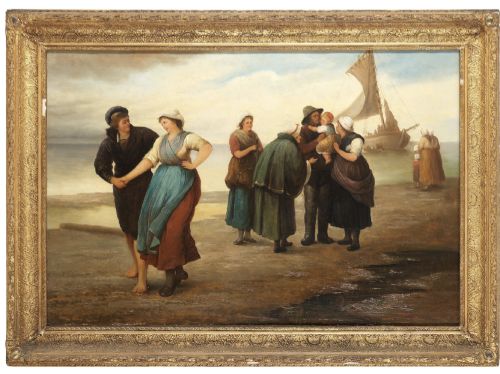
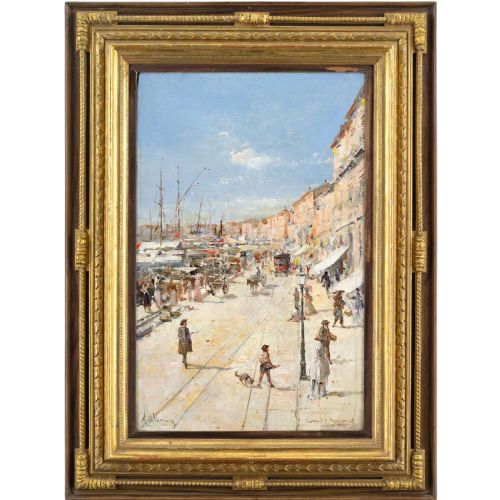
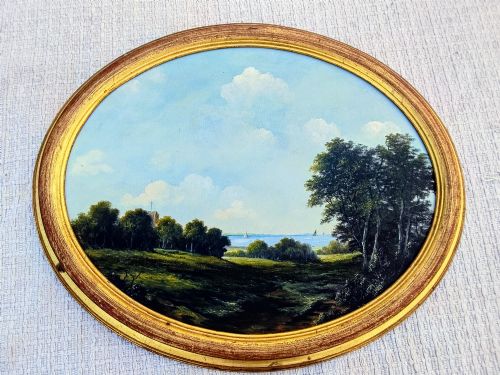

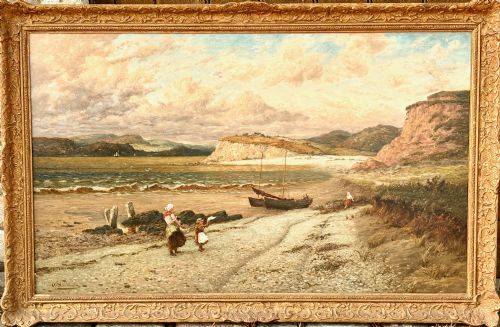
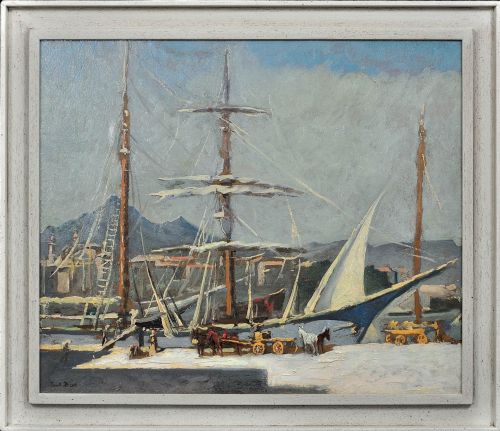
Canvas Coastal Oil Painting
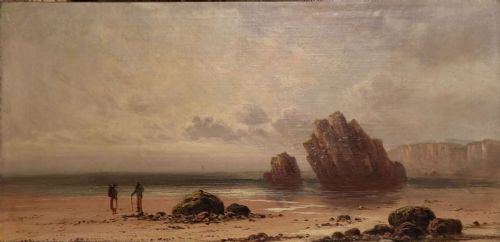
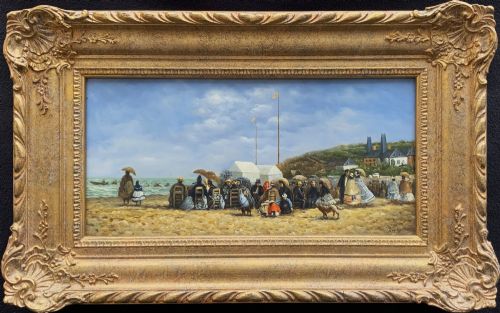
Canvas coastal oil painting captures maritime scenery and seaside light, offering a window into historical shores.
Canvas Coastal Oil Painting
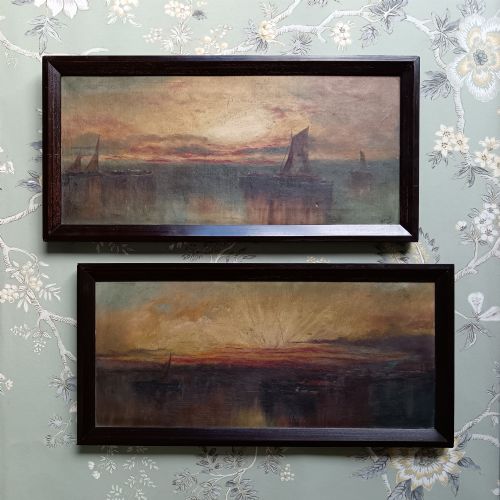
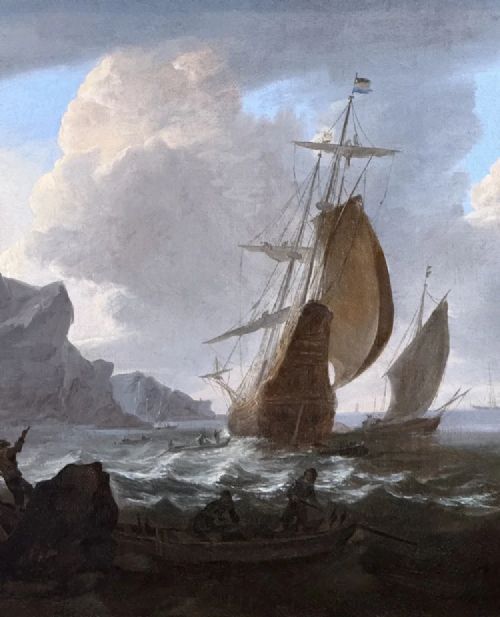
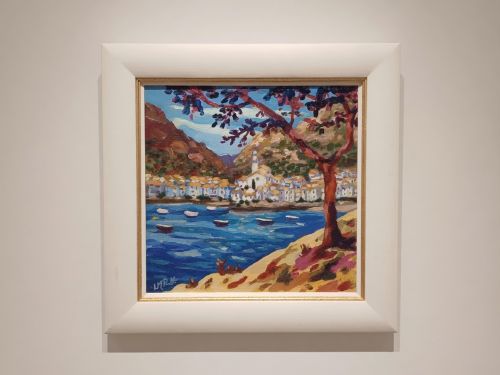
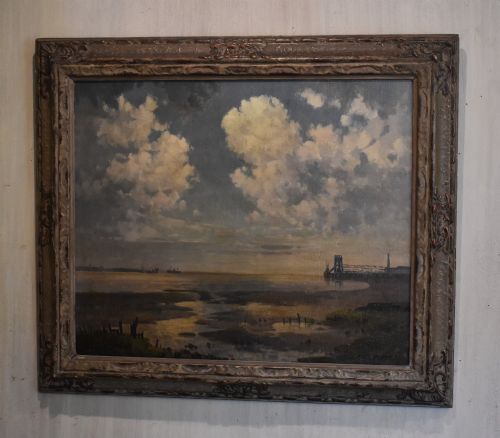
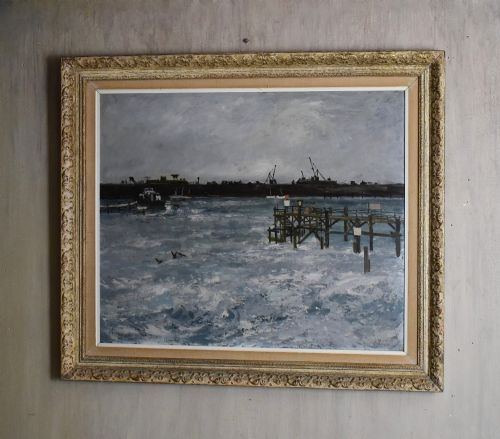
A canvas coastal oil painting brings maritime scenes, harbours and rolling waves directly onto woven fabric supports. These works range from calm nineteenth-century depictions of British fishing boats to mid-century modernist interpretations of European shores.
Buyers browsing this selection frequently encounter nineteenth-century canvases alongside twentieth-century interpretations, showing how artists recorded changing coastal light over generations. These works depict everyday maritime life, dramatic gales, quiet shores and bustling ports.
The subjects span British coasts, French ports, Mediterranean harbours and stormy Dutch seascapes. Every piece reflects the specific atmosphere of the shoreline, rendered through brushwork that captures water, sky and coastal architecture.
Materials and technique
Artists painted these works using oil pigments suspended in drying oils, applied directly onto prepared canvas or sometimes wooden boards. Canvas stretched over wooden frames provided a flexible and durable ground that absorbed rich layers of pigment.
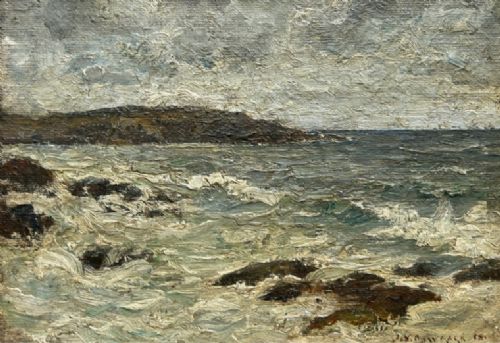
Makers utilised bristle brushes and palette knives to build texture, creating thick impasto waves or smooth, luminous skies. Many surviving examples retain their original gilt wood frames, which complement the maritime subject matter.
Listings feature canvases spanning from the 17th century through to 1960, utilising oil paint on wood, board and canvas supports.
Separating top tier works from standard pieces
Quality rests upon the artist's ability to manipulate light, atmosphere and perspective across the canvas surface. Superior works demonstrate confident brushwork that defines restless water and distant skies with genuine vitality.
The handling of maritime details, from rigging on sailing ships to the architecture of harbour walls, distinguishes accomplished hands from routine production. Original presentation, including period framing and clear signatures, further elevates the standing of individual works.
Clifford Hanney·Clive Browne·Peter Brannan·Donald McIntyre·John Wilson Carmichael·Abraham Cooper·Joseph Farquharson·John Holland·Abraham Hulk I·Erich Mercker
The Canvas Coastal Oil Painting Glossary
- Impasto
- Paint applied thickly to a canvas, standing out from the surface so that the brush or palette knife marks remain visible. This technique adds tactile depth and catches light dynamically.
- Maritime
- Pertaining to the sea, shipping, navigation and coastal environments. Such scenes frequently feature boats, harbours, cliffs and tides.
- Stretcher
- The wooden framework upon which an artist's canvas is stretched taut before painting. Antique stretchers often show wedge keys in the internal corners.
- Gilt wood
- Wood coated with a thin layer of gold leaf or metallic gilt paint. It is commonly found on traditional frames enclosing nineteenth-century canvases.
Canvas Coastal Oil Painting: Frequently Asked Questions
What periods do these paintings come from?
The works span from the seventeenth century through the Victorian era and into the mid-twentieth century. Nineteenth-century and mid-century examples appear most frequently.
Artists across these periods interpreted the coastline differently, shifting from detailed maritime records to expressive modernism.
How were these paintings originally displayed?
Most works were housed in decorative wooden frames, often finished with gilt to enhance the painted light. These frames were designed to complement domestic interiors of the Victorian and Edwardian periods.
Original framing helps preserve the canvas edges and maintains the historical integrity of the piece.
How do I distinguish nineteenth-century works from twentieth-century ones?
Nineteenth-century canvases often feature naturalistic depictions of shipping vessels and moody coastal weather with fine detail. Twentieth-century pieces frequently embrace looser brushwork, post-impressionist palettes or modernist forms.
Examining the canvas preparation, stretcher construction and framing style also aids in dating.
Where should I hang a coastal oil painting?
These works suit spaces with good natural light that can accentuate the texture of the oil paint and the sheen of the canvas. Placing them away from direct sunlight protects the pigments from fading over time.
A secure wall fixing is essential, particularly for larger framed canvases from the nineteenth century.