






Antique Sea View Painting
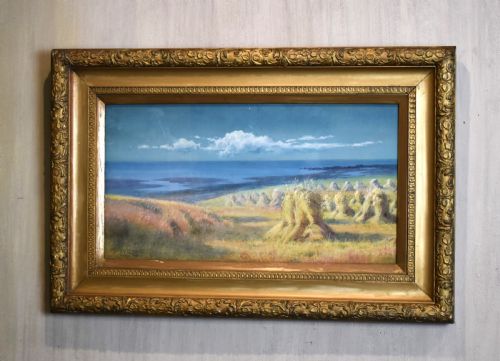
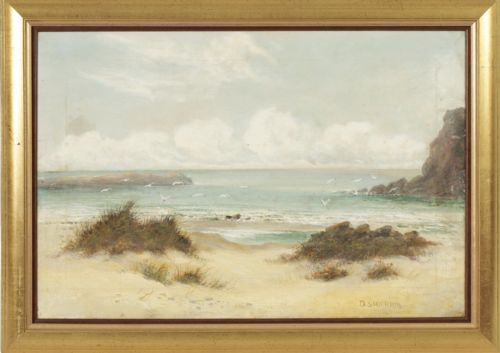
An antique sea view painting captures coastal air and light, bringing historic harbours and shorelines into the home.
Antique Sea View Painting
An antique sea view painting encompasses marine and coastal scenes rendered across the nineteenth and twentieth centuries. Buyers search for these works to capture historic depictions of British, French, and Italian shores, harbours, and cliffs.
The selections available range from intimate watercolours on paper to large oil paintings on canvas. Works from the Edwardian period and the decades spanning nineteen hundred to nineteen sixty appear most frequently in these collections.
Subjects stretch from Cornish ports and Scottish harbours to Mediterranean coastlines and French riviera views. Artists record these locations through distinct regional lenses, balancing topographical accuracy with atmospheric studies of light.
Materials and methods
Painters utilise oil paint on stretched canvas or wood panels, alongside watercolour and ink applied to paper. These foundational supports dictate the texture and preservation of each coastal composition.
Listings feature works spanning the nineteenth century through to nineteen sixty, utilising oil paint, watercolour, ink, and gilded wood.
Distinctions in quality
Quality rests upon the artist's command of light, atmosphere, and spatial depth within the coastal landscape. Superior works capture the specific luminosity of sea air and the movement of water with assured brushwork.
The handling of secondary elements, such as distant shipping or architectural details, separates accomplished hands from standard topographical recording. Preservation of the original canvas, paper, and framing further defines the standing of each piece.
George F Pennington·William Tuck·Thomas Rose Miles·James Torrington Bell·Peter Ghent·Edward Fletcher·John Hayes·Peder Knudsen·Wm Barker·George Balmer·John Francis Branegan·L Biro
The Antique Sea View Painting Glossary
- Oil on canvas
- Pigment suspended in drying oil applied to a woven fabric support stretched over a wooden frame. This medium allows for rich colour saturation and visible brush texture.
- Watercolour
- Paint consisting of colourants suspended in a water-soluble binder, traditionally used on paper. It produces transparent washes that capture delicate atmospheric effects.
- Gilded wood
- Timber frames finished with a thin layer of gold leaf or metallic gilt powder. They enhance the visual weight and period context of the artwork.
- Post-Impressionism
- An art movement extending beyond impressionism that prioritised expressive forms and symbolic use of colour. Works in this style focus on structural clarity and emotional response to coastal scenery.
- Victorian Realism
- A nineteenth-century approach dedicated to truthful, unidealised representation of subjects. Marine pieces in this mode record coastal labour, shipping, and topography with precise observation.
Antique Sea View Painting: Frequently Asked Questions
How do I date an antique sea view painting?
Dating relies upon stylistic markers, artist signatures, and framing materials recorded across the nineteenth and twentieth centuries. Canvas stamps, paper watermarks, and inscriptions on the reverse often supply specific years.
Changes in artistic movements, such as the shift from Victorian realism to post-impressionism, provide further chronological context. Comparing signatures against historical exhibition records helps confirm the active period of the painter.
Where were these coastal scenes usually painted?
Artists worked across British shores including Cornwall, Yorkshire, Scotland, and the Isle of Man. Continental locations such as the South of France and Sorrento also appear frequently.
Painters travelled to busy fishing ports, quiet bays, and dramatic cliff edges to record contemporary maritime life. These geographic varieties reflect both local British traditions and travels to Mediterranean waters.
How should I care for an oil on canvas?
Keep canvases away from direct sunlight and dramatic fluctuations in temperature and humidity to prevent cracking. Gentle dusting with a soft, dry brush maintains the surface without disturbing the pigment.
Avoid using moisture or chemical cleaners on the paint layer or the gilded wood frame. Professional conservation is recommended for any structural repairs to the canvas or stretcher.
What is the difference between oil and watercolour sea views?
Oil paintings utilise heavy pigments on canvas or wood, offering robust texture and deep, saturated colour. Watercolours use transparent washes on paper, creating lighter and more fluid atmospheric effects.
Oils are traditionally framed under open air with heavy wood surrounds, while watercolours require glass protection to prevent paper deterioration. Both mediums capture coastal light differently according to the artist's intent.