







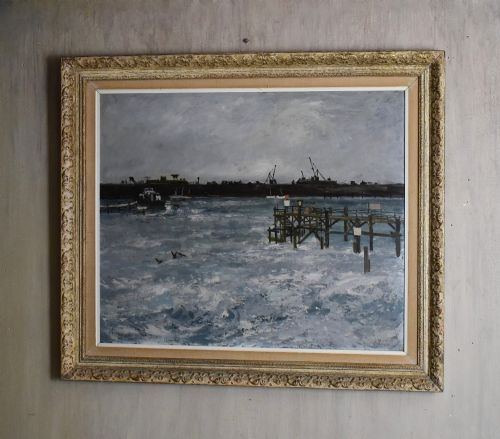
Original Coastal Landscape Art
Original coastal landscape art captures the shifting light and maritime heritage of British shores through the skilled hands of painters working across the nineteenth and twentieth centuries.
Original Coastal Landscape Art
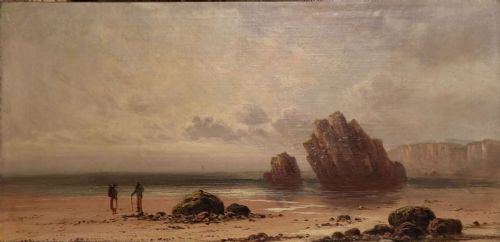
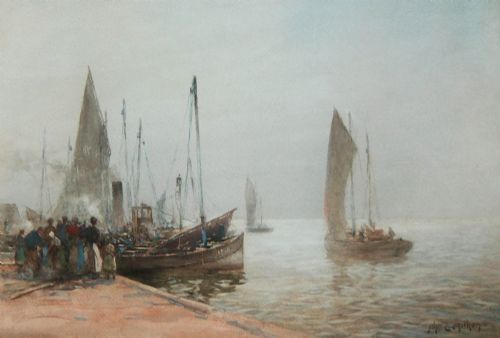
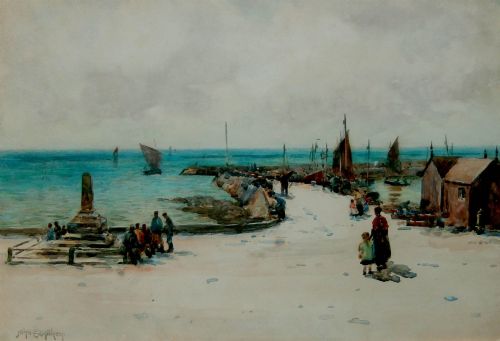
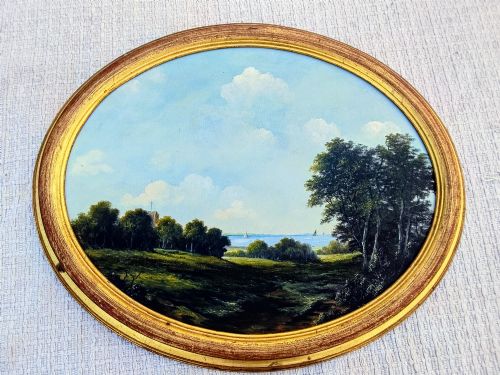
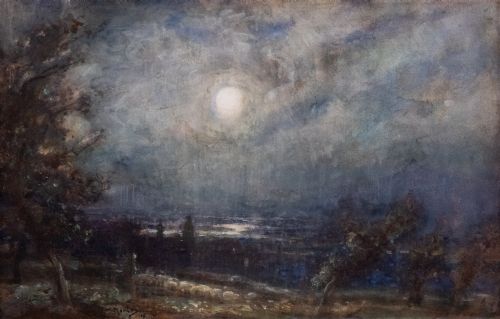
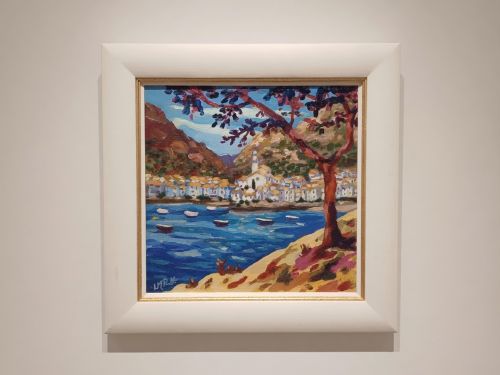
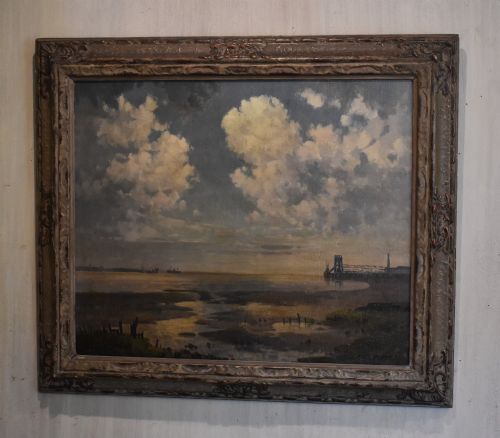
Original coastal landscape art encompasses paintings and watercolours depicting harbours, fishing boats, and coastal views from Cornwall to Scotland. Buyers look to these works for an authentic connection to maritime history and the changing moods of the sea.
The selections span from late Victorian and Edwardian watercolours to mid-century oil paintings on board and canvas. These pieces reflect movements such as British Impressionism, Modern British, and Post-Impressionism.
Works range from intimate depictions of local quays by regional artists to broader coastal panoramas set in gilt frames. Each piece records a specific topography, often identified with locations like St Ives, Whitby, or Scarborough.
How they were made
Artists painted on various supports including traditional canvas, prepared wood board, and heavy paper, often working en plein air to capture immediate atmospheric effects. Watercolours rely on fluid washes and delicate brushwork on paper, while oils employ rich layers of pigment to build texture.
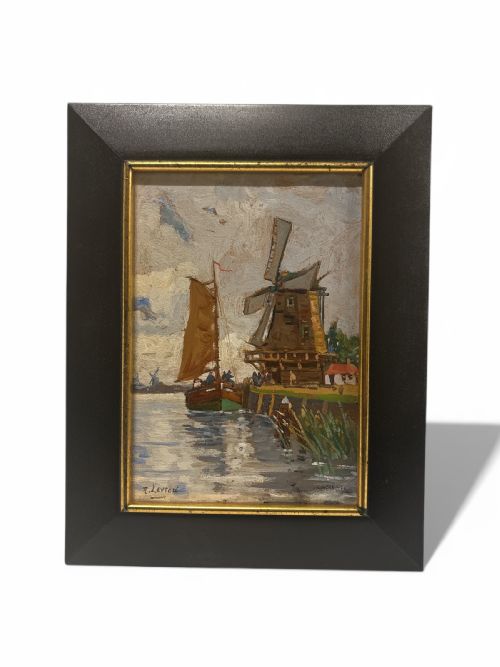
Impasto techniques build thick ridges of oil paint that catch the light, particularly effective for rendering the motion of waves along a rocky shoreline. Many works are housed in original gilt frames that complement the tonal palette of the maritime scene.
Several artists recorded the exact moment fishing fleets departed at dusk, preserving salt-sprayed hulls and evening tides for over a century.
What varies in quality
Quality rests on the confidence of the brushwork and the artist's ability to render light, atmosphere, and spatial depth. Stronger pieces demonstrate a assured handling of medium, whether capturing the transparent fluidity of water or the heavy mass of a wooden hull.
The relationship between the subject and the composition dictates the visual balance of the piece, separating accomplished works from more formulaic topographical views. Condition of the underlying support and the retention of an appropriate period frame also influence the overall standing of the work.
James Orrock·Clifford Hanney·Thomas William Morley·Donald McIntyre·Joseph Farquharson
The Original Coastal Landscape Art Glossary
- En plein air
- Painting outdoors to directly observe the landscape and capture fleeting natural light. This method was widely adopted by artists working along the coast.
- Impasto
- Paint applied thickly to a surface, leaving visible brush or palette knife marks. It adds physical texture and dimension to elements like breaking waves.
- Seascape
- A work of art depicting the sea, coastlines, or marine vessels. These subjects formed a major focus for British artists throughout the nineteenth and twentieth centuries.
- Watercolour
- A painting method where fine pigments are suspended in a water-soluble binder on paper. It allows for transparent washes that suit coastal mists and skies.
Original Coastal Landscape Art: Frequently Asked Questions
How do I date a coastal painting?
Dating relies on stylistic clues, framing methods, and the recorded working periods of the artist. Details such as clothing styles on figures or the type of vessels in a harbour provide additional chronological markers.
Material supports also shift over time, moving from heavy nineteenth-century canvases to twentieth-century boards. Comparing signature formats with known exhibition dates helps narrow down the decade of creation.
What is the difference between oil and watercolour here?
Oil paintings use suspended pigments in a drying oil on canvas or board, offering a rich texture and deep tonal range. Watercolours use water-based pigments on paper, creating translucent effects suited to light and sky.
Oils handle heavy impasto and atmospheric weather very effectively, whereas watercolours rely on the white of the paper to generate luminosity. Both media were widely used to record British maritime scenes.
Where were most of these coastal scenes painted?
Many works focus on established maritime hubs and artist colonies along the British coastline, particularly in Yorkshire and Cornwall. Locations such as St Ives, Whitby, and Scarborough appear frequently across the periods.
Artists also travelled to Scottish harbours and south coast ports, recording local fishing fleets and daily maritime labour. Each region offered distinct architectural and geological backdrops.
How should I display an antique oil painting?
Antique oils benefit from placement away from direct sunlight and excessive humidity to protect both the canvas and the pigments. Maintaining a stable indoor environment prevents warping of wooden panels and cracking of the paint layer.
Selecting a wall with appropriate ambient light allows the textured brushwork to read clearly without glare. Many pieces retain their period gilt frames, which provide structural support and historical context.