



Traditional British Art Painting
These traditional british art painting works capture landscapes, portraits, and rural scenes across centuries of island history.
Traditional British Art Painting
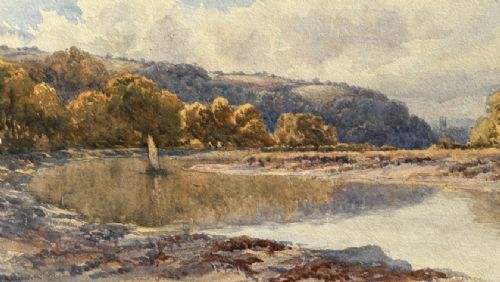
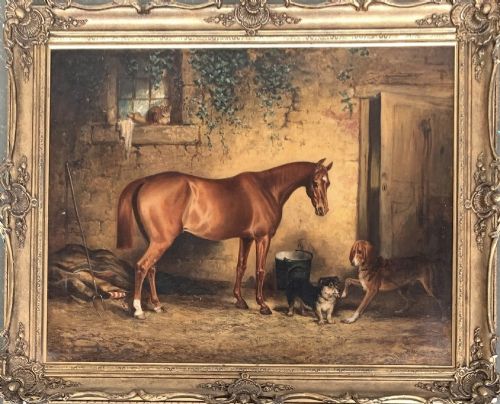
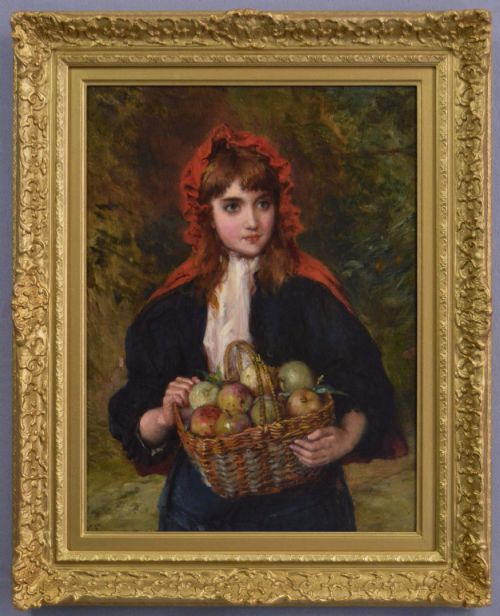
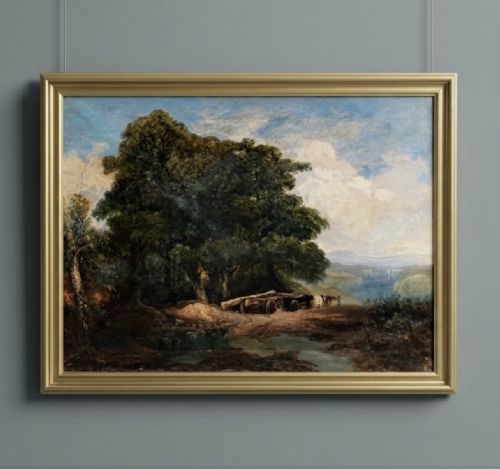
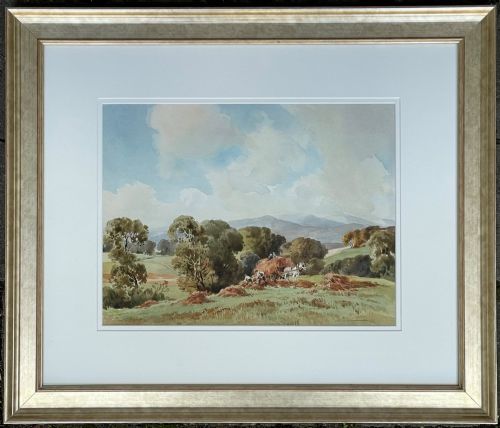
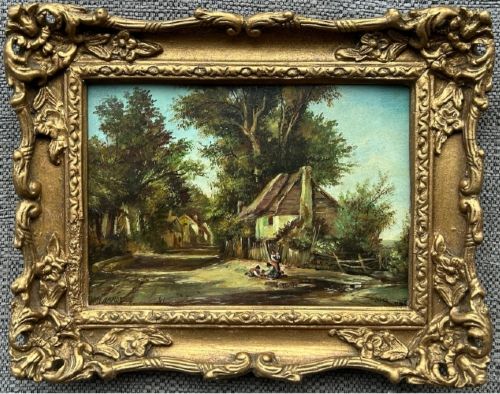
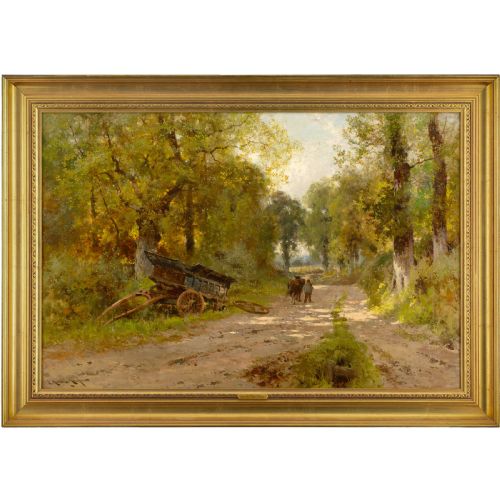
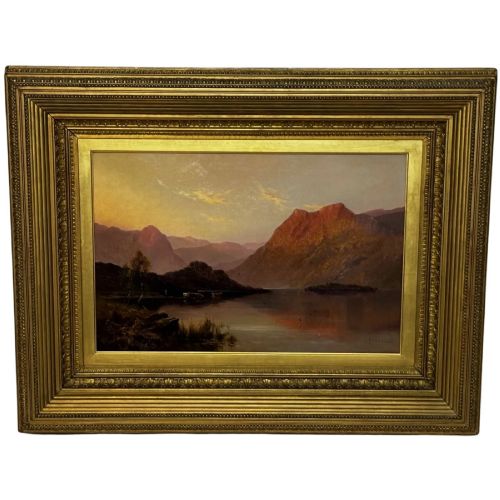
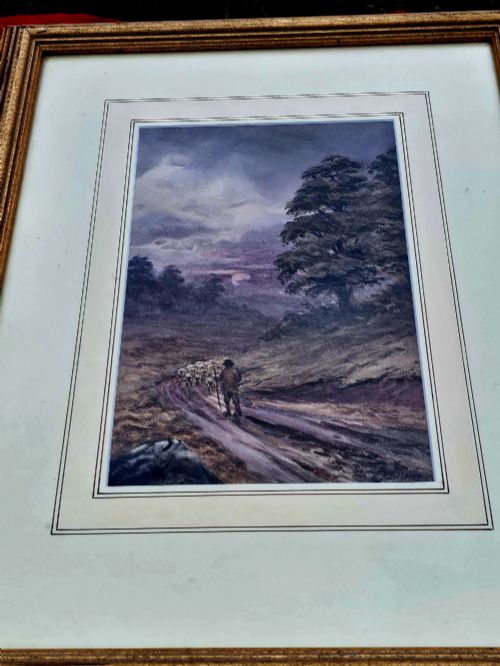
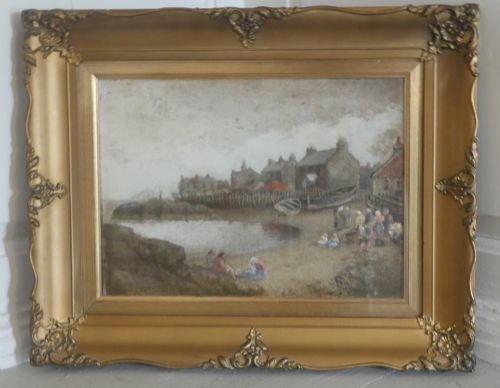
Traditional british art painting encompasses framed oil and watercolour works spanning the nineteenth and early twentieth centuries, recording rural landscapes, coastal views, and portraits. Buyers exploring this category frequently encounter pieces depicting sheep, cattle, woodland paths, and river scenes rendered by regional schools and named artists.
The material record includes canvases, wood panels, and paper supports housed in giltwood frames. Works often reflect Victorian, Edwardian, and British Impressionist sensibilities, capturing domestic scenery from the Scottish Highlands down to Cornwall and the Thames Valley.
Materials and methods
Painters applied oil and watercolour pigments onto stretched canvas, wooden boards, and heavy paper, utilising brushes to build tone and atmosphere. Many works rely on prepared panels or woven canvas grounds sized before receiving layers of oil paint or transparent watercolour washes.
Framing forms an integral part of the physical object, employing moulded and carved gilt wood or giltwood surrounds that complement the visual weight of the paintings. Surviving pieces often retain their original frames, bearing the marks of period gilders and framemakers.
Several canvases faithfully record prize-winning Shorthorn bulls and racing pigeons, proving that Victorian patrons loved their champion animals just as much as their landscape views.
Distinctions in execution
Quality rests upon the sureness of the brushwork, the handling of natural light, and the accuracy of compositional balance within the landscape or portrait. Masterful works demonstrate nuanced colour harmonies and convincing spatial depth, whereas weaker examples rely on formulaic repetition and stiff figures.
The vitality of the subject matter and the strength of provenance elevate certain paintings above standard decorative output. Pieces attributed to documented regional schools or signed by established nineteenth and twentieth-century painters display superior draughtsmanship and lasting material stability.
William Oliver·Richard Sebastian Bond·William H Myers·Tom Campbell·Alfred Young Nutt·Percy Lancaster·William Howard Hardy·John Horace Hooper·William Joseph Shayer Senior·Alfred Fontville de Breanski Jr·EJ Letheren·Edward Mills·William Banks Fortescue·Thomas Barker of Bath·Thomas W Lascelles·William Joseph Boyes·David Bates·Thomas Smythe·Albert Clark·Robert John Hammond·Walter Heath Williams·Robert Thorne Waite·John Smith Atherton·Thomas Creswick·Joseph H Barnes
The Traditional British Art Painting Glossary
- Oil on canvas
- Pigment suspended in a drying oil medium applied to a woven fabric support stretched across a wooden frame. This combination allows for rich colour saturation and textured impasto application.
- Watercolour
- Pigment ground in a water-soluble binder applied to paper supports in translucent washes. It requires swift precision and preserves the luminosity of the underlying paper.
- Giltwood
- Timber, often gessoed and carved, coated with a thin layer of gold leaf or metallic gilt finish. It frames and protects the painted surface while reflecting ambient light.
- Wood panel
- A rigid wooden support used instead of canvas, often providing a stable surface for detailed brushwork during the nineteenth century. Panels are susceptible to warping if exposed to extreme humidity fluctuations.
- British Impressionism
- A painting style influenced by French techniques, focusing on natural light, outdoor scenes, and looser brushstrokes. British practitioners adapted these methods to domestic landscapes and coastal subjects.
Traditional British Art Painting: Frequently Asked Questions
How do I date a traditional british art painting?
Dating relies on stylistic clues, framing methods, and signatures or inscriptions left on the reverse of the canvas or panel. Examining the canvas weave and stretcher construction also helps confirm the period.
Many nineteenth-century works carry exhibition labels, artist stamps, or handwritten notes on the wooden stretcher bars that record dates, titles, and locations.
Where were these paintings displayed originally?
These artworks hung primarily in nineteenth-century domestic interiors, country houses, and provincial parlours. They were commissioned or purchased by middle-class collectors to decorate family reception rooms.
Larger canvases occupied prominent positions above mantelpieces, while smaller watercolours and panel paintings filled smaller wall spaces in studies and hallways.
How should I care for an oil on canvas?
Keep paintings away from direct sunlight, heating vents, and damp environments to protect both the canvas and the wooden stretcher. Stable room temperatures prevent the paint layer from cracking or flaking.
Dust surfaces gently with a soft, dry brush and avoid using chemical cleaners or water on either the painted canvas or the giltwood frame.
What is the difference between oil and watercolour?
Oil paint utilises a slow-drying oil medium that allows artists to blend tones and build thick, textured layers of pigment. Watercolour employs a water-soluble medium on paper, producing luminous, transparent effects.
Watercolour paintings require protective glass glazing and secure matting to prevent moisture damage, whereas oil paintings on canvas remain unglazed.