


Canterbury Music Rack Drawer
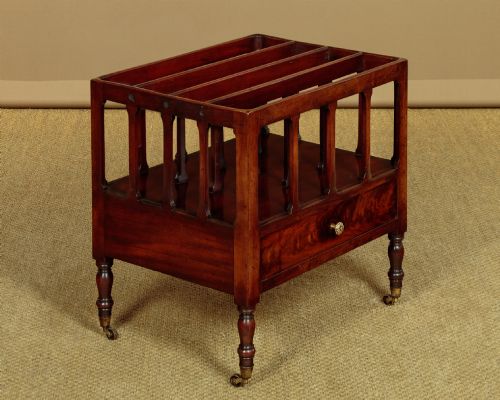
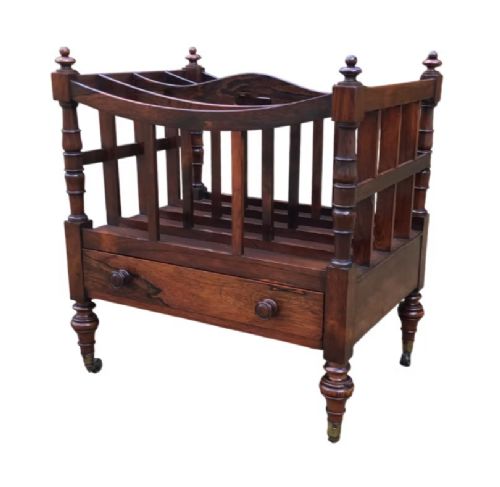
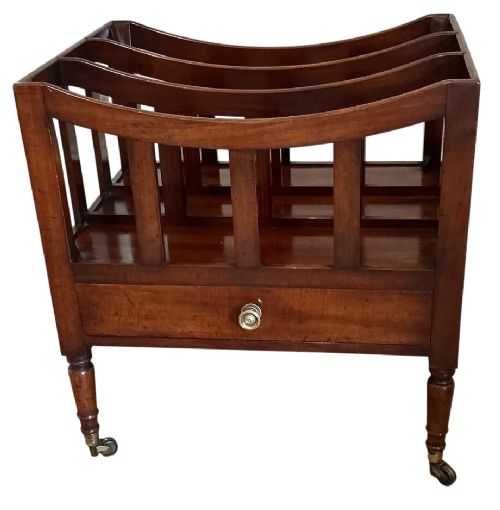
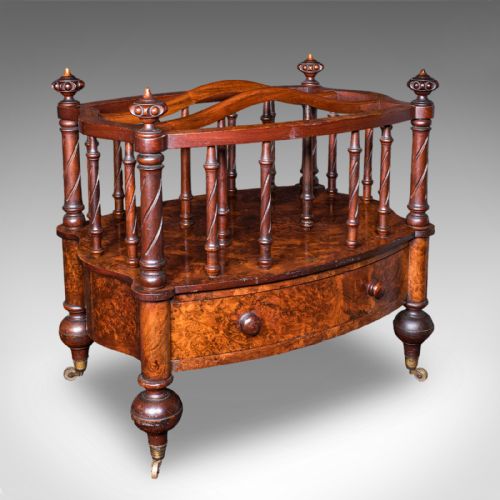
A canterbury music rack drawer holds sheet music and periodicals within compartmentalised frames above integrated storage drawers.

Canterbury Music Rack Drawer
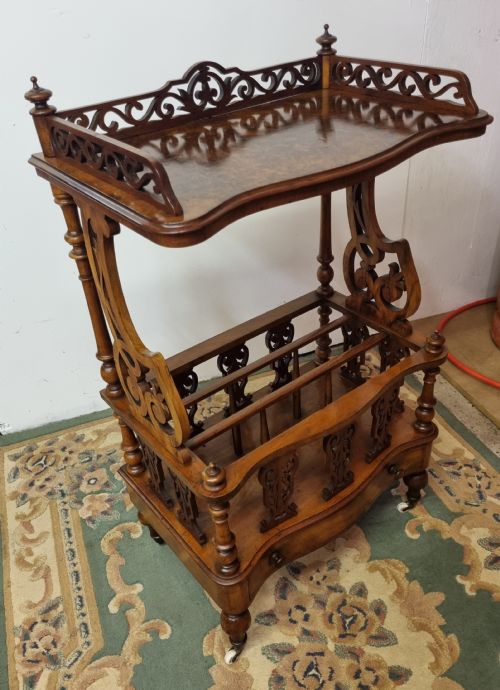
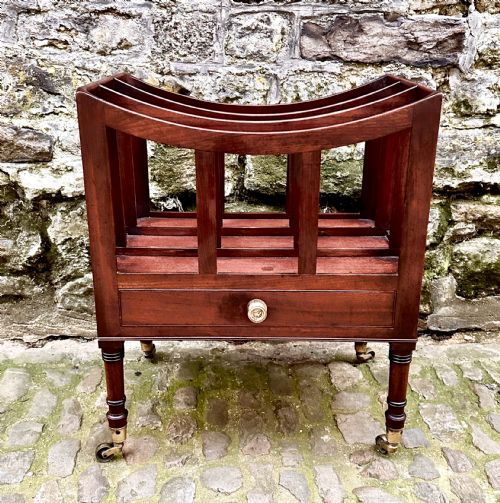
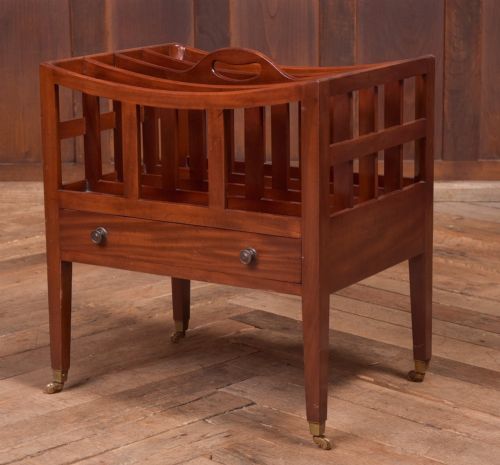
A canterbury music rack drawer serves as a freestanding stand designed to hold newspapers, magazines, and sheet music. These pieces frequently appear in forms dating from the Georgian, Regency, Victorian, and Edwardian periods.
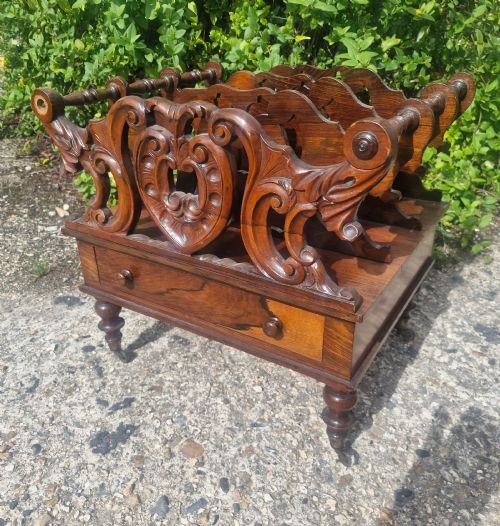
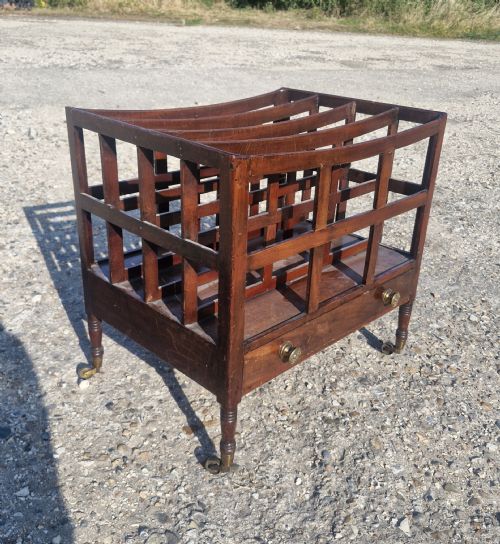
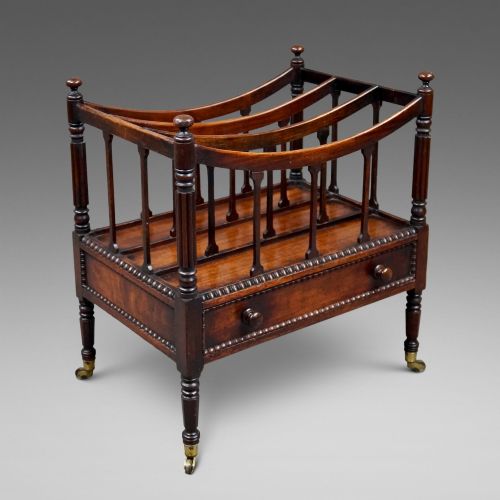
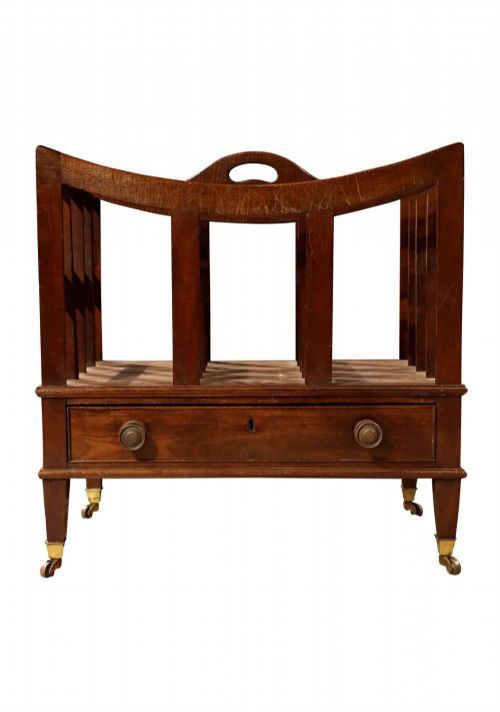
The most common version met on this page is the mahogany or rosewood canterbury featuring divided vertical sections above a single base drawer. Many examples also incorporate turned legs fitted with castors for mobility across a room.
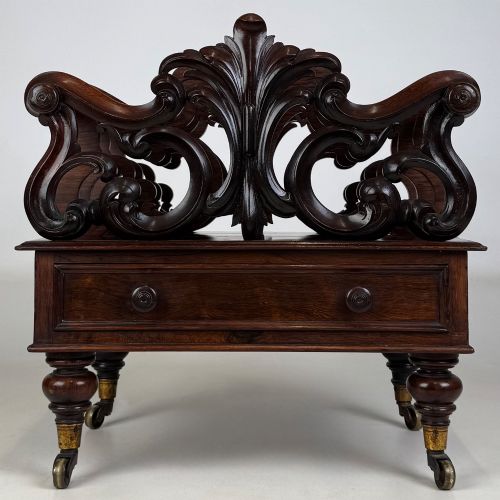
Makers designed these items for domestic music rooms and parlours to keep scores tidy and accessible near pianos. Alongside standard open-slat canterburys, variations include boat-shaped frames, serpentine profiles, and cabinet formats.
Materials and construction
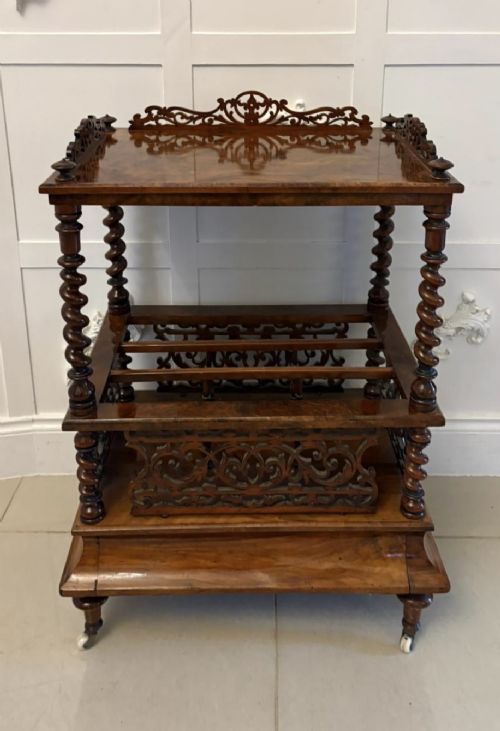
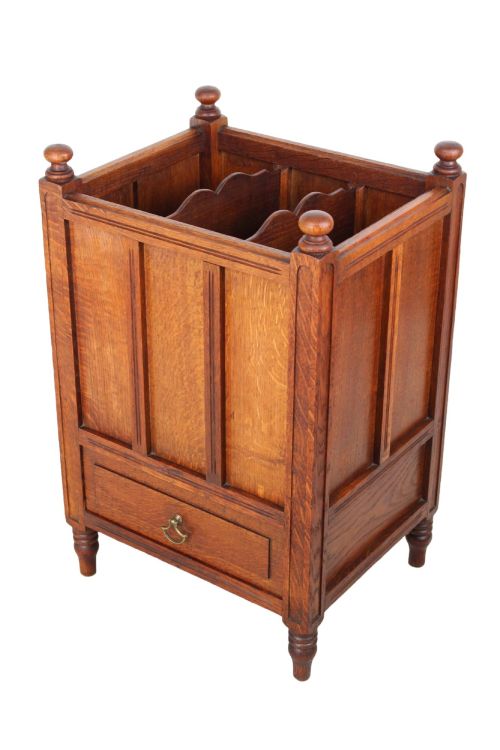
Cabinet makers utilised dense hardwoods such as mahogany, rosewood, burr walnut, satinwood, and oak to build the structural framework and slatted partitions. These timbers were selected for both their structural rigidity and rich grain patterns.
Many specimens incorporate brass details, including fine castors, handles, and occasional gallery rails that accent the timber framework. Drawer boxes feature traditional joinery to withstand daily use in domestic settings.
Listings feature pieces spanning the Georgian, Regency, William IV, Victorian, and Edwardian eras constructed from mahogany, rosewood, walnut, and oak.
Distinctions in craftsmanship
The refinement of the turned legs, the delicacy of the slatted divisions, and the selection of figured veneers establish the tier of a piece. Finer examples display carved details such as Prince of Wales feathers or serpentine moulding.
Proportion and stability separate standard utility pieces from masterworks designed for formal reception rooms. The integration of the drawer mechanism within the underframe also demonstrates the maker's joinery skill.
Edwards & Roberts
The Canterbury Music Rack Drawer Glossary
- Canterbury
- A low stand with upright divisions used for holding music sheets, newspapers, and magazines. The form originated in the late eighteenth century and often includes a base drawer.
- Regency
- A style period spanning the early nineteenth century characterised by classical revival motifs and elegant proportions. Pieces from this era frequently utilise rosewood and brass fittings.
- Serpentine
- A curved shape curving inward then outward, creating a gentle undulating line along the front edge of the furniture. This profile appears on finer Victorian walnut examples.
- Castor
- A small wheel mounted on a swivel attached to the base of a leg for easy movement. These are commonly cast in brass on nineteenth-century stands.
- Etagere
- A set of open shelves for displaying small objects, sometimes combined with the lower rack structure of a music stand.
Canterbury Music Rack Drawer: Frequently Asked Questions
What is a canterbury music rack drawer?
A canterbury music rack drawer is a specialised piece of nineteenth-century furniture combining vertical compartments for holding sheet music with a functional storage drawer underneath.
Cabinet makers produced these stands primarily in mahogany, rosewood, and walnut to keep scores and periodicals organised beside parlour pianos.
How were these stands used originally?
These items held unbound sheet music, newspapers, and periodicals within easy reach of musicians in domestic drawing rooms.
The lower drawer provided enclosed storage for smaller accessories, writing materials, or additional musical scores.
How do I identify a Regency canterbury?
Regency examples typically display classical proportions, dark exotic timbers like rosewood, and delicate turned legs fitted with brass castors.
Many feature boat-shaped frames with sweeping curved divisions rather than strictly rectangular partitions.
Can I use an antique canterbury for modern magazines?
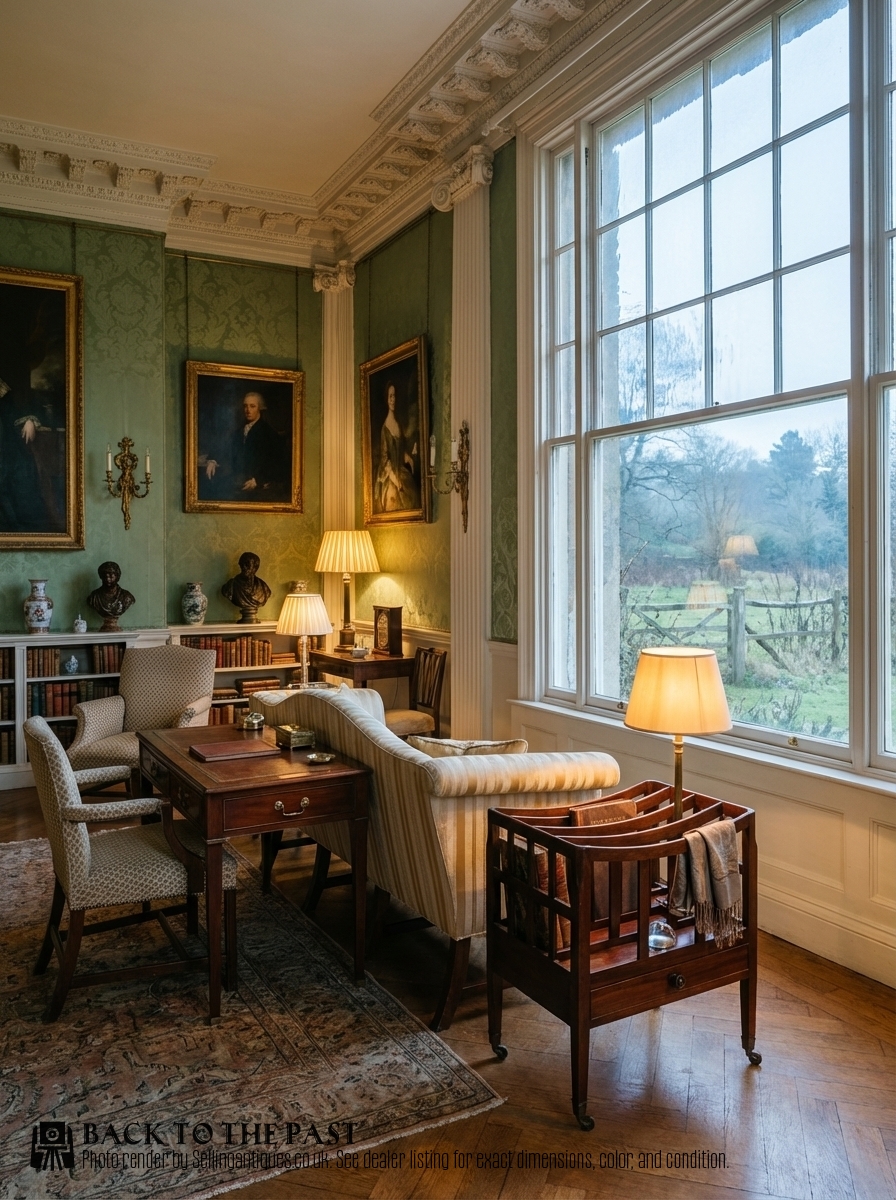
Yes, the vertical divisions accommodate contemporary periodicals, art books, and vinyl records just as well as nineteenth-century sheet music.
Their sturdy hardwood construction makes them practical for daily use in modern living spaces.