
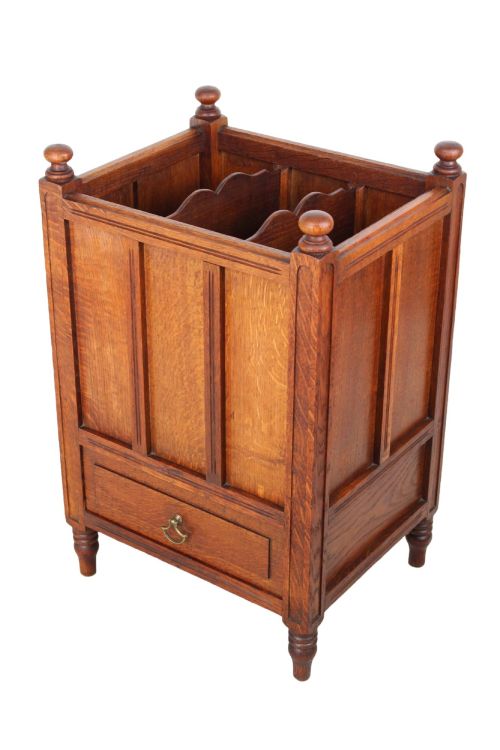


Sheet Music Divider
These sheet music dividers keep scores tidy by the piano, offering a neat timber compartment or rack for every piece.

Sheet Music Divider
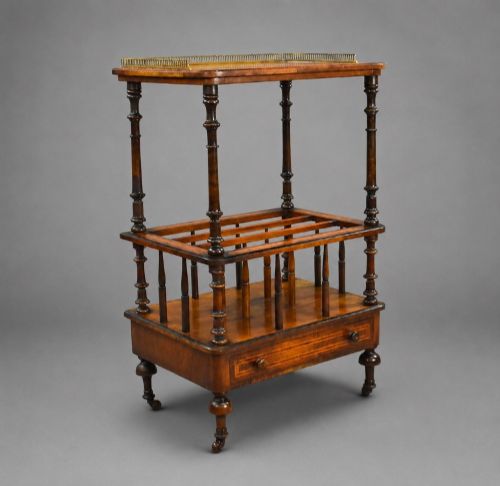
A sheet music divider functions as a dedicated storage piece for musical scores and folios near the instrument. When searching for a sheet music divider, collectors typically encounter canterburys and music stands from the Regency, Victorian, and Edwardian periods.
The most common format on this page is the canterbury, a low freestanding rack with vertical partitions for sorting sheets. These items also appear as music cabinets and stands, fashioned from timbers like mahogany and walnut.
How they were made
Cabinet makers constructed these pieces using solid and veneered hardwoods such as mahogany, rosewood, and burr walnut. Finer examples incorporated detailed marquetry inlay and turned supports.
Alternative materials like bamboo and rattan also appear in later Victorian pieces, providing a lighter aesthetic.
One exceptional Victorian example incorporates burr yew wood alongside walnut, adding unusual pale contrast to the music cabinet.
What varies in quality
The distinction between standard and superior pieces rests on the choice of timber and the precision of the joinery. Figured veneers and intricate carving elevate the object.
Design sophistication also sets examples apart, particularly when a maker integrates functional drawers or fine turning into the frame.
Gillows of Lancaster
The Sheet Music Divider Glossary
- Canterbury
- A low stand with partitions used originally for holding sheet music or portfolios. It often sits on castors for easy movement across the floor.
- Burr walnut
- A highly prized wood veneer showing swirling, knotty grain patterns. It decorates the exterior surfaces of finer Victorian cabinets.
- Marquetry
- The art of applying small pieces of veneer to form decorative patterns on furniture. This technique frequently enhances the top surfaces of canterburys.
- Whatnot
- An open set of freestanding shelves used for displaying ornaments or holding books and music. Some examples combine this shelving with a music rack below.
Sheet Music Divider: Frequently Asked Questions
What is a sheet music divider?
A sheet music divider is a piece of furniture designed to hold and organise unbound musical scores. These items usually feature vertical wooden partitions or shelves.
They stood beside pianos and music desks in nineteenth-century parlours to keep scores within easy reach during a performance.
How were these stands used?
Musicians used them to sort folios, sheet music, and sometimes books by composer or instrument. The partitions kept paper upright and prevented curled edges.
Lower drawers often held smaller accessories like tuning forks, spare strings, or manuscript paper.
How do I date a canterbury?
Dating relies on timber selection, decorative styles, and construction methods. Regency pieces often display clean mahogany lines, while Victorian examples favour burr walnut and inlay.
Later nineteenth-century pieces introduced alternative materials like bamboo alongside traditional hardwoods.
Where should I place one?
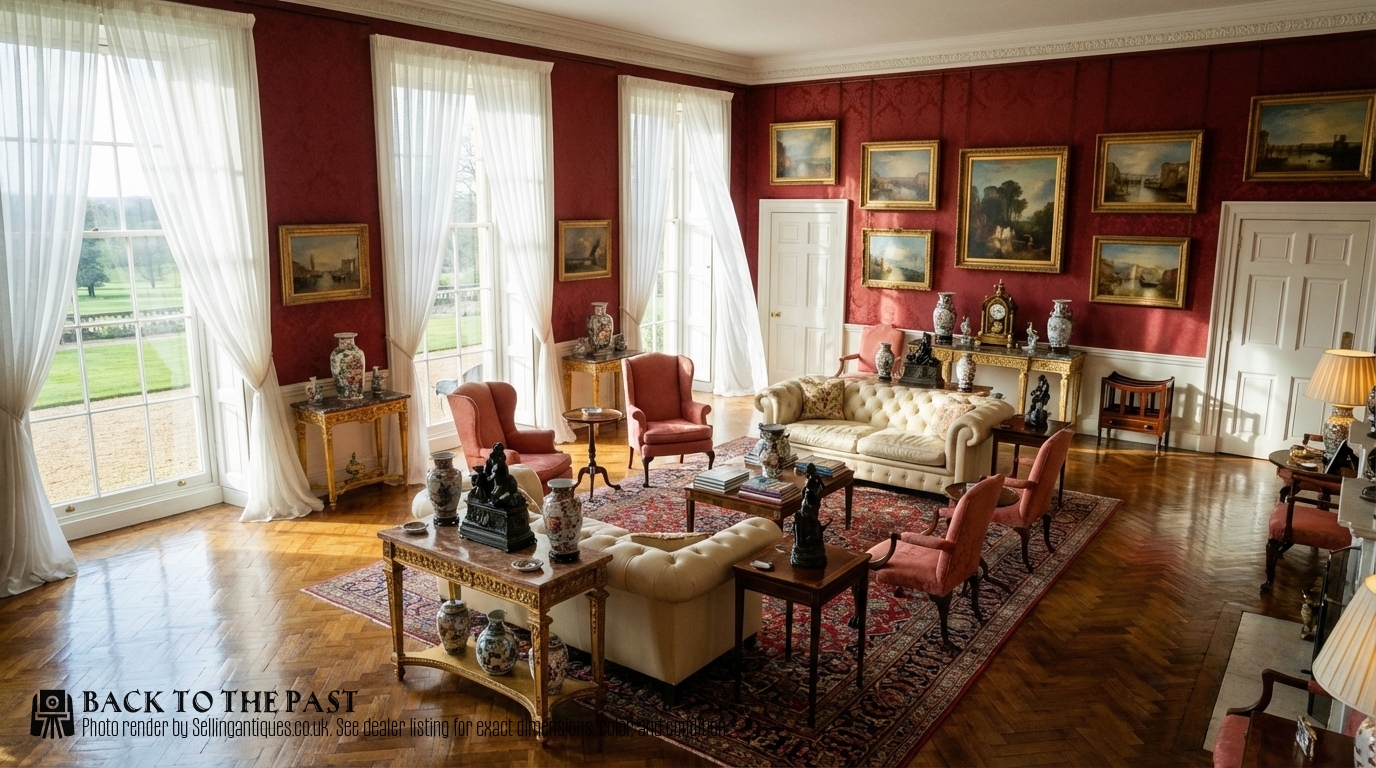
These pieces fit naturally beside a piano or in a music room to hold contemporary scores or vintage folios. Their compact footprint also suits living spaces as side tables.
Keeping them away from direct heat sources protects the timber and delicate veneers.