
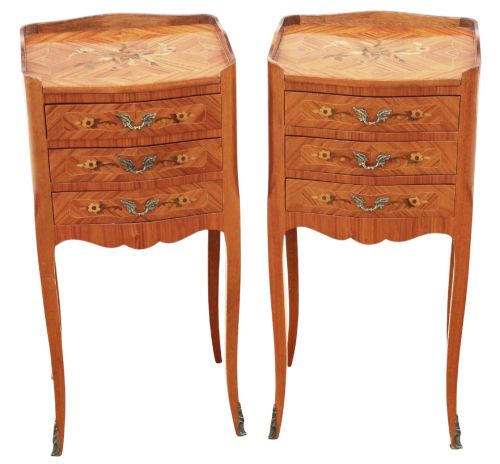
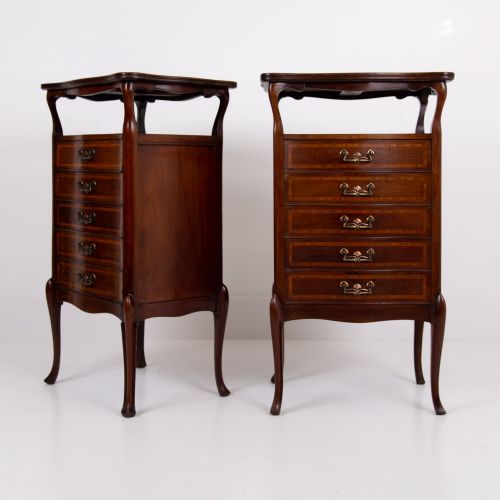
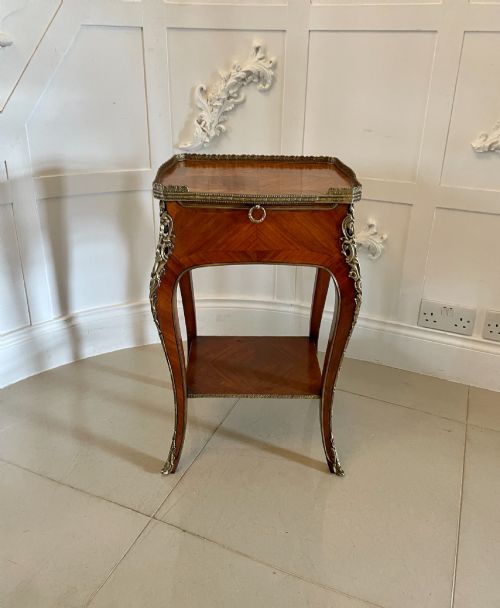
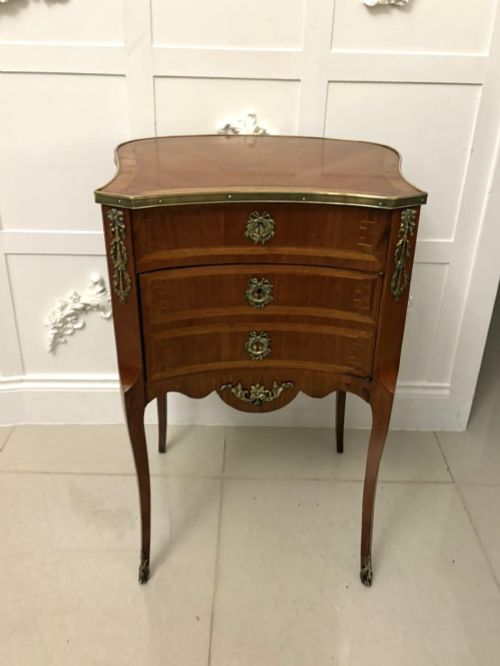
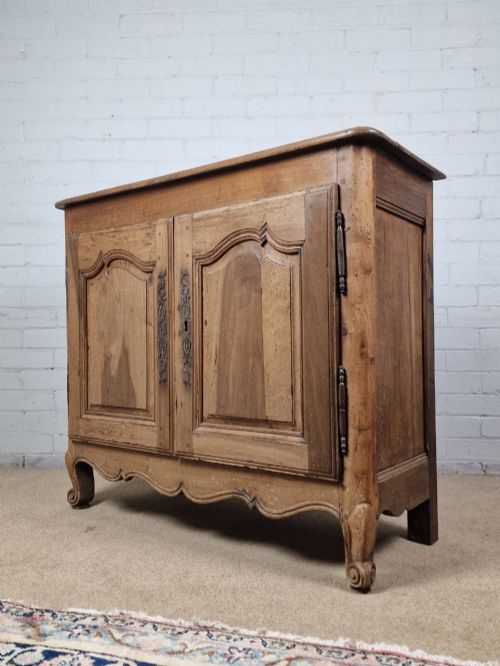
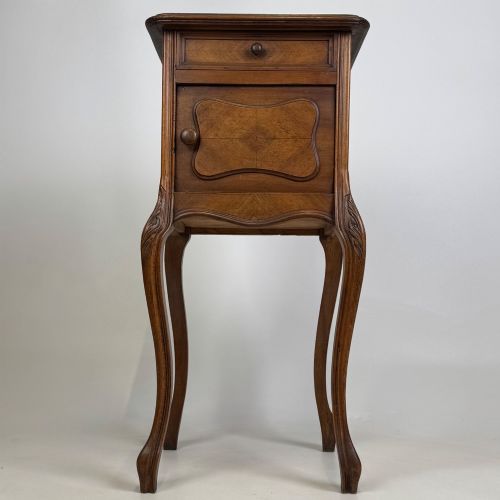
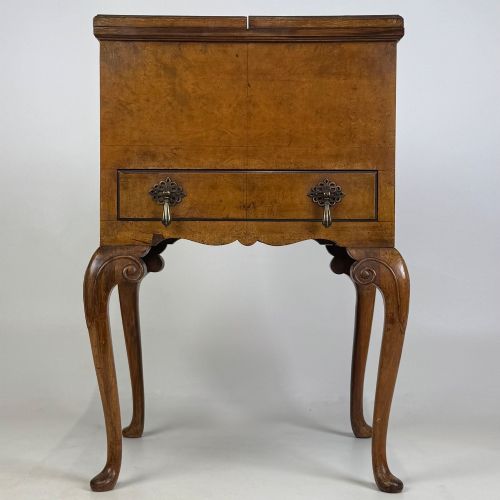
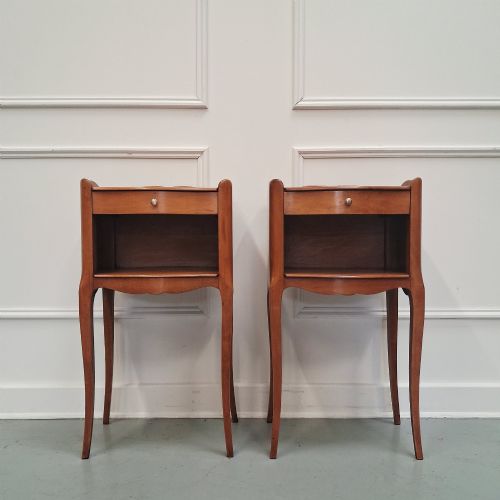
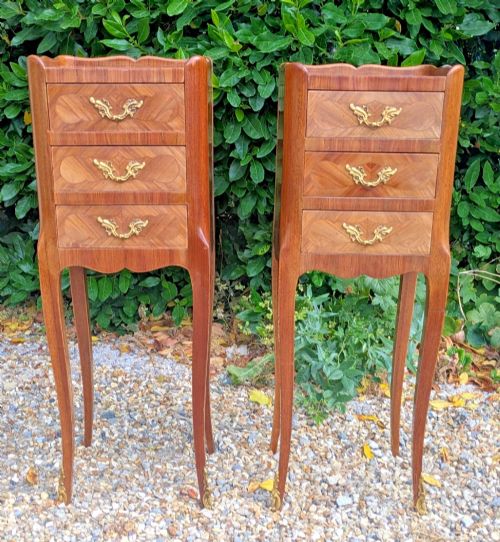
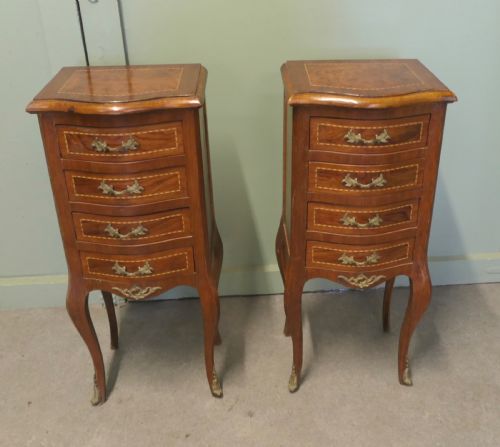
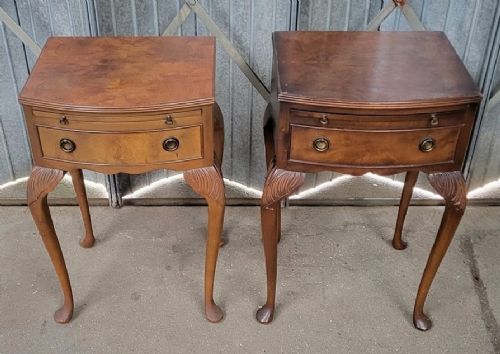
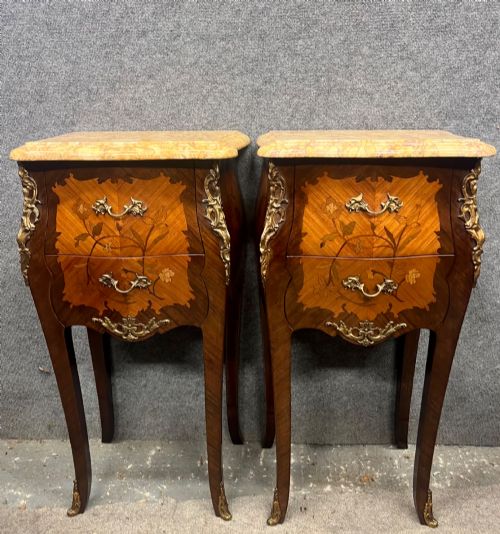
Cabriole Leg Side Cabinet
These cabriole leg side cabinet pieces bring curved elegance and practical storage into a room, offering both period charm and everyday utility.
What a cabriole leg side cabinet is
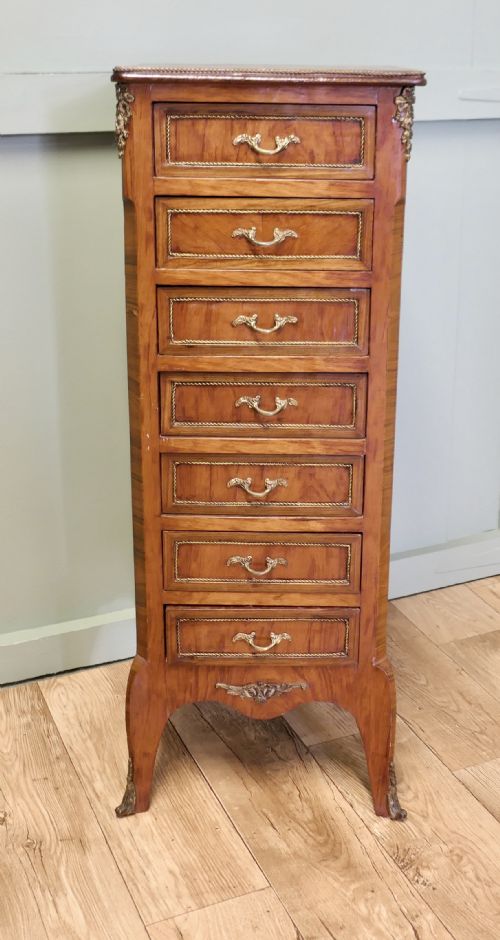
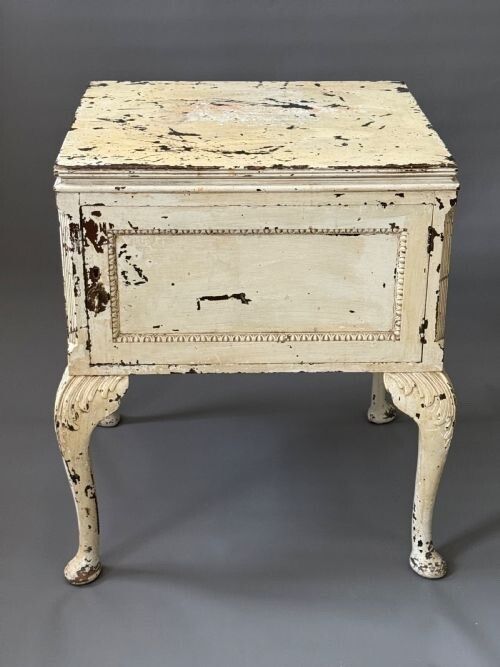
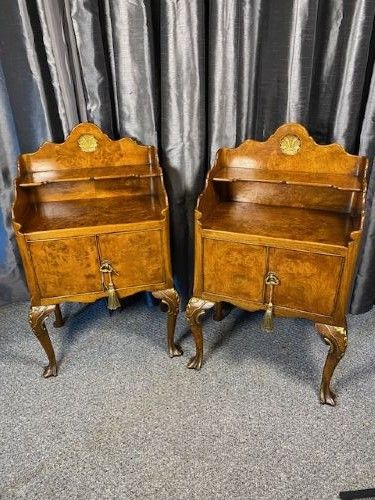
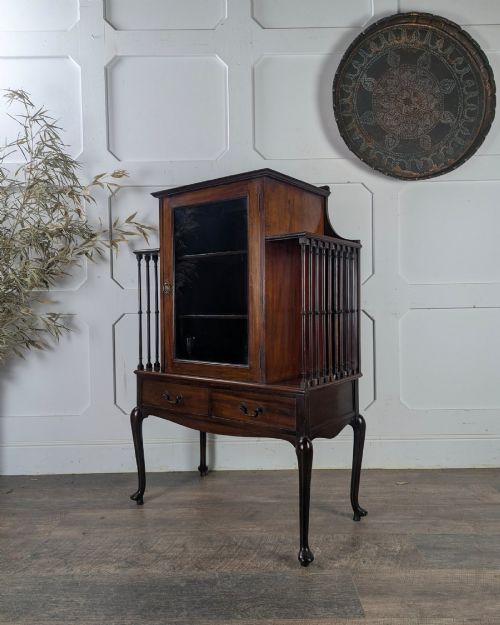
A cabriole leg side cabinet combines surface display with enclosed storage, standing on signature double-curved legs that taper down to pad or scroll feet. These items surface from around nineteen hundred and the nineteen-twenties, bridging decorative arts and domestic utility.
The most frequent form you will encounter here is the walnut side cabinet or sideboard, often displaying figured or burr veneers. Pieces stretch across several aesthetic traditions including Queen Anne style, Chippendale style, Chinoiserie, and French Chateau influences.
Makers utilised various timber foundations, occasionally adding marble tops or brass hardware to enhance the formal presence of the furniture. The inventory bridges compact side cupboards and broader sideboard formats designed to anchor a dining room or hallway.
How they were made
Cabinet makers constructed these pieces using solid woods and decorative veneers, notably burr walnut, plain walnut, and mahogany. Skilled hands applied fine timber slices over stable secondary woods to create dramatic figuring across the primary surfaces.
Techniques varied from traditional cabinet joinery to applied decorative schemes like Chinoiserie lacquer work. Brass fittings, including handles and key escutcheons, were secured by hand to complement the polished timber finishes.
Retail Price Guide 2026
Typical UK retail prices for cabriole leg side cabinet, calculated from the Sellingantiques database of over a million retail prices indexed since 2003. This retail price guide relies exclusively on Sellingantiques data; no external sources or auction records are used, so the figures do not describe the wider market.
Some side cabinets secretly double as drinks cabinets, offering a polite place to store your evening tipple behind locked wooden doors.
What varies in quality
Quality rests heavily on the selection and matching of the veneer, particularly on burr walnut examples where symmetry across door panels defines the visual impact. The crispness of the cabriole leg carving also separates standard production from superior craftsmanship.
Hardware choice and internal secondary timbers indicate the original cost and ambition of the piece. Well-fitted doors and stable frame construction ensure the cabinet maintains both its alignment and its decorative integrity over decades of use.
The Cabriole Leg Side Cabinet Glossary
- Cabriole leg
- A furniture leg featuring a double curve, swaying outward at the knee and inward at the ankle, inspired by animal limbs. This form became a defining feature of eighteenth-century design and later revival periods.
- Burr walnut
- A wood veneer taken from a growth or burl on a walnut tree, prized for its swirling, organic patterns. Cabinet makers used this timber for high-end decorative surfaces.
- Demi-lune
- A half-moon shape used for the footprint and top surface of specific tables and cabinets. This curved profile allows the furniture to sit flush against a wall while saving floor space.
- Chinoiserie
- European decorative style inspired by Chinese artistic traditions, featuring hand-painted motifs and lacquer. This technique appeared on specialist cabinets from the early twentieth century.
- Chippendale style
- A furniture style drawing on the designs of Thomas Chippendale, characterised by carved mahogany and classical motifs. It remains popular in revival pieces from the turn of the twentieth century.
Frequently Asked Questions
What rooms suit a cabriole leg side cabinet?
These cabinets fit well in living rooms, dining spaces, and generous hallways where surface space and closed storage are both required. Their curved legs soften the geometry of a room.
They pair effectively with traditional interiors while adding historic character to more neutral, contemporary spaces.
How do I care for walnut veneer?
Walnut benefits from consistent indoor humidity and protection from direct sunlight, which can fade or dry out the timber over time. Dusting with a soft, dry cloth preserves the polished surface.
Avoid placing damp items directly on the wood to prevent marking the delicate French polish or lacquer.
What is the difference between walnut and burr walnut?
Standard walnut displays a straight, predictable grain with occasional dark figuring, whereas burr walnut comes from a tree growth that creates swirling, knotty patterns. Burr veneer was reserved for the most prominent exterior surfaces.
Both timbers appear across pieces from the nineteen-twenties, with burr examples usually indicating a more decorative intention.
Are these cabinets sturdy enough for daily use?
Solid wood construction and sturdy internal framing make these cabinets entirely practical for holding everyday items, glassware, or books. The cabriole legs distribute weight evenly despite their slender appearance.
Routine checking of hinges and internal shelves ensures the cabinet remains stable under regular domestic demands.