




Georgian Style Demi Lune
Georgian style demi lune furniture brings semicircular elegance to an interior, offering practical surface space and refined revival craftsmanship.
What they are
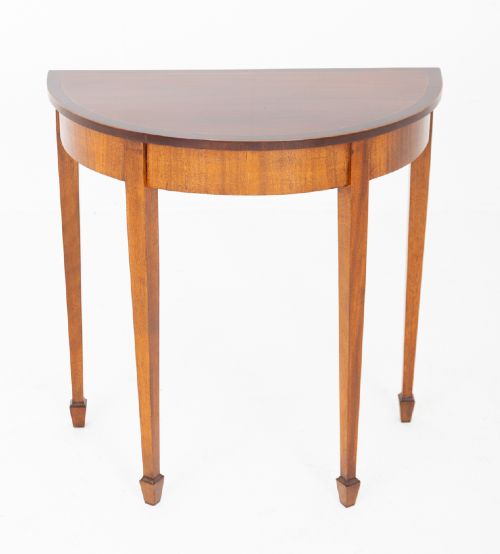
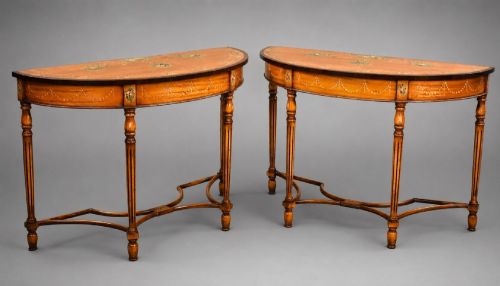
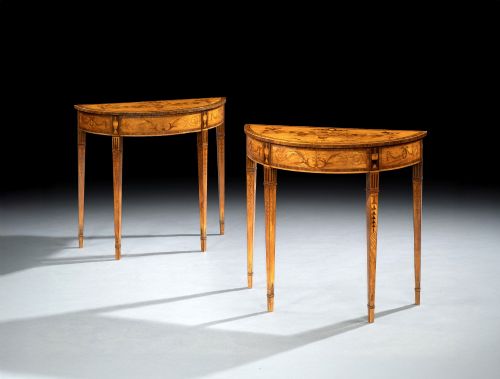
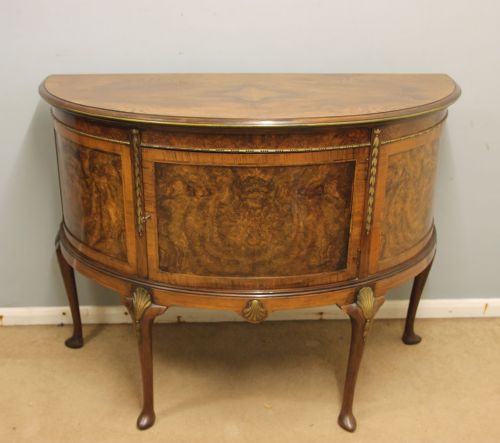
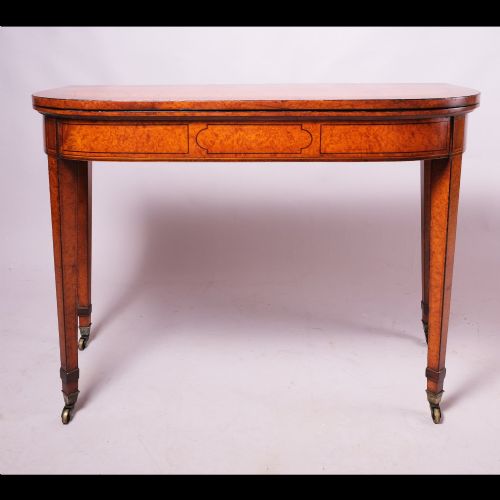
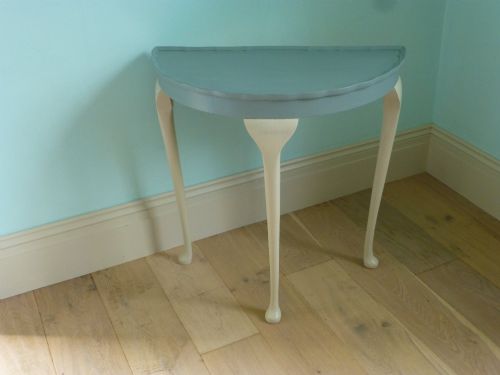
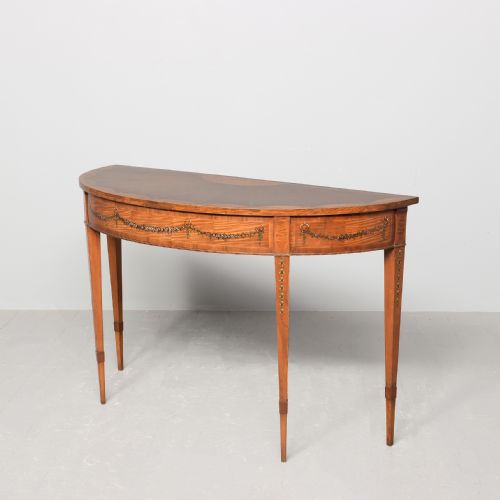
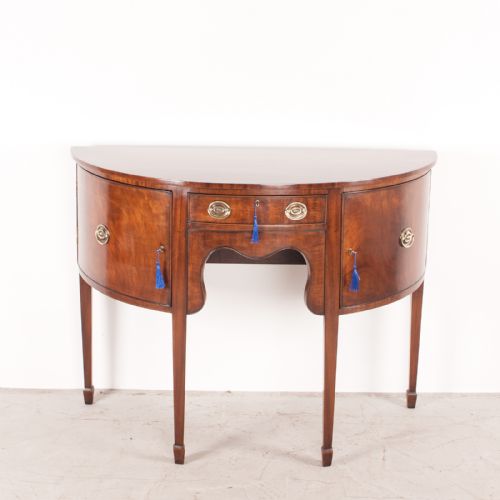
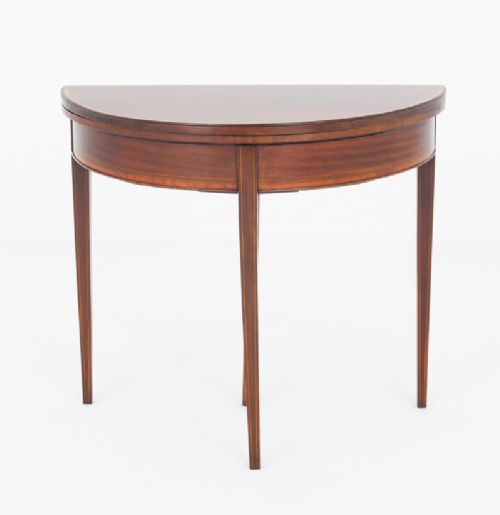
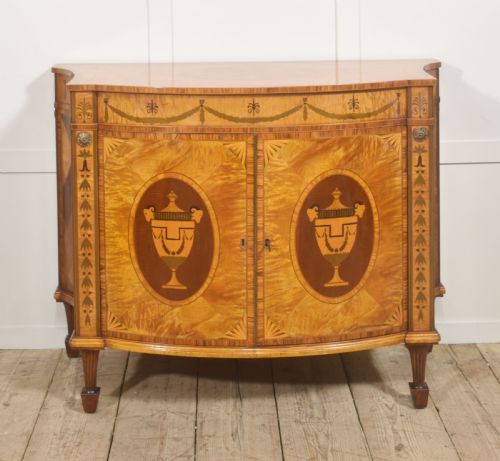
Georgian style demi lune pieces take the form of semicircular console tables, side cabinets, card tables and sideboards designed to fit snugly against a wall. These items emerge from revival periods including the nineteenth century, Edwardian era and the nineteen-twenties, drawing inspiration from earlier eighteenth-century designs.
The assortment on this page includes satinwood console tables, walnut side cabinets, mahogany card tables and oak console tables. Buyers frequently encounter revival interpretations such as Sheraton Revival, Chippendale Style, Louis XVI and George II Style within the current selection.
How they were made
Cabinet makers utilise timbers such as mahogany, satinwood, burr walnut, walnut, oak and general timber to construct these semicircular carcases and frames. Surfaces receive decorative treatments including hand-painted enamel and painted wood finishes to enrich the visual impact.
Hardware details incorporate brass fittings, while structural forms range from foldover tops on card tables to fitted doors on side cabinets and open frames on console tables.
Retail Price Guide 2026
Typical UK retail prices for georgian style demi lune, calculated from the Sellingantiques database of over a million retail prices indexed since 2003. This retail price guide relies exclusively on Sellingantiques data; no external sources or auction records are used, so the figures do not describe the wider market.
Half-moon tables let you pretend you live in a stately home even if your hallway is narrower than a disappointed sigh.
What varies in quality
The refinement of painted decoration and timber selection dictates the visual standing of each piece, with finely figured satinwood or burr walnut marking the upper tier. Plain timber surfaces and simpler painted finishes sit lower down the scale.
Construction intricacy also separates standard examples from superior ones, visible in the execution of foldover mechanisms for card tables and the precision of joinery on semicircular sideboards.
The Georgian Style Demi Lune Glossary
- Demi-lune
- A half-moon or semicircular shape used for tables and cabinets designed to stand flat against a wall. This profile saves floor space while providing a decorative surface.
- Console table
- A table fixed or placed against a wall, often featuring decorative legs and front supports. These pieces serve as display surfaces in hallways and reception rooms.
- Satinwood
- A durable hardwood with a natural golden sheen and smooth texture, frequently utilised in decorative revival furniture. It provides an ideal base for hand-painted details.
- Foldover table
- A table with a hinged top that opens out to double the surface area, commonly found on card and games tables. The mechanism requires precise woodworking to maintain stability when open.
- Revival style
- A design movement that reinterprets historical aesthetics from earlier centuries, such as George II or Sheraton periods. These later pieces capture past elegance using contemporary techniques of their own time.
Frequently Asked Questions
How do I style a demi lune cabinet?
Place a demi lune cabinet in a hallway, landing or living room where floor space is limited. Its curved silhouette softens the hard angles of a room.
Pair the surface with a wall mirror or a picture above to create a balanced focal point. Side cabinets also provide enclosed storage for tableware or linens.
What woods were used for these?
Makers constructed these pieces using timbers such as mahogany, walnut, burr walnut, oak and satinwood. Selection depended on the specific revival style and the desired finish.
Some surfaces feature painted wood or hand-painted enamel decoration over the timber base. Brass hardware often accompanies these materials on handles and hinges.
Are these original Georgian pieces?
The selection includes items from later revival periods including the nineteenth century, the Edwardian era and the nineteen-twenties. They interpret earlier styles such as Sheraton, Chippendale and George II.
Constructed decades after the original eighteenth-century reigns, these revival pieces reflect the craftsmanship of their respective manufacturing eras while honouring classic proportions.