



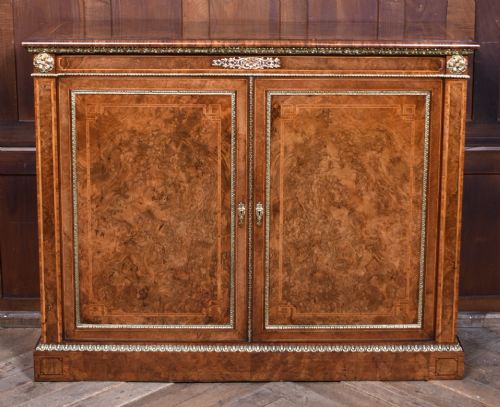
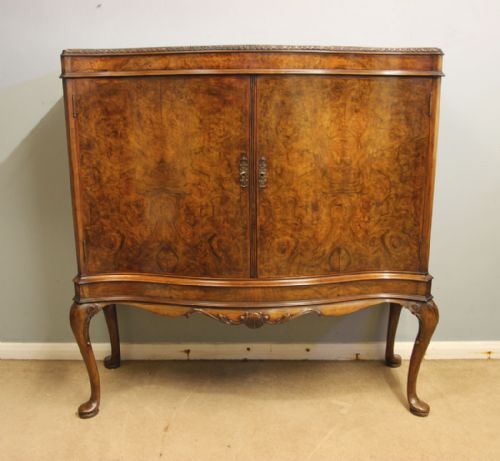
Two Door Walnut Cabinet
A two door walnut cabinet brings rich timber grain and practical storage to a room, ranging from compact pier units to tall wardrobes.
Two Door Walnut Cabinet
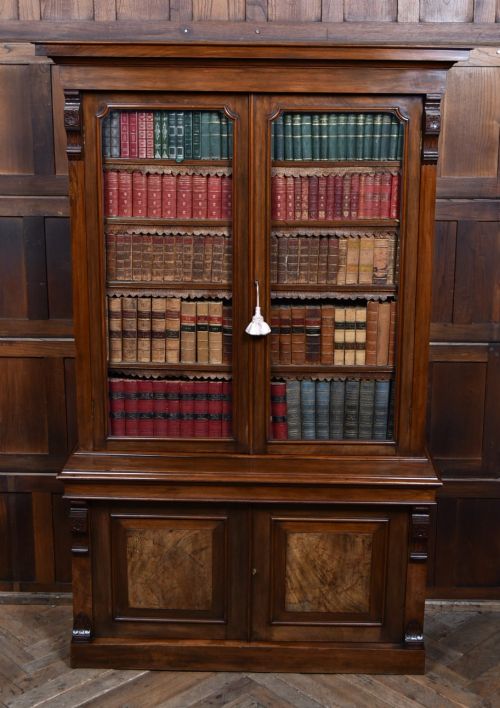
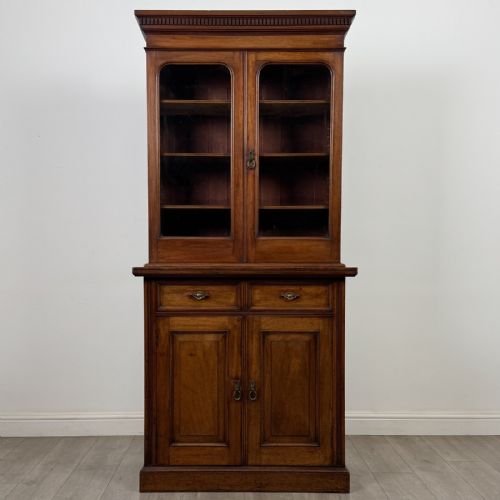
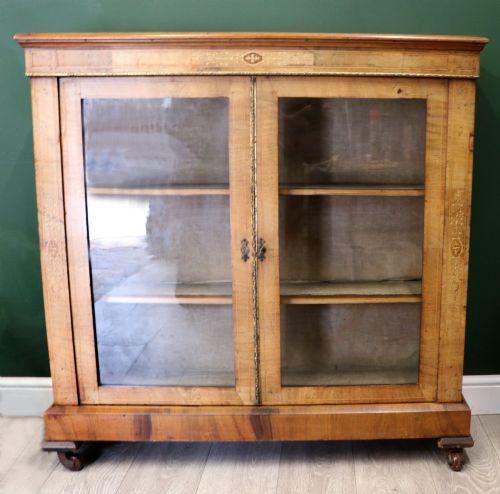
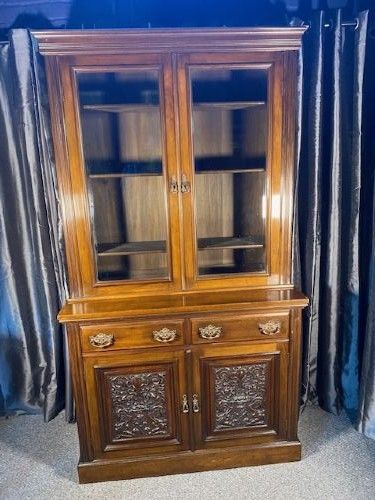
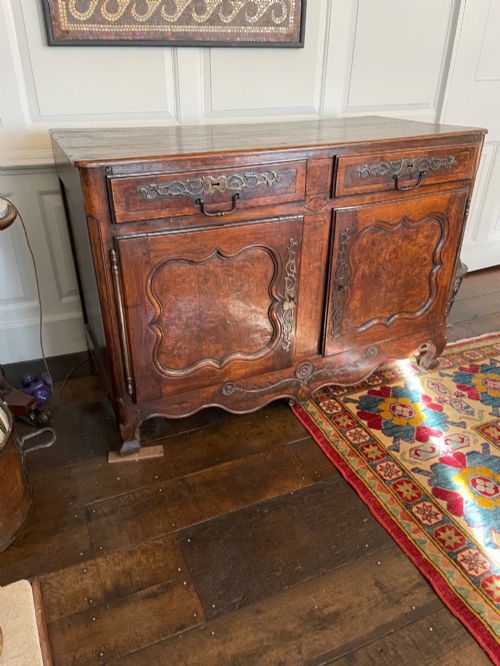
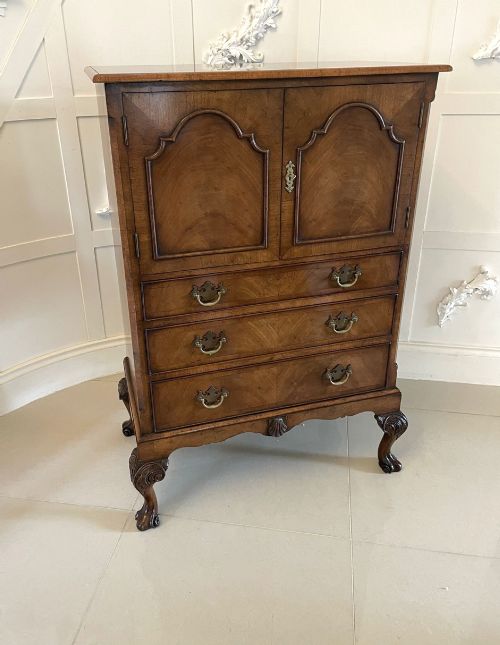
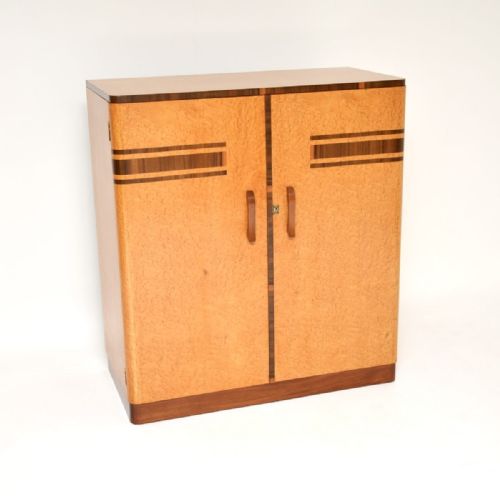
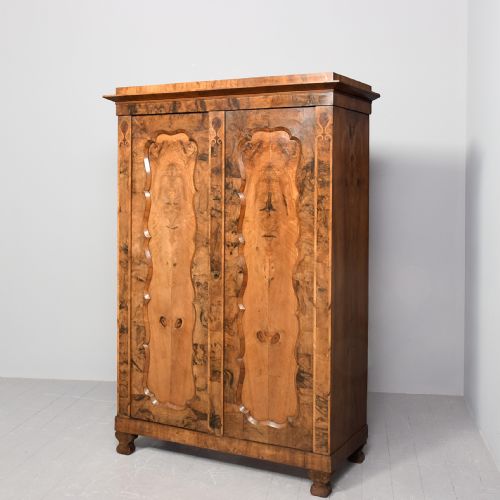
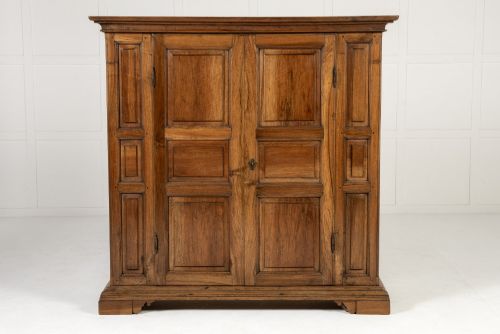
When you search for a two door walnut cabinet, you encounter a variety of forms designed for storage and display across several centuries. The selection spans low side cabinets, glazed bookcases, cocktail units, and large armoires.
Victorian and twentieth-century examples dominate the offerings, often featuring figured or burr walnut veneers. These pieces serve practical functions in modern interiors while displaying traditional cabinet-making skills.
Materials and construction methods
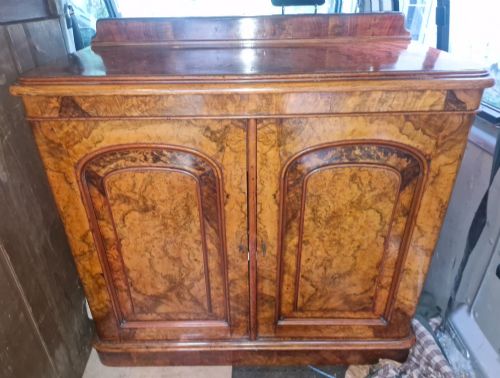
Cabinet makers utilised solid walnut and decorative veneers such as burr walnut to create patterned surfaces on carcases of oak or pine. Ormolu mounts, brass inlay, and glass panels frequently accent the woodwork on mid-nineteenth-century and art deco pieces.
Surface decoration includes marquetry inlay and French polishing, which enhances the natural figure of the timber. Metal hardware such as brass locks and hinges secures the double doors.
Two Door Walnut Cabinet Retail Price Guide 2026
Typical asking prices for two door walnut cabinet among the pieces listed under this phrase on Sellingantiques today, from the lower quarter to the upper quarter. They describe what is for sale here now, not the wider market.
Listings feature walnut cabinets spanning the eighteenth, nineteenth, and twentieth centuries, incorporating styles from Queen Anne revival to Art Deco.
Assessing quality and craftsmanship
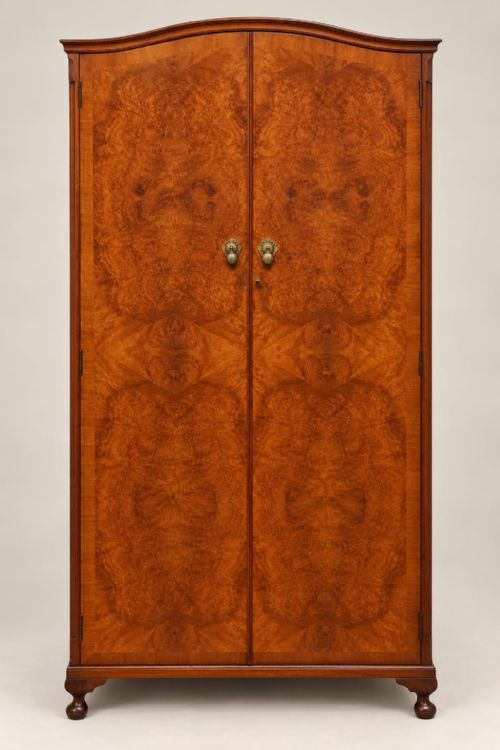
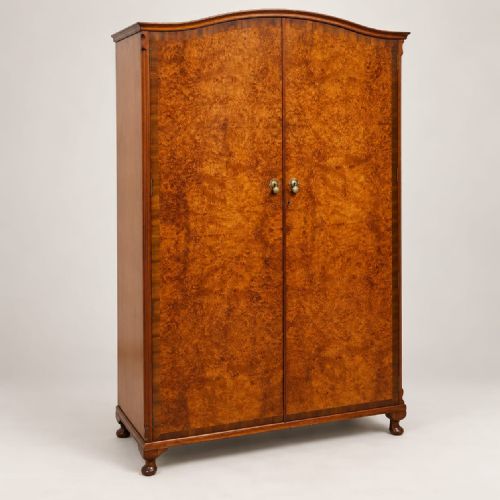
Quality rests in the selection of the timber veneer, where book-matched burr walnut creates symmetrical patterns across the two doors. Finer pieces incorporate crisp marquetry, substantial brass mounts, and well-fitted internal shelving.
The integrity of the carcase construction and the retention of original glass, mirrors, and hardware distinguish superior examples from standard utility items.
Epstein·Whytock and Reid
The Two Door Walnut Cabinet Glossary
- Burr walnut
- A figured timber harvested from tree growths, producing swirling patterns highly prized for cabinet veneers. It creates a decorative surface across large door panels.
- Marquetry
- Inlaid patterns of wood veneer and other materials applied to furniture surfaces. Craftsmen assemble these geometric or floral designs by hand.
- Ormolu
- Gilded bronze mounts used for decorative embellishment on furniture. Makers applied these cast metal details to corners and frames during the Victorian period.
- Pier cabinet
- A low cabinet designed to fit wall spaces between windows. These pieces often feature glass doors and internal shelves for display.
- Compactum
- A multi-functional wardrobe or cabinet combining hanging space, drawers, and shelving. It offers varied storage compartments behind double doors.
Two Door Walnut Cabinet: Frequently Asked Questions
Where should I place a two door walnut cabinet?
These cabinets suit living rooms, dining spaces, or hallways depending on their depth and height. Side cabinets and pier units fit well against walls, while larger armoires require substantial clearance.
Keep walnut furniture away from direct sunlight and heat sources to protect the polished timber finish and prevent veneer splitting.
How do I care for walnut veneer surfaces?
Dust the cabinet regularly with a soft, dry cloth to remove particles that might scratch the polish. Avoid silicone sprays and household cleaners, opting instead for traditional beeswax applied sparingly.
Maintain stable humidity levels in the room to preserve the underlying wood and prevent movement in the decorative veneers.
How can I date a walnut cabinet?
Dating relies on stylistic clues such as art deco geometric lines, Victorian marquetry, or eighteenth-century proportions and carving. Construction methods, drawer linings, and backboards also provide evidence of the period.
Examine the locks, hinges, and timber preparation to confirm whether the piece originates from the seventeenth, eighteenth, nineteenth, or twentieth century.