
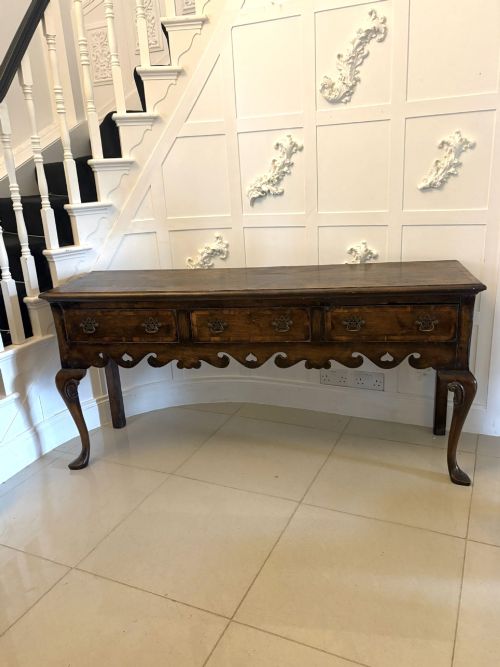
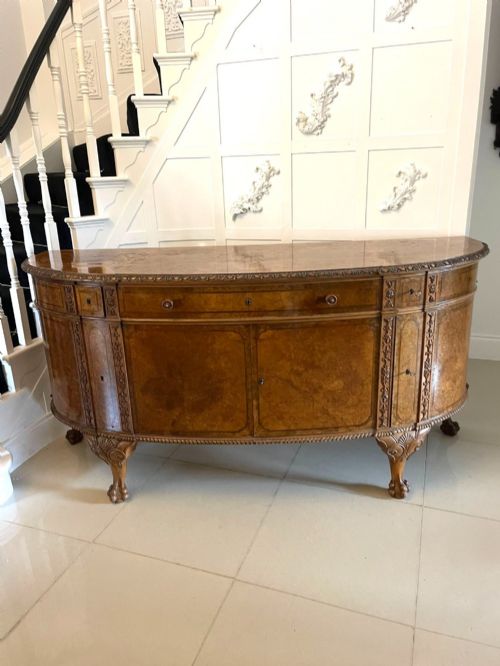
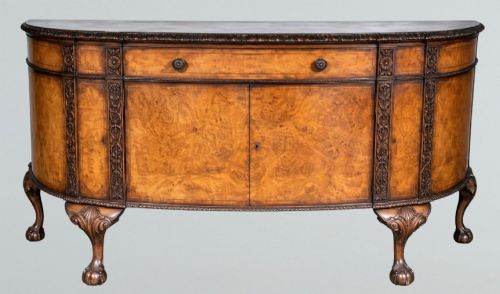
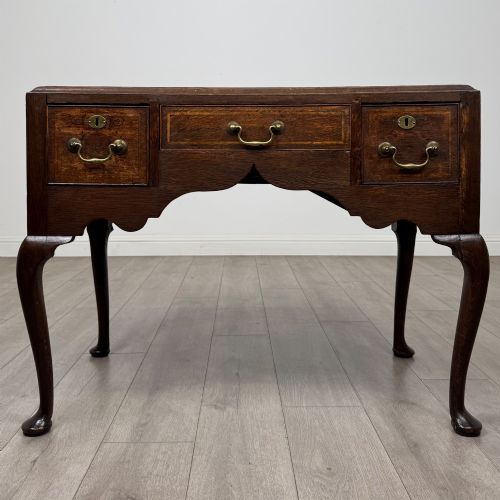
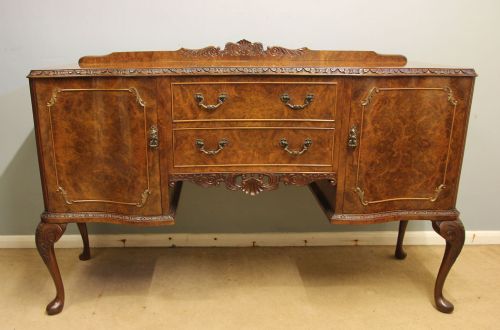
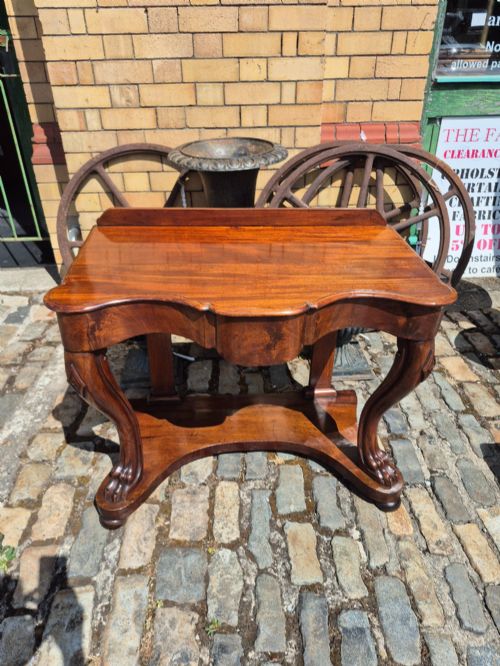
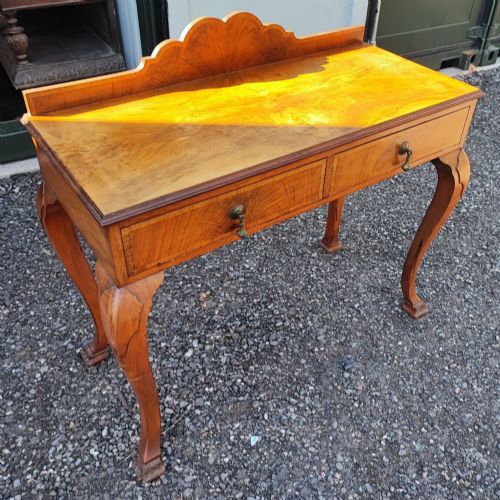
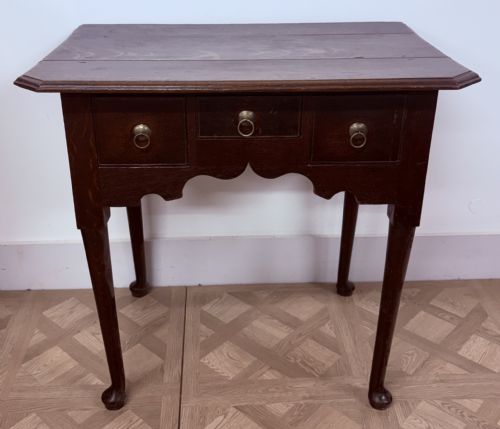
Cabriole Leg Server
A cabriole leg server brings curved grace and sturdy utility to a dining room, offering a surface for dishes and deep storage below.
Understanding the cabriole leg server
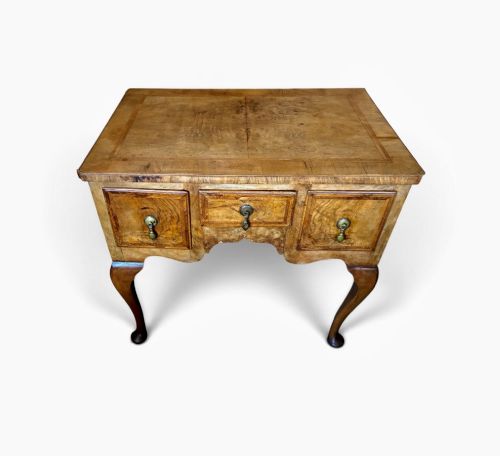
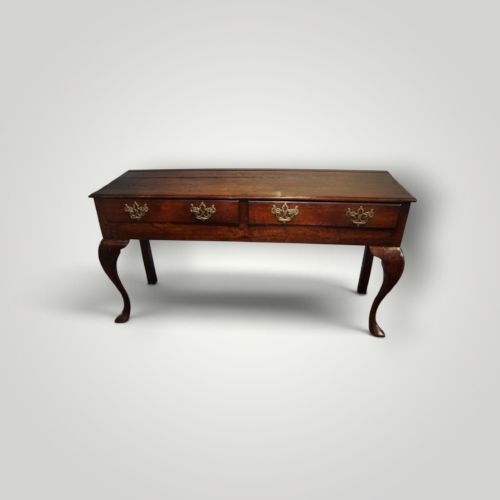
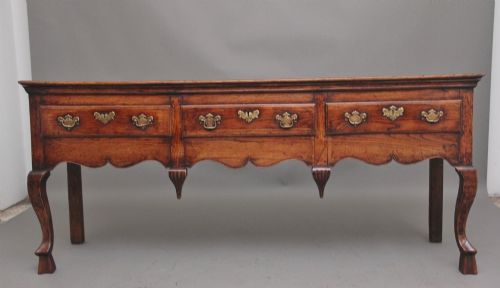
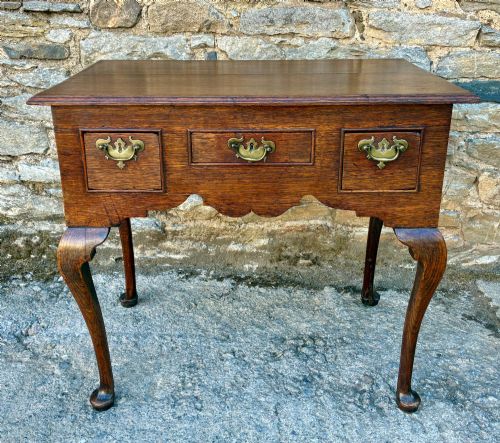
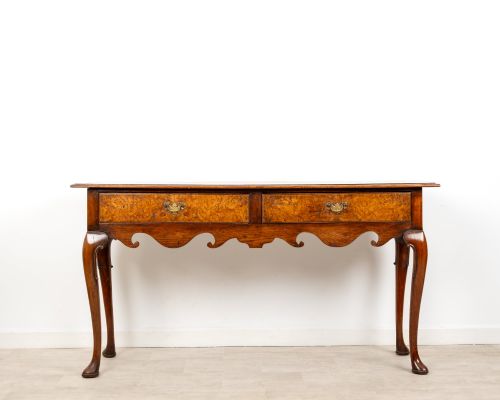
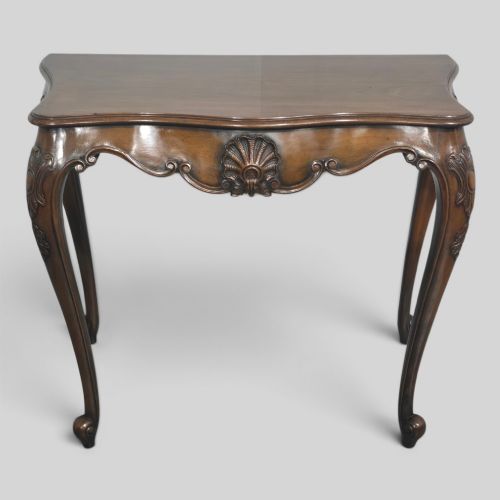
A cabriole leg server combines the form of a serving table, sideboard, or dresser base with distinctive double-curved legs that echo eighteenth-century design. When you search for a cabriole leg server, you encounter forms that span from the mid eighteenth century through various revival periods.
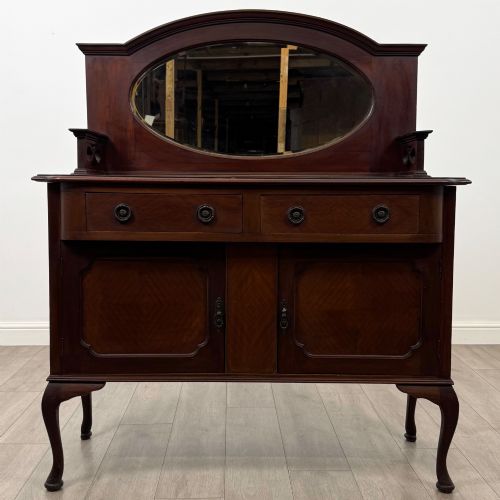
The pieces listed on this page encompass authentic Georgian examples alongside later Victorian and twentieth-century revivals. Dresser bases and serving tables dominate the selection, providing substantial tabletops and practical storage.
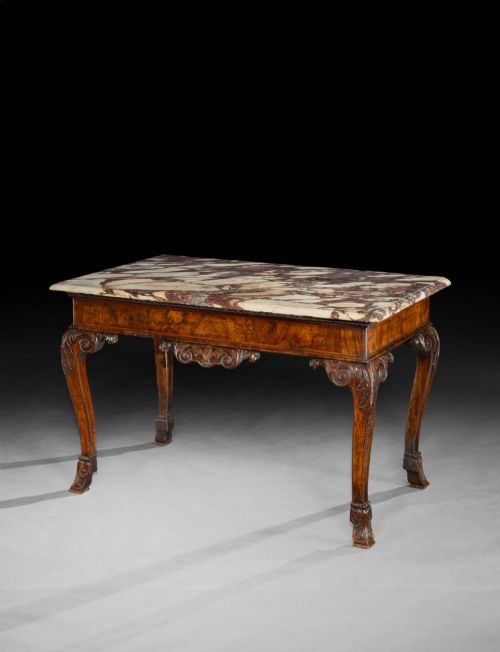
Origins range across English and Italian traditions, with oak and mahogany appearing alongside burr walnut and giltwood. Buyers find these tables functioning equally well as servers, console tables, or sideboards in modern interiors.
Materials and construction
Cabinetmakers utilised solid timbers and figured veneers, shaping oak, mahogany, and burr walnut to highlight the natural grain of the wood. Brass hardware occasionally provides functional accents on drawers and mountings.
The defining structural feature involves shaping timber into the characteristic double curve of the cabriole leg, sometimes accompanied by elaborate carving. Giltwood finishes also appear, demonstrating surface gilding techniques applied to carved frames.
Retail Price Guide 2026
Typical UK retail prices for cabriole leg server, calculated from the Sellingantiques database of over a million retail prices indexed since 2003. This retail price guide relies exclusively on Sellingantiques data; no external sources or auction records are used, so the figures do not describe the wider market.
These tables proudly wear their curves, proving that a good leg makes all the difference in company.
Judging quality and character
The distinction between ordinary and exceptional pieces lies in the fluidity of the leg carving and the selection of timber veneers. Finely figured burr walnut and richly grained mahogany elevate the visual presence of the server.
Proportion and the integrity of the original construction dictate the standing of a piece. Period examples display the hand-tool marks and joinery methods appropriate to their specific century of manufacture.
Gillows
The Cabriole Leg Server Glossary
- Cabriole leg
- A furniture leg featuring a double curve, bulging outward at the knee and tapering inward at the ankle. This profile originates from ancient animal legs and defines much eighteenth-century design.
- Dresser base
- A low wooden sideboard or table fitted with drawers and occasionally cupboards below a flat top. These pieces originally served kitchens and dining rooms for food preparation and storage.
- Burr walnut
- Timber harvested from walnut tree growths that produce intricate, swirling grain patterns. Cabinetmakers prize this wood for decorative veneering on prominent surfaces.
- Giltwood
- Wood that has been coated with gold leaf or gold paint to create a metallic finish. This decorative technique appears on ornate frames and decorative tables.
Frequently Asked Questions
What is a cabriole leg server?
A cabriole leg server is a form of serving table or dresser base characterised by curved legs. These pieces provide surface space for food and drink alongside storage drawers.
They function as practical dining room furniture while introducing traditional period character into a room.
How do I date a server?
Dating relies on examining the timber species, construction joints, and stylistic details present in the piece. Eighteenth-century examples display specific hand-tool marks and timber ageing.
Revival pieces from the Victorian and later periods combine older stylistic motifs with nineteenth or twentieth-century manufacturing techniques.
Where should I place a server?
Servers fit naturally against dining room walls to hold serving dishes during meals. They also operate effectively as console tables in hallways or living spaces.
The finished backs and decorative timber grains allow many examples to stand away from walls if room layouts permit.
Are these servers sturdy enough for daily use?
Solid timber construction in oak and mahogany provides robust support for everyday tasks and serving duties. The sturdy frame construction handles weight across the top surface.
Regular care with appropriate wood maintenance keeps the timber joints and surfaces secure over years of use.