
Cabriole Leg Lamp Table
A cabriole leg lamp table brings distinctive curved lines to a room, serving as a practical surface rooted in traditional furniture design.

Cabriole Leg Lamp Table
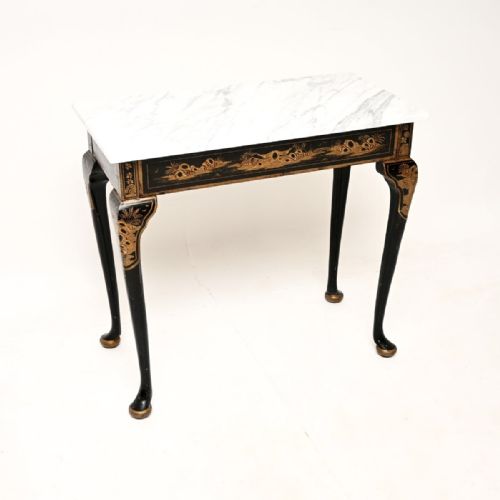
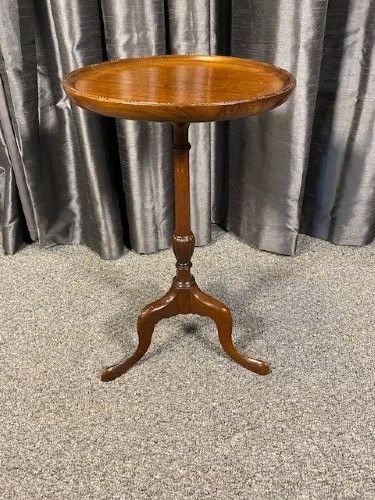
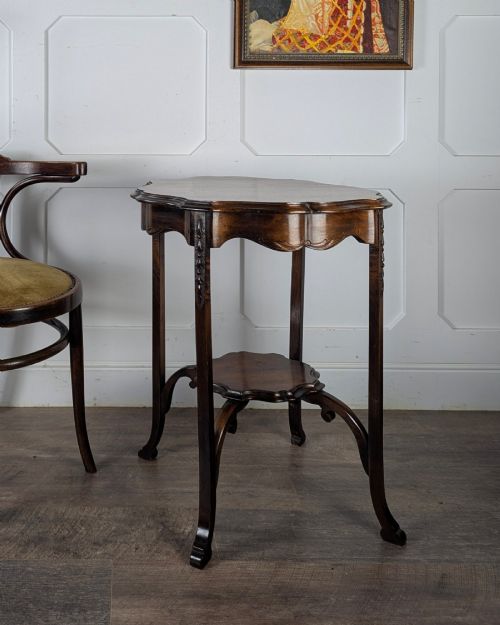
A cabriole leg lamp table functions primarily as an occasional piece, designed to hold lighting or small objects beside seating. These tables emerge in forms such as side tables, wine tables, and bedside chests spanning several centuries.
The Edwardian and Georgian periods provide the bulk of these pieces, alongside later 20th-century iterations. Mahogany and walnut dominate the selection, often appearing in styles influenced by French revivals and Queen Anne designs.
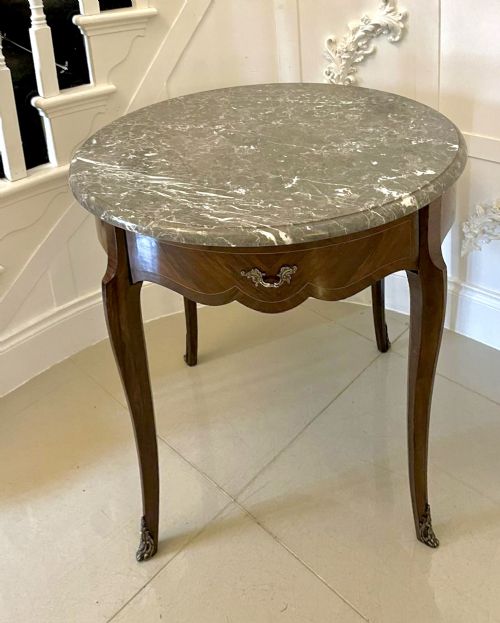
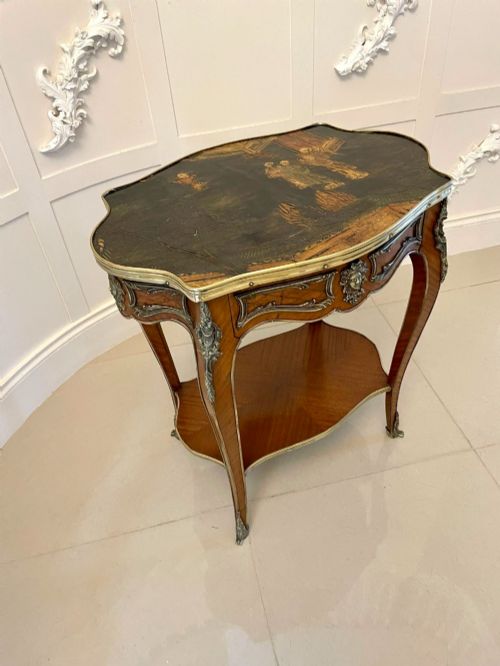
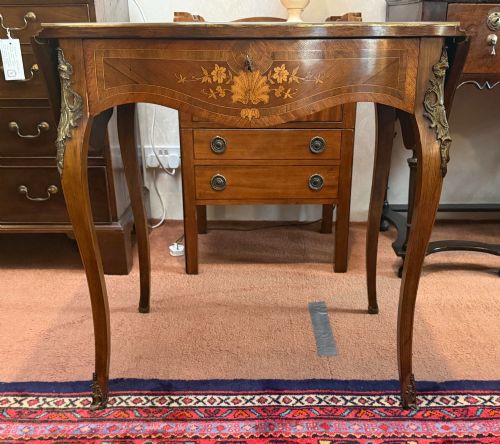
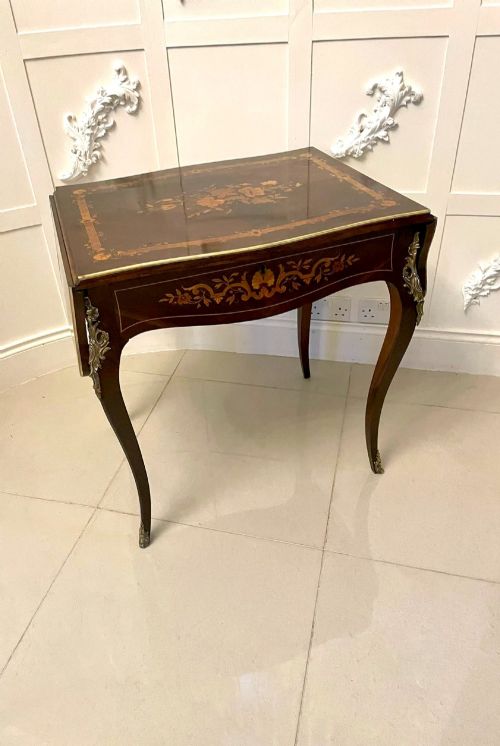
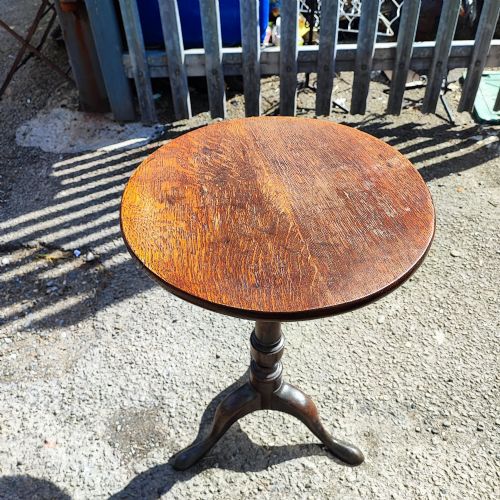
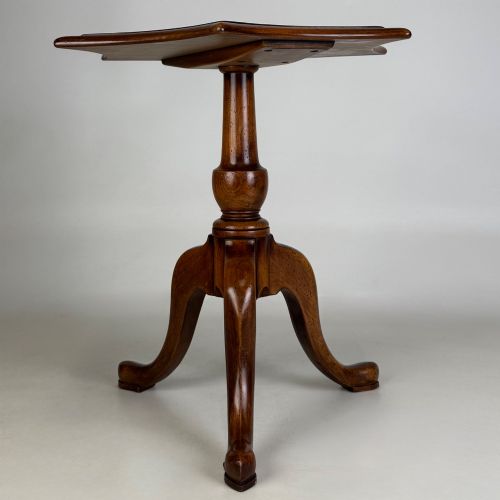
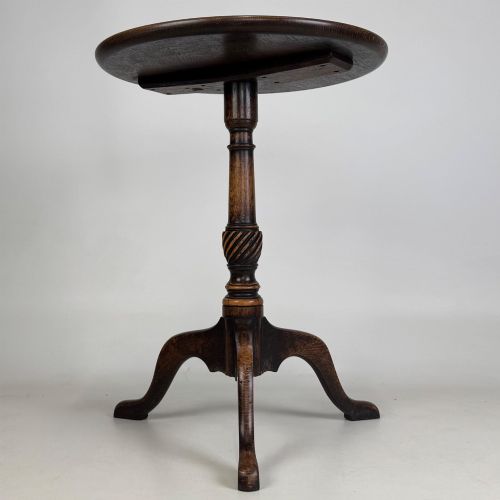
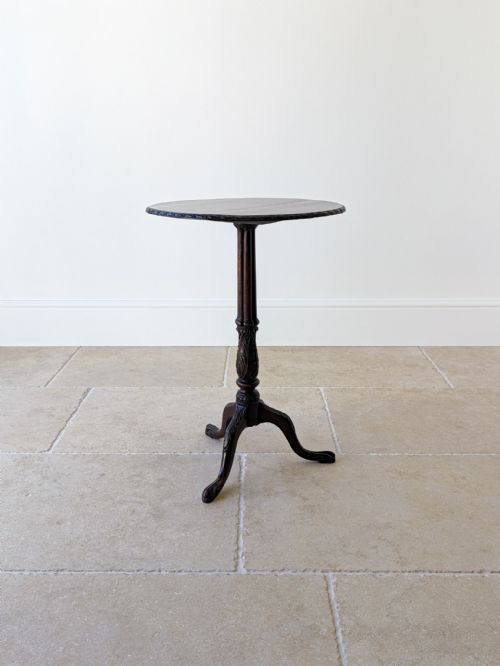
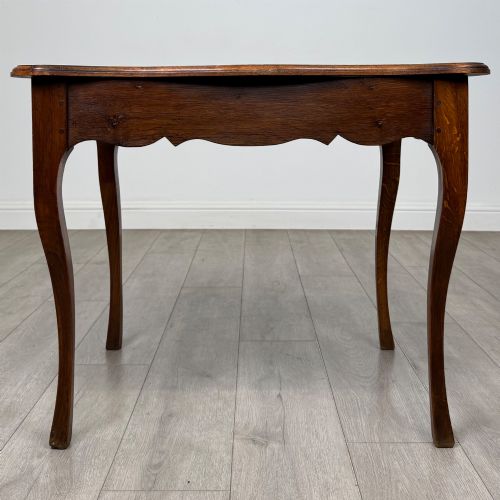
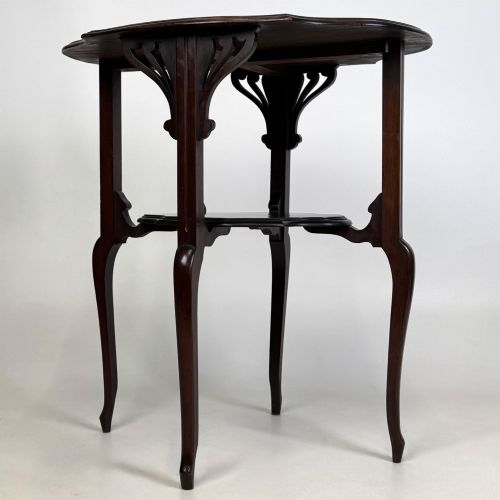
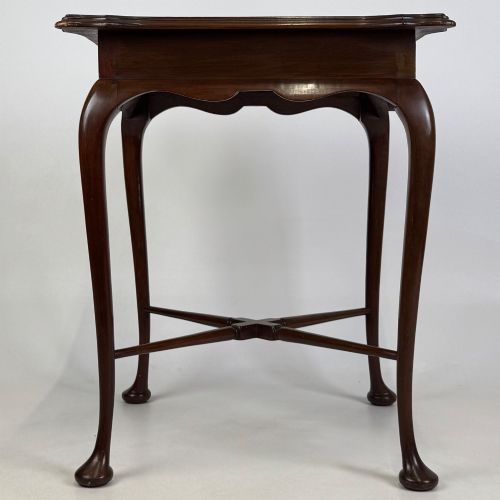
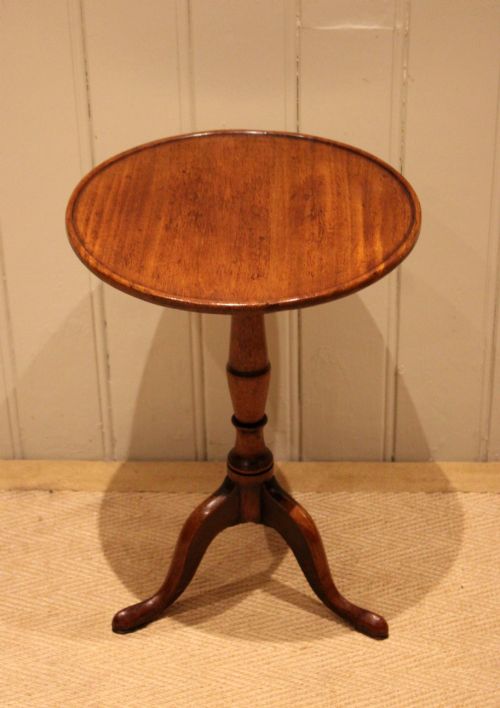
Buyers encounter numerous variations, from simple tripod wine tables in oak to elaborate French freestanding centre tables finished with marquetry. The cabriole leg itself unites these diverse forms, providing a signature silhouette characterised by an outward knee and inward ankle.
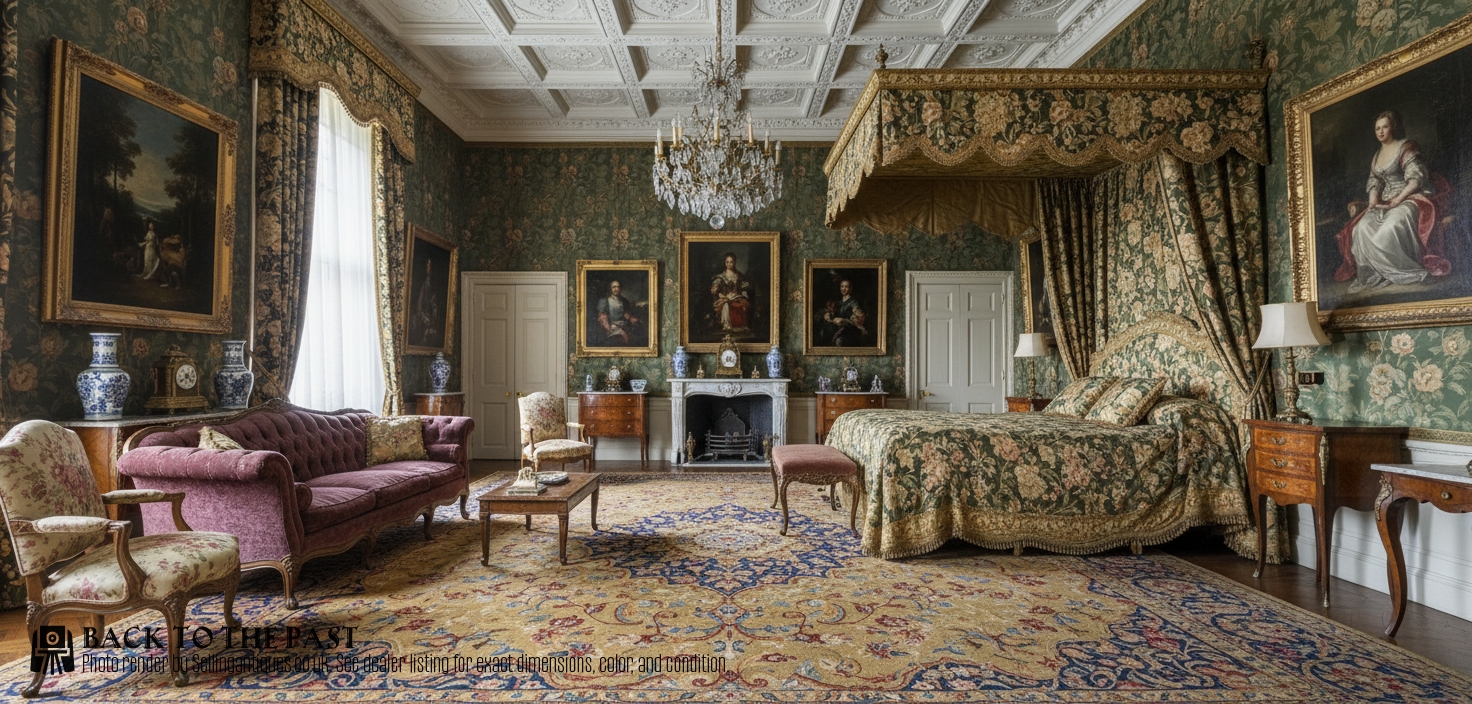
Materials and Construction
Cabinetmakers utilised dense timbers like mahogany, walnut, and oak to carve the distinctive curved profile of the cabriole leg without compromising structural integrity. Finer examples incorporate decorative veneers such as kingwood and rosewood over solid foundational carcases.
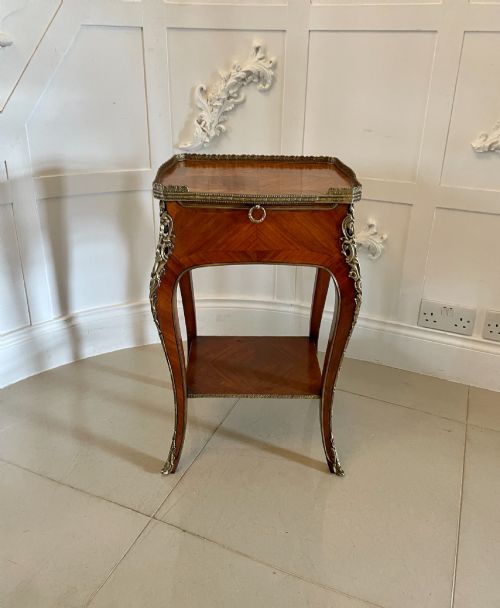
Surface decoration frequently involves intricate marquetry inlay, brass mounts, and ormolu detailing, particularly on pieces influenced by French styles. Marble tops also appear, adding weight and a contrasting texture to polished timber frames.
Cabriole Leg Lamp Table Retail Price Guide 2026
Typical asking prices for cabriole leg lamp table among the pieces listed under this phrase on Sellingantiques today, from the lower quarter to the upper quarter. They describe what is for sale here now, not the wider market.
Listings feature woods spanning mahogany, walnut, oak, kingwood, rosewood, and burr walnut alongside brass and ormolu mounts.
Assessing Quality
The success of a cabriole leg lamp table relies heavily on the fluidity of the carved knee and the crispness of the foot. Master craftsmen achieved balanced proportions where the curve appears natural rather than strained or overly thick.
Materials dictate upper tiers of execution, where figured walnut or richly grained mahogany meet precise marquetry and substantial bronze or ormolu mounts. Simpler tables rely entirely on timber selection and joinery precision rather than surface ornamentation.
Shapland and Petter·François Linke
The Cabriole Leg Lamp Table Glossary
- Cabriole leg
- A furniture leg that bends outward at the knee and tapers inward toward the ankle, terminating in a foot. This form derives from ancient animal leg motifs.
- Marquetry
- Decorative veneer patterns composed of small pieces of wood, shell, or ivory applied to a wood structure. Craftsmen cut these elements precisely to form pictorial or geometric designs.
- Ormolu
- Gilded bronze used for decorative mounts and furniture embellishments. The technique involves applying a mercury and gold amalgam to bronze.
- Tripod table
- A small standalone table supported by a central pillar and three legs. These versatile tables often feature tilt tops for easy storage.
- Kingwood
- A dense, heavy tropical timber featuring rich brown and violet hues with dark striping. Cabinetmakers prized this wood for high-end French and English veneering.
Cabriole Leg Lamp Table: Frequently Asked Questions
What is a cabriole leg lamp table?
A cabriole leg lamp table is a small occasional table supported by distinctive curved legs, historically used to hold lighting or small decorative items.
These pieces encompass various forms including wine tables, bedside chests, and side tables produced across multiple stylistic periods.
How do I identify a Georgian lamp table?
Georgian examples typically feature solid timbers like oak or Cuban mahogany, often displaying restrained carving and sturdy proportions.
Makers from this era focused on natural wood grain and traditional joinery rather than the elaborate marquetry or metal mounts seen in later revival pieces.
Where should I place a lamp table?
These compact tables fit naturally beside sofas, armchairs, or beds where a surface is needed for illumination or small personal items.
Freestanding centre tables with finished backs also function effectively in the middle of a room or within a larger hallway.
How do French revival styles differ?
French revival pieces incorporate decorative elements such as ormolu mounts, kingwood veneers, and complex floral marquetry patterns.
These tables lean toward ornate aesthetics inspired by Louis XV designs, contrasting with the simpler lines of standard English country furniture.