

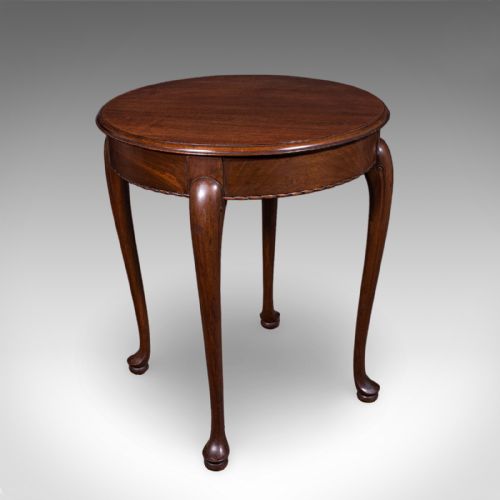
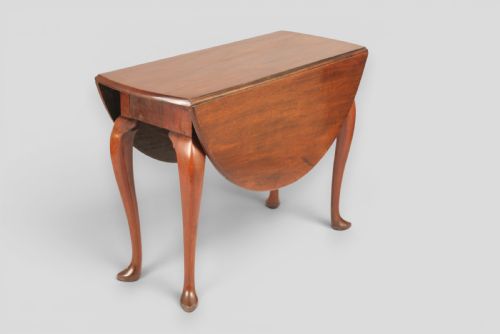

Cabriole Leg End Table
A cabriole leg end table brings elegance to a corner, uniting sinuous wooden supports with practical surfaces.
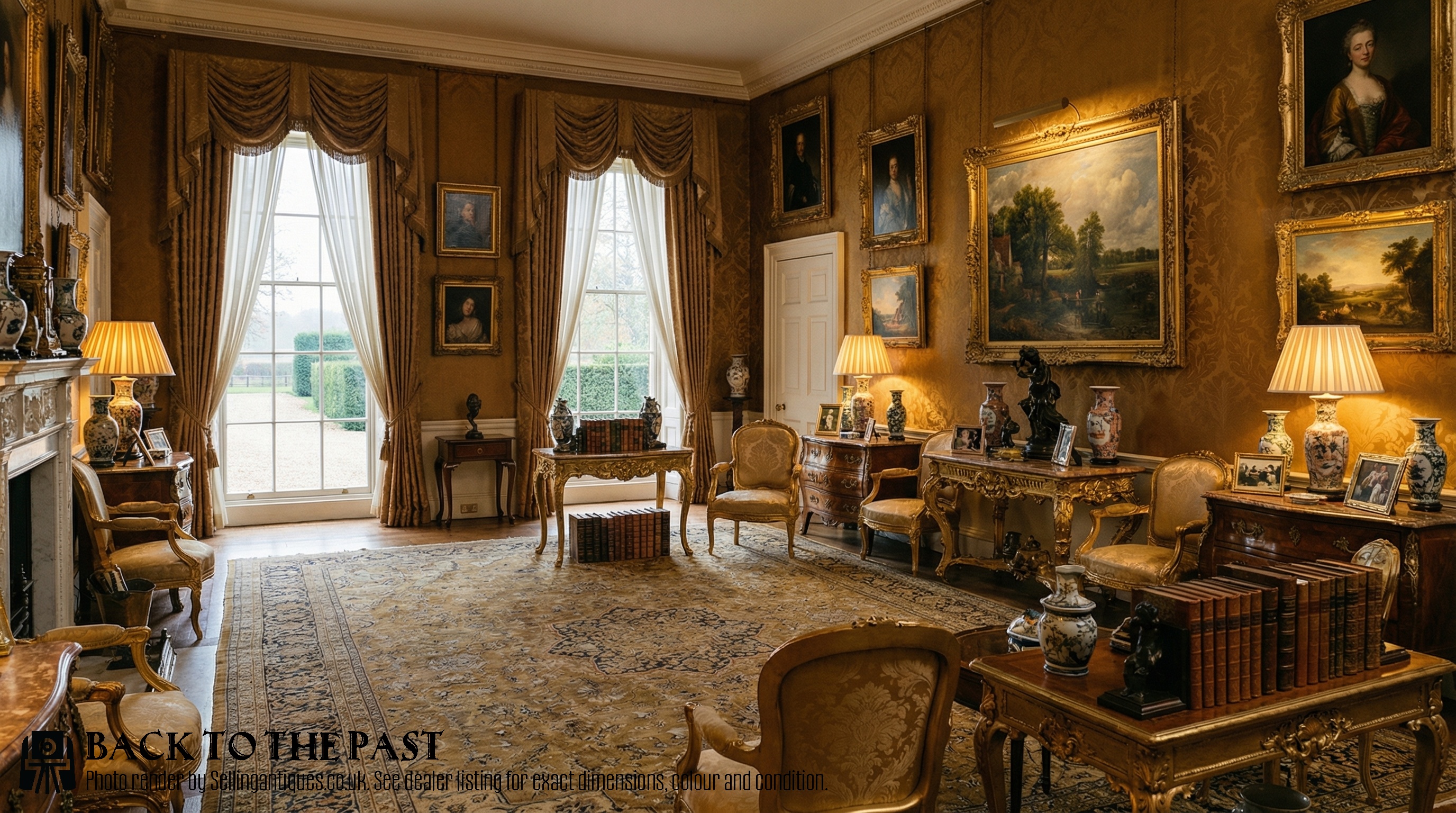
Cabriole Leg End Table
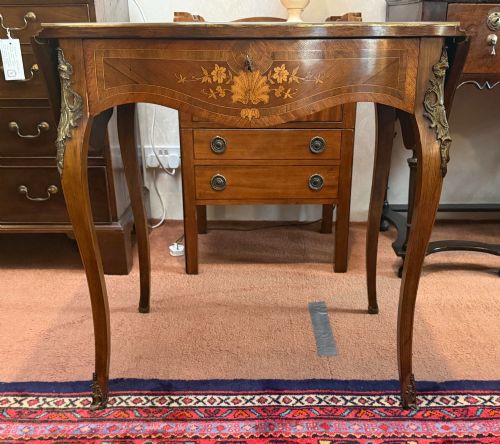
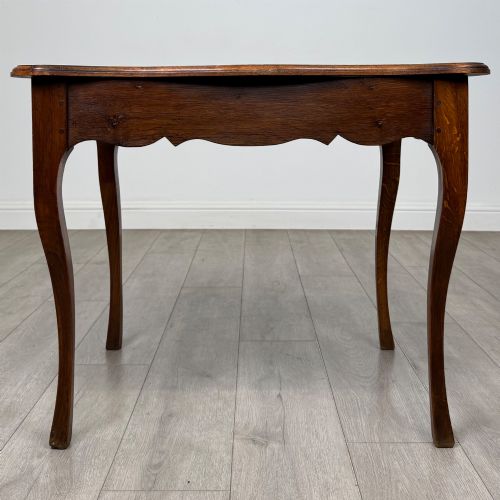
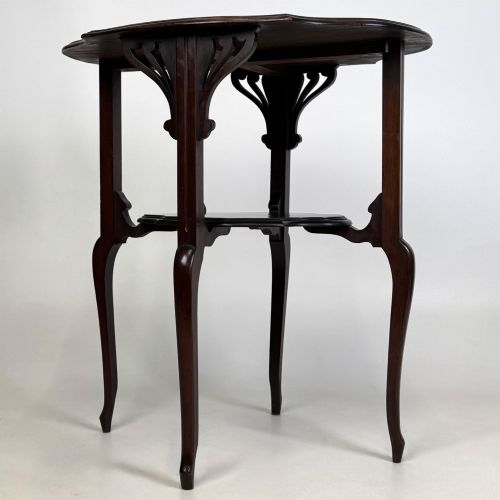
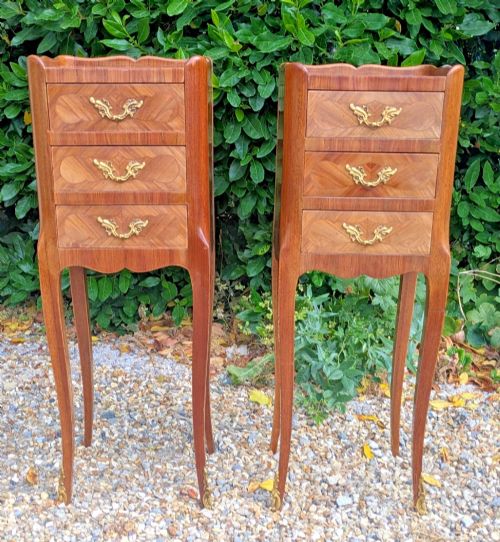
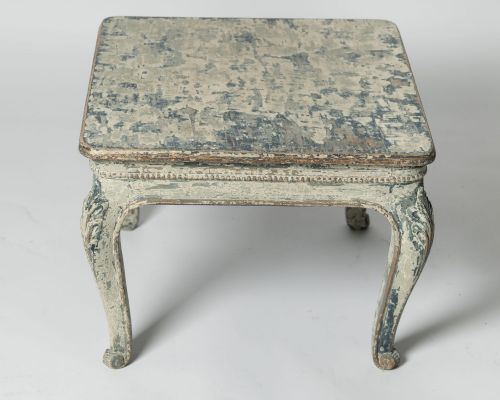
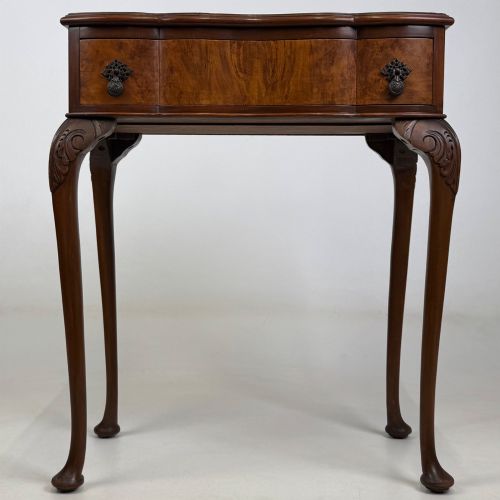
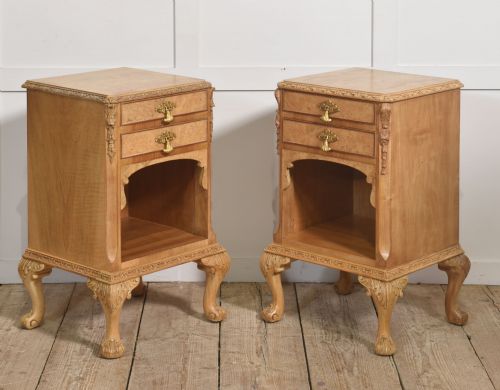
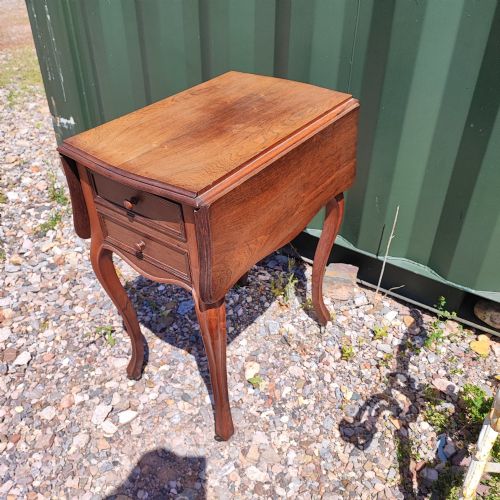
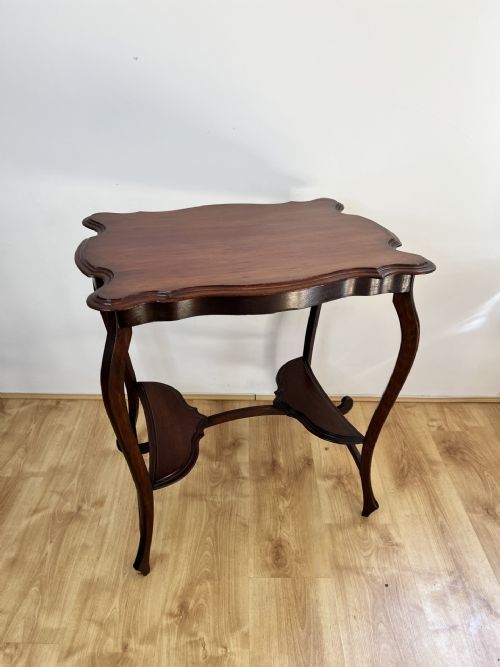
A cabriole leg end table serves multiple domestic functions, appearing in formats such as lamp tables, bedside cabinets, and occasional tables. These pieces originate from various periods including the Edwardian era, the nineteenth century, and the nineteen-twenties.
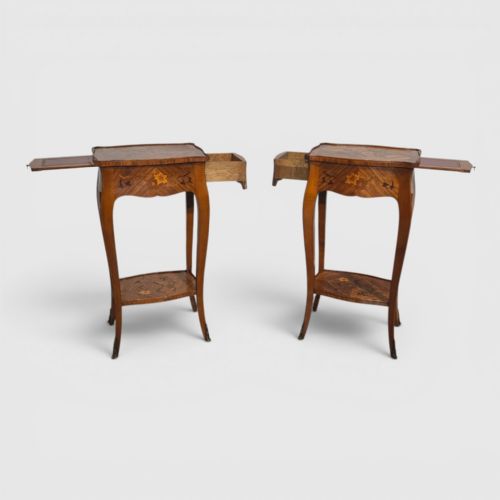
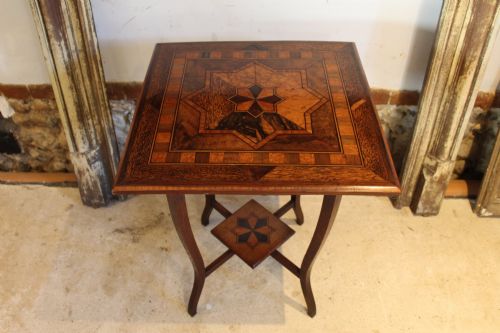
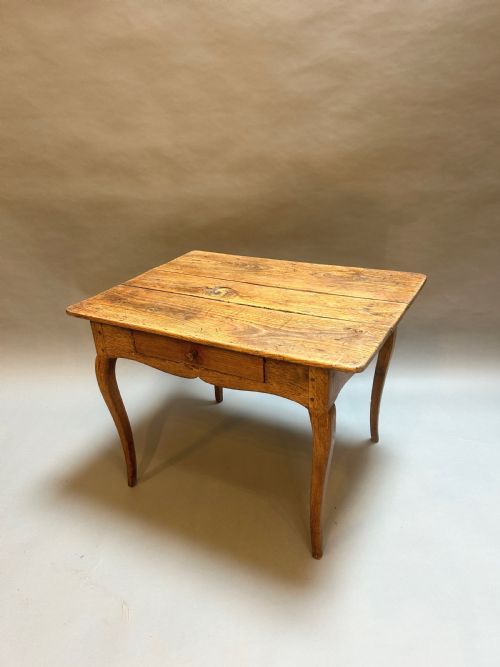
The forms span English mahogany designs and French provincial models, frequently incorporating marquetry, parquetry, or drop-leaf mechanisms. Buyers encounter smaller formats suited for intimate spaces as well as matched pairs designed for flanking beds or seating.
Stylistic influences draw heavily on revival aesthetics like Queen Anne, Louis XV, and Régence. These traditions dictate the characteristic curved leg profile that defines the category.
Materials and construction methods
Cabinet makers utilised a rich palette of timbers, pairing structural woods like oak and mahogany with decorative veneers including burr walnut, rosewood, kingwood, and specimen woods. Marquetry and painted decoration frequently embellish the top surfaces.
Techniques relied on precise joinery to support the sweeping curves of the cabriole leg without compromising stability. Ormolu mounts and brass accents often highlight the structural corners and feet of continental pieces.
Listings feature woods spanning mahogany, walnut, burr walnut, rosewood, kingwood, oak, and brass.
Distinctions in craftsmanship
Quality rests in the fluidity of the leg carving and the selection of veneer figures, where matched burr walnut or intricate floral marquetry command greater attention. Refined proportions and tight joinery separate standard production from superior examples.
The integrity of secondary woods and the precision of inlaid details distinguish workshop output. Signed pieces or those retaining original surface patination demonstrate superior heritage.
Waring & Gillow·F Linke
The Cabriole Leg End Table Glossary
- Cabriole leg
- A furniture support inspired by animal limbs, curving outward at the knee and tapering inward to the foot. This form gained prominence during the eighteenth century and frequent revival periods.
- Marquetry
- Decorative patterns formed by fitting together thin veneers of wood, ivory, or shell onto a structural surface. It creates elaborate pictorial or floral designs on table tops.
- Ormolu
- Gilt bronze mounts applied to furniture for decorative effect, common in French cabinet making. The technique involves coating bronze with a mercury and gold amalgam.
- Drop-leaf table
- A table with hinged flaps on one or both sides that fold down to save space. Brackets or swing legs support the leaves when raised.
- Figured walnut
- Timber cut from walnut trees with irregular grain patterns such as burr, fiddleback, or feather. Cabinet makers prize these sections for their visual depth.
Cabriole Leg End Table: Frequently Asked Questions
What is a cabriole leg end table?
A cabriole leg end table is a small surface supported by curved legs, functioning as a lamp stand, bedside cabinet, or occasional piece. These tables appear in various historical styles including Edwardian and Victorian revivals.
Cabinet makers produced them in timbers such as mahogany, walnut, and rosewood, often incorporating marquetry or drop leaves. Their compact dimensions suit them for domestic placement beside seating or beds.
How do I date a cabriole leg end table?
Dating relies on timber selection, construction methods, and stylistic revival cues. Edwardian and early twentieth-century pieces often display lighter framing and machine-prepared veneers.
Nineteenth-century examples utilise denser secondary woods and hand-cut joinery. Revival styles reference earlier periods like Queen Anne or Louis XV without duplicating exact eighteenth-century construction techniques.
Where should I place an end table?
End tables suit positions beside armchairs, sofas, or beds where a small surface is useful for lighting or books. Matched pairs function well flanking a bed or a window seat.
Their compact proportions allow them to fit into tight corners or narrow hallways without cluttering the floor space.
Are these tables French or English?
The selection includes both origins, featuring English mahogany and walnut designs alongside French provincial and Louis XV revival pieces. French examples frequently showcase marquetry, ormolu mounts, or kidney-shaped tops.
English variants tend toward simpler occasional tables, drop-leaf formats, and Edwardian mahogany lamp tables.