



Italian Rococo Accent Table
An italian rococo accent table brings sculptural carved movement and rich gilt surfaces into a room, offering both practical surface space and distinct decorative presence.
Italian Rococo Accent Table
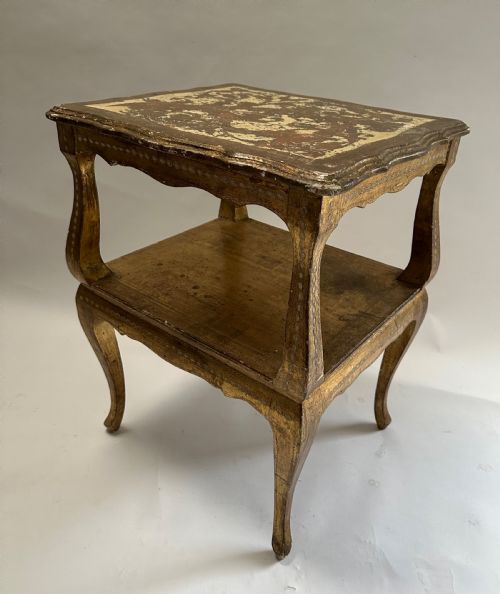
When you search for an italian rococo accent table, you are looking at decorative small tables and stands originating from Italy across the eighteenth, nineteenth, and early twentieth centuries. These pieces display the characteristic asymmetric curves and flowing scrollwork associated with the Rococo taste.
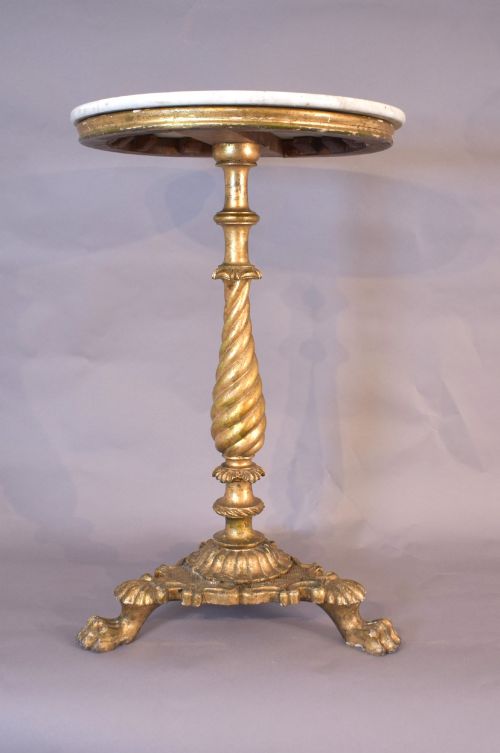
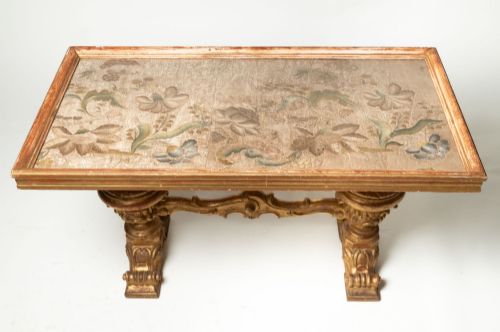
The versions you are most likely to encounter on this page span from eighteenth-century walnut examples to nineteenth-century giltwood pieces and later twentieth-century revivals. Forms range from compact tripod stands and tray-top tables to console tables and pedestal bases.
Makers and craftsmen utilised traditional Italian forms, adapting them into side tables, coffee tables, and occasional furniture. Each piece reflects the enduring appeal of carved wood and gilt finishes within historic domestic interiors.
Materials and construction
These tables were constructed primarily from timber such as walnut and general wood, often prepared with gesso layers to receive intricate carved detailing. Craftsmen shaped solid timber to form the characteristic cabriole legs and curved aprons essential to the style.
Surface decoration relies heavily on gold leaf, gilt, and paint applications over carved wooden foundations. Giltwood and gilded finishes were meticulously applied to enhance the undulating relief work and create reflective brilliance under candlelight or daylight.
Italian Rococo Accent Table Retail Price Guide 2026
Typical asking prices for italian rococo accent table among the pieces listed under this phrase on Sellingantiques today, from the lower quarter to the upper quarter. They describe what is for sale here now, not the wider market.
Several pieces on this page feature carved cherubs keeping a watchful, gilded eye on your afternoon teacup.
Judging quality and craftsmanship
Quality in these pieces is rooted in the depth and sharpness of the hand-carved ornamentation rather than simple surface decoration. Finer examples exhibit fluid, confident carving where the wooden scrollwork and floral motifs appear fully integrated into the structural form.
The application of the gilt or paint finish further distinguishes the work, with superior pieces showing nuanced layering that respects the underlying contours. The integrity of the timber joints and the natural weight of materials like walnut also separate standard production from exceptional craftsmanship.
The Italian Rococo Accent Table Glossary
- Giltwood
- Wood that has been coated with gold leaf or gold paint. This technique provides a luminous, reflective surface popular in Italian decorative arts.
- Gesso
- A plaster-like mixture applied to wood surfaces as a base for painting or gilding. It allows craftsmen to achieve smooth grounds for intricate relief carving.
- Console table
- A table designed to be fixed against a wall, frequently supported by ornamental brackets or legs. These pieces often feature elaborate carved aprons and marble tops.
- Cabriole leg
- A furniture leg that curves out and then in, resembling the leg of an animal. This form is a defining characteristic of Rococo design.
- Tripod table
- A small circular table supported by three legs stemming from a central pillar. They provide stable surfaces while maintaining a compact footprint.
Italian Rococo Accent Table: Frequently Asked Questions
What is an italian rococo accent table?
An italian rococo accent table is a decorative small table featuring the curving lines, asymmetrical flourishes, and ornate carving typical of the Rococo style originating in Italy. These items function as functional surface furniture while serving as prominent decorative objects.
They encompass various forms including side tables, occasional tables, and console tables produced across multiple centuries, reflecting evolving interpretations of historic Italian design.
How were these tables used historically?
Historically, these tables were placed in reception rooms, salons, and parlours to hold decorative objects, lighting, or refreshments. Their compact scale allowed them to be moved easily to serve different social functions within a room.
Console tables were positioned permanently against walls beneath mirrors, whereas tripod and occasional tables offered flexible placement near seating areas for daily domestic convenience.
How do I live with an antique table?
Living with these pieces involves placing them away from direct sunlight and heat sources to protect historic wood finishes and delicate gilding. Regular dusting with a soft, dry cloth helps maintain the surface without abrasion.
Using coasters or protective pads prevents moisture and heat damage to antique polished wood, painted surfaces, and gesso details during everyday use.
How do I tell different periods apart?
Differentiating periods relies on examining the timber, the style of the carving, and the composition of the finish. Eighteenth-century examples often feature dense walnut construction and hand-carving specific to contemporary workshop practices.
Nineteenth-century pieces and later twentieth-century revivals frequently employ heavier gesso applications, brighter gilding techniques, or alternative secondary woods that reflect the manufacturing methods of those specific eras.