
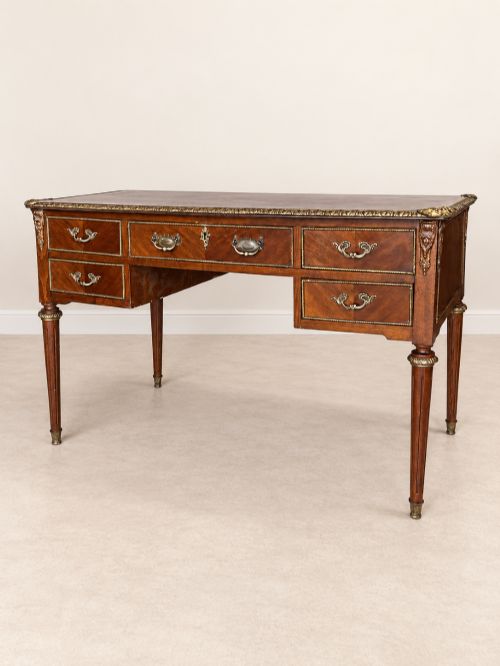
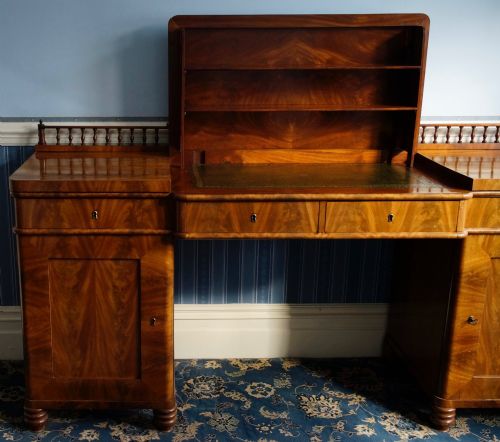

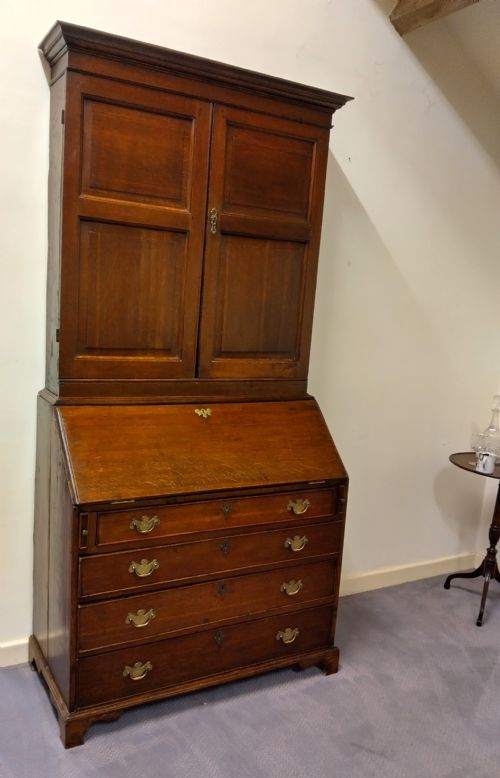
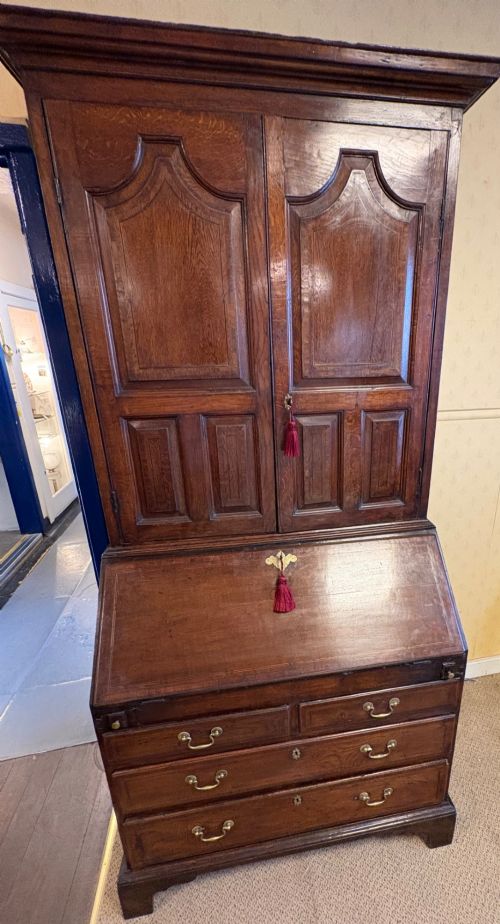
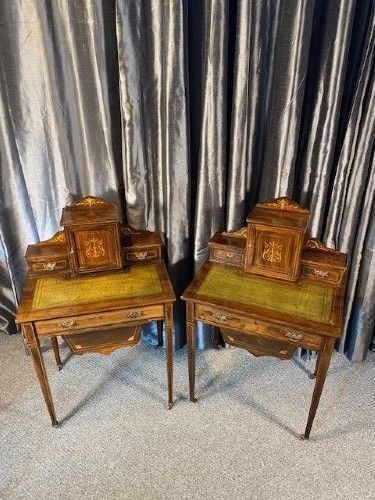
Cabinet Top Writing Desk
A cabinet top writing desk combines fitted storage with a drop-down or cylinder writing surface, offering both display and functional workspace.
Cabinet Top Writing Desk
When someone searches for a cabinet top writing desk, they are exploring multi-tiered furniture designed to keep correspondence and literature enclosed behind glazed or panelled doors above a writing compartment. These pieces range from compact Davenport desks to grand bureau bookcases spanning several centuries.
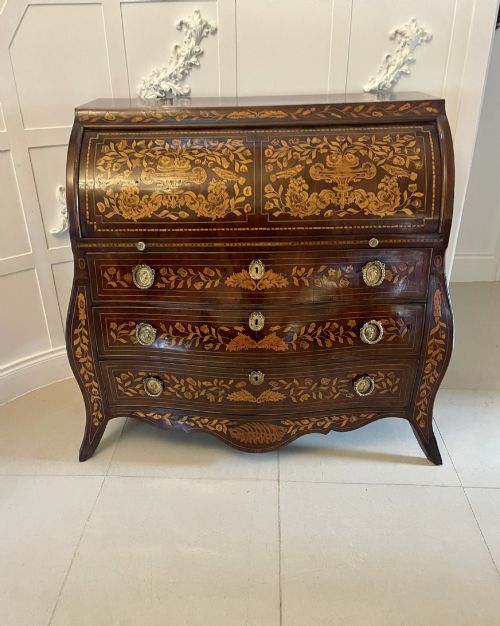
The versions most commonly met on this page date from the eighteenth and nineteenth centuries, constructed in forms such as the secretaire abattant and the cylinder bureau. Oak and mahogany predominate among these listings, alongside walnut and rosewood variations.
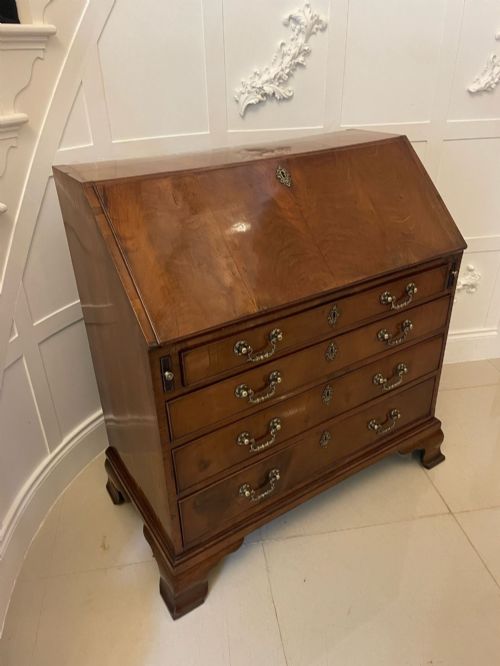
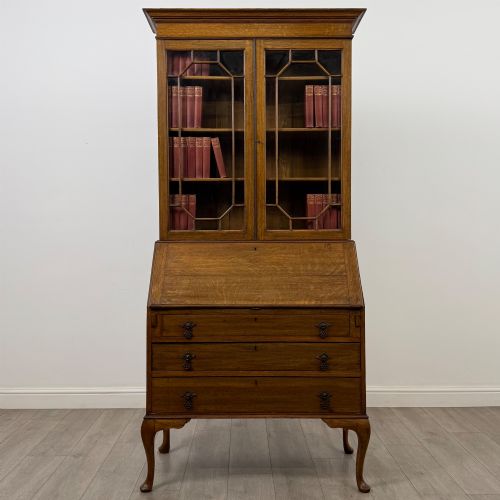
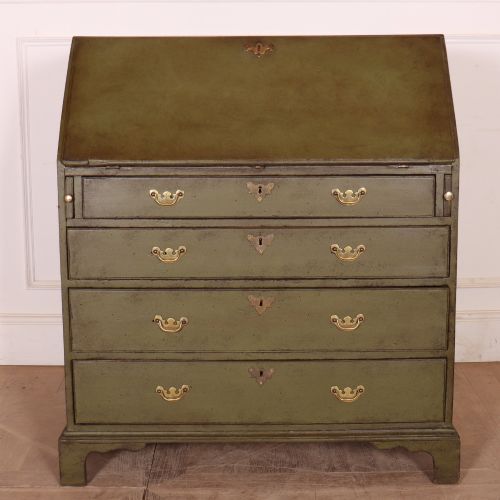
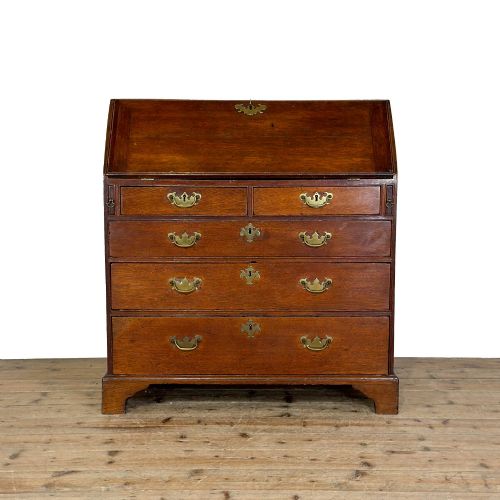
The upper section typically functions as a bookcase or display cabinet, while the lower portion conceals fitted drawers, pigeonholes, and a slant front or pull-out writing slide. This vertical division allowed households to store texts and write letters within a single footprint.
How they were made
Cabinet makers utilised dense native timbers like oak and mahogany, often applying decorative veneers such as burr walnut, amboyna, or flame mahogany over secondary woods. Marquetry inlay, brass hardware, and gilt bronze mounts frequently adorn the exterior surfaces of continental examples.
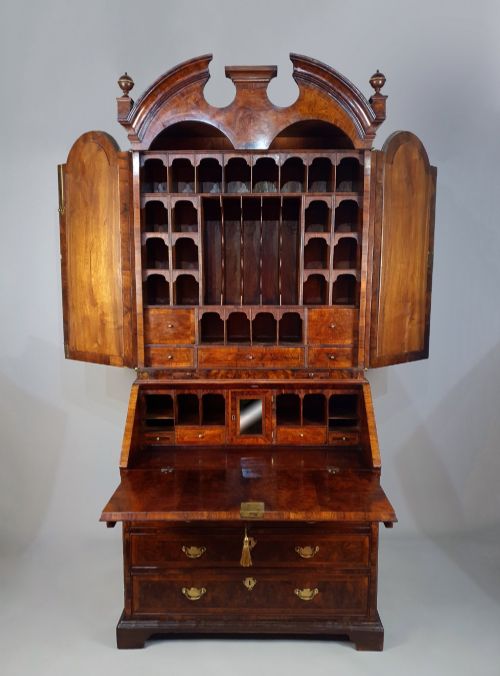
Writing compartments house intricate internal joinery, including stepped pigeonholes, secret drawers, and leather-lined writing surfaces. Upper cabinet sections feature hand-glazed glass panes and adjustable shelving behind locking doors.
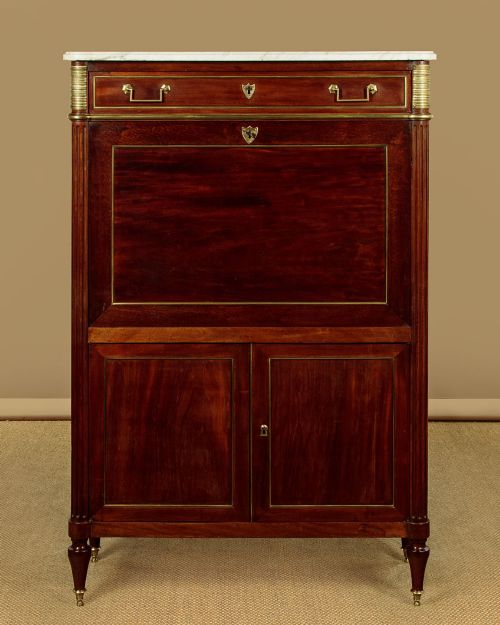
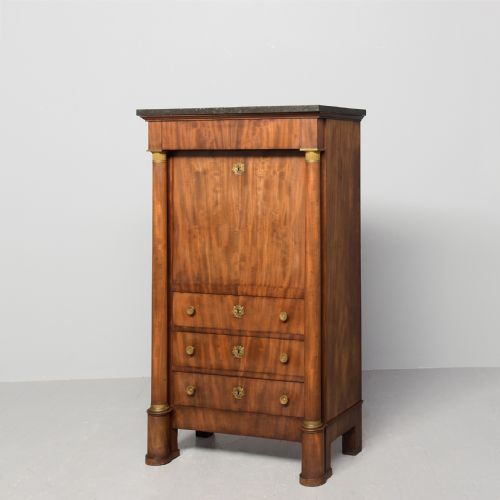
The furniture forms on this page include Davenport desks, bureau bookcases, and secretaire abattants with marble tops.
What varies in quality
The standard of a cabinet top writing desk rests upon the selection of timber and the precision of its grain matching, particularly on cylinder fronts and fall-front panels. Finer examples display meticulous marquetry work, substantial mahogany carcass construction, and original hardware.
Internal arrangement dictates much of the distinction between standard and superior pieces, seen in stepped pigeonhole configurations and well-executed secret compartments. The integration of original marble tops and gilt bronze or ormolu mounts further separates high-tier pieces from simpler utilitarian desks.
Gillows of Lancaster·Edwards and Roberts·Blake London·Tudor and Burrey Shrewsbury
The Cabinet Top Writing Desk Glossary
- Secretaire abattant
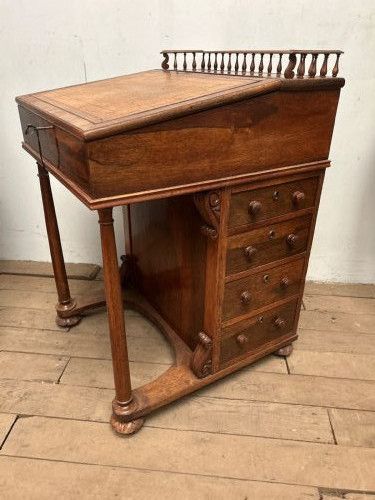
- A tall upright cabinet featuring a drop-front writing flap that conceals an interior fitted with small drawers and pigeonholes. This French form places the writing surface at a standing height when closed.
- Cylinder bureau
- A desk characterised by a quarter-circle rotating wooden cylinder that covers the writing slide and interior fittings. When pushed back, the cylinder reveals the leather-lined desk surface.
- Davenport
- A compact desk type comprising a sloping writing lid above a pedestal of drawers. Many variants include a small upper cabinet or stationery box.
- Bureau bookcase
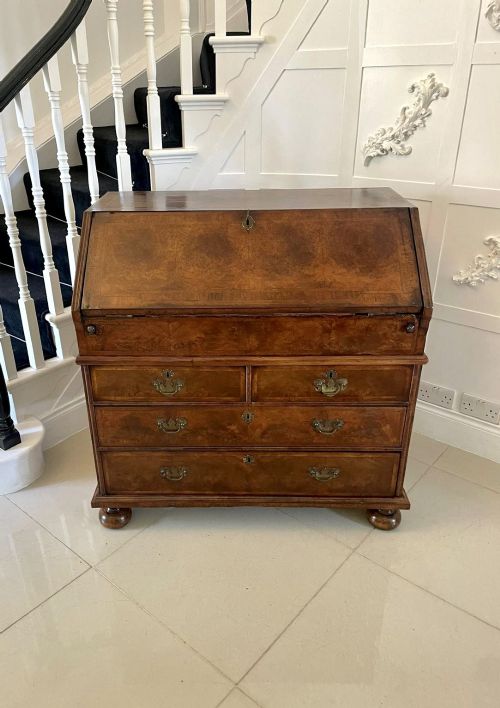
- A two-part piece combining a lower writing desk with an upper glazed or panelled bookcase section. The lower desk component typically utilises a sloping fall-front lid.
Cabinet Top Writing Desk: Frequently Asked Questions
What is a cabinet top writing desk?
A cabinet top writing desk is a piece of furniture that combines an upper shelving or display compartment with a lower writing surface and storage drawers.
These desks integrate vertical cabinetry with a functional writing slope or pull-out desk, appearing in forms such as bureau bookcases and secretaire cabinets.
How were bureau bookcases used?
Bureau bookcases served as combined storage for a household's library and a private station for managing correspondence and household accounts.
The upper glazed doors protected bound volumes from dust while displaying them, and the fall-front writing flap provided a private surface for writing letters.
What woods were used for these desks?
Cabinet makers built these desks using sturdy timbers like oak for earlier pieces and mahogany for Georgian and Victorian examples.
Decorative veneers such as burr walnut, rosewood, amboyna, and satinwood were frequently applied to the exterior surfaces to create striking grain patterns.