


Burr Walnut Drawers
Burr walnut drawers bring dramatic figured grain and rich brown tones to domestic storage, uniting the functional utility of chests and cabinets with exceptional decorative presence.
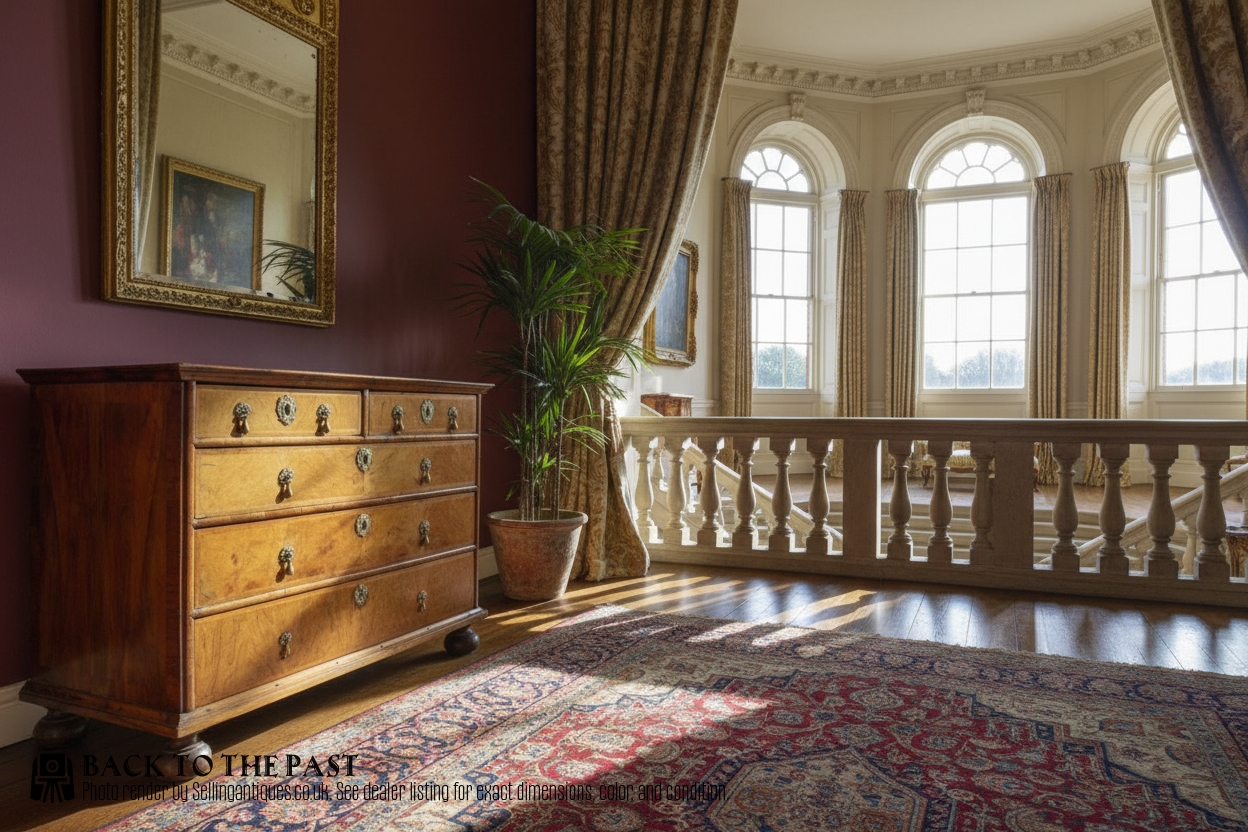
Burr Walnut Drawers
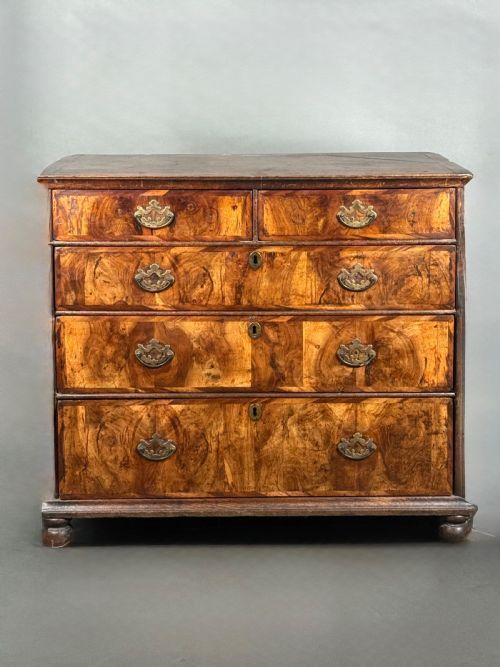
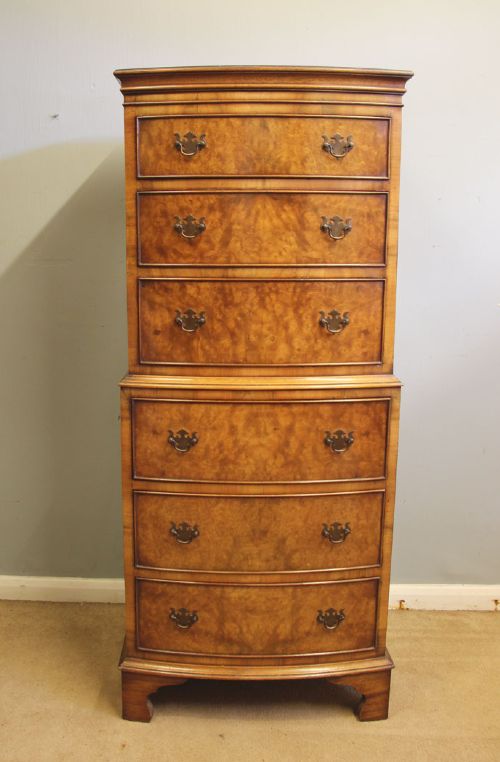
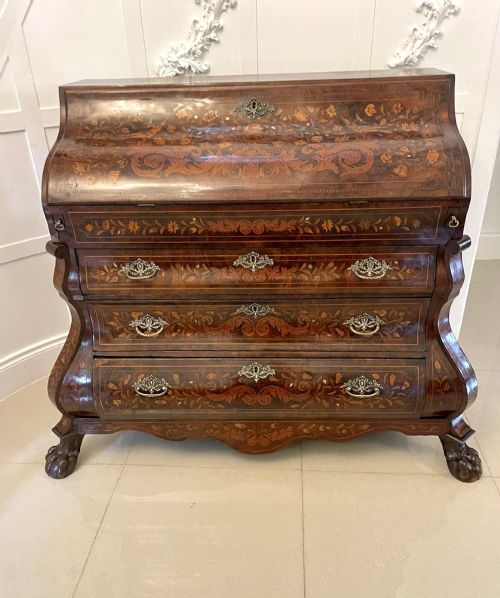
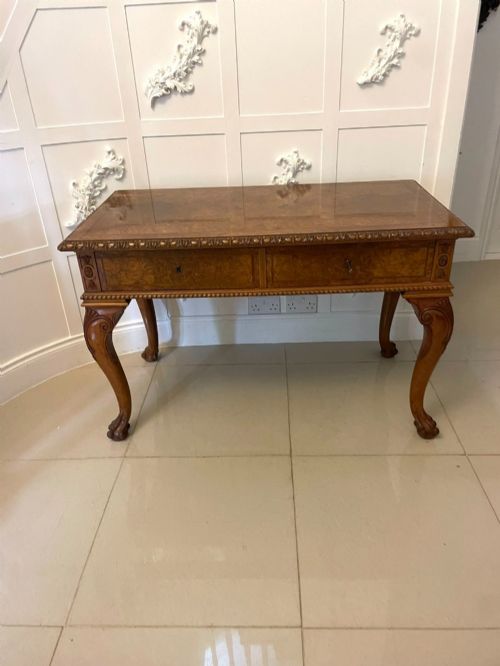
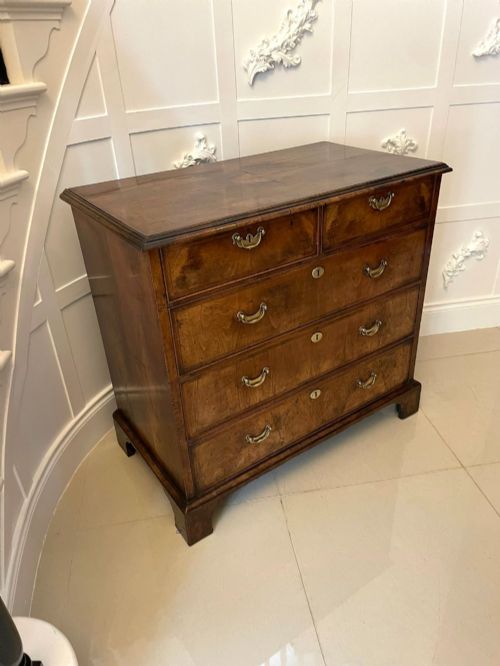
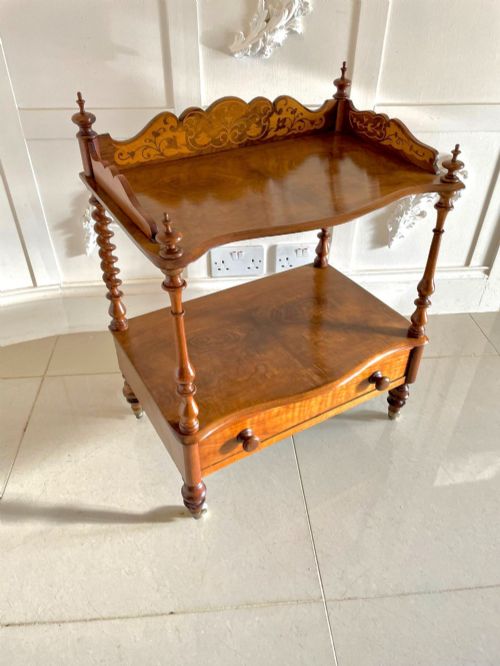
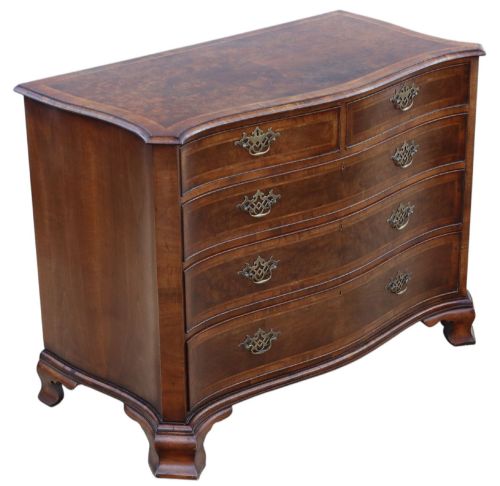
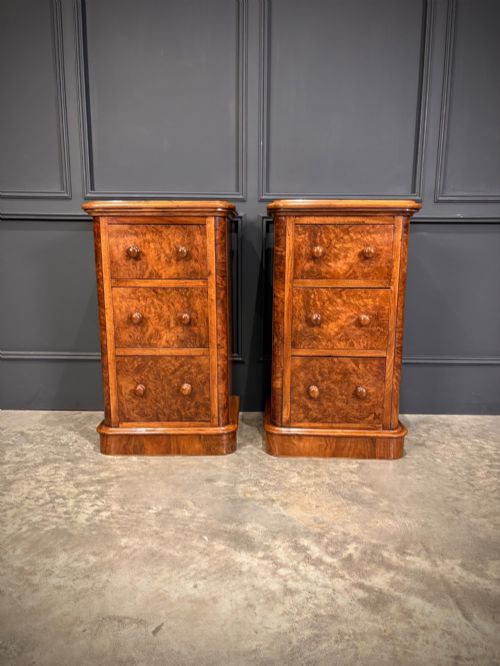
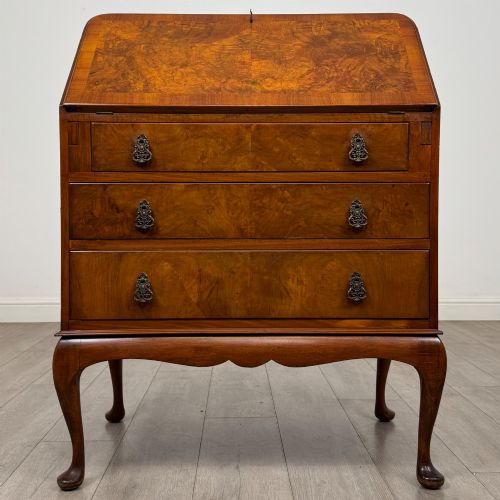
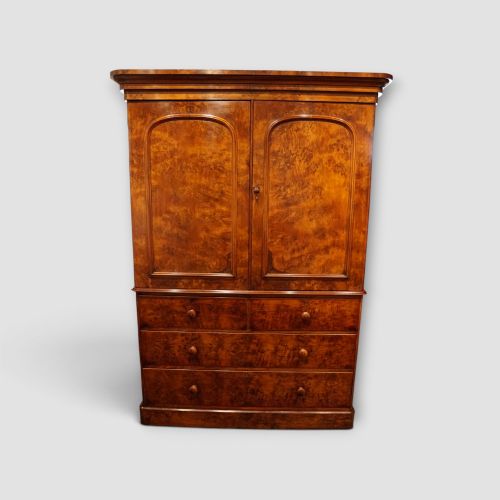
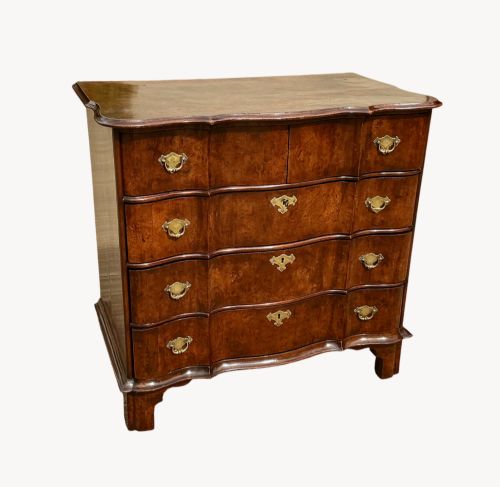
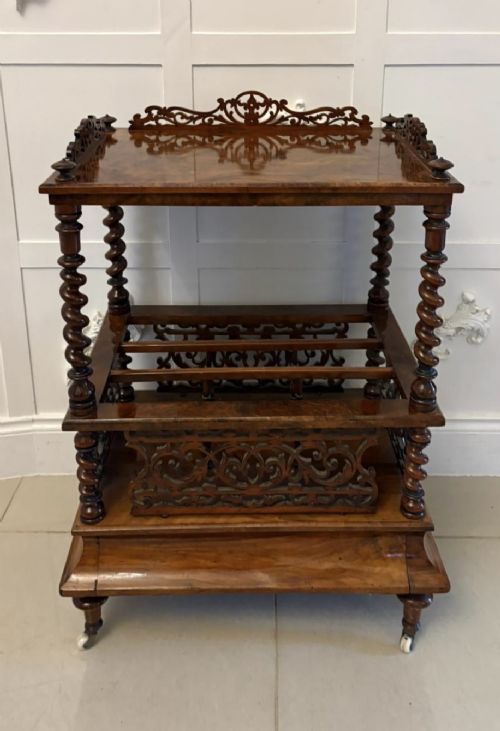
When you search for burr walnut drawers, you encounter a diverse range of case furniture spanning from the late seventeenth century through to the art deco period of the nineteen-thirties. The selection includes standard chests of drawers, bow-fronted commodes, tallboys, and pedestal desks alongside smaller bedside chests and bureau bookcases.
The aesthetic is dominated by highly figured timber veneers, often enhanced with crossbanding, marquetry, or feathered stringing. Pieces appear in various regional interpretations, including English walnut, Dutch burr walnut, and Scandinavian pieces from the nineteenth and twentieth centuries.
Early examples from the Queen Anne and Georgian eras sit alongside Victorian bedroom furniture and later revival pieces from the nineteen-twenties. The persistence of this material across multiple centuries demonstrates a lasting preference for the complex, swirling patterns found in walnut burls.
Materials and construction methods
Cabinet makers achieved the distinctive patterned surfaces by slicing thin veneers from walnut burls, which are arboreal growths containing clusters of deformed buds. These decorative veneers were carefully laid over solid secondary timbers such as oak, pine, or plain walnut to form stable panels for drawer fronts and tabletops.
Carcasses frequently utilised traditional dovetailed joinery for drawer construction, while secondary woods provided structural support beneath the prized veneer layers. Brass handles, escutcheons, and occasionally marble tops were incorporated depending on the period and regional origin of the furniture.
Burr Walnut Drawers Retail Price Guide 2026
Typical asking prices for burr walnut drawers among the pieces listed under this phrase on Sellingantiques today, from the lower quarter to the upper quarter. They describe what is for sale here now, not the wider market.
The listings span from the seventeenth-century William and Mary period through Georgian and Victorian eras to nineteen-thirties art deco designs.
Factors influencing quality
The visual impact of the grain pattern dictates much of the distinction between standard and superior pieces. Dense, unblemished burr formation across large drawer fronts requires exceptional selection of timber and precise matching of veneer leaves.
Hand-cut dovetailing, the integrity of the underlying carcase timbers, and the subtlety of crossbanding or inlay work separate workshop standards. Original brass hardware and the overall proportion of the piece contribute significantly to the standing of any individual chest or bureau.
The Burr Walnut Drawers Glossary
- Burr Walnut
- A timber derived from the abnormal growth or burl of a walnut tree, prized for its swirling, knotted grain patterns. It is almost exclusively used as a veneer due to the irregular shape of the source wood.
- Crossbanding
- A decorative technique where narrow strips of veneer are laid around the perimeter of a larger panel with the grain running at right angles to the centre. This frames the primary burr walnut surface and adds visual depth.
- Tallboy
- A tall storage unit comprising a chest of drawers stacked upon another, often taking the form of a chest on chest or a tall cabinet. These pieces maximise vertical storage while displaying prominent upper grain figures.
- Bow Front
- A convex, curved front profile popular in Georgian and later cabinet making. This shape enhances the reflection of light across figured walnut veneers.
- Marquetry
- The art of forming decorative patterns by fitting together small pieces of various woods, sometimes seen on eighteenth-century bureau desks and tabletops alongside burr walnut.
Burr Walnut Drawers: Frequently Asked Questions
How do I date a burr walnut chest?
Dating relies on examining construction methods, hardware, and overall proportions. Earlier pieces from the seventeenth and eighteenth centuries often feature oak drawer linings and hand-cut dovetails, while nineteen-twenties examples display machine-finished elements and distinctive art deco styling.
Secondary woods also offer clues, as pine and oak usage shifted across different centuries and manufacturing regions. Comparing the form and foot style against established period designs helps confirm the era of origin.
Are these drawers suitable for daily use?
Many of these pieces function effectively for modern storage, provided they are placed in stable environmental conditions. Walnut veneer reacts to extreme fluctuations in humidity, making consistent indoor temperatures essential for preservation.
Drawers should be loaded with care to protect internal runners and historical joints. Regular gentle dusting maintains the finish without introducing harsh cleaning agents to the antique polish.
How should I care for antique walnut veneer?
Maintenance requires avoiding direct sunlight and excessive heat sources, both of which can dry out ancient adhesives beneath the veneer. A soft, dry cloth is sufficient for routine cleaning to preserve the wax or French polish finish.
Applying specialised cabinet wax occasionally helps nourish the wood and protect the delicate surface layer. Water and chemical sprays must be kept away from the timber to prevent staining and lifting of the historic veneers.