


Burr Walnut Credenza Cabinet
A burr walnut credenza cabinet offers a striking focal point for a formal interior, combining rich timber figuring with refined proportions.
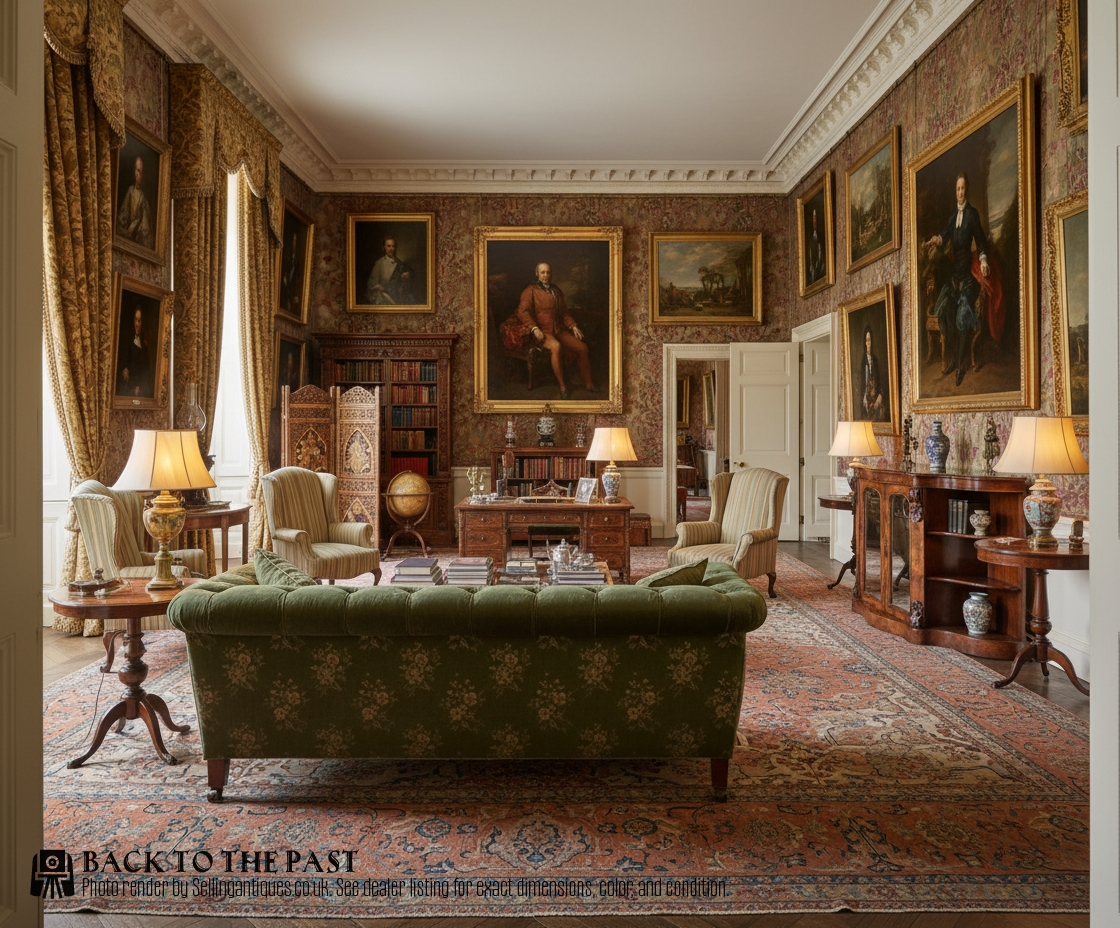
Burr Walnut Credenza Cabinet
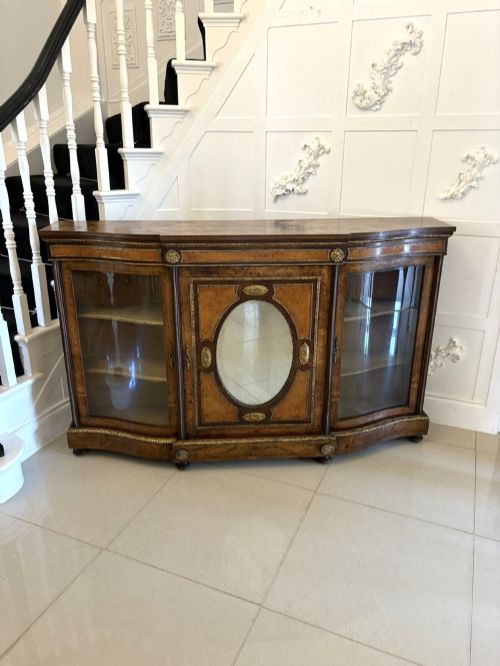
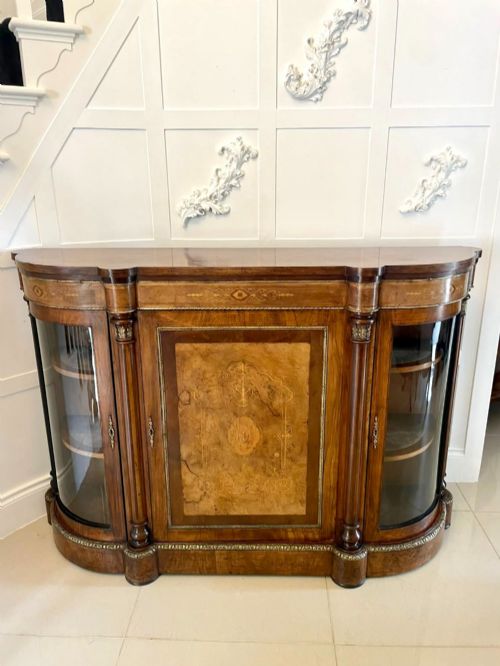
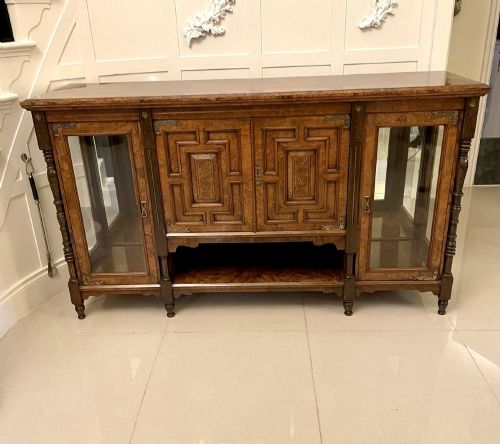
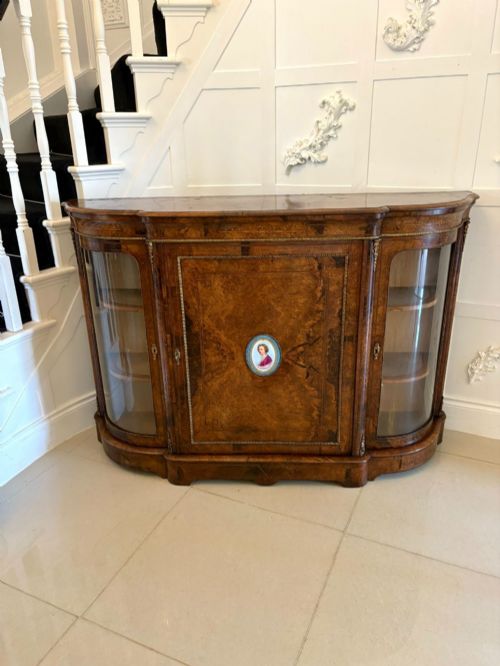
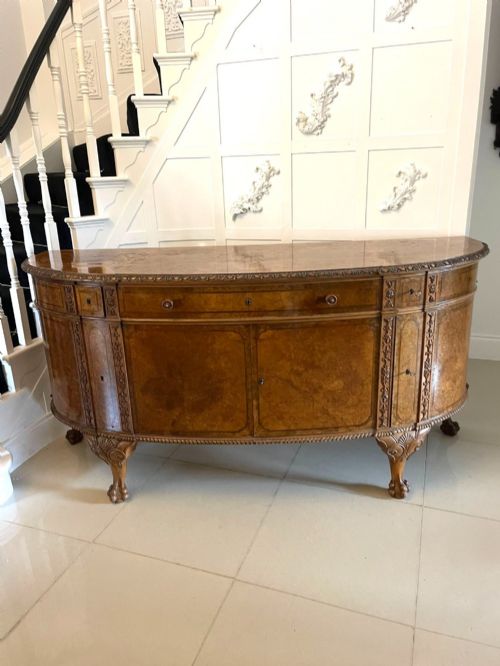
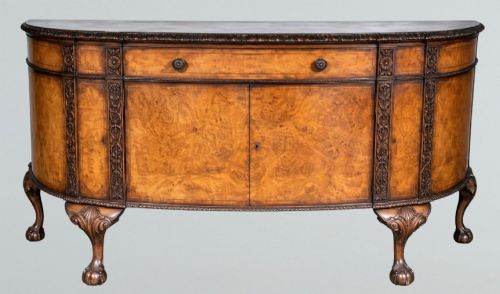
When searching for a burr walnut credenza cabinet, buyers encounter low display furniture designed primarily for formal reception rooms and parlours. The pieces recorded here span the Victorian era, particularly the mid nineteenth century, alongside later Art Deco interpretations.
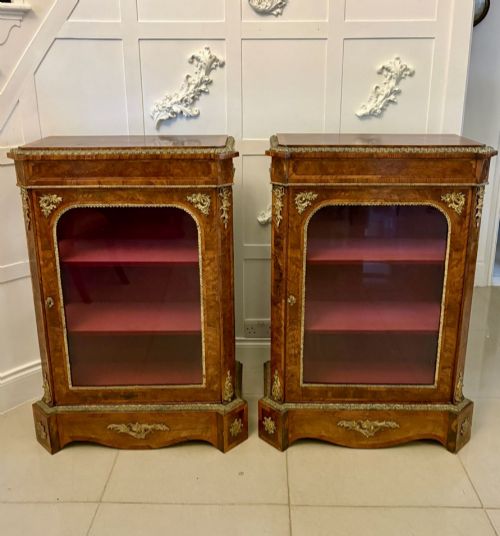
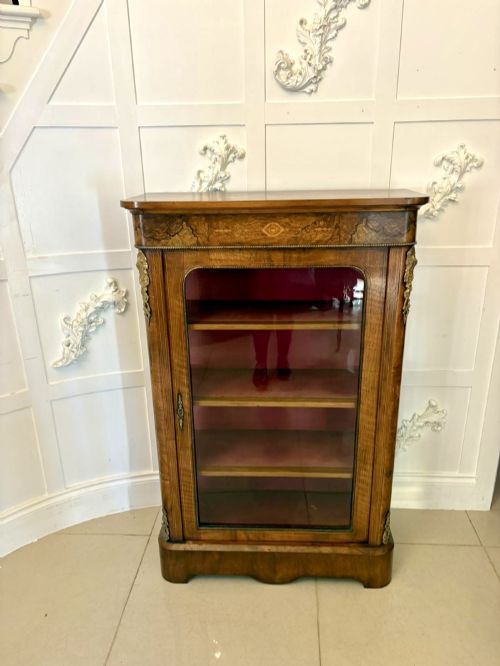
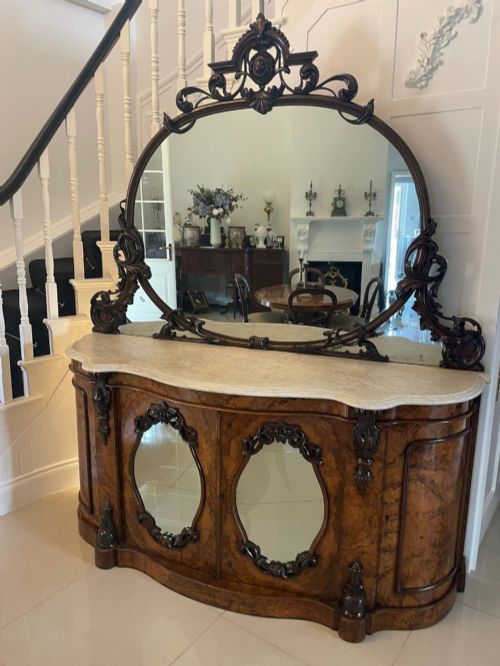
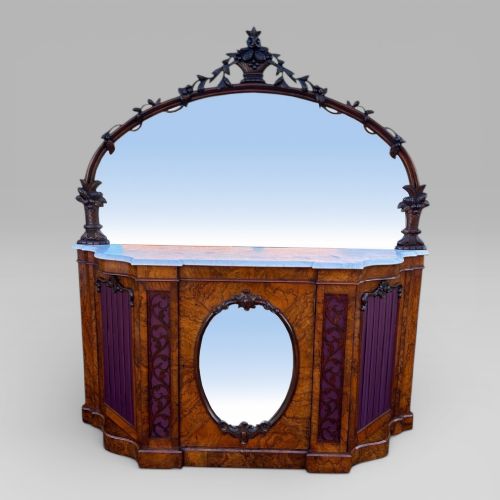
The dominant forms are credenzas, side cabinets and low sideboards featuring central cupboards flanked by curved glass doors or open display shelves. Many examples incorporate mirrored backs, marble tops or porcelain plaques alongside the characteristic timber.
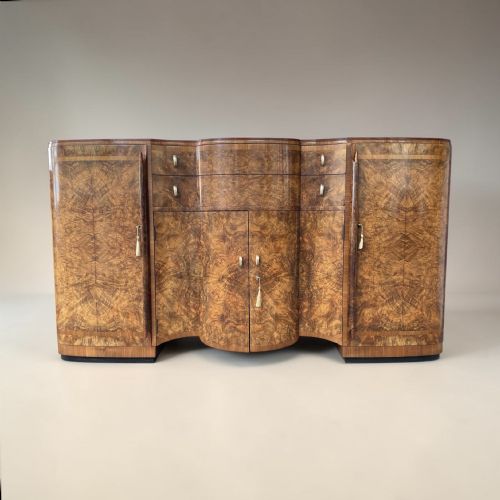
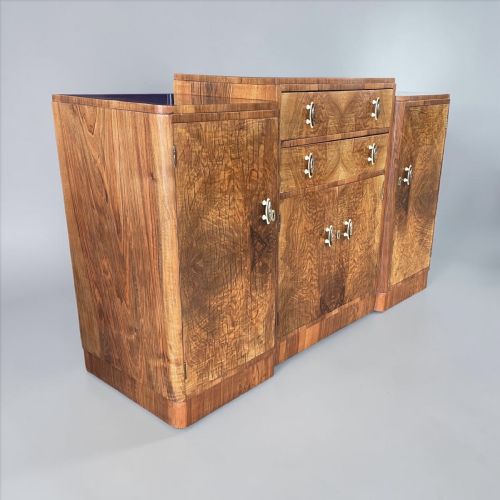
Origins range from nineteenth century English workshops to later twentieth century makers working in streamlined modern idioms. The common thread uniting these forms is the prominent display of highly figured burr walnut veneer.
How They Were Made
Cabinet makers utilised thin veneers of burr walnut applied to stable secondary timbers, carefully matching the swirling grain patterns across doors and panels. This timber was frequently embellished with delicate floral marquetry, stringing in contrasting woods, and ebonised details.
Metal ornamentation played a major role in defining the aesthetic, with gilt bronze or ormolu mounts fitted to corners, borders and pilasters. Glass panels, mirror plates and occasionally painted porcelain plaques completed the composition of these elaborate storage pieces.
Some nineteenth century cabinets hid secret compartments for stashing love letters behind heavily gilded ormolu mounts.
What Varies in Quality
The distinction between standard examples and the finest pieces lies in the selection and symmetry of the burr walnut veneer. Superior items exhibit continuous, well matched grain patterns that wrap harmoniously around curves and corners.
The sophistication of the secondary mounts and inlay work dictates the overall echelon of the piece. Crisp, finely chased ormolu, meticulous marquetry and substantial cast bronze elements signal a higher standard of original craftsmanship.
Maurice Adams·Harry and Lou Epstein·Gillows·Hille
The Burr Walnut Credenza Cabinet Glossary
- Credenza
- A low cabinet or sideboard, typically enclosed by doors, originating in Renaissance Italy and revived with great popularity during the Victorian period.
- Burr walnut
- A distinctive timber taken from a tree growth or burl, prized by cabinet makers for its complex, swirling grain patterns and rich tonal depth.
- Ormolu
- Gilt bronze mounts cast and chased to embellish the corners, columns and borders of fine nineteenth century furniture cabinets.
- Marquetry
- Decorative patterns formed by the precise insertion of contrasting wood veneers and tinted elements into a prepared surface.
- Pier cabinet
- A narrow display cabinet built specifically to stand against the wall space or pier situated between two windows.
Burr Walnut Credenza Cabinet: Frequently Asked Questions
What rooms suit a burr walnut credenza cabinet?
These low cabinets suit dining rooms, drawing rooms or large hallways where their decorative fronts can be appreciated without blocking light or views.
Their shallow depth allows them to sit comfortably against walls in formal reception spaces while offering useful display and storage capacity.
How do I care for burr walnut veneer?
Keep these cabinets away from direct sunlight and heat sources to prevent the thin walnut veneers from drying out or lifting over time.
Dust gently with a dry cloth and apply occasional traditional wax polish to nourish the timber and maintain the lustre of the finish.
Are these cabinets purely decorative?
While designed to showcase fine ceramics, glass and books behind glazed doors, they also provide practical enclosed storage within the central compartments.
Interior shelving offers adequate space for tableware, linens or collections while keeping items dust free.