




Burgundy Turkmen Textile
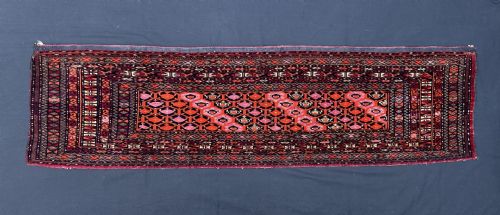
These burgundy turkmen textile pieces are tribal weavings from Central Asia prized for their rich wool and geometric motifs.
Burgundy Turkmen Textile
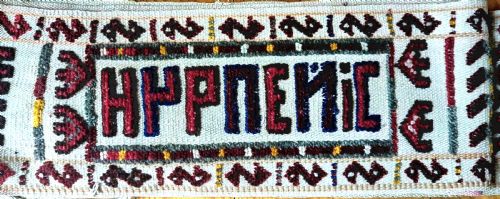
A burgundy turkmen textile is a hand-woven tribal piece originating from Central Asia, encompassing items such as rugs, torbas, and tent bands. The listings here showcase tribal textiles spanning the mid-nineteenth century up to the early twentieth century.
Buyers will encounter specific tribal formats including Yomut azmalyks, Tekke torba faces, and Ersari tent furnishings. These objects reflect the rich weaving traditions of nomadic tribes across the Trans-Caspian steppes and surrounding regions.
What varies in quality
The fineness of the weave distinguishes the most accomplished tribal works from standard examples. Closely packed knots and precision in drawing the traditional gul motifs elevate the visual impact of a textile.
Completeness alters the character of these items, with surviving plain weave backs or intact tent bands offering greater historical integrity. The clarity and saturation of natural dye palettes similarly separate exceptional pieces from simpler variants.
Listings span the period from 1850 to 1920, featuring wool, cotton, and natural dyes.
The Burgundy Turkmen Textile Glossary
- Gul
- A primary repeating medallion motif found across many tribal designs. These secondary or major emblems often identify the specific weaving tribe.
- Torba
- A small storage bag or bag face used within nomadic tents. They display careful geometric arrangement across the visible front.
- Chuval
- A large storage bag utilised for bedding and household possessions. Their faces remain sought after by collectors of tribal weaving.
- Azmalyk
- A camel trapping historically created for wedding processions. These pentagonal hangings display highly specialised designs.
- Engsi
- A tribal door hanging placed at the entrance of a yurt. They feature specialised layouts dividing the field into distinct quarters.
Burgundy Turkmen Textile: Frequently Asked Questions
How old are these textiles?
The pieces listed date from the mid-nineteenth century through to the early twentieth century. This era encompasses traditional tribal production before settled life altered weaving practices.
Dates are estimated based on material wear, structural style, and wool preparation techniques. Surviving examples reflect the active nomadic culture of the period.
Where were they made?
These textiles originate from Central Asia, specifically the regions inhabited by nomadic tribes such as the Tekke, Yomut, and Ersari. Their origins span the Trans-Caspian steppes and the Amu Darya region.
Weaving was tied to the seasonal movements of these groups. Each tribe developed distinct design traits and colour palettes.
How do I hang a textile?
Textiles like rug fragments and bag faces can be mounted on interior walls as art. Many owners use custom fabric sleeves or specialist mounting techniques to support the weight evenly.
Avoid direct, strong sunlight to protect the natural dyes. Gentle hanging preserves the wool structure over time.