
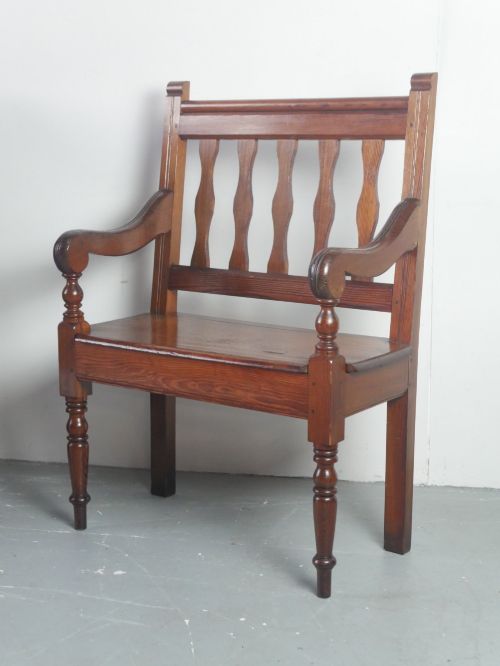
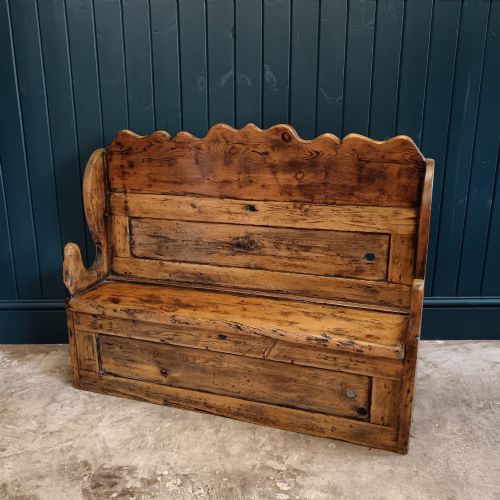
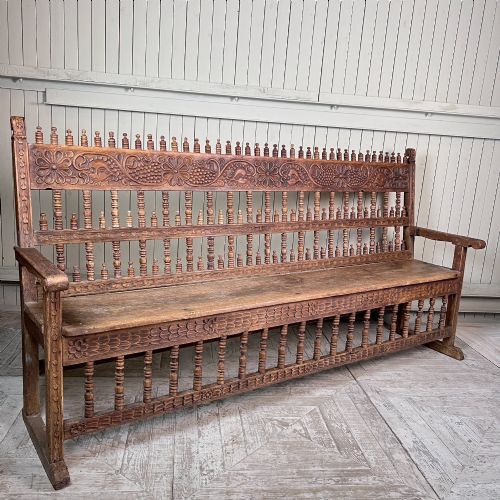
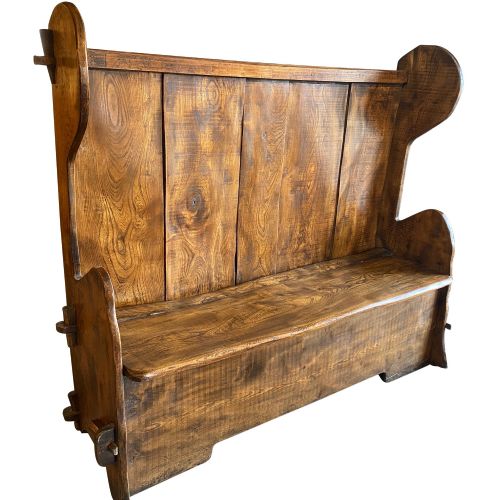
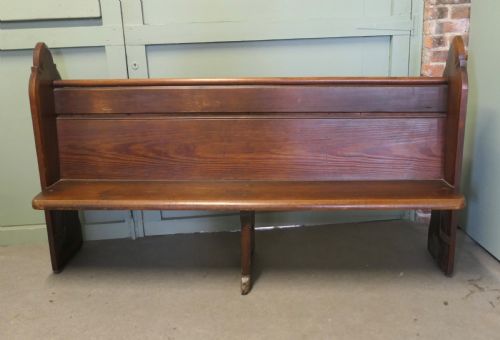
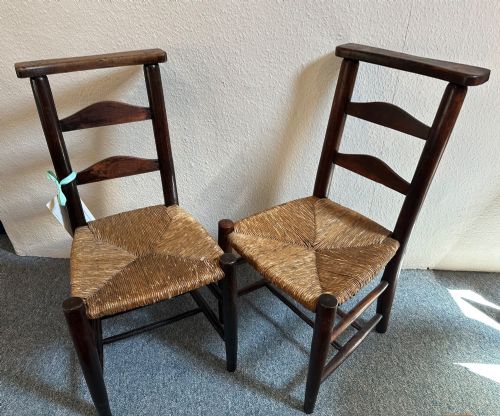
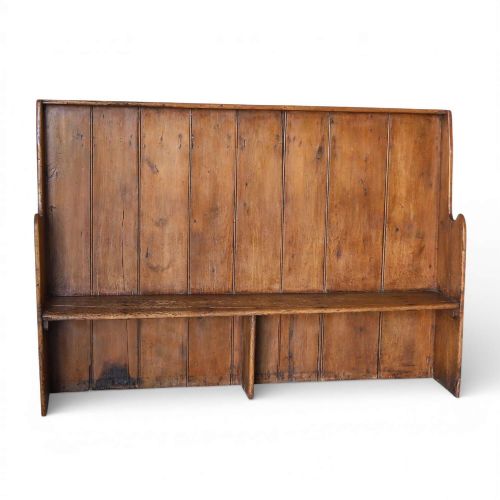
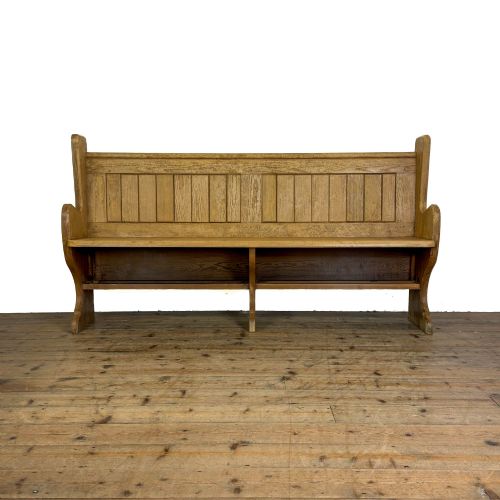
Brown Wooden Pew
A brown wooden pew brings centuries of solid craftsmanship and communal history directly into domestic hallways, kitchens and living spaces.
Brown Wooden Pew
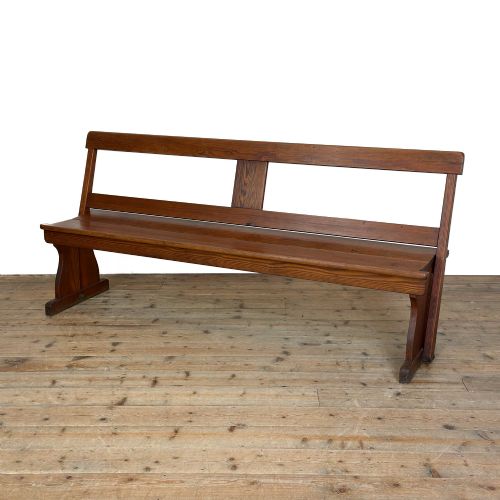
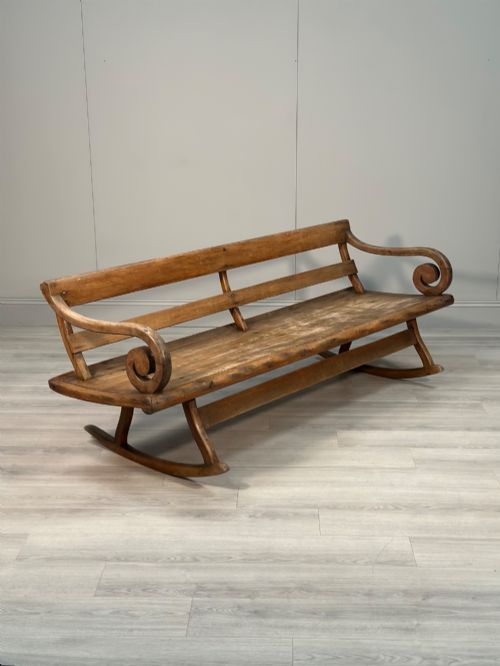
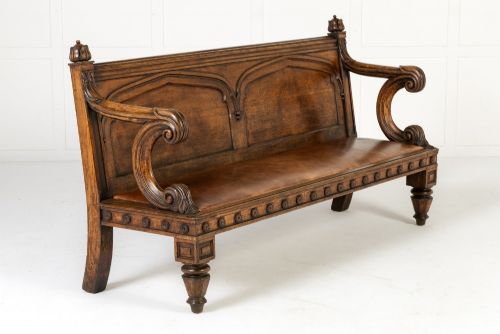
A brown wooden pew offers robust seating designed originally for churches, chapels, taverns and country houses, now repurposed for modern interiors. These benches range from simple farmhouse forms to elaborate Gothic revival seating with carved supports and high backs.
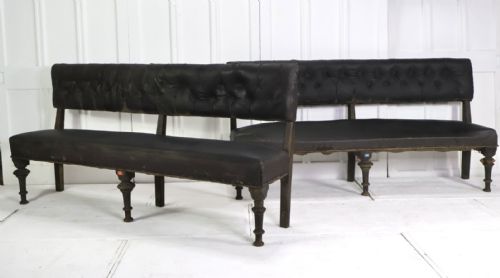
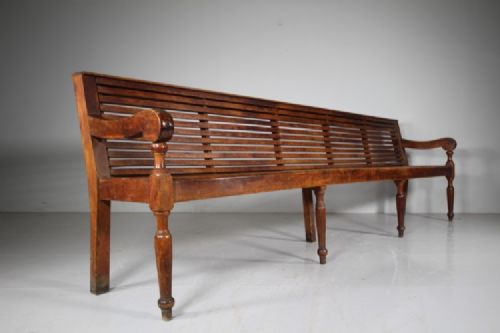
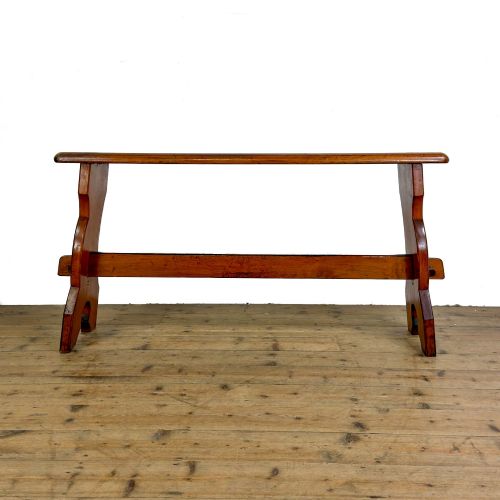
The versions most commonly found here date from the nineteenth century and the Victorian period, constructed primarily from durable timbers like pine, oak and pitch pine. Buyers encounter everything from narrow hallway benches to deep church pews and box settles featuring integrated storage.
Origins stretch across English, Welsh, Irish and continental European workshops, reflecting both vernacular country traditions and ecclesiastical commission work. Each piece carries the distinct marks of its original communal or domestic function, whether retrieved from a village church or a local tavern.
Assessing Quality and Character
Quality rests in the integrity of the timber and the depth of the natural patina developed through prolonged handling and age. Pieces retaining their original structural framing and uncompromised board widths command greater appreciation among collectors.
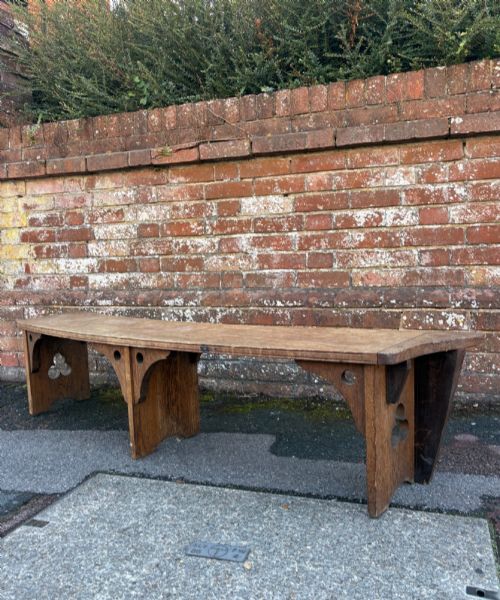
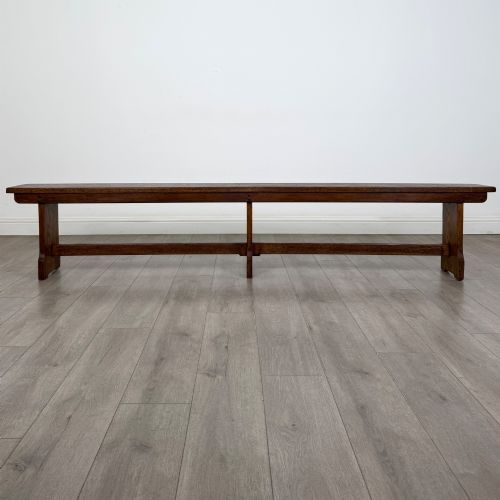
Carved detailing, such as trefoil supports or Gothic tracery, distinguishes bespoke ecclesiastical commissions from utilitarian vernacular seating. The proportion and balance of the piece, particularly in lengthened tavern benches or high-back settles, dictate its suitability for contemporary placement.
The Brown Wooden Pew Glossary
- Settle
- A wooden bench with a high back, solid arms, and often a storage box beneath the seat. This form protected occupants from drafts in older domestic halls.
- Pew
- A long wooden bench traditionally fixed in churches or chapels for congregational seating. Examples on the market have been adapted for freestanding domestic use.
- Pitch Pine
- A dense, resinous softwood sourced primarily from North America and utilised heavily during the Victorian era for durable church furniture. It exhibits a prominent grain and deep honey coloration.
- Gothic Revival
- An architectural and decorative style popular during the nineteenth century that revived medieval forms. Pieces display pointed arches, trefoils and traceried panels.
- Patina
- The surface sheen and coloration developed on wood over decades through handling, waxing, and exposure to light. A rich patina signals genuine age and continuous use.
Brown Wooden Pew: Frequently Asked Questions
How do I style a church pew at home?
Place a long pine or oak pew against a hallway wall or pair it with a dining table for practical seating. Soften the timber surface with loose textiles, flat cushions or sheepskins.
Ensure the length of the bench matches the proportional scale of the room, leaving adequate clearance for movement around surrounding furniture.
What is the difference between a pew and a settle?
A pew is typically an open-backed or low-backed bench designed originally for rows in religious or civic buildings. Settles feature high wooden backs and solid panelled sides specifically built to block cold draughts in domestic farmhouses and inns.
Both serve as substantial linear seating options but carry distinct historical origins regarding their daily function.
Are these benches comfortable for daily dining?
Many ecclesiastical and tavern benches feature upright wooden backs designed for posture rather than lounging. Adding custom seat pads improves comfort during extended periods around a dining table.
Checking the seat height and depth relative to your table ensures a comfortable fit for everyday meals.
Can I use an antique pew outdoors?
Most historic pews utilise interior timbers and traditional joinery that will degrade rapidly when exposed to persistent moisture and frost. Keeping them inside protects the dry wood and preserves fragile historical finishes.
Covered porches might suit hardier oak or pine examples, provided they avoid direct rain and extreme temperature shifts.