




Carved Oak Pew
These carved oak pew examples bring solid historic character to hallways and large rooms, shaped by centuries of ecclesiastical and domestic seating design.
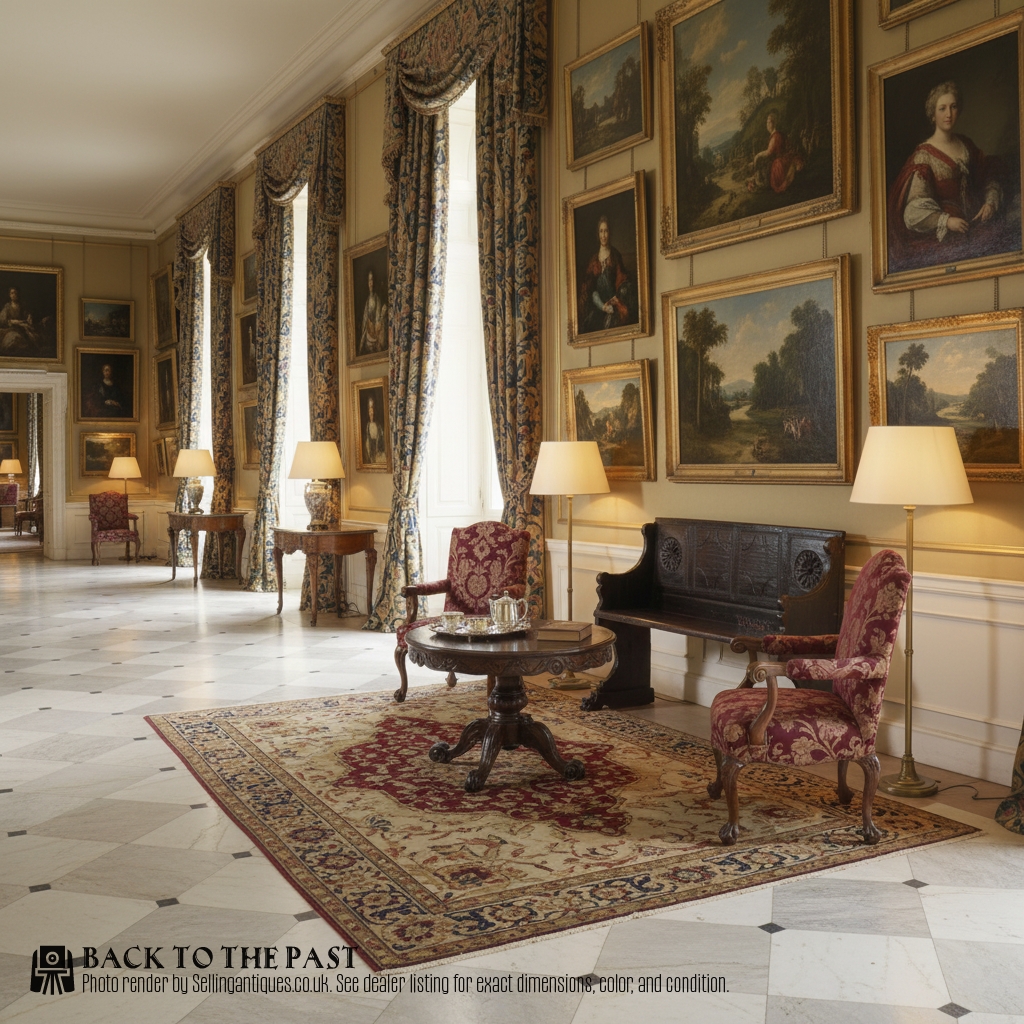
Carved Oak Pew
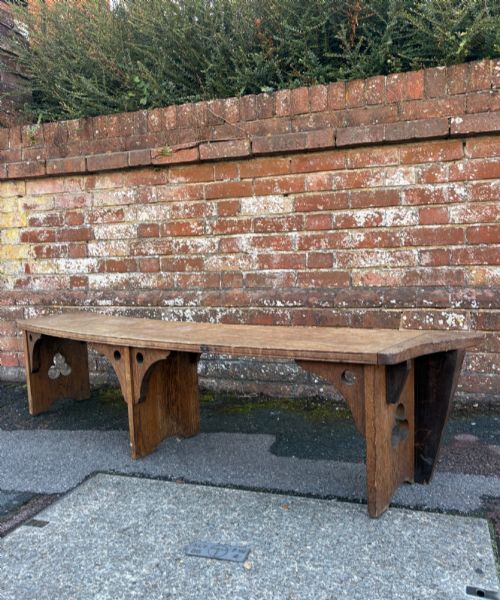
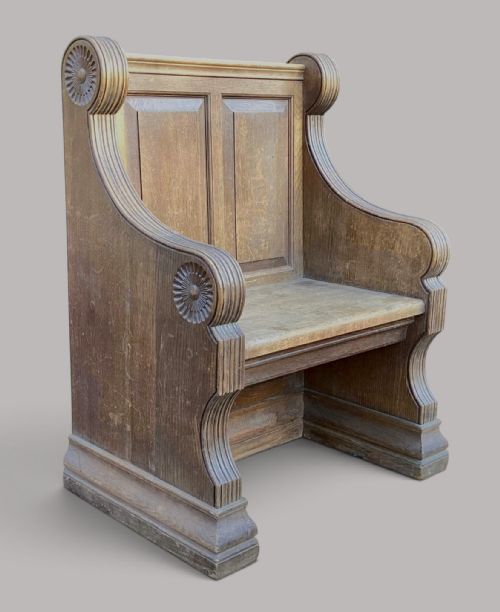
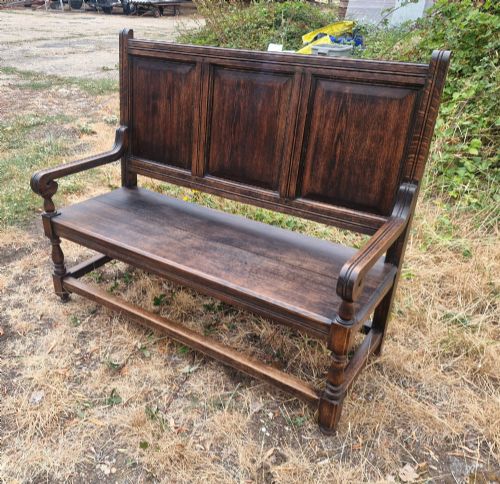
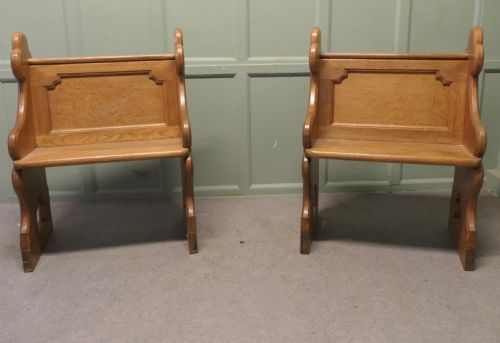
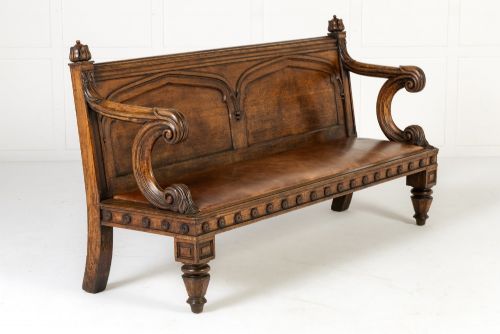
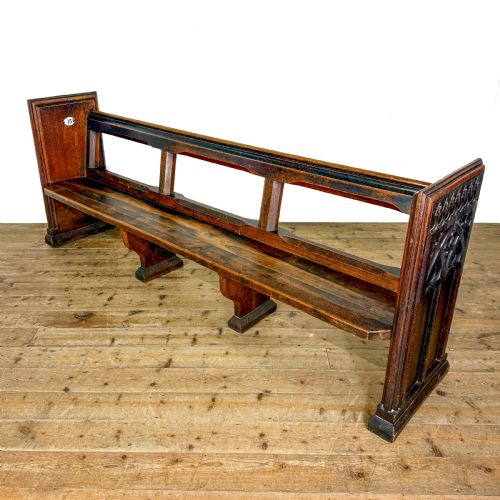
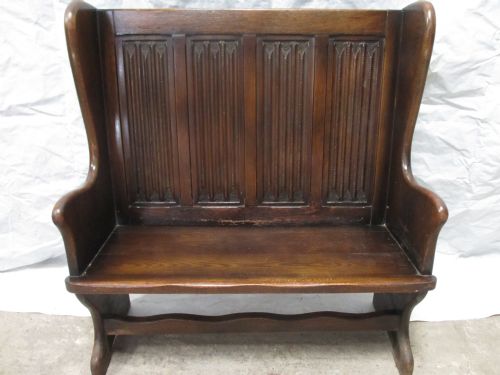
When you search for a carved oak pew, you look at robust seating forms originating from churches, chapels, and large domestic halls. The pieces on this page span vernacular settles, architectural hall benches, and church seating featuring solid wood construction.
Most examples you encounter date from the nineteenth century, including Victorian Gothic Revival interpretations and Arts and Crafts pieces, alongside earlier eighteenth-century country examples. These benches often serve as functional hallway seating or architectural statements in modern interiors.
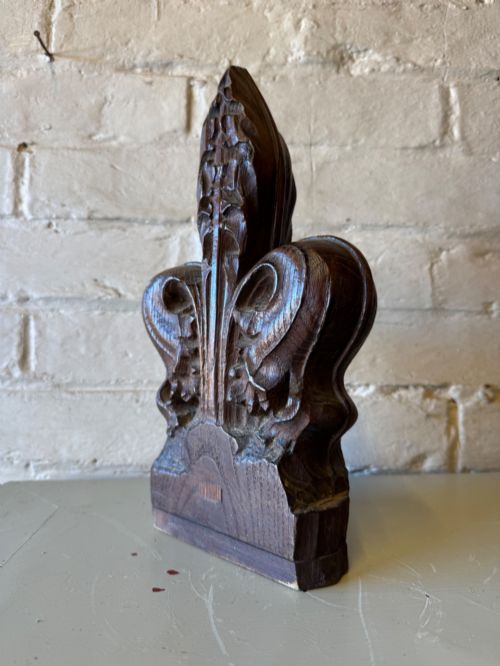
The selection ranges from simple panelled benches to elaborate church pews with carved poppy heads, linenfold panels, and winged supports. Each piece carries the distinct marks of ecclesiastical carpentry and vernacular furniture traditions.
How they were made
Makers constructed these forms primarily using solid oak, sometimes complemented by walnut or secondary woods, alongside occasional additions of leather or fabric upholstery on specific seating versions. Craftsmen employed traditional joinery techniques, utilising pegged mortise and tenon joints to ensure structural rigidity across long bench spans.
Carving formed an integral part of the construction, executed directly into the solid timber frame or onto applied panels. Artisans utilised chisels and gouges to shape Gothic tracery, poppy heads, and figural reliefs such as lions and green men.
Carved Oak Pew Retail Price Guide 2026
Typical asking prices for carved oak pew among the pieces listed under this phrase on Sellingantiques today, from the lower quarter to the upper quarter. They describe what is for sale here now, not the wider market.
Listings feature oak predominantly, alongside walnut and architectural salvage elements spanning the eighteenth and nineteenth centuries.
What varies in quality
The distinction between ordinary and superior pieces rests on the depth and ambition of the hand-carved elements. Crisp detailing on poppy heads, figural bench ends, and tracery panels indicates a workshop with greater sculptural skill.
Proportion and structural integrity also define the better examples, where the grain of the solid oak aligns harmoniously with the form. Alterations to length or replaced components alter the integrity of the piece, separating unaltered survivals from adapted church salvage.
Edwards and Roberts
The Carved Oak Pew Glossary
- Poppy head
- An ornamental finial carved on top of an upright bench end, frequently taking leaf or floral forms. This decorative feature terminates the exposed ends of church seating.
- Settle
- A wooden bench with a high solid back, armrests, and often a storage box beneath the seat. This form protected occupants from draughts in older domestic interiors.
- Gothic Revival
- An architectural and decorative style drawing inspiration from medieval design principles. This aesthetic dominates nineteenth-century ecclesiastical seating with pointed arches and trefoil motifs.
- Tracery
- Openwork ornamentation in stone or wood, forming geometric patterns in screenwork and bench panels. It echoes the window designs of medieval architecture.
- Panelling
- Flat wooden sections framed by stiles and rails to create decorative wall or furniture surfaces. This technique adds rigidity and visual rhythm to bench backs.
Carved Oak Pew: Frequently Asked Questions
How do I place a pew in a hallway?
These long benches fit flush against walls in entrance halls, providing a sturdy surface for sitting while removing footwear. Their narrow depth makes them practical for high-traffic corridors without obstructing movement.
Pair the bench with a low runner rug or position it beneath coat hooks to establish a functional boot room aesthetic. Ensure adequate wall clearance for high-backed settles to protect the carved crests.
How do I care for antique oak?
Maintain the timber by applying natural beeswax sparingly to nourish the grain and protect the surface from drying out. Avoid placing the bench near direct heat sources or in strong sunlight, which can cause the oak to split.
Dust carved crevices regularly using a soft bristle brush to prevent particle accumulation in deep relief work. Clean fabric or leather pads occasionally with appropriate specialist conditioners if the seating includes upholstered elements.
How can I date a carved oak bench?
Examine the tool marks, joinery methods, and the style of the carving to establish a chronological anchor. Machine-sawn timber and uniform screw heads generally indicate nineteenth-century production or later, whereas hand-riven boards and pegged joints point toward earlier periods.
Stylistic cues such as Victorian Gothic revival motifs or Arts and Crafts simplicity help narrow down the decade of manufacture. Compare the patina and wear patterns on the seat surface against the lower frame to check for consistency.