



Ecclesiastical Oak Seating
These ecclesiastical oak seating pieces bring historic craft and architectural presence into a room, offering robust construction and striking Gothic character.
Ecclesiastical Oak Seating
When you search for ecclesiastical oak seating, you encounter robust furniture originating from churches, chapels, and cathedrals alongside domestic interpretations inspired by monastic forms. The pieces span periods from pre-reformation centuries through the Victorian and Edwardian Gothic revivals, with particular representation from the nineteenth and early twentieth centuries.
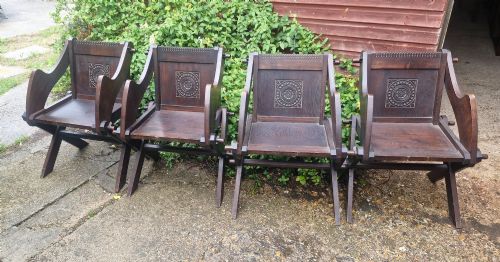
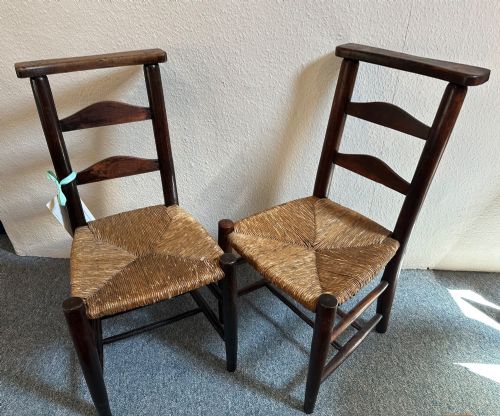
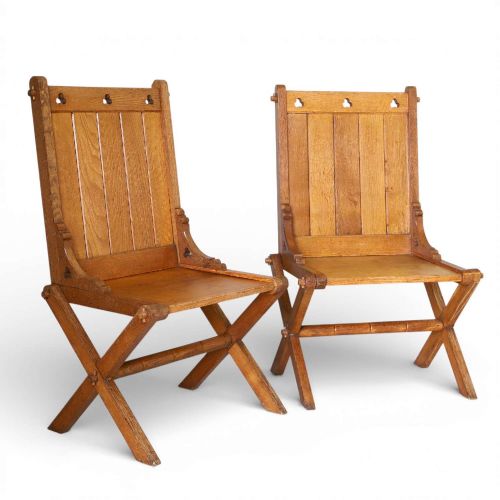
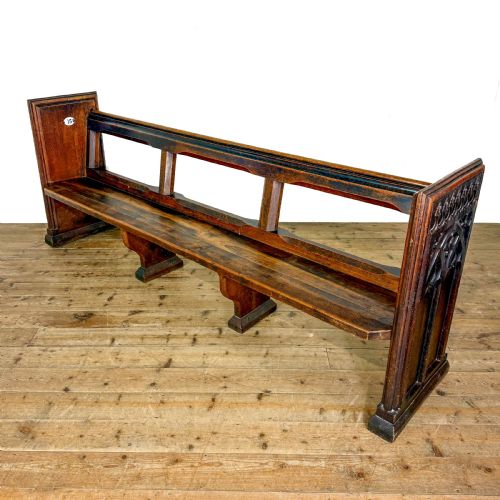
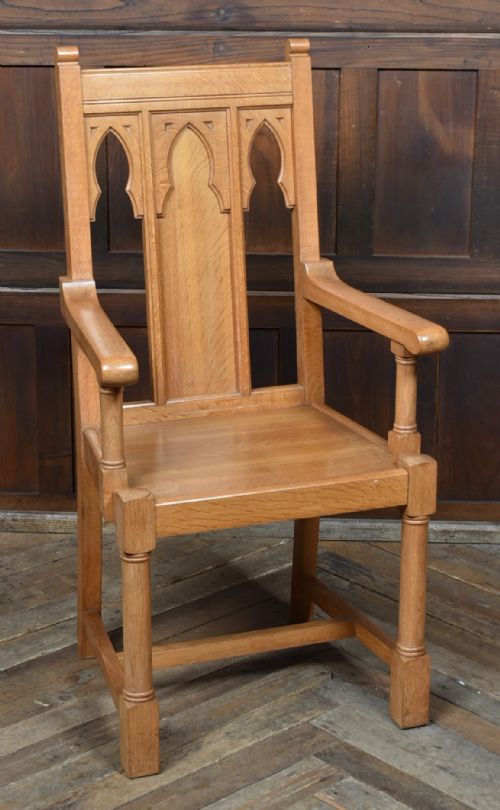
Armchairs, chapel thrones, pews, and prayer seats dominate the selection, often reflecting specific liturgical uses or institutional origins. Glastonbury chairs with their characteristic X-frame construction and trefoil details frequently appear alongside side chairs and benches.
Origins vary from English and Welsh workshops to specific commissions for notable London and regional churches. Buyers find both monumental seating designed for dignitaries and simpler rows intended for congregational use.
Materials and Construction
Solid oak provides the primary structural material across these pieces, selected for its durability and traditional association with ecclesiastical architecture. Workshops frequently utilised regional British timber, employing heavy framing and joined construction to withstand decades of institutional use.
Carving and surface enrichment involve traditional hand tools, manifesting as trefoil motifs, relief panels, and engraved commemorative plaques. Secondary materials such as brass fittings, needlepoint inserts, and occasional gold leaf details enhance the structural oak framework without overpowering the grain.
Oak serves as the dominant material across all forms, accompanied by functional accents of brass, rush, and needlepoint.
Evaluating Quality and Provenance
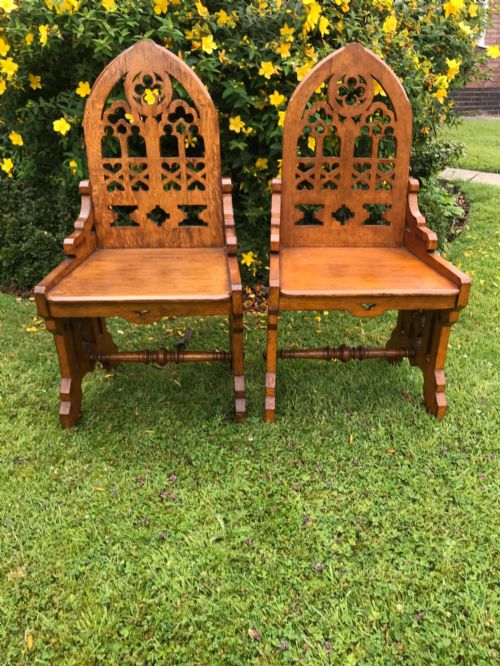
Quality rests in the crispness of the architectural carving and the integrity of the joinery rather than surface polish alone. Superior examples display deeply articulated Gothic tracery, balanced proportions, and timber with an honest, patinated surface developed through long service.
Documented provenance elevates certain pieces significantly, particularly those retaining physical inventory marks, cathedral stamps, or original engraved plaques linking them to known historic institutions. The subtlety of proportion in regional variations, from Welsh workshops to Cotswold pews, distinguishes standard utilitarian output from master-carved ecclesiastical seating.
The Ecclesiastical Oak Seating Glossary
- Glastonbury chair
- A traditional X-framed wooden armchair featuring a sloping panel back and flat armrests, heavily revived during the Victorian Gothic period. This design traces its conceptual lineage to mediaeval monastic seating.
- Prie-dieu
- A devotional prayer desk or chair fitted with a kneeling ledge and an upper shelf for books or elbows. These pieces often incorporate hinged components and upholstered rests.
- Trefoil
- A three-lobed decorative ornament derived from Gothic architectural tracery and window design. Craftsmen frequently pierced or carved this motif into chair backs and splats.
- Pre-Reformation
- Pertaining to the period in English history prior to the sixteenth-century religious reforms. Surviving seating from this era exhibits mediaeval carpentry methods and exceptionally heavy timber sections.
Ecclesiastical Oak Seating: Frequently Asked Questions
Where were these chairs originally used?
These pieces served in a variety of sacred and domestic settings, ranging from prominent cathedrals and parish churches to private chapels and rectories. Many items held specific clerical roles, acting as bishop thrones or dedicated prayer seats.
Over time, changing architectural layouts released many of these items into the wider domestic market, where they continue to function as statement seating in libraries, halls, and studies.
How do I identify a Glastonbury chair?
A Glastonbury chair is instantly recognised by its interlocking X-shaped legs and supports, which form a sturdy folding or semi-fixed base. They typically feature sloping wooden armrests and a high paneled back, often embellished with Gothic carving.
Nineteenth-century revival examples accurately replicated this mediaeval geometry, utilising solid oak and traditional pegged joinery to achieve an authentic aesthetic.
Can I use church pews in a dining room?
Church pews and long benches fit well alongside large dining tables, offering a distinct architectural alternative to conventional dining chairs. Their solid oak construction provides remarkable durability for daily domestic use.
When positioning a pew, measure the seat height and depth relative to your table clearance to ensure comfortable seating during meals.
How should I care for antique oak furniture?
Maintain antique oak by placing pieces away from direct heat sources and rapid temperature fluctuations, which can cause the timber to split or warp. Regular dusting with a soft, dry cloth preserves the natural dry finish and built-up patina.
Avoid modern silicone polishes, choosing instead a traditional beeswax application sparingly when the wood appears dry or thirsty.