

Antique Oak Dining Seats
These antique oak dining seats offer solid construction and enduring character for daily meals.
Antique Oak Dining Seats
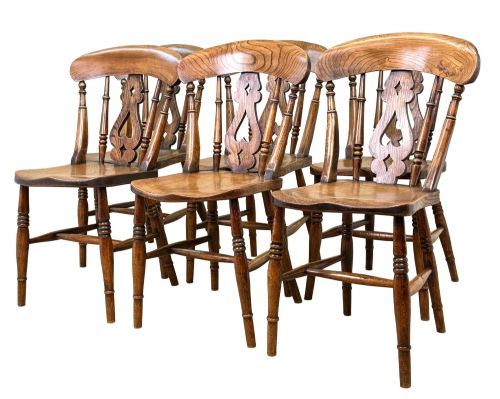
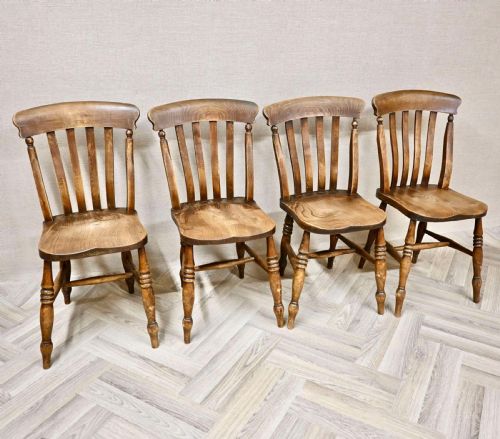
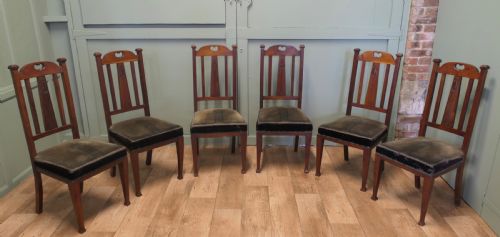
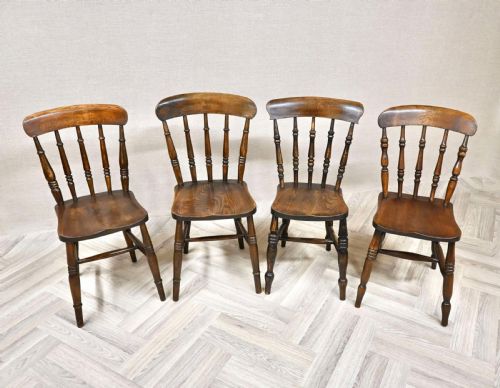
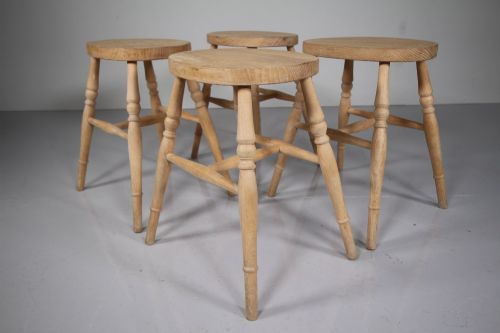
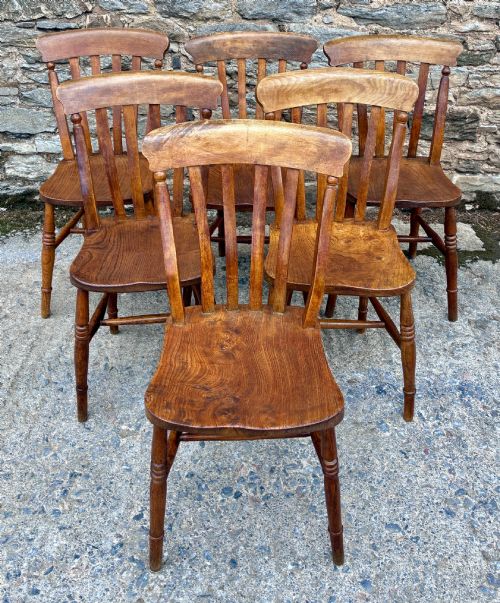
When searching for antique oak dining seats, buyers encounter various forms ranging from country kitchen chairs to formal dining sets dating from the nineteenth and early twentieth centuries.
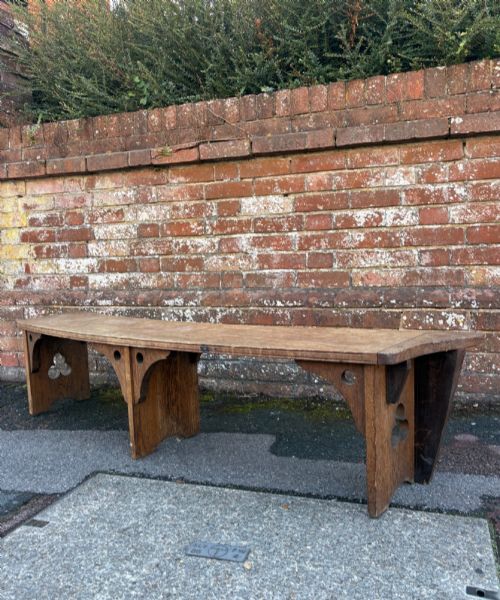
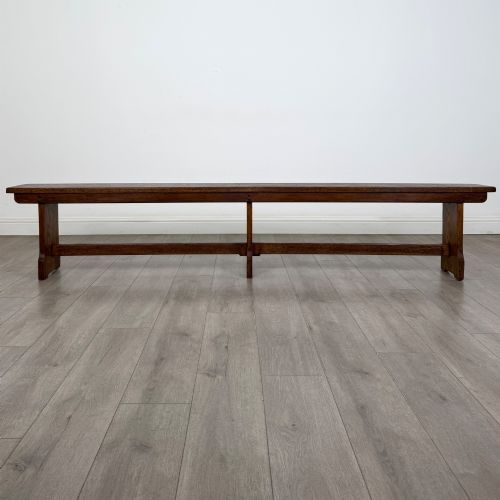
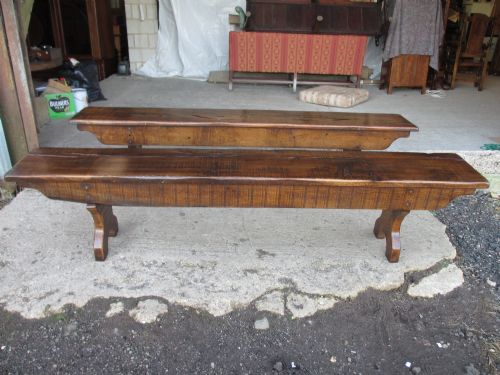
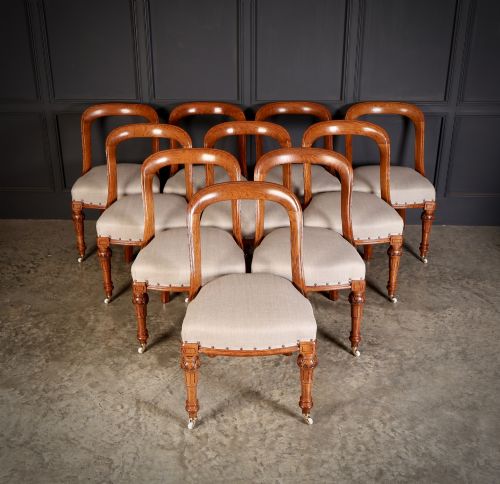
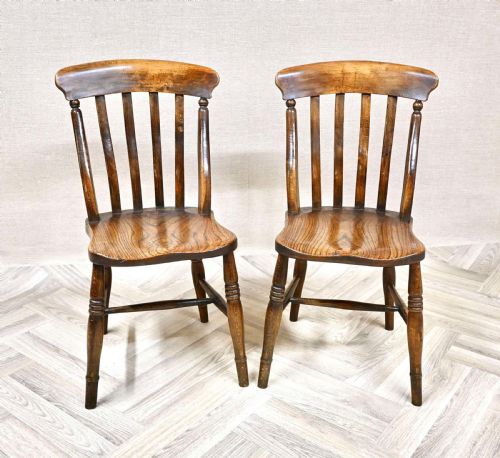
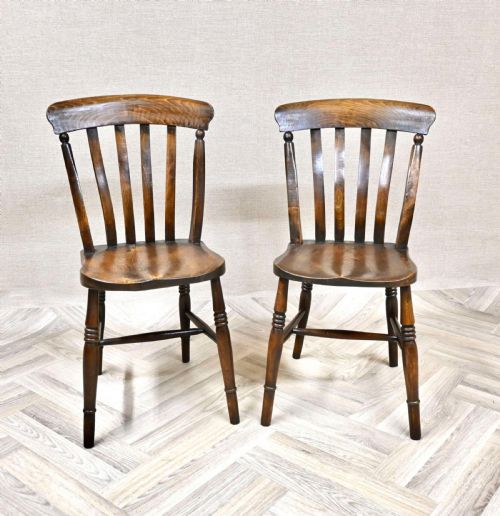
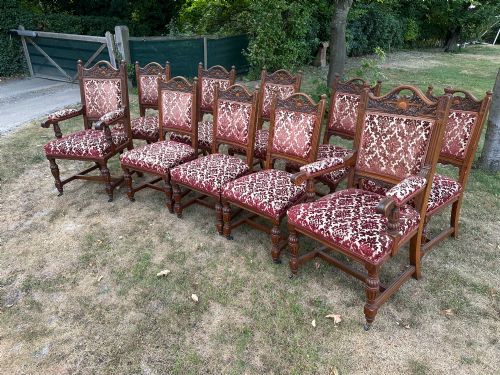
The selection includes ladder back chairs, Windsor styles with elm seats, Gothic revival benches, and complete sets of matched dining chairs designed for larger tables.
Many examples reflect regional English country traditions or later Arts and Crafts movements, providing sturdy seating solutions built from domestic timber.
Materials and construction methods
Makers utilised solid oak for frames, legs, and stretchers, frequently combining it with elm for shaped seats or beech for turned spindles.
Joinery relied on traditional mortise and tenon joints secured with wooden pegs, ensuring structural integrity across decades of heavy use.
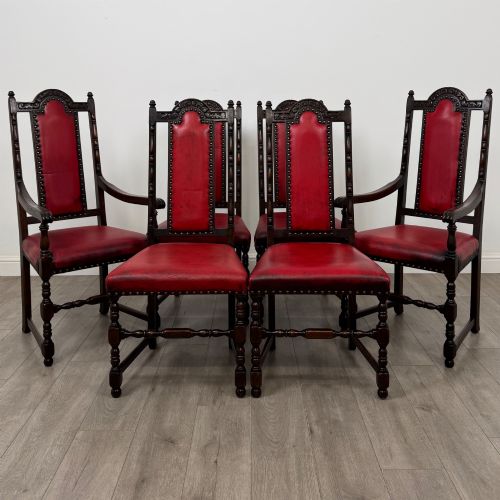
Seating surfaces incorporate woven rush, split cane, plain leather, or upholstered pads stuffed with natural materials and secured with brass studs.
Materials paired with oak across these seats include woven rush, supple leather, shaped elm, and turned beech.
Factors influencing quality and desirability
Quality depends heavily on the integrity of the original frame construction and whether the set remains in an un-altered, matching state.
Chairs retaining their original rush or cane work command attention, as do those featuring crisp hand-carved detailing or maker stamps from established workshops.
The thickness of the oak timber and the tightness of the joints differentiate standard utility seating from finer parlor or dining room productions.
Strahan of Dublin·Gillows·Matthew Lawson
The Antique Oak Dining Seats Glossary
- Windsor chair
- A wooden chair built with a solid sculpted seat into which the legs and back spindles are separately bored and wedged.
- Ladder back
- A chair back constructed from horizontal arched slats set between two vertical upright posts.
- Refectory table
- A long dining table traditionally used in communal dining halls and supported by substantial trestle or leg assemblies.
- Rush seat
- A seating surface woven from dried marsh rushes twisted into cords and patterned tightly across a wooden frame.
- Harlequin set
- A collection of dining chairs that match in general style and period but vary slightly in minor individual details.
Antique Oak Dining Seats: Frequently Asked Questions
How do I clean antique oak furniture?
Dust surfaces regularly with a soft, dry cloth to prevent the accumulation of grit in the grain. Apply a traditional beeswax polish sparingly once or twice a year to nourish the timber.
Avoid modern liquid cleaners and silicone sprays, as these can penetrate open grain and soften the historic patina over time.
Can I mix different chair styles together?
Combining different chair styles is a traditional approach often seen in period country homes. Harlequin sets bring individual character to a dining space.
Ensure the seat heights remain consistent so diners sit comfortably level around the table.
How do I check chair joint stability?
Gently test the uprights and stretchers for lateral movement or wobbling. Movement indicates that the historic hide glue within the mortise and tenon joints has dried out.
A professional restorer can easily re-secure loose joints without altering the original wood.
Are rush seats strong enough for daily use?
Traditional rush seating is surprisingly durable and supports everyday sitting when kept dry. Avoid placing rush-seated chairs in damp environments that cause the natural fibres to rot.
Weight distribution remains even across the woven pattern during normal use.