


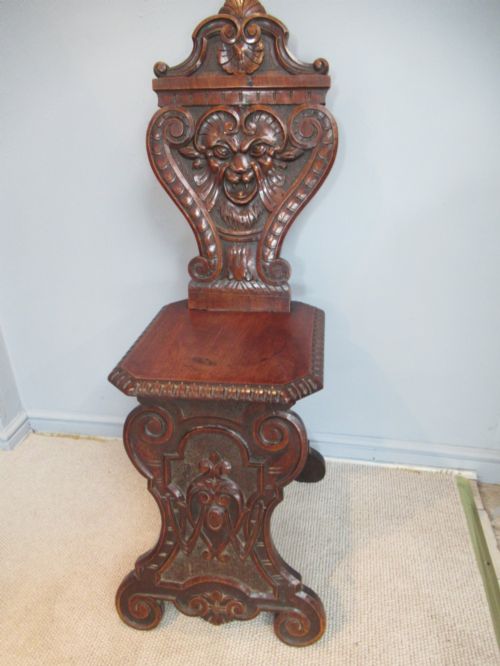

Edwardian Hall Chair
An edwardian hall chair is a practical timber seat designed for an entranceway, prized for crisp carving and sturdy posture.
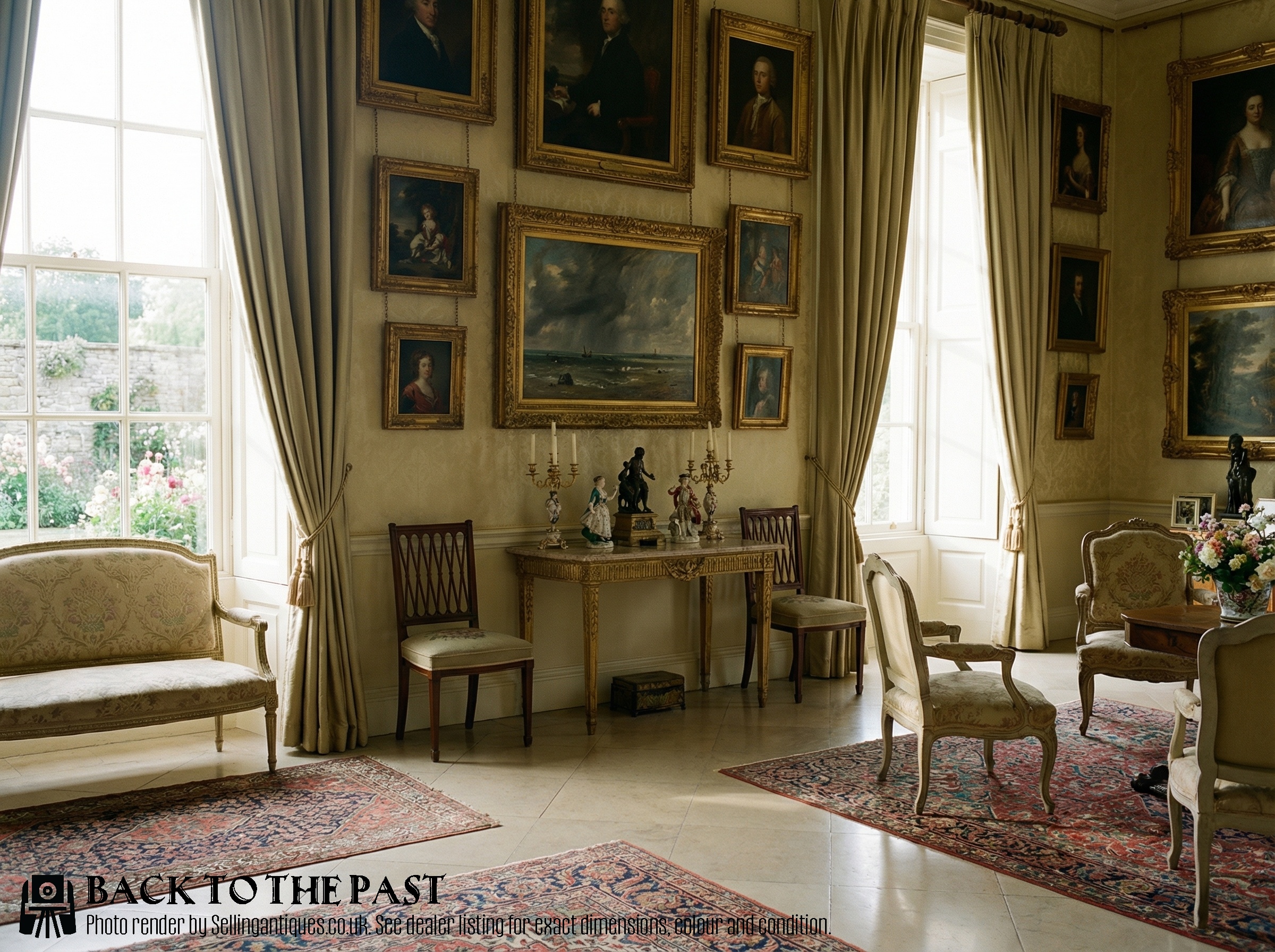
What They Are
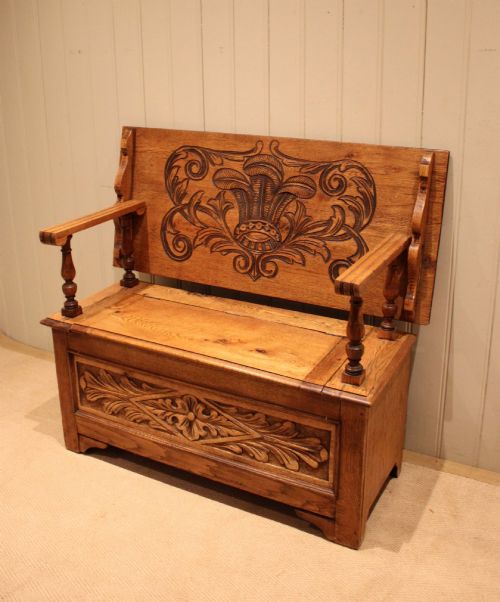
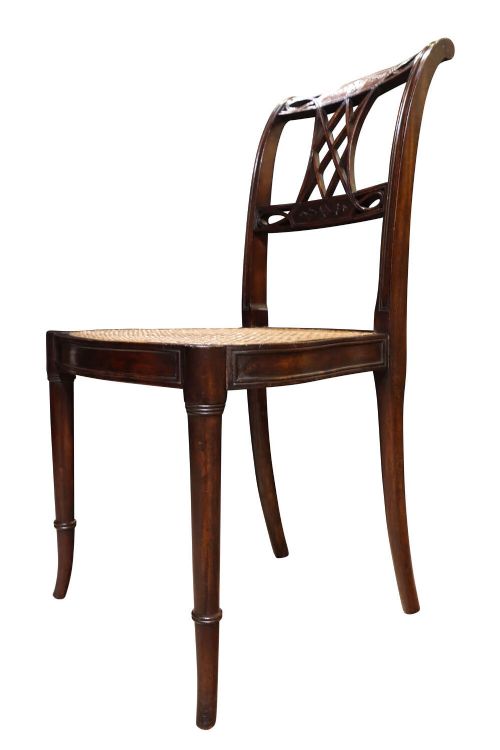
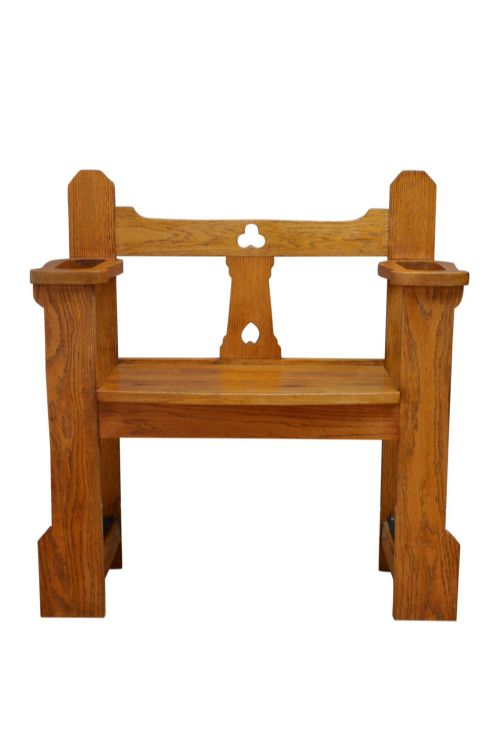
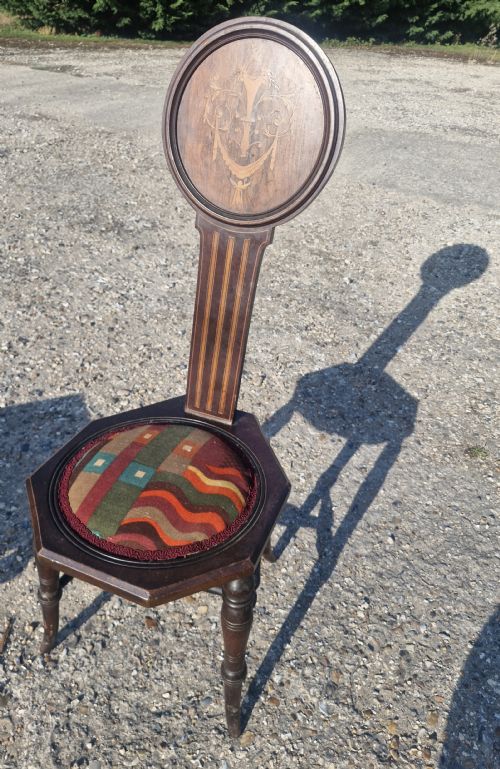
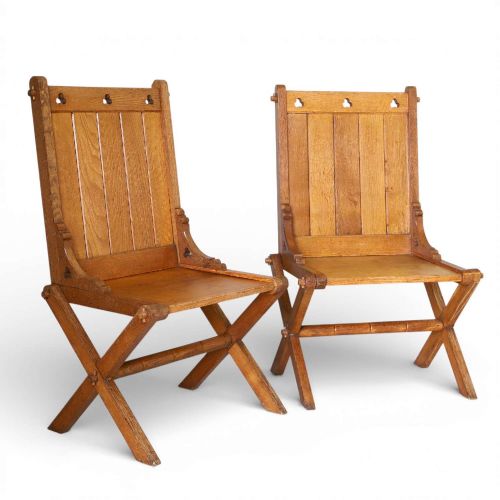
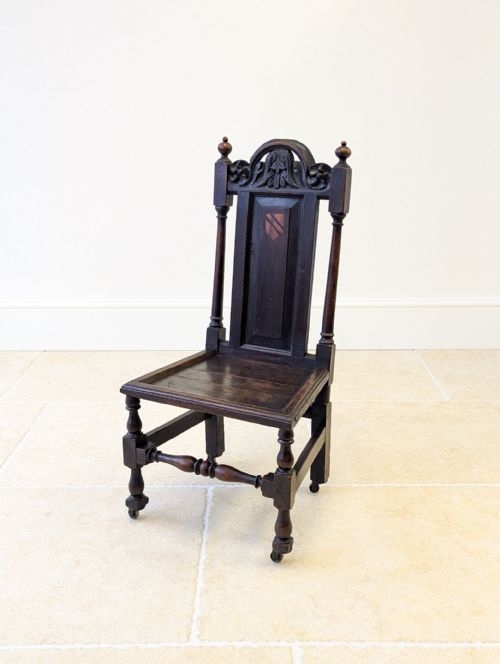
The edwardian hall chair typically presents a rigid timber form intended for an entryway rather than prolonged lounging. Examples span straightforward utilitarian seating to ornate variations referencing earlier Regency or Sheraton designs.
Most entries belong to the Edwardian period itself, alongside Victorian precursors and pieces adopting Georgian or Grand Regency motifs. Woods range from rich mahogany and walnut to beech, oak, and rosewood.
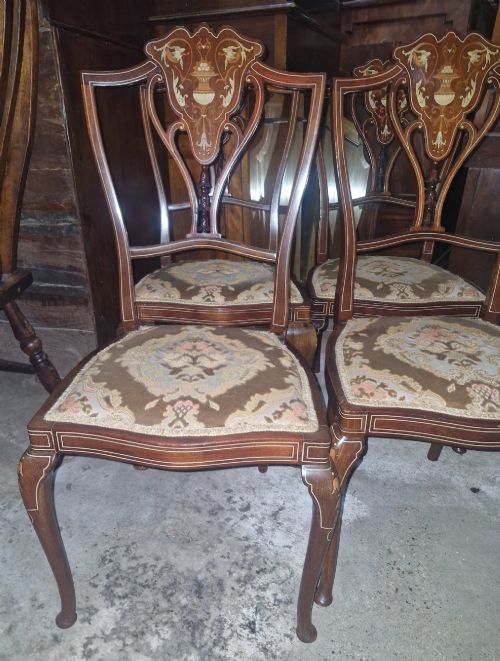
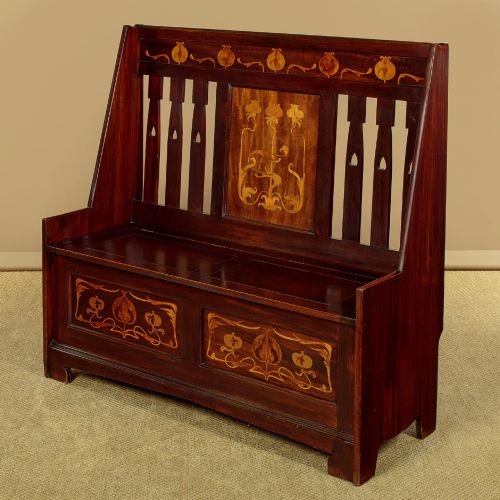
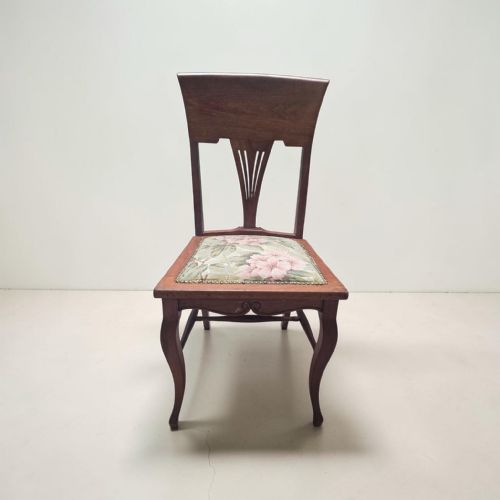
Makers produced shield backs, high backs, and occasional armchairs, sometimes incorporating tapestry upholstery or floral inlay. These sturdy seats served visitors waiting in hallways and vestibules.
How They Were Made
Carpenters utilised solid timbers including mahogany, walnut, oak, beech, and rosewood for the structural frames. Joinery relied on traditional techniques to ensure durability under heavy daily use in busy entranceways.
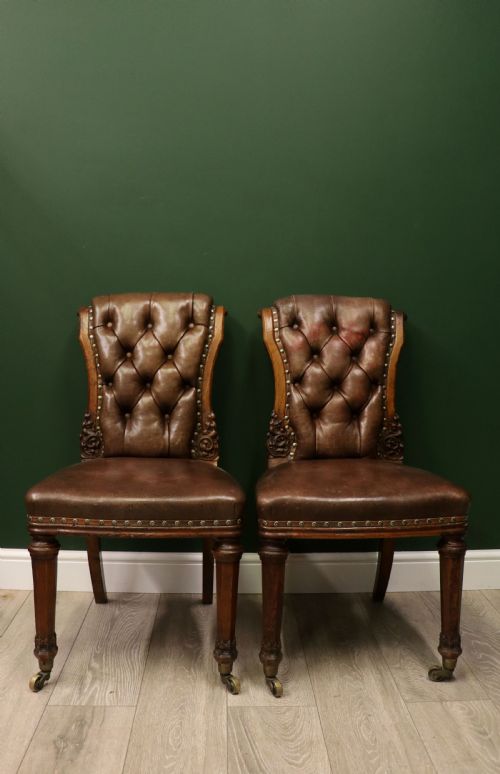
Surface ornamentation involved careful hand carving, timber inlay, and occasional paint finishes or stained hardwood. Upholstered variants featured deep buttoned leather or hand stitched tapestry secured to firm padding.
Retail Price Guide 2026
Typical UK retail prices for edwardian hall chair, calculated from the Sellingantiques database of over a million retail prices indexed since 2003. This retail price guide relies exclusively on Sellingantiques data; no external sources or auction records are used, so the figures do not describe the wider market.
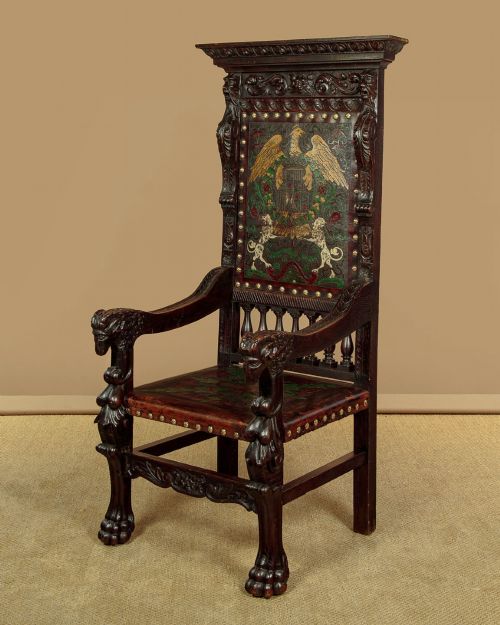
Some towering porter's chairs practically double as wooden igloos designed to fend off drafty castle corridors.
What Varies in Quality
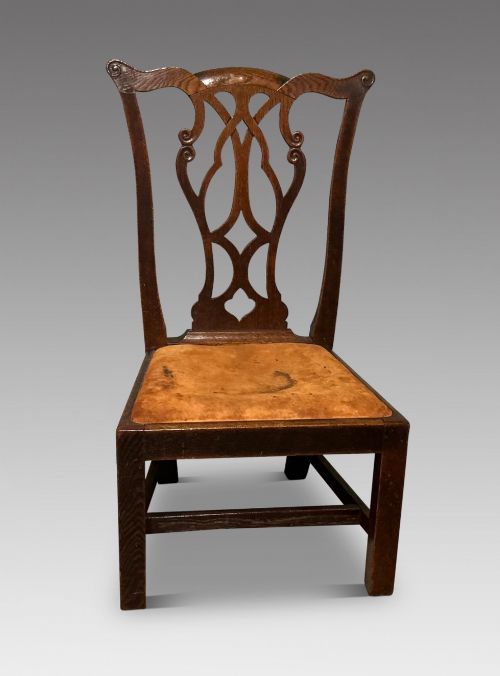
Superior pieces display crisp, deep hand carving on shield backs and crest rails rather than flat, machine-cut detailing. The selection of dense, richly figured mahogany or walnut elevates an example above plain beech or standard timber.
Refined construction is evident in tight joinery, substantial timber gauge, and sophisticated additions such as contrasting wood inlay or intact period tapestry. Simpler side chairs rely purely on proportion and structural integrity.
The Edwardian Hall Chair Glossary
- Shield back
- A chair back shaped like a heraldic shield, commonly found on formal dining and hall seating. This design gained popularity in the late eighteenth century and saw revival periods.
- Hall porter's chair
- A high backed enclosed seat designed to block drafts in chilly entrance halls. These pieces often feature deep buttoned leather upholstery.
- Inlay
- A decorative technique where contrasting woods or materials are set flush into the primary timber surface. Edwardian makers utilised this method for floral motifs.
- Carver
- An armchair featuring open sides, often designed to match a set of smaller side chairs. These items served dual roles in halls and libraries.
- Hardwood
- Timber derived from broadleaved deciduous trees, providing the dense structural strength required for heavy hall seating.
Frequently Asked Questions
Where did these chairs sit?
These chairs stood in entrance halls, vestibules, and corridors of grand homes to accommodate visitors waiting for admittance.
Their upright postures and rigid wooden or lightly padded seats discouraged lounging, maintaining a formal atmosphere.
How do I spot an Edwardian piece?
Edwardian seating often exhibits lighter proportions than heavy Victorian furniture, combined with inlaid motifs and Sheraton revivals.
Examination of the timber, joinery style, and secondary woods helps distinguish these items from earlier Regency or later reproductions.
Can I use them daily?
These robust timber frames suit regular daily use in modern hallways, dining rooms, or home studies.
Their solid construction and durable hardwoods ensure they withstand frequent seating while maintaining their decorative presence.
Are padded versions original?
Many examples feature original or period-appropriate upholstery including hand stitched tapestry, floral fabric, or deep buttoned leather.
Victorian and Edwardian makers frequently added padding to hall and porter's chairs for improved comfort.