

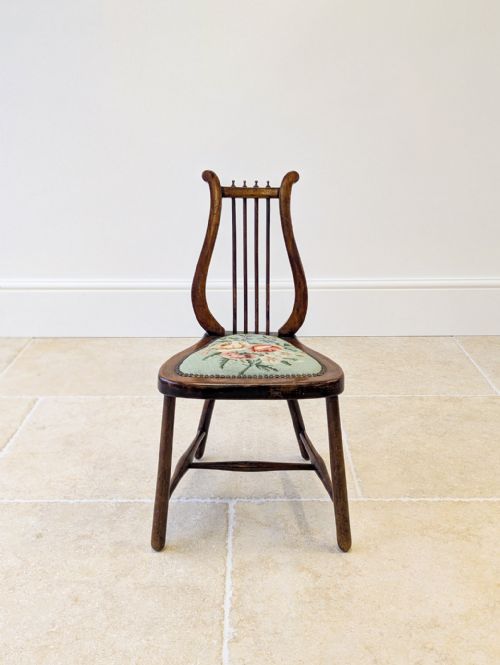
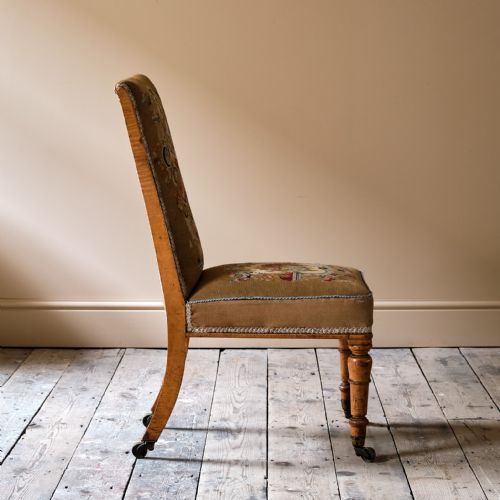
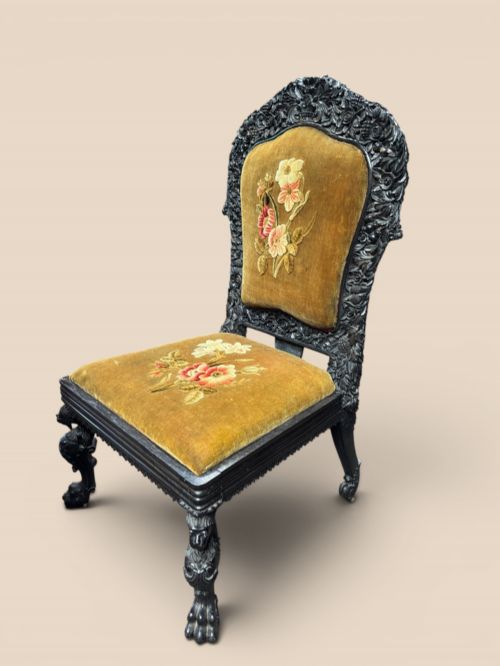
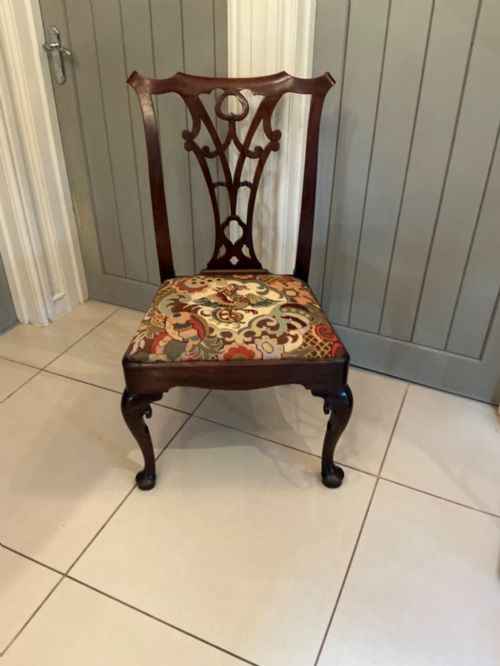
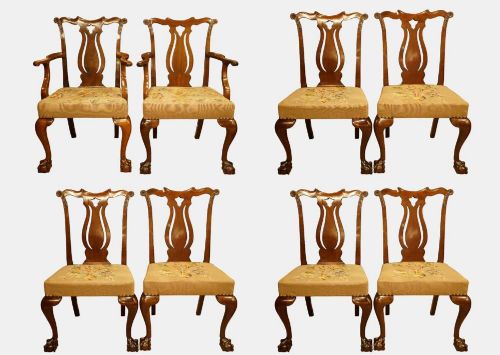


Needlepoint Side Chair
A needlepoint side chair brings warmth to a room through traditional textile work paired with sturdy timber framing.
Needlepoint Side Chair
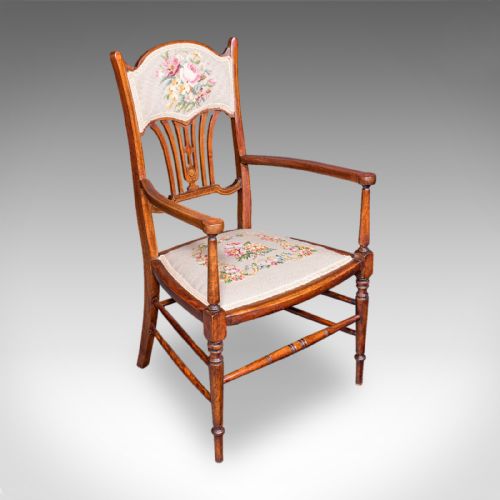
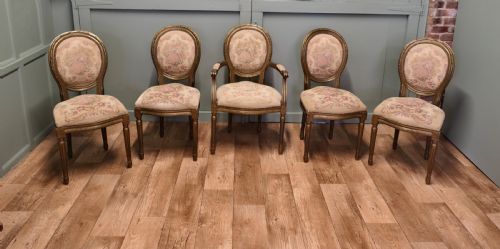
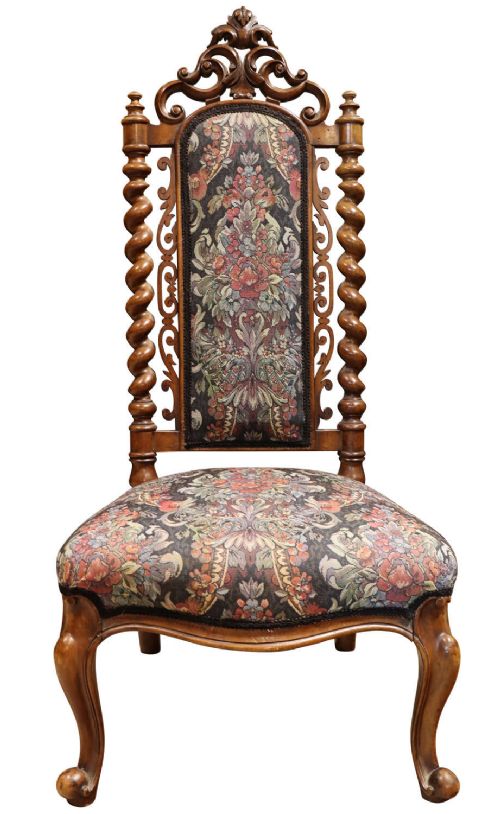
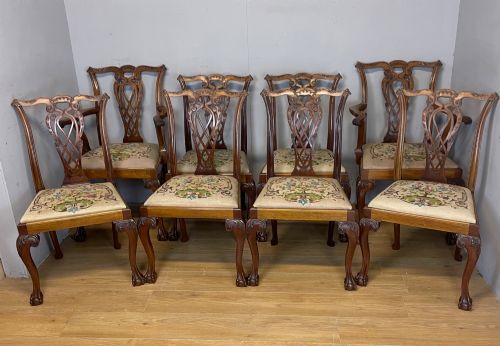
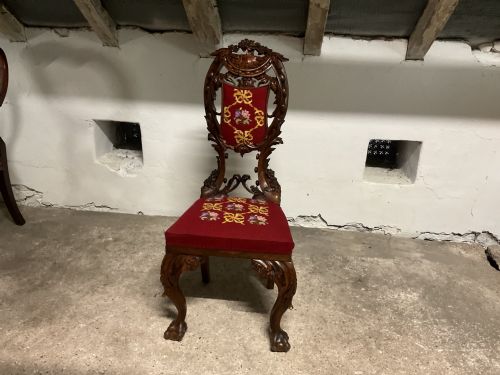
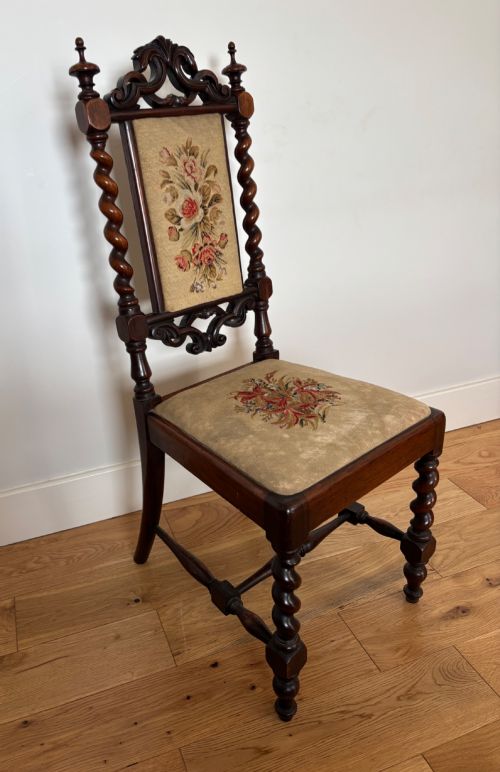
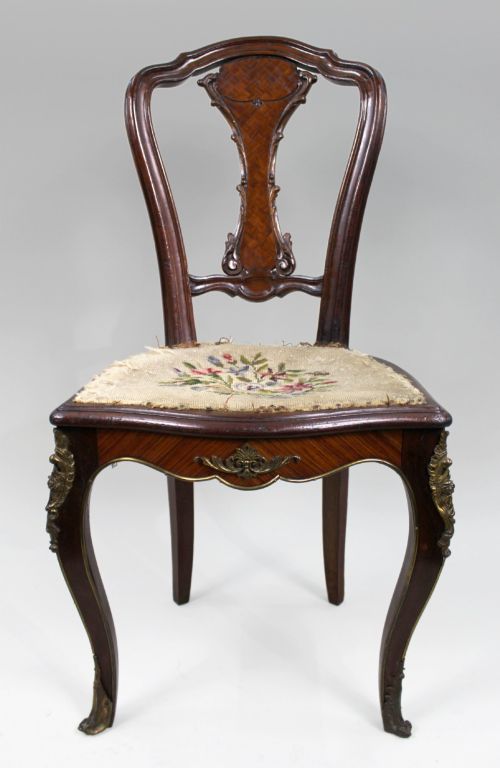
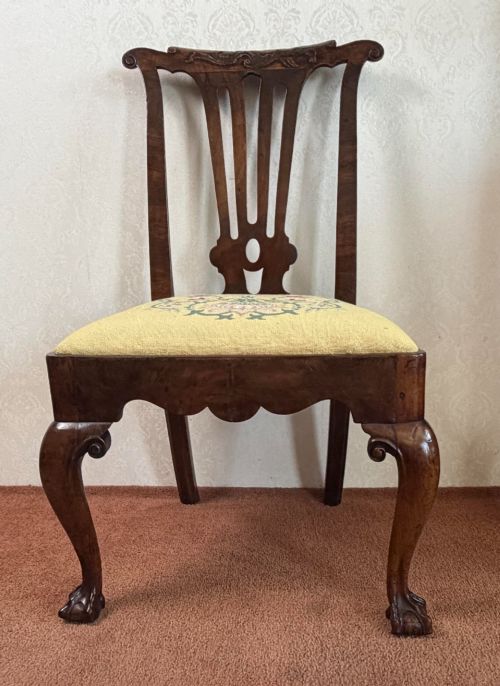
A needlepoint side chair is a compact, armless seating piece designed for use around a dining table, beside a desk, or placed against a hallway wall. The search for a needlepoint side chair reveals diverse forms spanning the Georgian, Victorian, and Edwardian periods, constructed primarily to offer both utility and decorative needlework.
The versions most commonly met on this page feature timber frames made from mahogany, walnut, or beech, paired with wool or textile upholstery. Many examples originate from the eighteenth and nineteenth centuries, displaying regional cabinet-making styles from English, Scottish, and continental makers.
How they were made
Timbers such as mahogany, walnut, and oak form the structural skeleton of these chairs, shaped through traditional joinery and occasional carving. Artisans fashioned the frames using dense hardwoods to ensure stability without the need for bulky armrests.
Upholstery relies on wool and textile threads stitched into tapestry or needlepoint patterns, fixed directly over drop-in seats or padded frames. This stitchwork integrates tightly with the wooden support, often secured using traditional webbing and tacks.
Needlepoint Side Chair Retail Price Guide 2026
Typical asking prices for needlepoint side chair among the pieces listed under this phrase on Sellingantiques today, from the lower quarter to the upper quarter. They describe what is for sale here now, not the wider market.
Listings feature timber frames in mahogany, walnut, oak, and beech, paired with wool tapestry and needlepoint upholstery across multiple centuries.
What varies in quality
The caliber of a needlepoint side chair rests primarily on the integrity of the timber frame and the precision of the needlework. Superior examples exhibit crisp, well-defined carving in woods like walnut and mahogany, alongside tightly stitched tapestry depicting intricate motifs.
Proportion and structural preservation also distinguish finer pieces from simpler utilitarian seating. Chairs retaining their original frames and period needlework display a harmony between textile design and cabinetry that lesser or heavily restored examples lack.
Charles Tozer·Warings·Waring and Gillow·Liberty and Co·R Whytock of Edinburgh
The Needlepoint Side Chair Glossary
- Side chair
- An armless chair intended for general seating at a table, desk, or against a wall. These pieces provide compact mobility within a room.
- Needlepoint
- A type of counted thread embroidery stitched over canvas mesh. It forms the durable decorative seat covers seen on many period chairs.
- Drop-in seat
- A removable wooden frame insert upholstered independently before dropping into the seat rail recess. This construction simplifies recovering.
- Tapisserie
- A French term often relating to woven or stitched textile work used for upholstery. It denotes the decorative fabric panels fitted to chair backs and seats.
- Padouk
- A dense tropical hardwood with reddish tones utilised in cabinet making. It provides robust durability for carved frames.
Needlepoint Side Chair: Frequently Asked Questions
Where should I place a needlepoint side chair?
These chairs fit well in hallways, studies, or bedrooms where space is limited and an accent piece is needed. Their armless design allows them to tuck neatly beneath desks or against walls.
They also serve effectively around dining tables when mixed with other timber seating. The patterned upholstery adds visual texture to plain corners or empty wall spaces.
How do I care for antique needlepoint upholstery?
Gentle vacuuming using a low-suction attachment helps remove dust from wool and textile fibres without catching loose threads. Keeping the chair out of direct sunlight prevents the dyed wool from fading.
Avoid using liquid cleaners on vintage tapestry work, as moisture can weaken old threads and backing materials. Professional textile conservation is recommended for deep cleaning.
How can I tell a Georgian chair from a Victorian one?
Georgian pieces, produced during the eighteenth and early nineteenth centuries, typically showcase restrained lines and denser hardwoods like walnut or early mahogany. Their proportions tend to be crisp and structurally functional.
Victorian examples from the mid to late nineteenth century often feature heavier carving, rosewood or walnut frames, and more elaborate detailing. They frequently incorporate revival styles such as Chippendale or Gothic influences.
What is the difference between a side chair and a nursing chair?
A side chair is built with a standard seat height and upright posture for dining, desk work, or occasional placement in a hall. These pieces are consistently armless and upright.
A nursing chair sits lower to the floor with a padded seat and supportive back, originally designed for comfort in domestic quarters. Their proportions are noticeably more compact and relaxed than standard dining seats.