
Floral Tapestry Seating
Floral tapestry seating brings historical textile artistry into domestic rooms through armchairs, stools and dining seats dressed in wool and needlepoint.
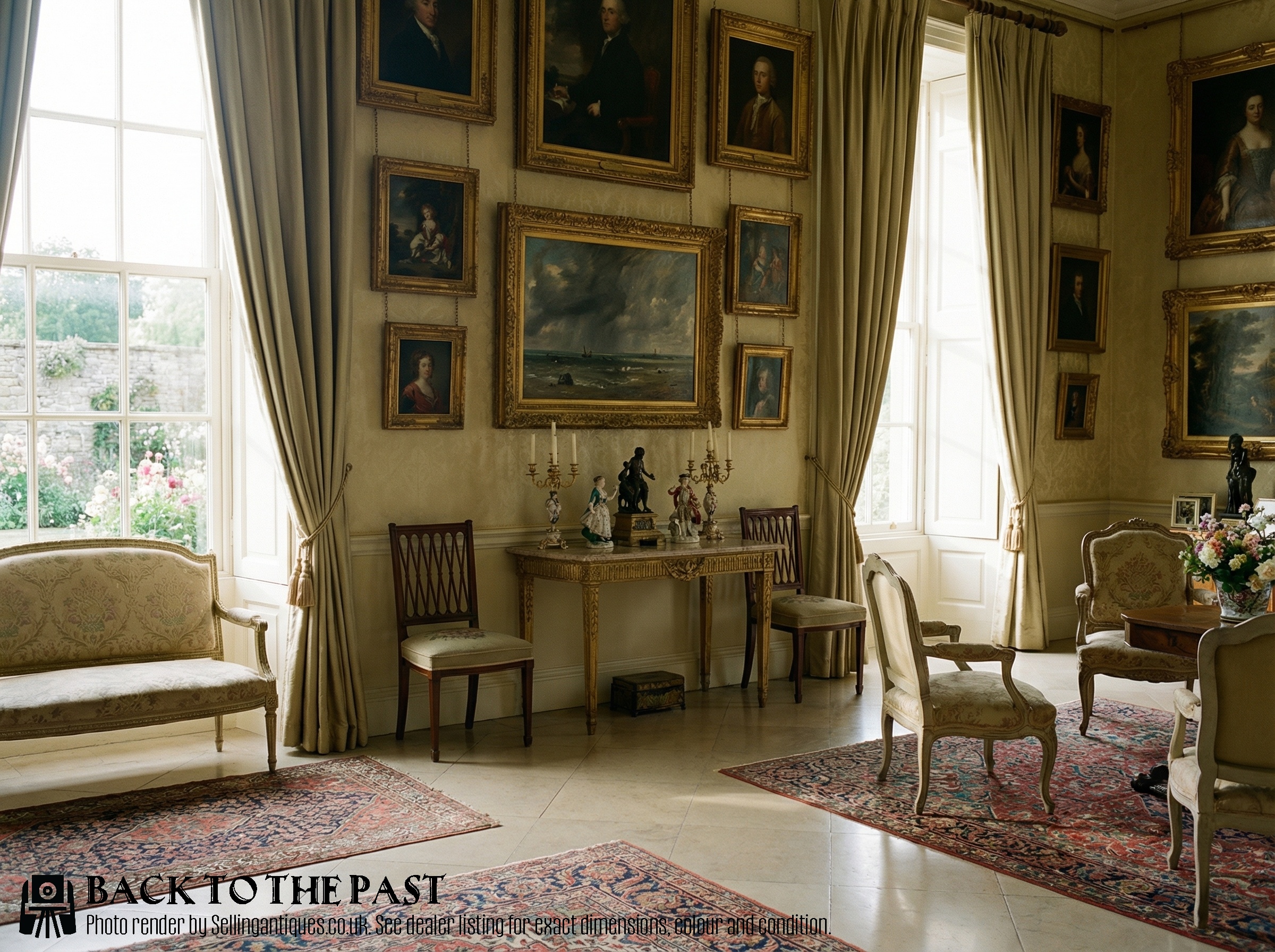
Floral Tapestry Seating
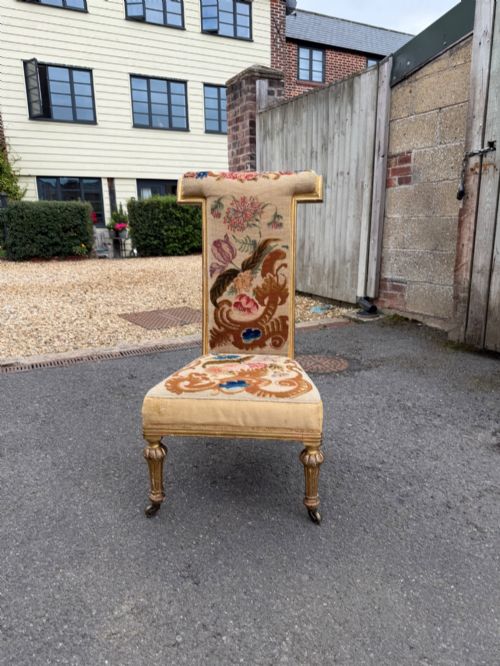
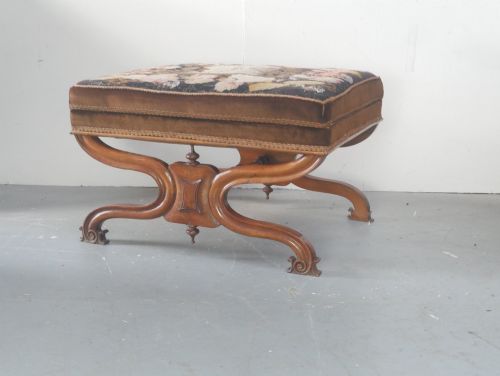
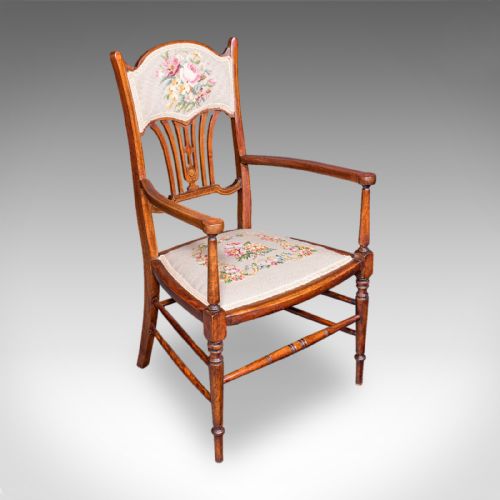
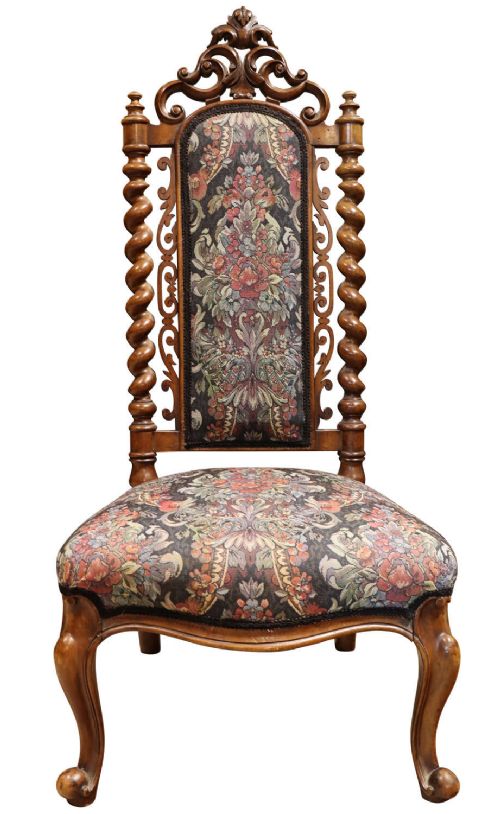
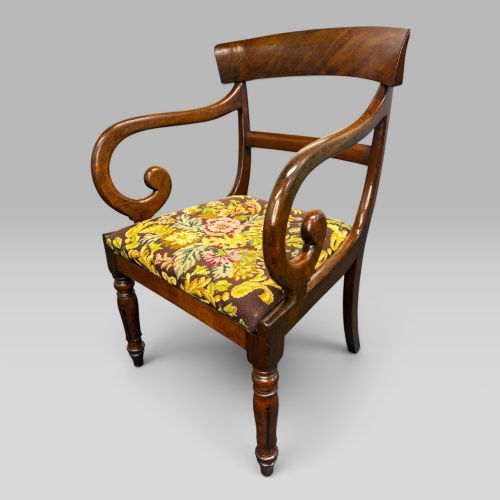
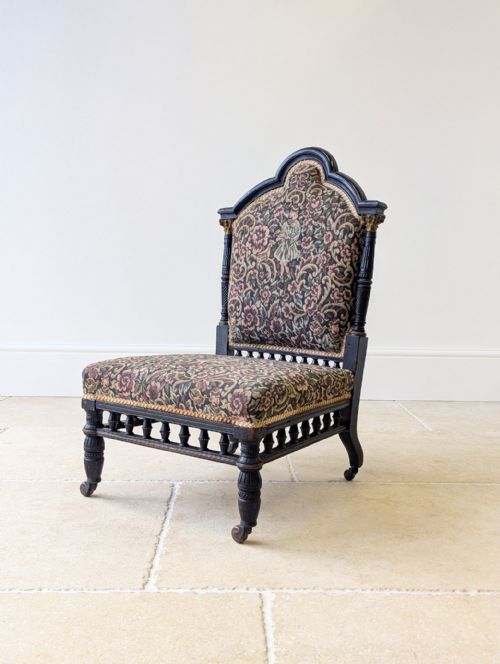
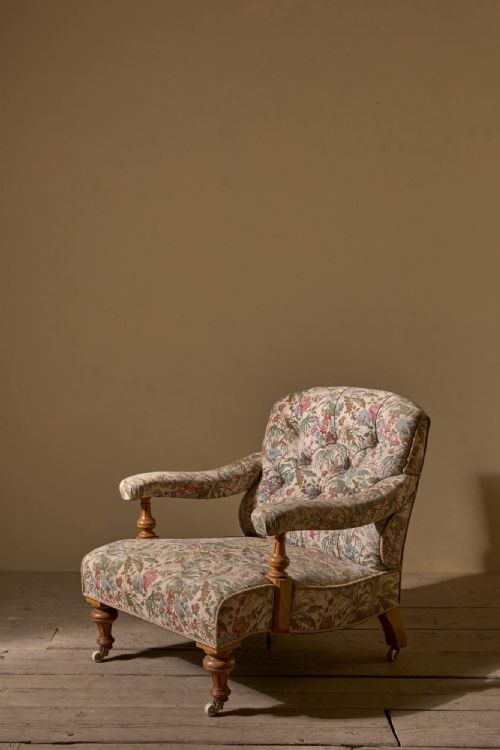
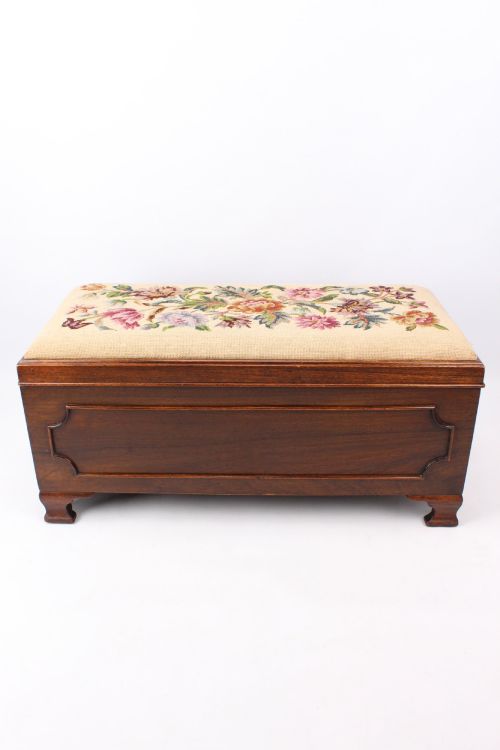
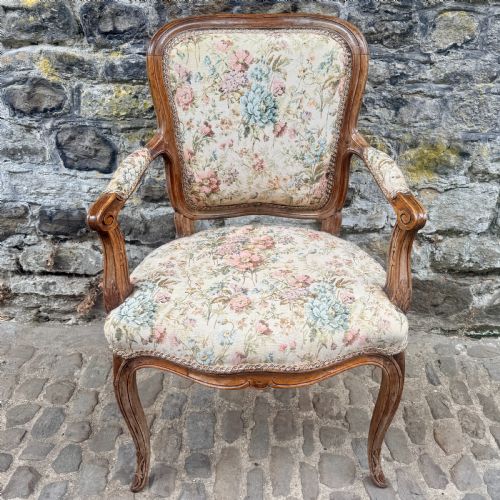
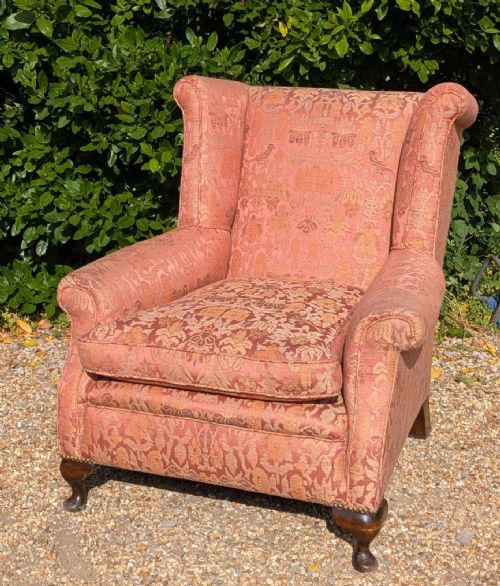
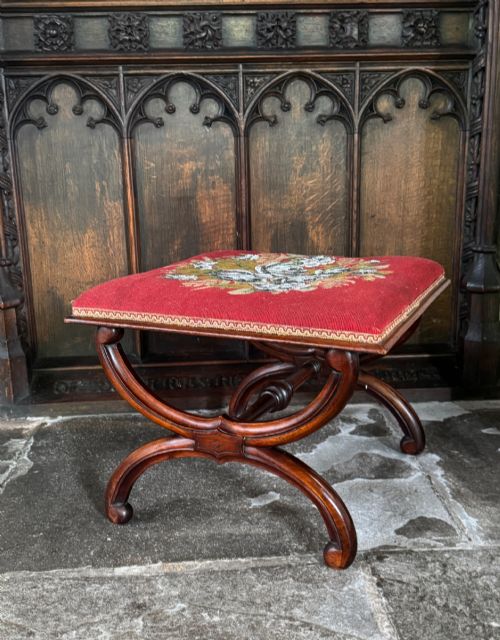
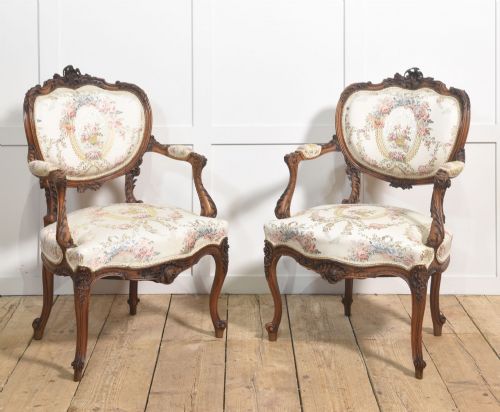
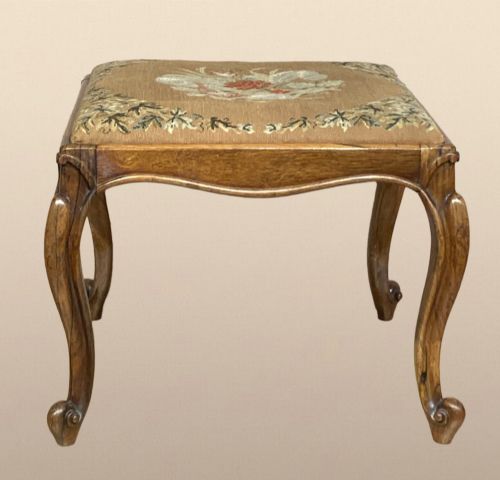
Floral tapestry seating encompasses an array of antique chairs and stools upholstered in worked wool textiles, dominated by Victorian and nineteenth-century examples alongside earlier Georgian and Regency forms. Buyers seeking these pieces encounter everything from low salon chairs and nursing chairs to substantial elbow armchairs and dressing stools.
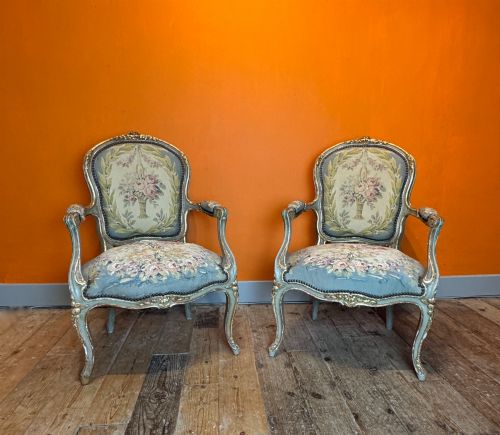
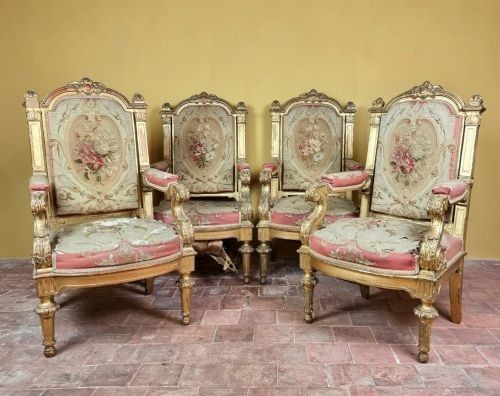
The selection ranges across distinct stylistic influences including French Provincial, Louis XV, and William IV designs, often executed in walnut, mahogany, or rosewood. Stools and side chairs appear frequently alongside pairs of armchairs, offering options for both accent placement and coordinated dining arrangements.
Origins span English country houses and Scottish baronial seats to continental workshops, reflecting varied regional tastes in carved woodwork and textile panels. Pieces from the early twentieth century and late nineteenth century maintain traditional needlework techniques within domestic seating forms.
Materials and construction methods
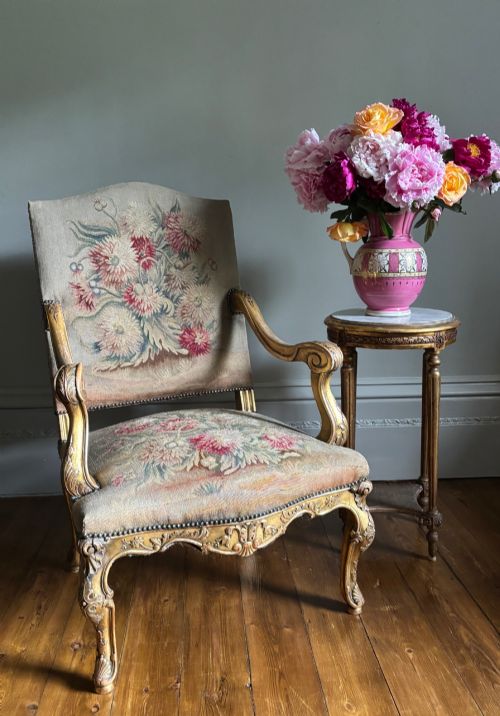
The structural framework relies on dense hardwoods such as mahogany, walnut, rosewood, and beech, shaped into cabriole legs, carved frames, and X-frame supports. Joinery methods of the period ensure stability, while giltwood, ebonised finishes, and painted surfaces provide decorative contrast.
Upholstery combines traditional stuffing materials with durable wool tapestry fabric, needlepoint panels, and beadwork. Hand-stitched floral needlework is secured directly to frames using traditional tacking methods, often complemented by brass detailing or parcel gilt highlights.
Needlework seats occasionally reveal eccentric wool colour choices where makers ran out of thread mid-flower.
Distinctions in craftsmanship
Quality reveals itself in the crispness of carved wooden details, from floral motifs on walnut frames to the execution of giltwood and parcel gilt finishes. Finer pieces demonstrate superior joinery and timber selection, maintaining structural integrity across complex forms like revolving stools and open armchairs.
The standard of the textile upholstery marks another key distinction, visible in the density of wool needlepoint stitches and the complexity of the floral patterns. Original needlework panels preserved in sound condition elevate a piece above later replacements.
Howard and Sons·R Whytock of Edinburgh·Holland and Sons
The Floral Tapestry Seating Glossary
- Prie Dieu
- A low devotional chair designed for kneeling and prayer, typically featuring a tall, narrow backrest.
- Needlepoint
- A type of canvas work embroidery executed with wool yarn, frequently seen on Victorian seat covers and panels.
- Cabriole leg
- A furniture leg that curves outward at the knee and tapers inward toward the foot, common in period seating.
- Ebonised
- Wood finished to resemble ebony through staining or painting, popular during the Victorian aesthetic movement.
- Giltwood
- Timber coated with gold leaf or a gold-coloured metallic finish for decorative effect.
Floral Tapestry Seating: Frequently Asked Questions
How do I clean floral tapestry upholstery?
Surface dust can be removed gently using a soft brush or a low-suction vacuum attachment protected by a mesh screen.
Avoid liquid cleaners or water on antique wool needlework, as moisture damages delicate fibres and historic backing materials.
Are these chairs suitable for daily use?
Many sturdy armchairs and dining seats remain robust enough for regular seating when joints are sound and stable.
Delicate giltwood or antique nursing chairs function better as decorative accent pieces due to their lighter frames and age.
How do I identify a Victorian piece?
Victorian seating frequently employs walnut or rosewood with heavy carving, button tufting, or vibrant wool needlepoint upholstery.
Construction details such as machine-sawn timbers or specific fastener types can help narrow down the manufacturing decade.
Can I mix different wood tones?
Period interiors often combined mahogany, walnut, and rosewood successfully through shared design proportions and textile themes.
Matching the floral needlework or fabric colour palette creates visual harmony among diverse wood finishes.