

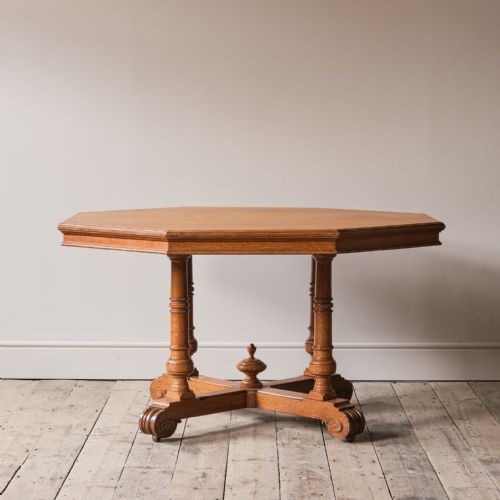
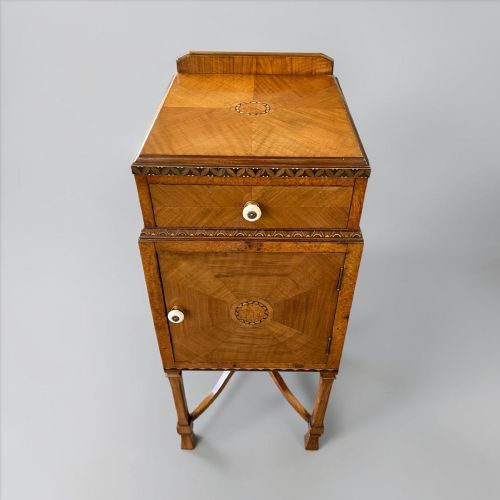
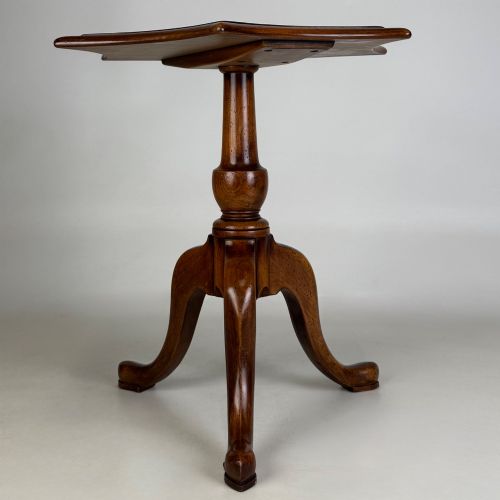
Brown Wooden Pedestal
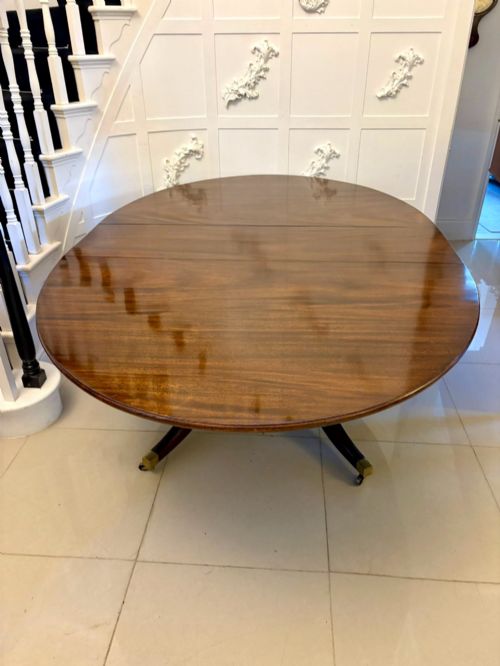
A brown wooden pedestal supports displays and surfaces, bringing sturdy upright timber into rooms through classical columns, plant stands, and dining tables.
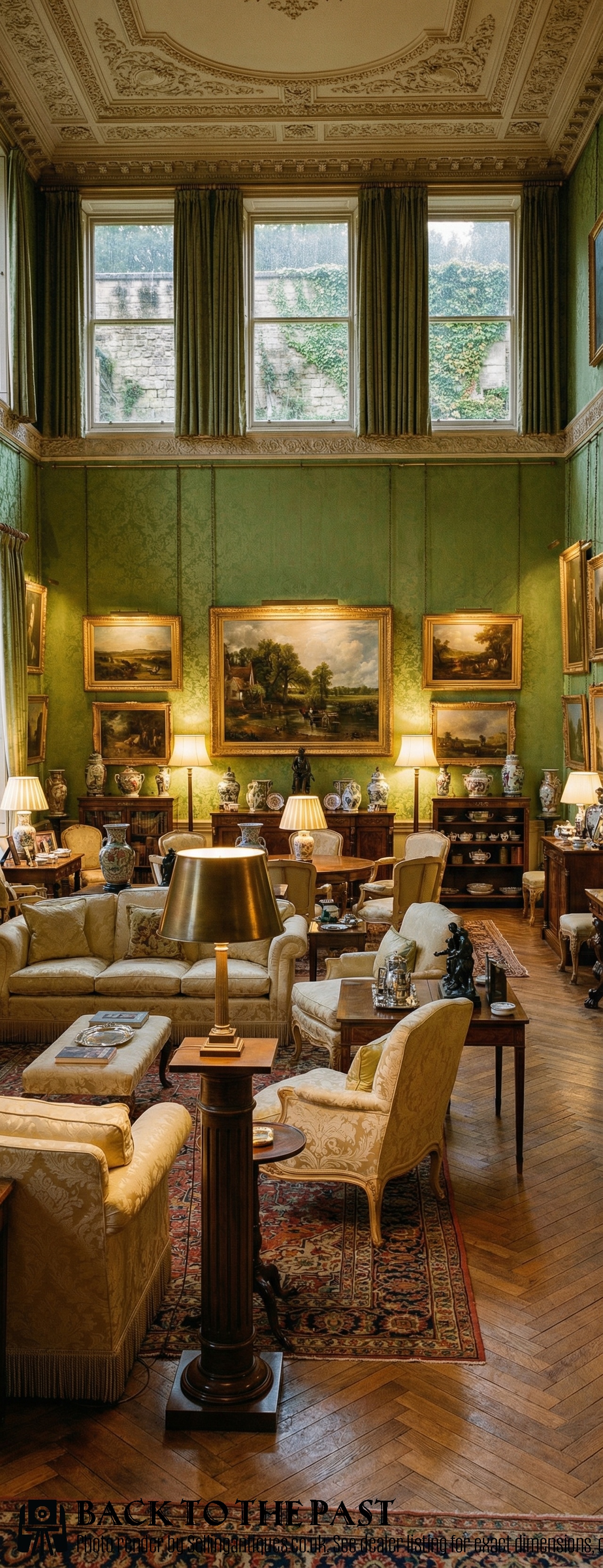
Brown Wooden Pedestal
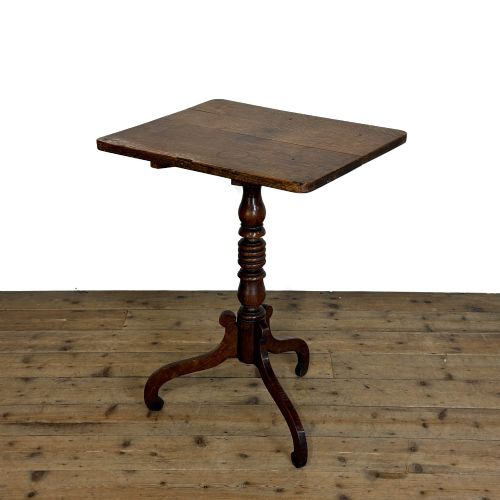
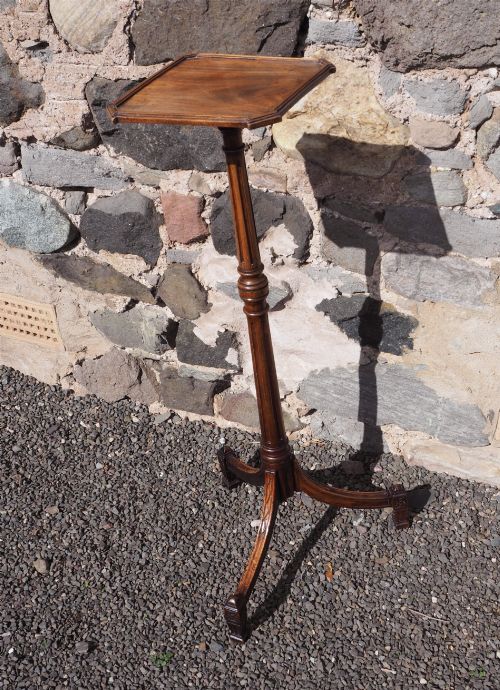
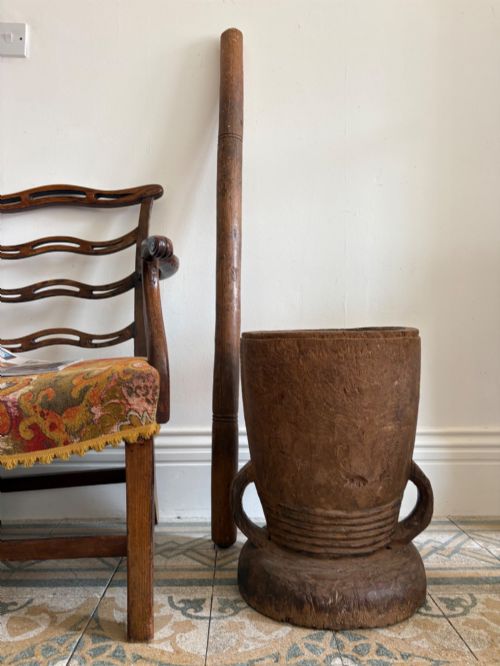
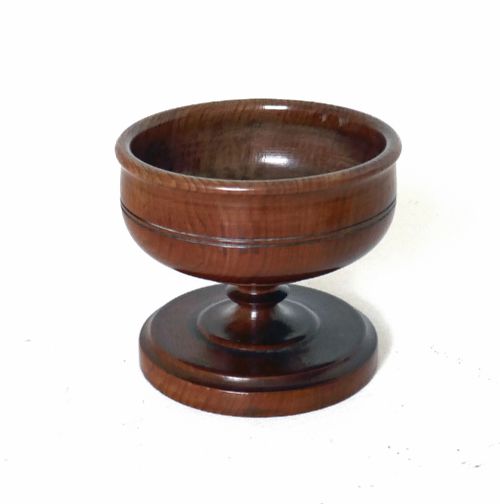
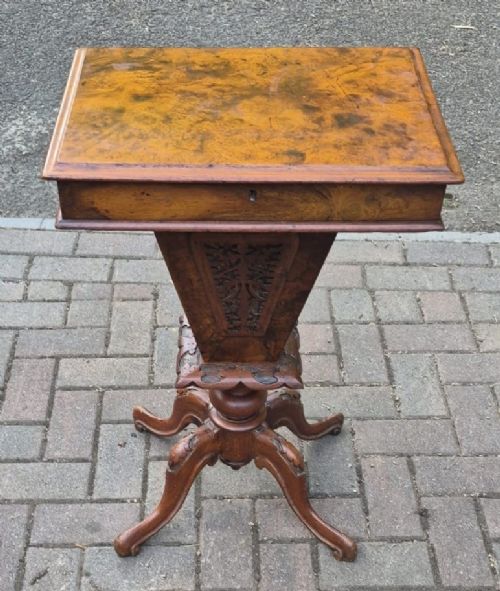
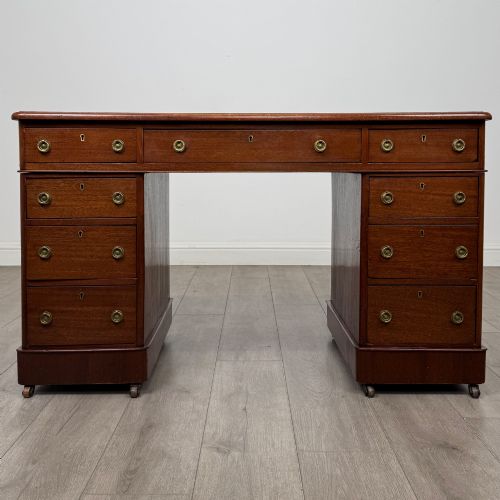
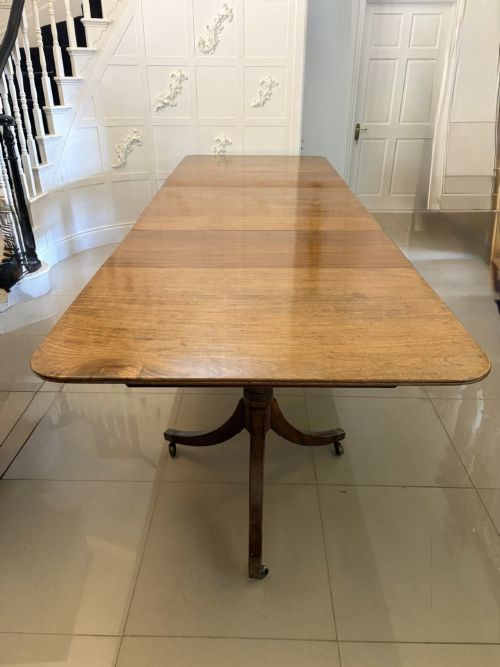
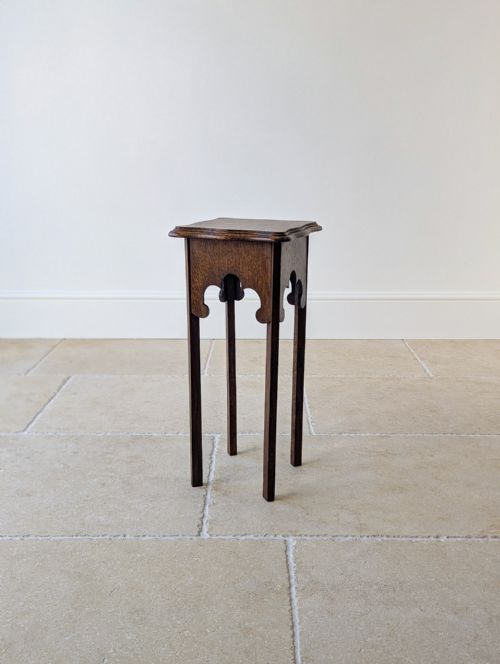
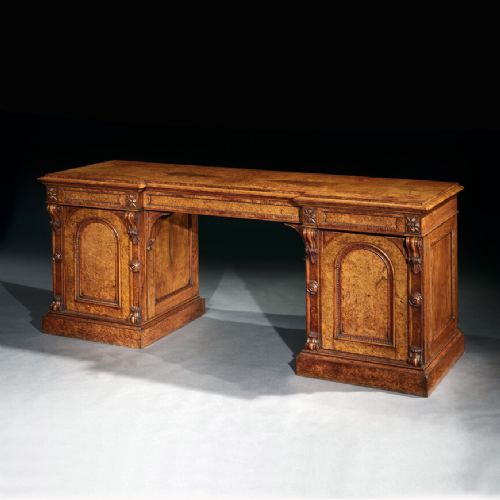
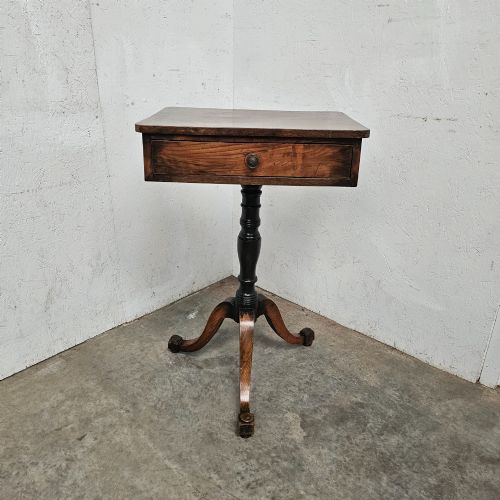
A brown wooden pedestal encompasses a diverse group of items found on this page, ranging from plant stands and torchieres to multi-pillar dining tables and heavy pedestal desks. Buyers hunting for a brown wooden pedestal encounter forms stretching from the eighteenth century through the Victorian and Edwardian eras into the twentieth century. The selection leans heavily on British and European cabinetmaking traditions, utilising forms designed to elevate objects or provide stable central supports for heavy tops.
The objects recorded here include occasional tables, wine tables, sideboards, and columnar display stands constructed from various timbers. Many pieces date from the nineteenth century, reflecting the Victorian preference for substantial mahogany and oak furniture, alongside earlier Georgian examples and later Edwardian variations. Each piece utilises a central column or pillar arrangement, defining the structural character that connects these diverse tables, desks, and stands.
Materials and Technique
Makers constructed these pieces predominantly from solid hardwoods like mahogany, oak, and walnut, frequently selecting figured veneers such as burr walnut and pollard oak for decorative surfaces. Joinery methods relied on traditional techniques, including turned central columns, mortise and tenon joints, and sturdy tripod or multi-pillar bases designed to bear significant weight without tipping.
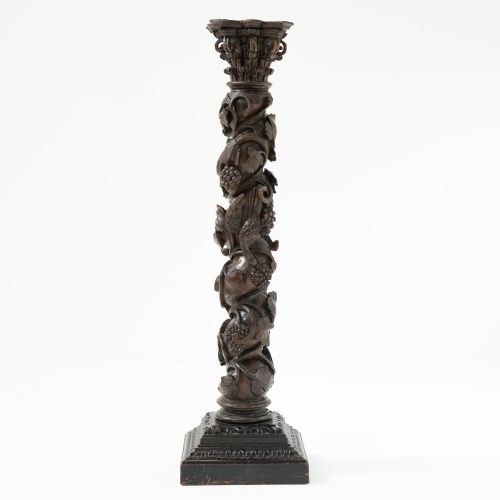
Craftspeople shaped timbers using hand-carving, turning on lathes, and meticulous inlay work utilising lighter woods such as satinwood against darker bodies. Brass fittings, leather inserts on desks, and carved Solomonic or fluted columns appear frequently, demonstrating the range of decorative treatments applied to structural wooden supports.
Brown Wooden Pedestal Retail Price Guide 2026
Typical asking prices for brown wooden pedestal among the pieces listed under this phrase on Sellingantiques today, from the lower quarter to the upper quarter. They describe what is for sale here now, not the wider market.
Judging the Standard
Quality rests upon the selection of timber and the precision of the underlying construction rather than surface ornamentation alone. Superior examples display carefully matched wood grain across expansive table tops or desk fronts, alongside solid, heavy pillar supports that remain entirely rigid.
Lesser pieces often rely on thin veneers over secondary softwoods with simpler, less stable turnings, whereas finer items demonstrate crisp hand-carving and robust joinery designed to withstand decades of daily use.
The Brown Wooden Pedestal Glossary
- Torchere
- A tall ornamental stand designed to hold a candelabrum or lamp. These slender wooden columns elevate light sources above floor level.
- Tilt-top
- A table mechanism allowing the surface to pivot to a vertical position when not in use. This clever design saved floor space in period drawing rooms.
- Solomonic
- A spiral twist column resembling a corkscrew shape. Craftsmen carved these distinctive rope-like wooden pillars during the seventeenth and eighteenth centuries.
- Treen
- Small handmade wooden household objects created before the era of mass production. These functional items showcase traditional turning and carving skills.
Brown Wooden Pedestal: Frequently Asked Questions
What is a pedestal table used for?
These tables serve multiple functions around the home, acting as dining surfaces, bedside cabinets, or display points for plants and lamps. Their central column design allows chairs or feet to fit easily underneath without hitting corner legs.
Larger versions support heavy dining tops across multiple pillars, whilst smaller variants occupy corners or sit beside armchairs as convenient occasional surfaces.
How do I identify Victorian pieces?
Victorian items typically feature dark, dense timbers like mahogany and walnut, often accompanied by heavy carvings and robust proportions. Look for deep reddish-brown tones and traditional drawer construction.
Cabinetmakers during this period favoured substantial forms, frequently incorporating freestanding pedestal designs for desks and sewing tables.
Are these items made of solid wood?
The listings include a mix of solid timbers and veneered surfaces applied over stable secondary woods. Premium items often feature figured veneers like burr walnut to create striking decorative patterns on top surfaces.
Structural elements such as central columns and support legs are generally turned from solid hardwoods to ensure stability and load-bearing strength.
How do I clean wooden furniture?
Maintain timber surfaces by dusting regularly with a soft, dry cloth and applying natural beeswax periodically to nourish the grain. Avoid chemical sprays and excessive moisture.
Keep pieces away from direct heat sources and strong sunlight to prevent the timber from drying out or the finish from fading over time.